How regulation, social licence, misinformation and public perception are shaping the future of NGTs and seed innovation.
Innovation in plant breeding is often discussed as if progress depends on two questions: can the science deliver, and will regulation allow it? In Europe, that is no longer enough. A new breeding technology may be scientifically robust. It may pass through the regulatory system. It may even offer clear benefits for farmers, consumers or the environment. But if it lacks public trust, it may still struggle to be accepted, adopted or defended politically. That is the reality behind the social licence to innovate. For the seed sector, social licence is not a soft communications issue. It is becoming a strategic condition for innovation.
Three Gateways to Innovation
Every major breeding innovation must pass through three gateways. The first is scientific feasibility: does the technology work? The second is regulatory permission: is it allowed? The third is social legitimacy: is it trusted enough to move forward?
The seed sector is usually comfortable with the first two. It knows how to invest in research, generate data, submit regulatory files and defend scientific assessments. The third gateway is more complex. Trust is not built in a laboratory or granted in a legal text. It is shaped by public debate, media narratives, political culture, civil society, food-chain acceptance and the perceived behaviour of companies themselves.
In Europe, this matters deeply. Agriculture is not only an economic activity. It is tied to views about nature, food, health, landscapes, farmers’ livelihoods and corporate power. Plant breeding sits in the middle of all of these conversations.
Europe’s Trust Challenge
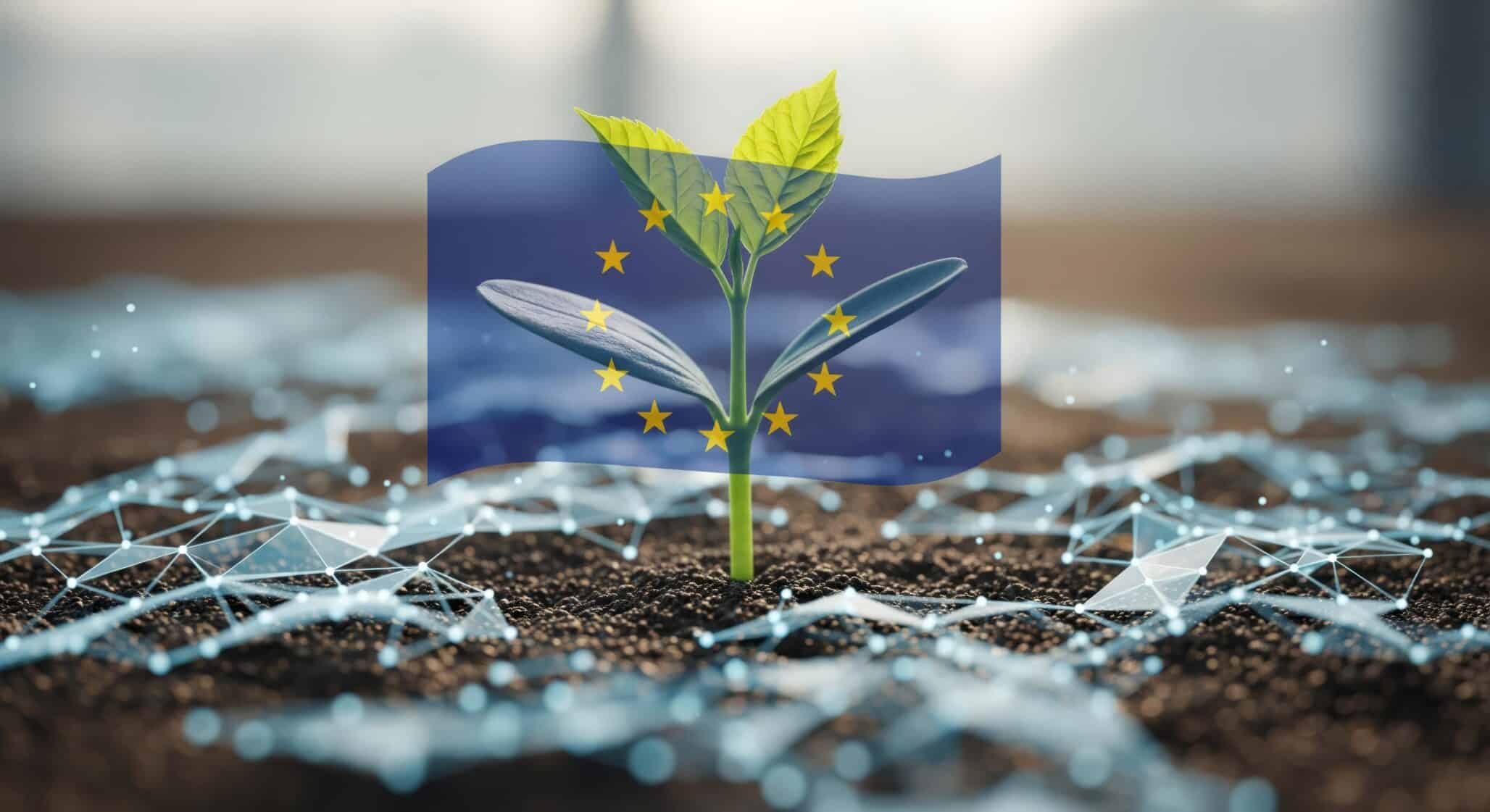
The debate around new genomic techniques (NGTs) is the most immediate test case. After years of discussion, the EU has moved closer to a new framework for NGT plants, with Seed World Europe covering both what the trilogue agreement means for plant breeding and the broader question of whether the EU NGT regulation can unlock plant breeding innovation. But the regulatory process is only one part of the story.
NGTs are presented by many scientists and breeders as tools that can accelerate climate adaptation, improve disease resistance, reduce input dependency and support more sustainable production. At the same time, they trigger familiar concerns about biotechnology, patents, concentration, transparency and control. This does not mean all concerns are equally well founded. But it does mean they cannot simply be dismissed.
Europe has seen before how difficult it can be to separate scientific assessment from public perception. The debate around GMOs remains an obvious example. Seed World Europe has previously looked at GMO myths and the persistence of simplified narratives around biotechnology. Those narratives continue to influence how new breeding tools are understood today. This is why public policy and social licence are so closely connected. Regulation may define what is legally possible, but public trust often defines what is politically durable.
Civil Society Is Changing, Not Disappearing
NGOs and civil society organisations have long played an important role in European debates on agriculture, biotechnology, crop protection and biodiversity. Their influence may shift over time, and the channels through which they operate may change. But public scrutiny of seed innovation will not disappear.
A recent reflection in The Firebreak argued that the activist landscape itself may be changing. Whether or not one agrees with that analysis, the broader lesson is relevant: public debate is not static. Scrutiny may move from formal NGOs to social media, retailers, food brands, national politics, litigation or consumer campaigns. For seed companies, the conclusion should not be that engagement matters less. It is that engagement must become broader, earlier and more sophisticated.
Misinformation Is Only Part of the Problem
Misinformation and disinformation clearly complicate the debate. Seed World Europe previously dedicated a full special issue to fake news and myths, including articles on seed sector myths, crop protection myths, hybrid plant myths and GMOs. One article in that series noted that fake news is not new, but that digital channels have made it easier for misleading messages to spread faster and further: “You Are Myth Taken: Fake News Is All Around Us”.
But it would be too easy to say that the only problem is misinformation. Sometimes the sector has also communicated too late, too technically or too defensively. If the public hears about a technology only after controversy starts, trust is already harder to build. If benefits are explained only in technical terms, they may not connect with farmers, consumers or policymakers. And if concerns about access, ownership or transparency are brushed aside, they can become stronger.
Corporate Control and the Need for Precision
Public concerns about corporate control of seed regularly surface in debates about innovation. These concerns should be taken seriously, but they also need to be handled with precision.
Market concentration differs significantly by crop, geography and market segment. As Seed World Europe argued in “Concentration, Everyone!”, broad concentration claims can be misleading if they ignore crop segmentation, the difference between field crops and vegetables, barriers to entry, substitutes and the diversity of breeding models. The OECD has also treated concentration in seed markets as a complex question requiring evidence by crop, geography and market context, rather than broad generalisation. Its report on concentration in seed markets underlines why this debate needs careful analysis.
For the seed sector, the lesson is clear. It is not enough to say that public concerns are exaggerated. Companies must be able to explain how innovation is accessed, how farmers retain choice, how competition works in specific markets, and how new technologies serve public as well as private value.
From Permission to Legitimacy
The future of plant breeding in Europe will depend on more than regulatory approval. It will depend on whether innovations are seen as useful, fair, understandable and aligned with societal goals. This requires a different mindset. Communication cannot be an afterthought. Public affairs cannot be separated from breeding strategy. Transparency cannot begin only when criticism arrives.
Seed companies will need to invest in people who understand science, regulation, communication and public expectations. They will need to work with farmers, food companies, researchers, policymakers and credible third parties. And they will need to explain innovation in terms that matter beyond the laboratory: resilience, sustainability, farmer choice, food quality, reduced losses and environmental performance. The companies best prepared for the future will not be those that simply develop the strongest technologies. They will be those that can build trust around them.
So, what does this mean for seed companies?
- Build trust before technologies become controversial, not after
- Explain innovation in terms of farmer, consumer and environmental value, not only technical performance
- Invest in communication, transparency and stakeholder engagement as strategic capabilities
The question is no longer whether science can create new breeding solutions, but whether the seed sector can build the trust needed for those solutions to reach the field.