Scroll stopping subtitle: New research suggests that the timing of stomatal opening could help breeders identify tomatoes that combine drought resilience with strong yields.
What if the secret to drought-resistant crops is not how much water plants use, but when they use it?
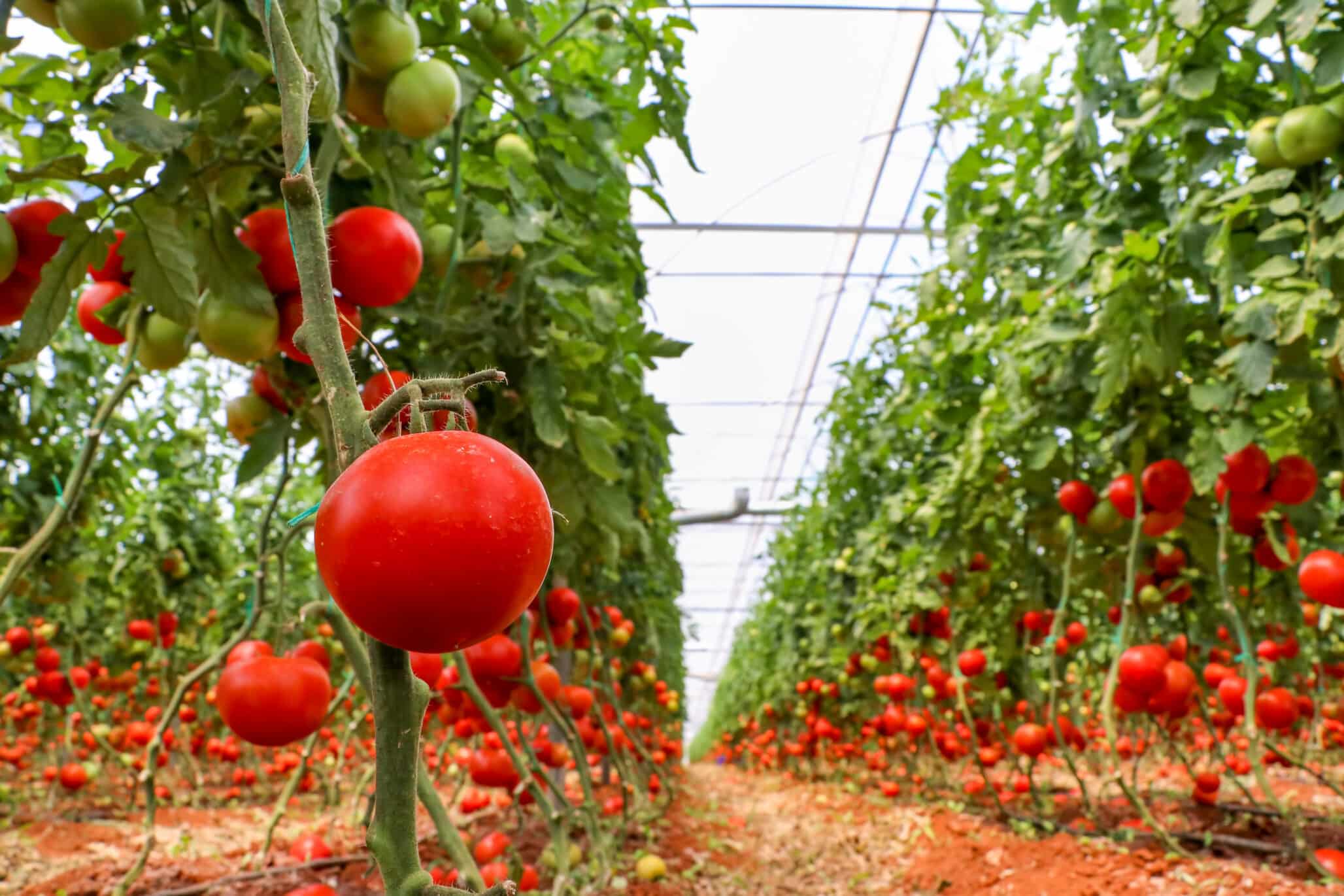
A hidden daily rhythm within tomato plants could help scientists develop crops that produce higher yields while using less water, according to new research from the Hebrew University of Jerusalem.
The study, led by Dr. Sanbon Chaka Gosa and Prof. Menachem Moshelion of the university’s Faculty of Agriculture, found that the timing of when tomato plants open and close their microscopic leaf pores may be just as important as the number of pores they possess.
The findings could provide plant breeders with a new way to identify drought-resilient crops as climate change places increasing pressure on agricultural production.
Researchers Track Water Use Throughout the Day
Published in Plant Science, the study focused on stomata, the tiny pores that allow plants to absorb carbon dioxide for photosynthesis while losing water through transpiration.
Instead of relying on traditional measurements taken at a single point in time, researchers continuously monitored water use across entire plants. This allowed them to observe how the plants responded to changing environmental conditions throughout the day.
The team combined years of field performance data with advanced greenhouse phenotyping to compare drought responses across genetically diverse tomato lines, according to a press release.
An Early-Morning “Golden Hour”
The strongest-performing plants consistently showed a surge in stomatal activity early in the morning. Their stomata opened when sunlight was already strong but before rising temperatures and dry air substantially increased water loss.
Researchers described this period as a physiological “golden hour,” during which the plants maximized photosynthesis while limiting unnecessary water loss.
“Plants don’t simply save water during drought, they manage it strategically,” said Prof. Moshelion. “Understanding these dynamic patterns gives breeders entirely new traits to target when developing crops that can thrive under increasingly unpredictable climate conditions.”
High-Performing Plants Recover More Quickly
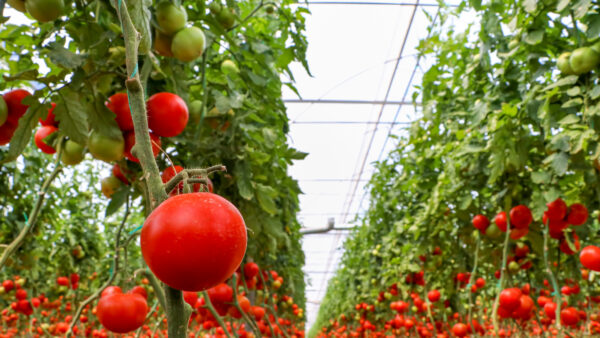
The best-performing tomato lines also recovered more quickly following drought while maintaining high biomass and water-use efficiency.
Surprisingly, plants that used more water under favorable conditions were often the ones that recovered most effectively when water became available again. This finding suggests that drought resilience may depend on a plant’s ability to regulate water use strategically rather than simply conserving as much water as possible.
Stomatal Numbers Tell Only Part of the Story
High-performing plants generally had more stomata on the undersides of their leaves. However, the researchers found that anatomy alone could not reliably predict drought resilience.
Continuous measurements showing how plants regulated water throughout the day proved much more informative than simply counting stomata or taking measurements at a single moment.
“Our work shows that a plant’s daily rhythm matters,” said Dr. Gosa. “By measuring how plants respond continuously rather than at a single moment, we can identify resilient varieties much earlier and with far greater precision.”
Findings Could Accelerate Crop Breeding
The researchers believe this approach could significantly reduce the time required to identify promising crop varieties. It could help breeders develop plants that withstand drought while maintaining yield and efficient water use.
Although the research focused on tomatoes, the same strategy could potentially be applied to other crops as agriculture adapts to warmer and drier growing conditions.