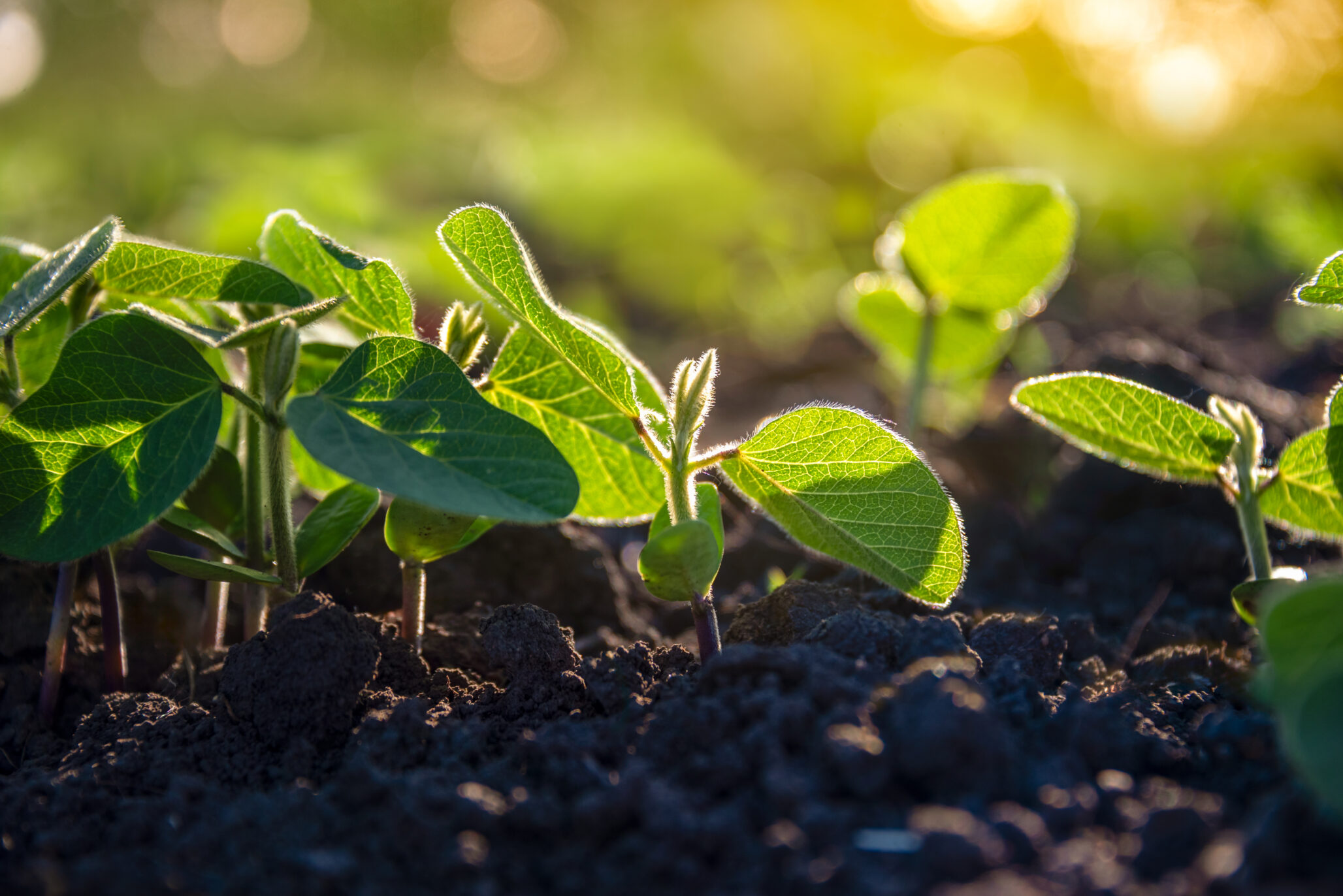
As soybean growers continue to plant earlier into cooler, wetter soils, a seedling’s window of vulnerability expands. For independent seed retailers, helping farmers protect that early-season investment means recommending a seed treatment that offers complete, proven protection without compromising operational efficiency.
Lumisena® Prime fungicide seed treatment, the newest all-in-one seed treatment premix from Corteva Agriscience, simplifies the seed treatment process while helping to maximize early-season plant health and thus resulting in increasing yield potential.
It combines five fungicide and insecticide components into an all-in-one, single-jug solution that relieves the time and stress of chemical mixing. “This custom-developed recipe delivers exceptional quality directly to our customers,” said Karen Lackermann, Corteva Field Biology Leader, North America Seed Applied Technologies.
Rigorous R&D Involves 100+ Field Trials
“Beyond the lab, we conducted three years of field testing across more than 100 unique planting locations representing a broad range of weather stress,” said Lackermann. “Sixty of those 100 trials were categorized as high weather stress with cooler, wetter conditions where seeds take longer to emerge.”
Corteva also implemented production-scale treating equipment directly into environmental chambers to simulate extreme conditions. “From a freezing morning in South Dakota to a hot day in Texas, it needed to deliver consistent performance no matter the environment.”
Broad-Spectrum Efficacy and Disease Defense
Lumisena Prime® establishes itself as the first all-in-one colored formulation featuring Lumisena® fungicide seed treatment.
“How Lumisena Prime really differentiates itself is through its protection against Phytophthora, soybean’s No. 1 early-season yield-robbing disease,” said Andrew Stein, Agronomic and Product Positioning Specialist at Corteva.
Lumisena Prime delivers broad-spectrum defense using four fungicides and one insecticide.
Early-Season Plant Health: Thriving Under Stress
“Seed treatments typically provide 35 to 40 days of protection, which is a crucial window when seedlings are at their most vulnerable,” said Stein.
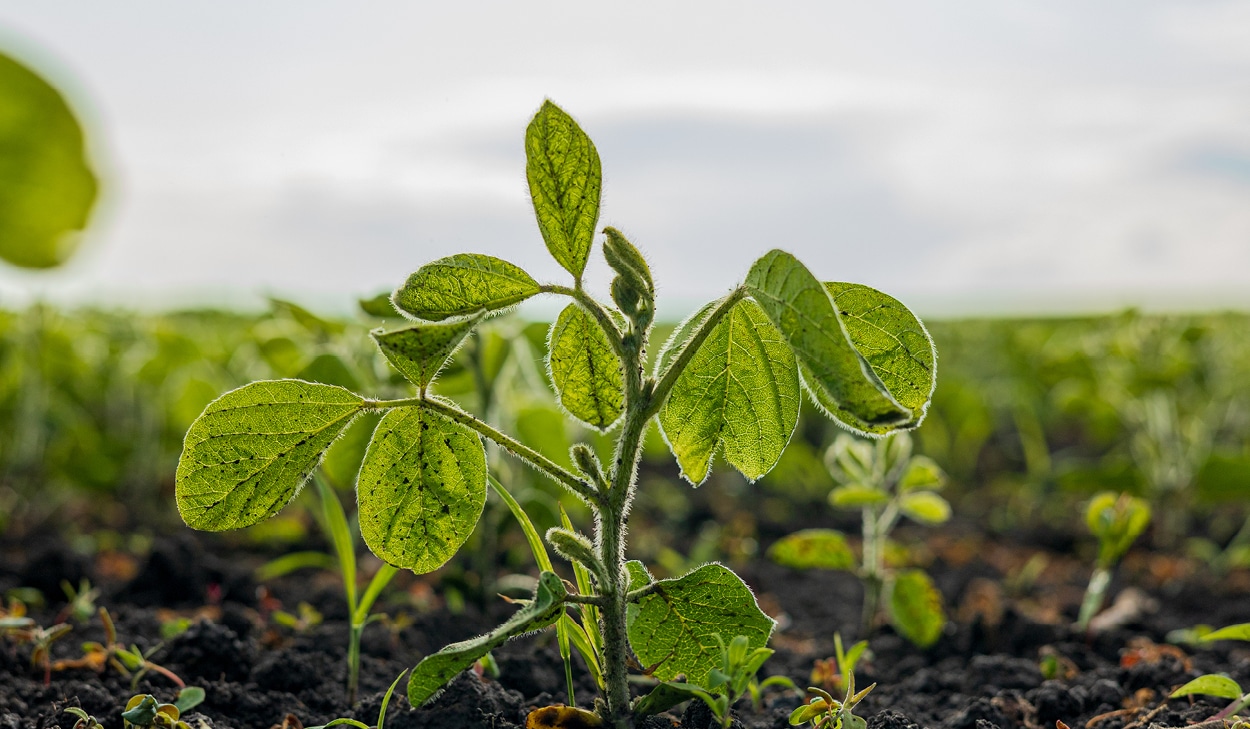
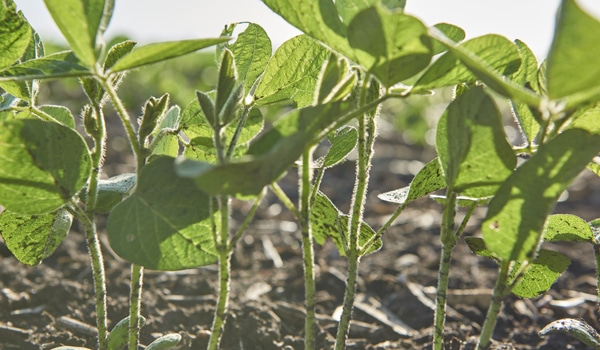
“When we rate our plots using drone monitoring, we’ve observed improved early-season vigor, stand establishment, plant size, and color ratings compared to untreated fields and industry checks.”
Across 100 research locations, Lumisena Prime® demonstrated a +1 bushel per acre yield advantage* across the farm. In high-risk Phytophthora environments, the Lumisena fungicide active ingredient delivers a +4 bu/A advantage* over high-rate Metalaxyl.
Creating Efficiency in the Seed Treatment Process and Planter Box
Beyond field performance, Lumisena® Prime fungicide seed treatment was engineered to eliminate logistical headaches for applicators and farmers. “Without a premix, an applicator might need five dedicated stands on a custom treating setup just to manage all the individual components,” said Lackermann. Lumisena Prime takes up only a single stand, freeing up space to run biologicals, inoculants, or nematicides.
Lumisena Prime fungicide seed treatment combines Corteva seed treatment technology with practical operational efficiency. For seed retailers looking to offer their growers industry-leading early-season protection while streamlining their own treating operations, Lumisena Prime stands out as a clear recommendation.
To learn more, visit the Lumisena Prime website or contact your local Corteva Agriscience representative today.
™®Trademarks of Corteva Agriscience and its affiliated companies. Lumisena® Prime is not registered for sale or use in all states or counties. Contact your state pesticide regulatory agency to determine if a product is registered for sale or use in your state. Always read and follow label directions. © Corteva 2026.
*Lumisena® fungicide data is based on 638 head-to-head comparisons between Lumisena fungicide seed treatment (0.568 fl oz/cwt) and Metalaxyl (0.75 fl oz/cwt) in the top soybean-producing states through Dec. 12, 2017. Comparisons were made utilizing the same soybean variety.