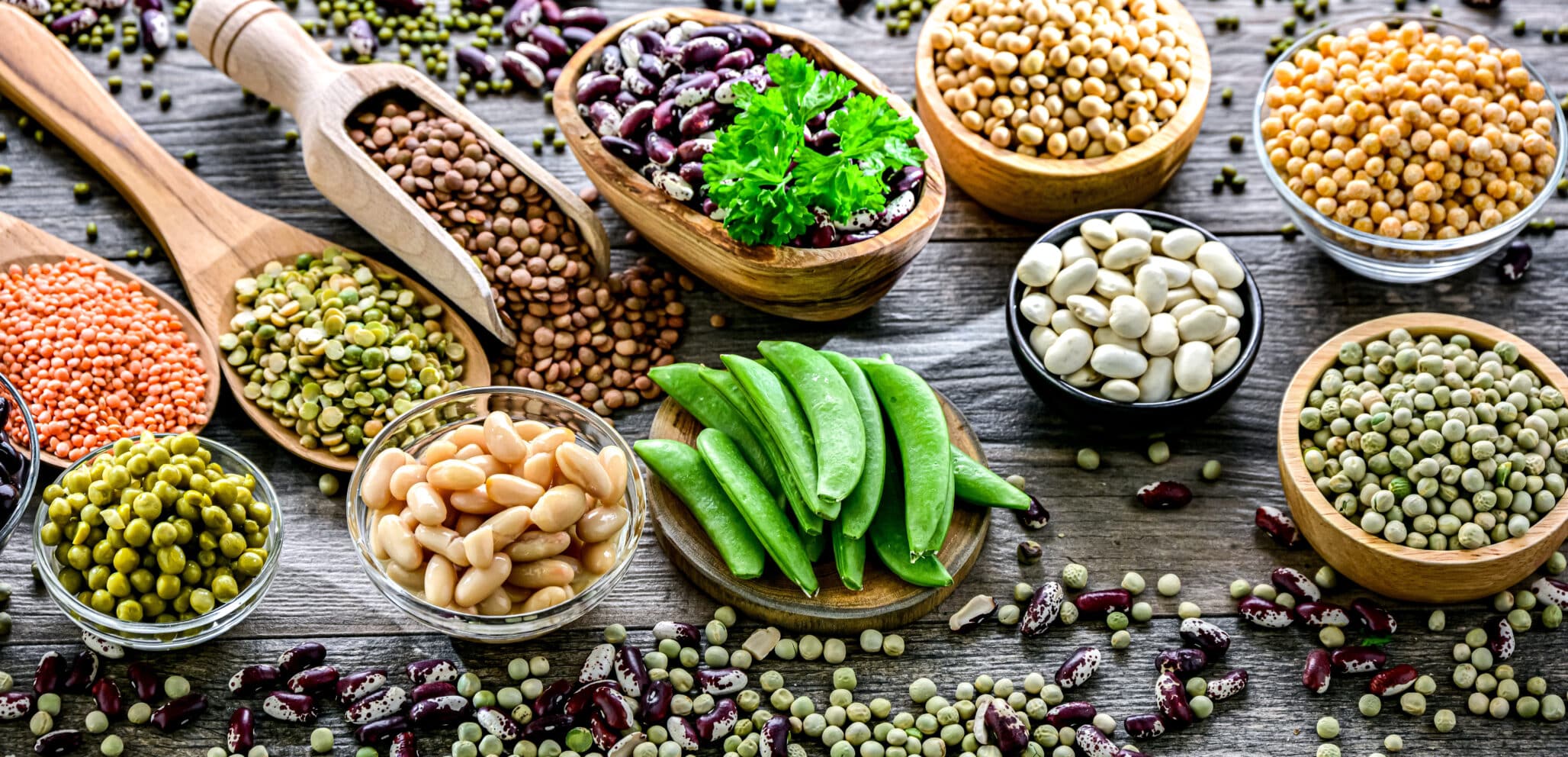
A new €4 million research programme will explore how rapeseed, legumes and potato side streams can be transformed into ingredients people actually want to eat.
Wageningen researchers are leading a six-year project to turn protein-rich side streams from crop processing into foods for human consumption.
The Dutch Research Council has awarded nearly €4 million to the consortium behind Valorising Agricultural Crop Side Streams into Consumer Foods (VASCO). The project brings together researchers, food companies, retailers, growers, policymakers and other supply chain partners.
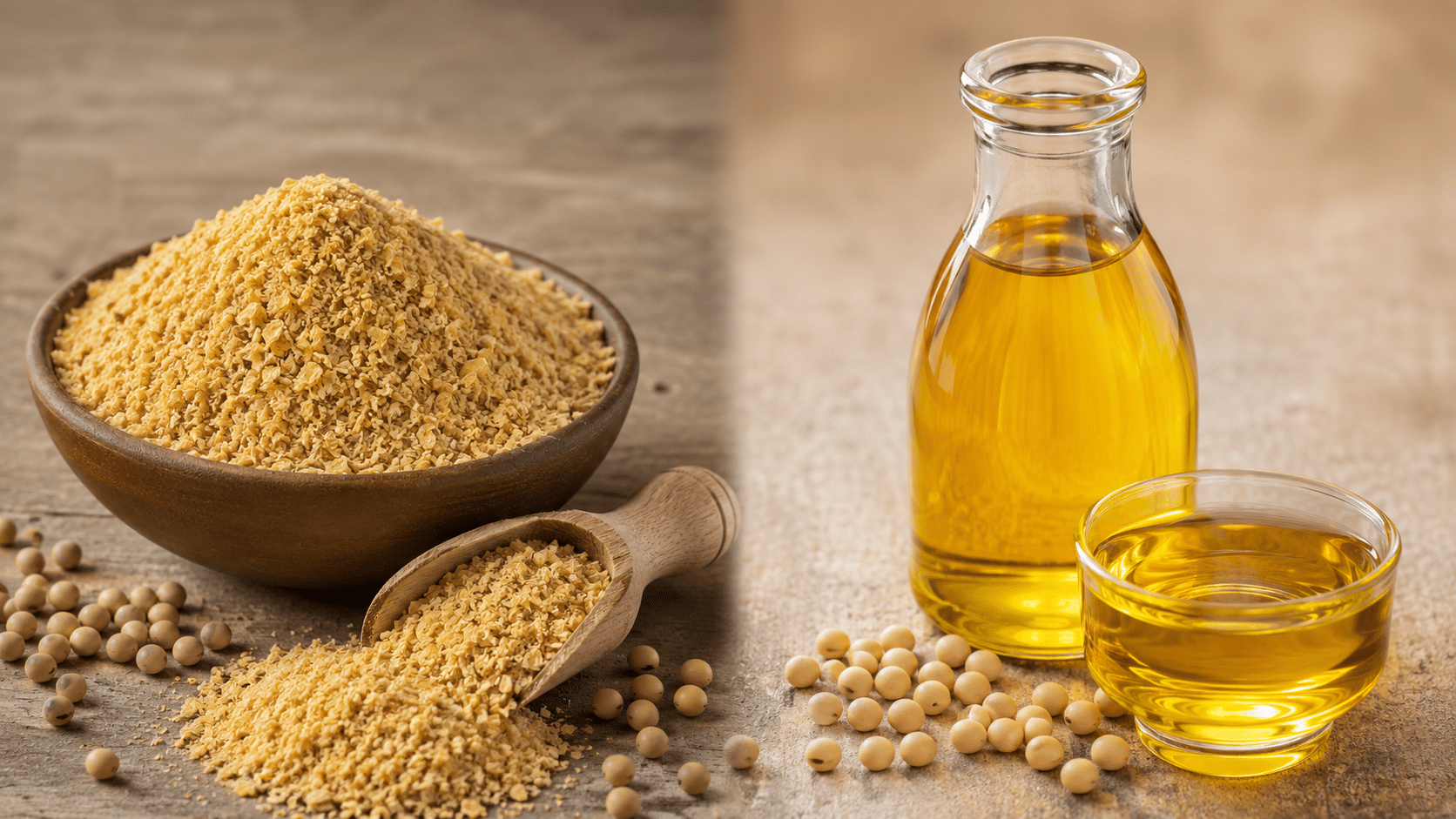
Agricultural crop residues are often used for animal feed, biogas production or other lower-value applications despite containing valuable proteins. Rapeseed cake, for example, contains about 30 per cent protein but is rarely used in food for humans.
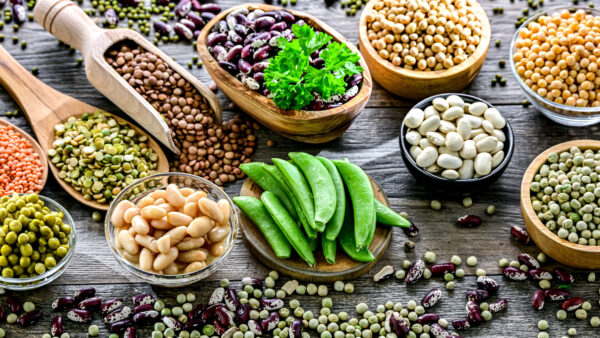
Parts of legume processing streams also go unused. “Around twenty per cent of these products is discarded because the colour or shape is not quite right, or because of poor logistical coordination in the supply chain,” says Heidy den Besten, Personal Professor at Food Microbiology.
Through VASCO, Den Besten and the project partners aim to demonstrate how processing technologies can transform these materials into a new generation of food products, according to a press release.
Extracting and Fermenting Proteins
The project will focus on side streams from legumes, rapeseed and potatoes. Researchers will use protein extraction and fermentation, either separately or together, to convert the materials into food ingredients.
Sustainable separation methods will be used to recover proteins from the raw materials. “We will partly use dry fractionation, which is much more sustainable than conventional wet extraction,” explains Den Besten.
Researchers will also use bacteria and fungi to ferment the side streams. These microorganisms can remove undesirable compounds, including glucosinolates and phytic acid, while improving taste and aroma.
Some bacteria can also produce vitamins typically associated with animal products, such as vitamins B12 and K2. The researchers hope to use these microorganisms to improve the nutritional value of the resulting foods.
Developing Market-Ready Foods
The research is expected to produce ingredients for meat alternatives, as well as spreads, snacks and fermented foods similar to tempeh.
For potato side streams, researchers will investigate whether the materials can be used to grow protein-rich fungi. The side streams would feed the fungi, whose protein could then be incorporated into food products.
Because the consortium is concentrating on products that are relatively close to market readiness, consumers will be involved from the beginning. Researchers will examine what consumers want to eat, which formats appeal to them and which concepts have the best prospects in supermarkets.
Addressing Supply Chain Barriers
VASCO brings together participants from across the supply chain to examine why promising food innovations often fail to reach the market.
“Companies are often only willing to invest once there is sufficient demand, while supermarkets will only stock products when they know there is a reliable supply,” Den Besten explains.
The partners will identify the main barriers to commercialization and determine what changes are needed to bring products made from crop side streams to consumers.
“You need more than just researchers,” she says. “We also need to bring producers, retailers and policymakers together. That increases the chances of achieving real change.”
Building a Model for Other Crops
The consortium includes four universities, two universities of applied sciences, three vocational education institutions, nine companies, a crop growers’ cooperative, four network organizations, a government institution and a European lobbying organization.
In addition to scientific findings and new food products, the project will produce teaching materials, an online course and knowledge-exchange opportunities for vocational, higher professional and university students.
“If the preparation process is any indication of how the project itself will go, it can only be a success.”
Den Besten hopes the project will ultimately provide a model for developing food products from other agricultural side streams.
“We want to show how you can really get this transition underway. If this works for side streams from legumes, rapeseed and potatoes, it could serve as an example for side streams from other crops,” says Den Besten.