A new €5.5 million Horizon Europe project aims to strengthen farm resilience by expanding home grown protein crops and building viable local routes from field to feed.
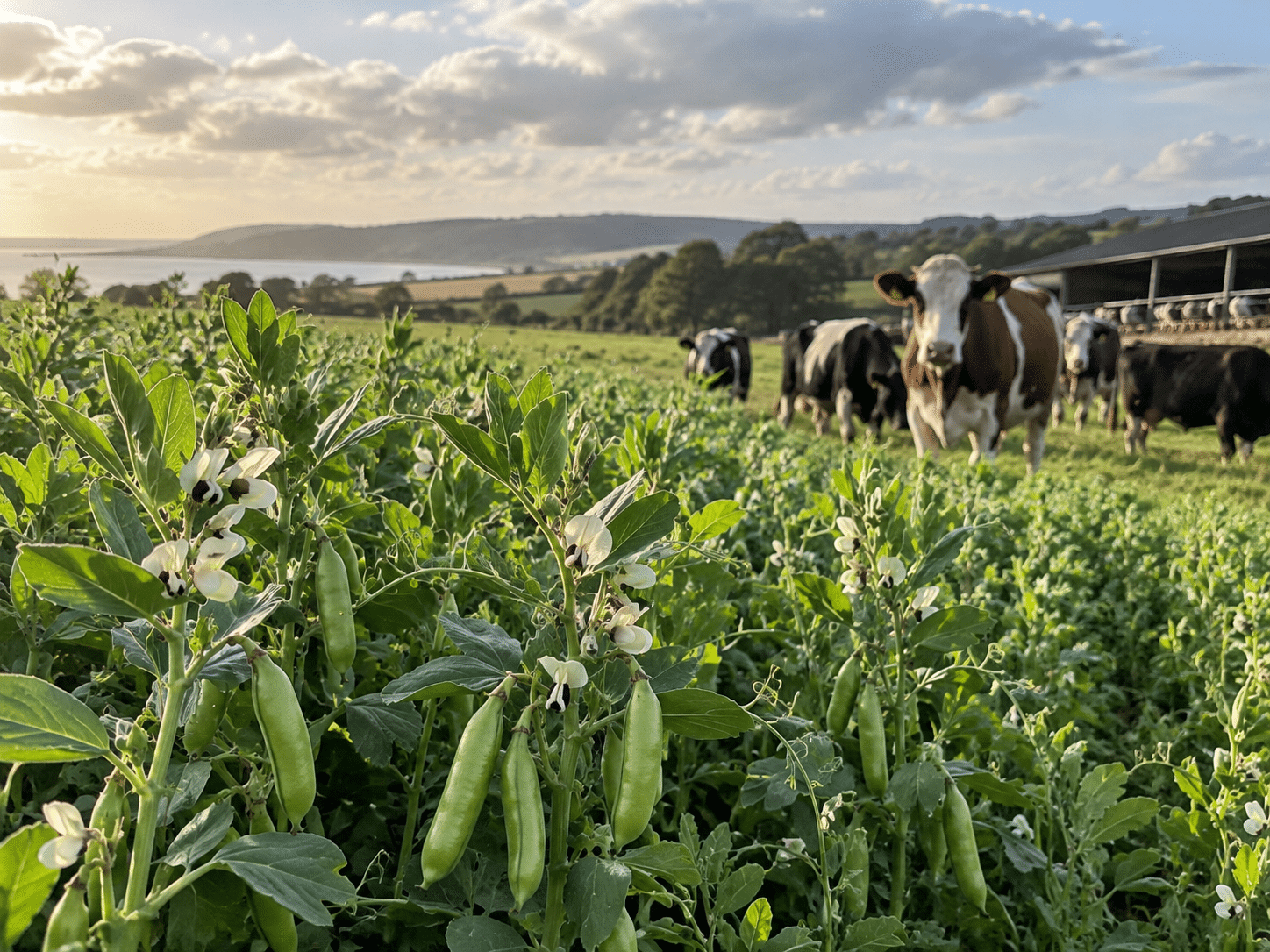
A new €5.5 million research project aims to strengthen European protein crop production by connecting growers, processors and livestock farmers to develop more resilient and economically viable feed systems.
The PROCEED project, funded by the European Union’s Horizon Europe programme, brings together 20 partners from 12 EU countries and the United Kingdom, including the James Hutton Institute. Beginning in September 2026, the five-year initiative will focus on grain and forage legumes as alternatives to imported protein feeds such as soybean meal, according to a press release.
Connecting Crop Production With Local Processing
PROCEED has two closely linked goals: increasing and stabilising the yields of European-grown protein crops and developing cost-effective local and regional processing systems that convert those crops into high-quality livestock feed.
The James Hutton Institute will help establish a network of 11 regional Practice Hubs across Europe and support the UK hub. These hubs will connect farmers, processors, feed businesses and researchers with pilot studies testing approaches under real farming and supply-chain conditions. The studies will also identify practices with potential for wider adoption.
Professor Pietro (Pete) Iannetta of the James Hutton Institute, PROCEED’s deputy scientific co-ordinator, said, “Europe needs more than higher protein-crop yields; it needs viable routes from field to feed. PROCEED will bring growers, processors, feed businesses and livestock farmers together to build the business relationships and locally adapted supply chains needed to improve farm profitability while reducing dependence on imported protein and synthetic nitrogen fertiliser. If these systems are to reach commercially meaningful scales, effective policy and targeted investment will also be essential.”
Reducing Dependence on Imported Protein
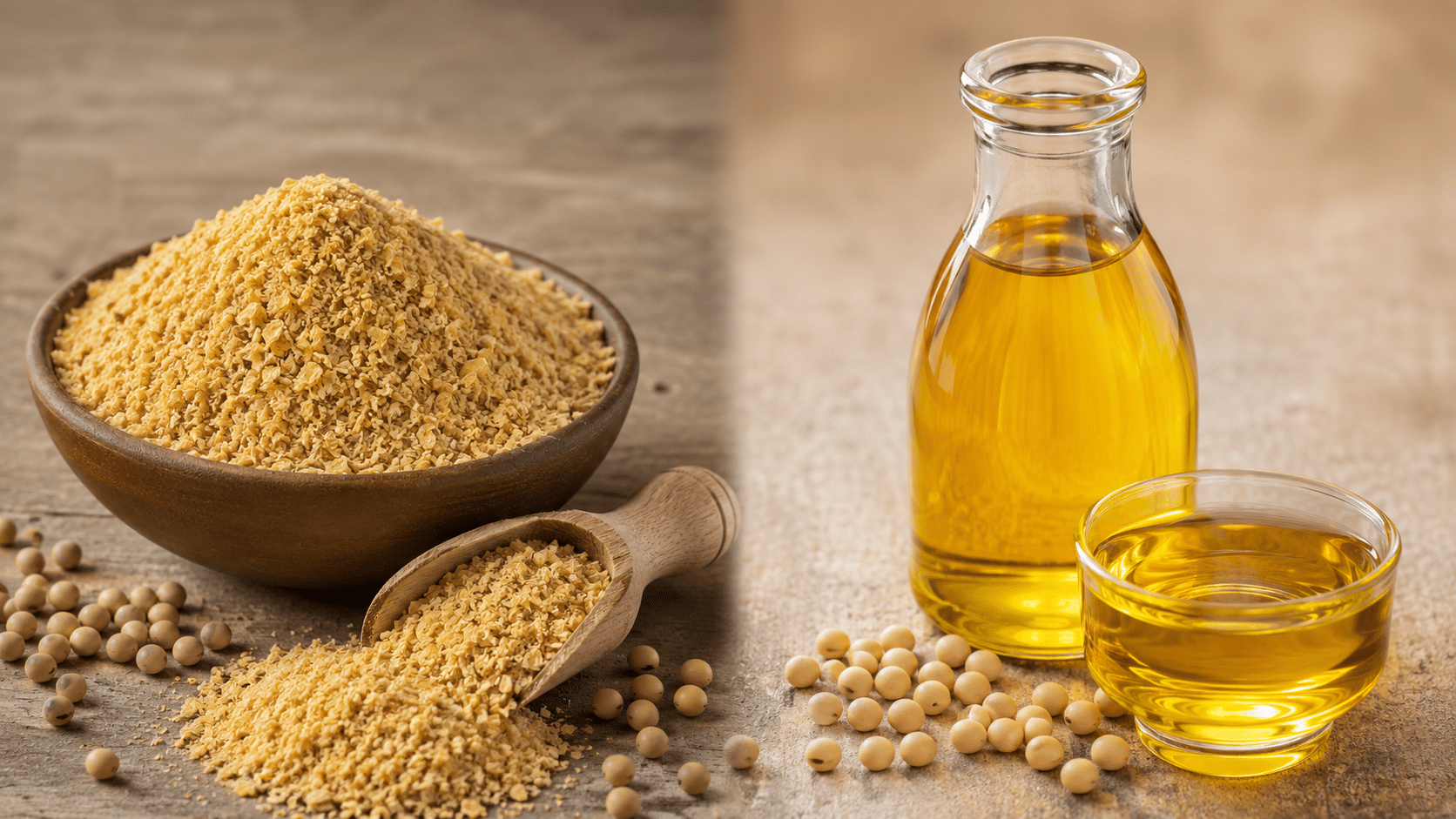
Around 25% of the crude protein used in EU animal feed is imported. Soybean and soybean meal account for approximately 72% of that imported protein supply, leaving livestock feed systems exposed to trade disruptions, price volatility and climate-related production shocks.
Associate Professor Pietro Goglio of the University of Perugia, PROCEED’s scientific co-ordinator, said, “Across Europe, livestock production remains heavily dependent on imported protein feed, while limited home-grown protein-crop production leaves livestock systems exposed to international market, trade and climate shocks. Locally produced grain and forage legumes can help reduce these vulnerabilities while creating new opportunities for European farmers and rural economies.”
Building Resilience With Legumes
More frequent droughts, heatwaves, intense rainfall and flooding are increasing production risks and costs for European agriculture.
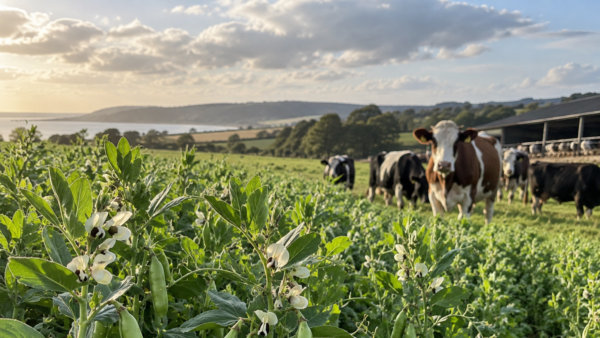
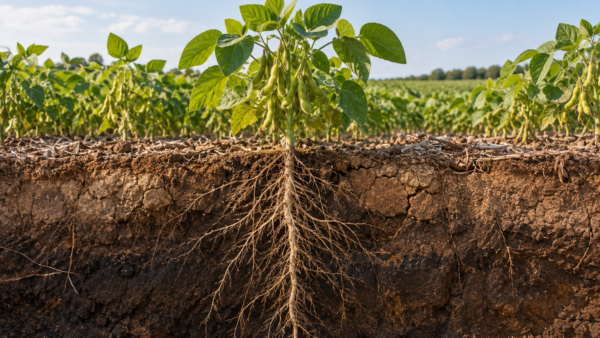
Grain and forage legumes could help address these pressures while supplying protein for livestock feed. Through their relationship with nitrogen-fixing soil bacteria, legumes obtain nitrogen from the atmosphere, reducing their need for synthetic nitrogen fertiliser and the associated greenhouse gas emissions.
Legumes can also improve soil functions, increase biodiversity and support pollinators. By combining these benefits with more reliable yields and viable processing options, PROCEED aims to make home-grown protein crops a stronger component of European farming and feed supply chains.