Discussing protein goes beyond mere nutrition. The production of both animal and plant-based proteins involves significant organizational, economic, environmental, and — consequently — political considerations.
Producing animal proteins (dairy products, meat, fish and eggs) is expensive and entails high water usage and a significant environmental impact. For these reasons, and to reduce import dependency, there is a drive to expand the use of European-produced proteins in the animal feed industry.
Furthermore, for health reasons, efforts are being made to steer adults towards preferentially consuming plant-based proteins in their diets. Today in Europe, the protein source in the human diet is around 60% animal-based (and probably rising) and 40% plant-based.
Consequently, the EU drafted an Action Plan — approved in July 2026 — aimed at boosting domestic production. This is a matter of strategic security and a potential opportunity for our agricultural and seed sectors, given that global consumption of alternative proteins could increase more than sevenfold by 2035, according to a recent international study.
The Protein Balance

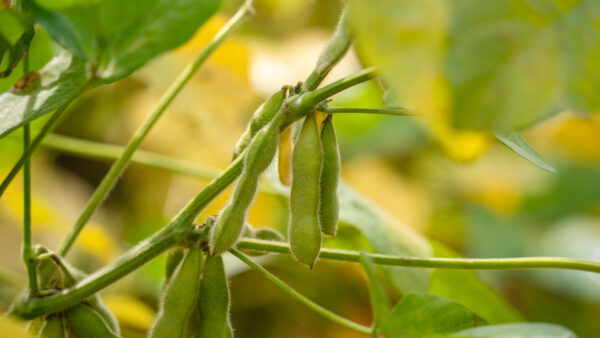
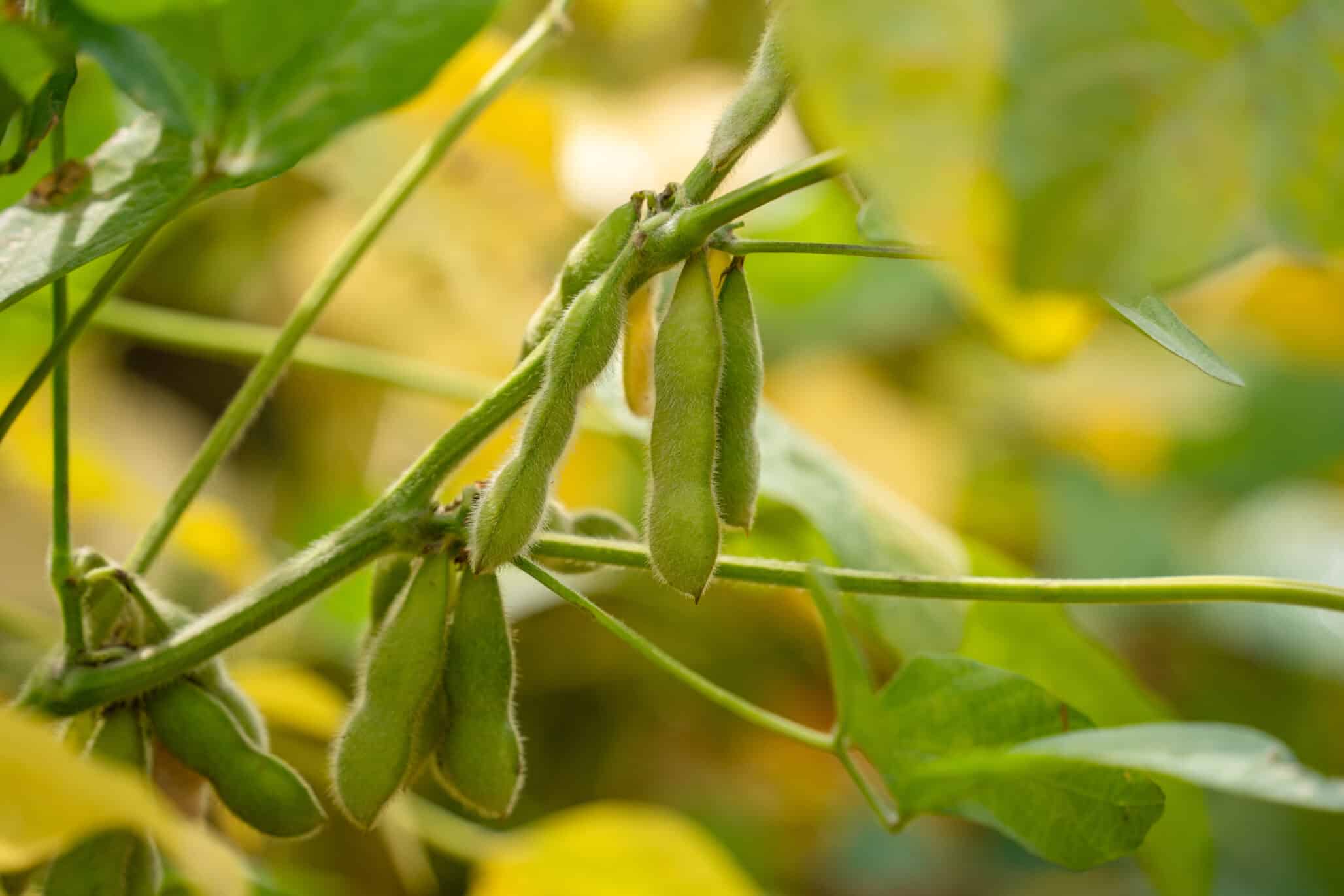
With regards to the protein supply for feed, Europe currently faces a high dependence on import. The EU produces a significant amount of plant proteins, but mainly in the form of roughage and cereals, i.e. of low- to medium-protein content products. The EU’s production of protein-rich plants depends on soybean and pulses and represents a small (3,3%) share of the total, even if it increased in the two past decades.
The EU’s self-sufficiency rate for soybeans — the sector’s weak link — stands at approximately 18%. Against a consumption level exceeding 17 million tonnes, production in 2025 amounted to just over 3 million tonnes. Consequently, a large share of protein requirements (particularly for animal feed) is met through imports of raw materials from non-EU countries. This entails a substantial expenditure that weighs heavily on the EU’s trade balance and is subject to significant economic volatility.
Furthermore, the influx of raw materials — primarily soybeans — from Brazil, Argentina, and the United States means that the biggest proportion of the products originates from GM crops, which are very widely cultivated in those countries.
In other words, our livestock farms have long been consuming large quantities of those GMO products — crops which cultivation is banned across much of the EU, though their importation certainly is not. Such imports take place entirely legally, even though it runs counter to widespread anti-GMO sentiment. If nothing else, these imports demonstrate that the use of these materials poses no risk to animal or human health, given that no adverse effects have emerged over the course of some 30 years.
The EU Plan
To address the high cost of import purchases and improve food security, the European Commission launched the new Protein Action Plan in July 2026.
The initiative is based on the premise that a heavy reliance on protein supplies not only renders our agri-food system vulnerable to global market fluctuations but also hampers the ability to mitigate supply chain risks and limits progress towards sustainability.
The goal is to reduce Europe’s dependence on imported high-protein feed and strengthen European food sovereignty, in alignment with EU climate objectives. The aim is to raise by 2035 the share of EU-produced protein used for animal feed to the benchmark of 35%, up from the current 25.8%.
The agronomic and environmental benefits of cultivating legumes are also significant. The nitrogen-fixing properties of protein crops help reduce the need for fertilizers — particularly relevant given rising costs and supply chain tensions — as well as lowering agricultural emissions.
The Plan comprises a series of measures, integrating support policies, investments in research, and processing facilities. Approximately €190 million has already been invested in European protein research (Horizon programs), covering areas such as plant breeding, seeds, fertilizer reduction, and biomass valorization.
The budget for the upcoming CAP post-2027 is expected to introduce specific incentives to stimulate protein crop cultivation and cover investment costs — such as machinery and operational adjustments. The strategy focuses on mechanisms like coupled subsidies, the introduction of carbon credits and the promotion of legumes and alternative crops. And finally, efforts will be made to reconcile the environmental sustainability of livestock farming with the economic stability of the livestock sector.
There is no shortage of criticism: the 35% target is a non-binding one; the planned funding relies on existing instruments rather than a dedicated budget line; the plan focuses primarily on livestock farming instead of more decisively promoting diversified diets for people, and soybean production is unsatisfying in many areas.
Nevertheless, it remains a significant card that many farmers can play to improve farm profitability and sustainability and an occasion of development for the seed sector as well.
Franco Brazzabeni is a marketing consultant in the international agribusiness, member of Assosementi and of ISF Groups and writes a blog on www.agrinotes.it.