In Canada’s North, growers aren’t chasing scale—they’re searching for the right genetics. As climate change reshapes agriculture, that mindset is attracting new attention.
In most of Canadian agriculture, bigger is usually better. Bigger farms. Bigger yields. Bigger equipment. The Yukon doesn’t have that luxury.
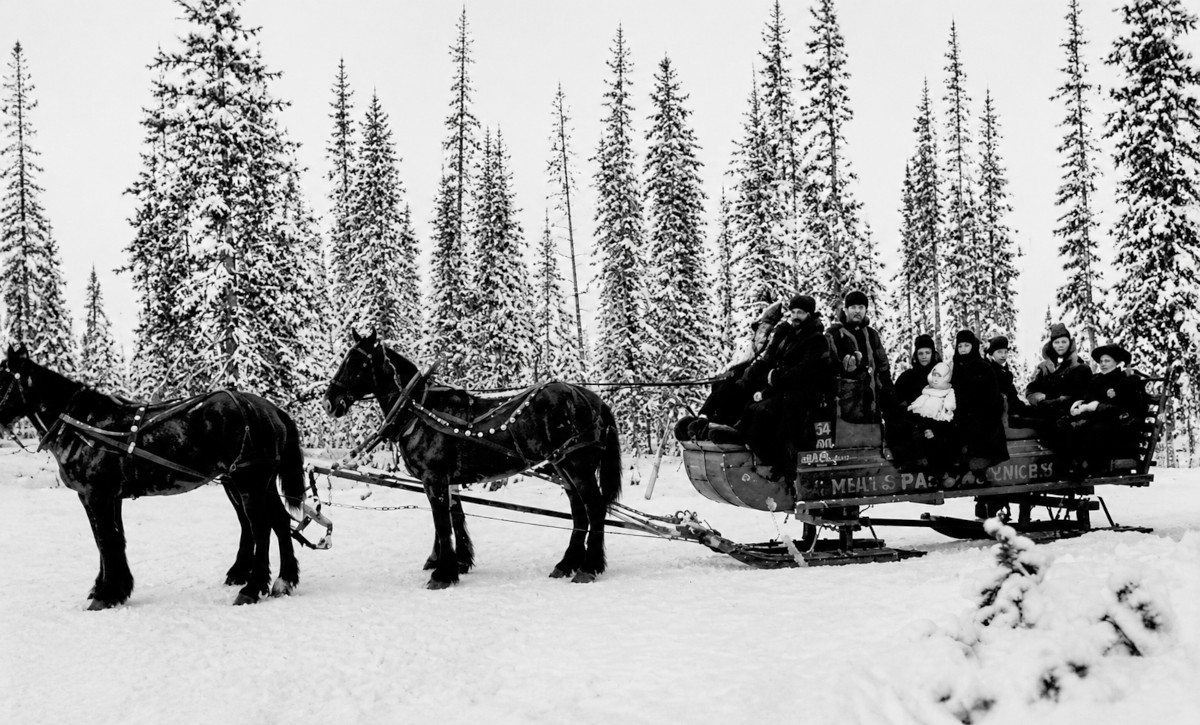
With growing seasons that can last as little as 60 to 90 days and less than two per cent of the territory suitable for conventional agriculture, success depends less on acres than on finding crops and genetics that can survive where few others can.
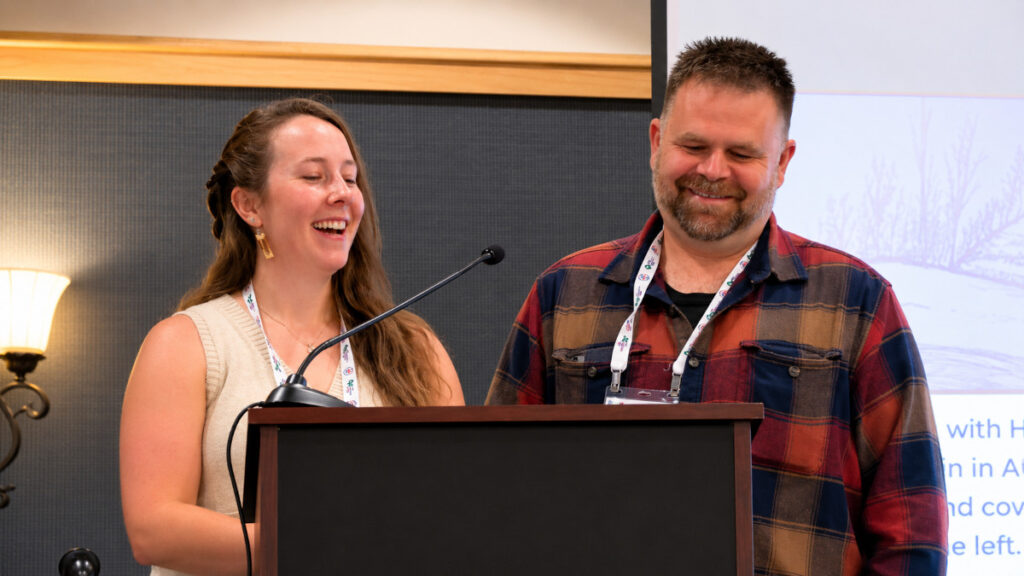
“We’re not limited by what we can grow here,” Yukon Agricultural Association president Cain Vangal told delegates attending the Canadian Seed Growers’ Association annual meeting in Whitehorse yesterday. “We’re limited by the scale at which we can do it.”
That distinction has become increasingly important as climate variability forces breeders and seed developers to think differently about adaptation.
Throughout the Yukon, producers spend years identifying varieties capable of thriving in northern conditions. One potato producer eventually settled on a Siberian variety after testing numerous alternatives. Others rely on cold-tolerant genetics, careful seed selection and maturity timing to ensure crops finish before early frosts arrive.
“Seed selection is a critical element when deciding which crops to grow,” said Yukon Agricultural Association executive director Hanna Fish.
That emphasis on genetics reflects a reality northern producers know well: management can only compensate so much if the variety isn’t suited to the environment.
A Different Definition of Innovation
The conversation in Whitehorse highlighted a version of agricultural innovation that looks very different from precision agriculture or autonomous machinery. Innovation here often begins with identifying plant material from regions with similar climates.
Vangal pointed to growers looking to places such as Siberia and Norway for ideas, while also experimenting with greenhouse production, irrigation strategies and production systems adapted specifically to northern conditions.
“It’s identifying other areas that are similar,” Vangal said. “Seeing where your problems are similar and doing something totally different.”
Fish said the territory’s constraints have forced producers to become problem-solvers across the entire value chain rather than specialists. Many Yukon farms manage everything from production to direct marketing, while increasingly partnering with local processors, bakeries and butchers to create markets for northern-grown products.
Federal Programs Don’t Always Fit Northern Reality
Fish also argued that many federal agricultural programs fail to account for the realities of northern agriculture. Eligibility requirements designed around southern production systems often make Yukon operations ineligible despite facing higher production costs and unique logistical challenges.
“It’s not necessarily a federal program if not everyone in Canada can access it,” she said.
She also questioned innovation funding criteria that require projects to be “first in Canada,” saying technologies already proven in other northern jurisdictions may still represent genuine innovation under Yukon conditions.
Looking North
As Canada’s ag sector looks for ways to adapt to climate change, both speakers suggested northern agriculture deserves greater attention — not because it will replace production elsewhere, but because it provides an early look at the kinds of adaptation challenges other regions may increasingly face.
For Fish, the conversation ultimately comes back to one question: building agricultural systems that work where they are, rather than trying to replicate models developed somewhere else.
“There are challenges,” she said. “But there are so many opportunities up here.”