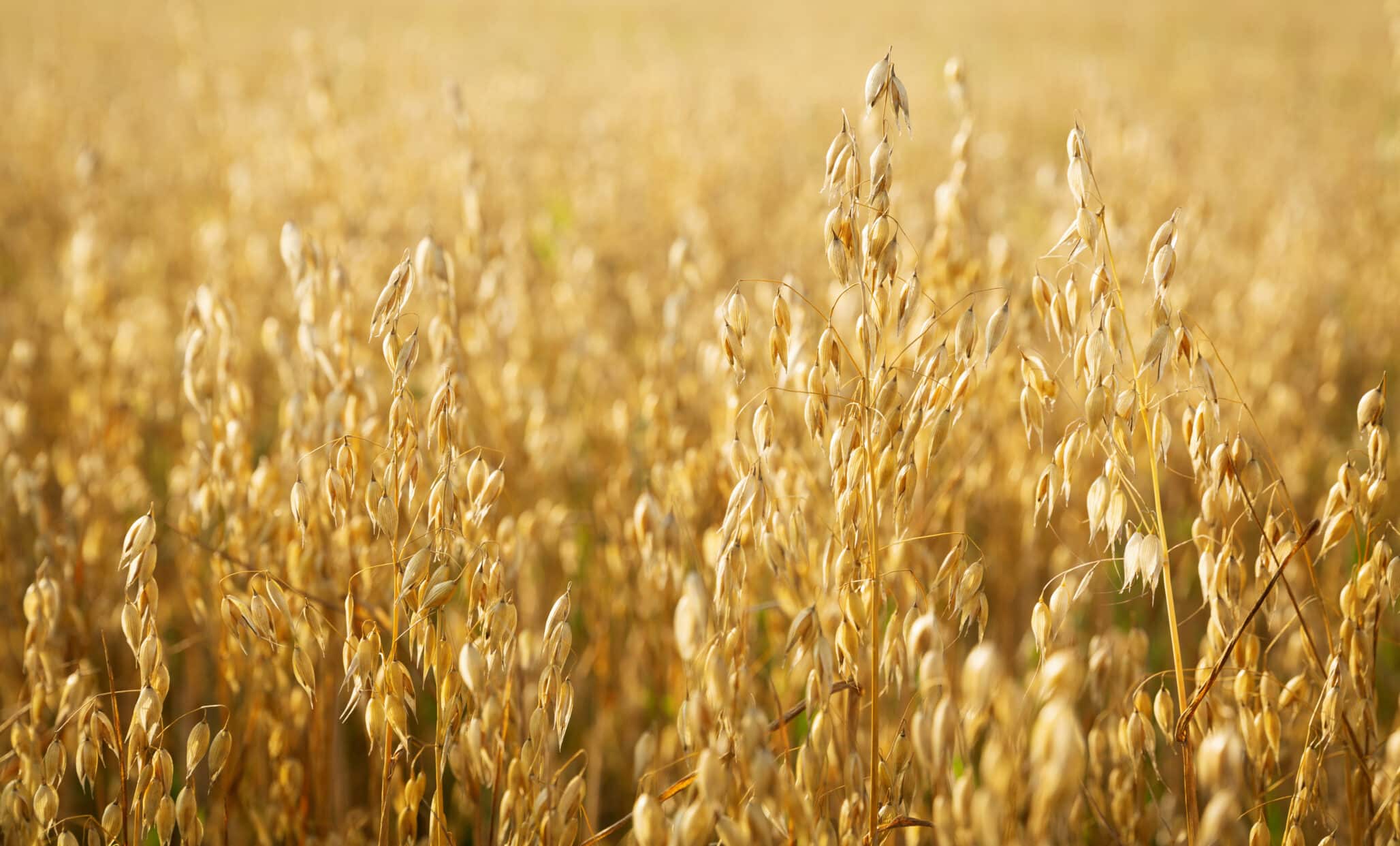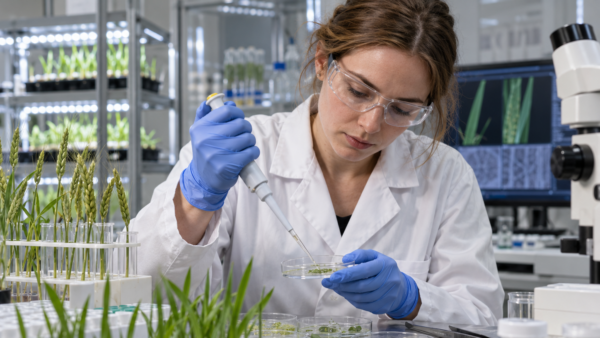
Oats are a key global crop valued for their nutritional qualities and versatility. Scientists from the Technical University of Munich (TUM), Helmholtz Munich, and the Leibniz Institute of Plant Genetics and Crop Plant Research (IPK) have now decoded the pan-genome of 33 oat lines, revealing the crop’s full genetic diversity. This achievement lays the groundwork for breeding more resilient, productive oat varieties better equipped to withstand the pressures of a changing climate.
As temperatures rise, droughts intensify, and new plant diseases emerge, today’s oat varieties face growing threats. Developing crops that can thrive under these shifting conditions requires a detailed understanding of their genetic foundation.
The team’s newly assembled pan-genome captures both the core genes shared by all oat plants and the unique genes found only in some. This comprehensive genetic map provides breeders with valuable insights to improve yield, resilience, and nutritional quality. The research was published in Nature.
Understanding and using Genetic Diversity
The team sequenced and analyzed genomes from oat lines originating in many regions around the world. According to the researchers, the pan-genome thus captures a large share of global oat genetic diversity. “Our results lay a foundation that will help us identify which genes are important for yield, climate adaptation, and plant health,” says Nadia Kamal, Professor of Computational Plant Biology at TUM and a co-first author of the study.
The researchers analyzed 26 cultivated oat varieties — including traditional landraces and older breeding lines — alongside several wild relatives. Incorporating these older and wild lines was essential, as modern breeding efforts have largely prioritized yield, sometimes overlooking traits that could offer advantages under future climate conditions. Many of these valuable traits, such as drought or disease tolerance, may still be preserved in heritage and wild germplasm, according to a press release.
Mapping Gene Activity
Professor Kamal’s team explored how thousands of genes are expressed across different oat tissues and genetic lines, uncovering the crop’s remarkable capacity for adaptation and resilience. Variations in gene expression often reflected the geographic origins of the lines, suggesting that oats have evolved to thrive in diverse environments through finely tuned genetic regulation.
Building on these findings, the researchers assembled a pan-transcriptome for 23 of the lines analyzed in the pan-genome — essentially a comprehensive directory of gene activity that offers new insights into how oats respond to environmental challenges.
“The combination of the pangenome and pantranscriptome opens up new possibilities for breeding oat lines that are both high-yielding and adapted to different climatic conditions,” says Manuel Spannagl from Helmholtz Munich, a co-author of the study.
“Although oats make up a smaller share of the market than wheat, rice, or corn, it’s important not to overlook them in discussions of climate-resilient grains,” Kamal adds. “A broad range of foods benefits our health — and it also helps buffer against potential crop failures in other species.”