
Reflecting on a Lifetime in Wheat Breeding
As Cornell plant breeder Mark Sorrells prepares to retire, he reflects on the students, collaborations and scientific advances that shaped his career.
The Seed Sector Doesn’t Need More Ideas. It Needs Fewer Friction Points
Sometimes the biggest innovation is simply making the system less complicated
The Weight of Trust in Seed Testing
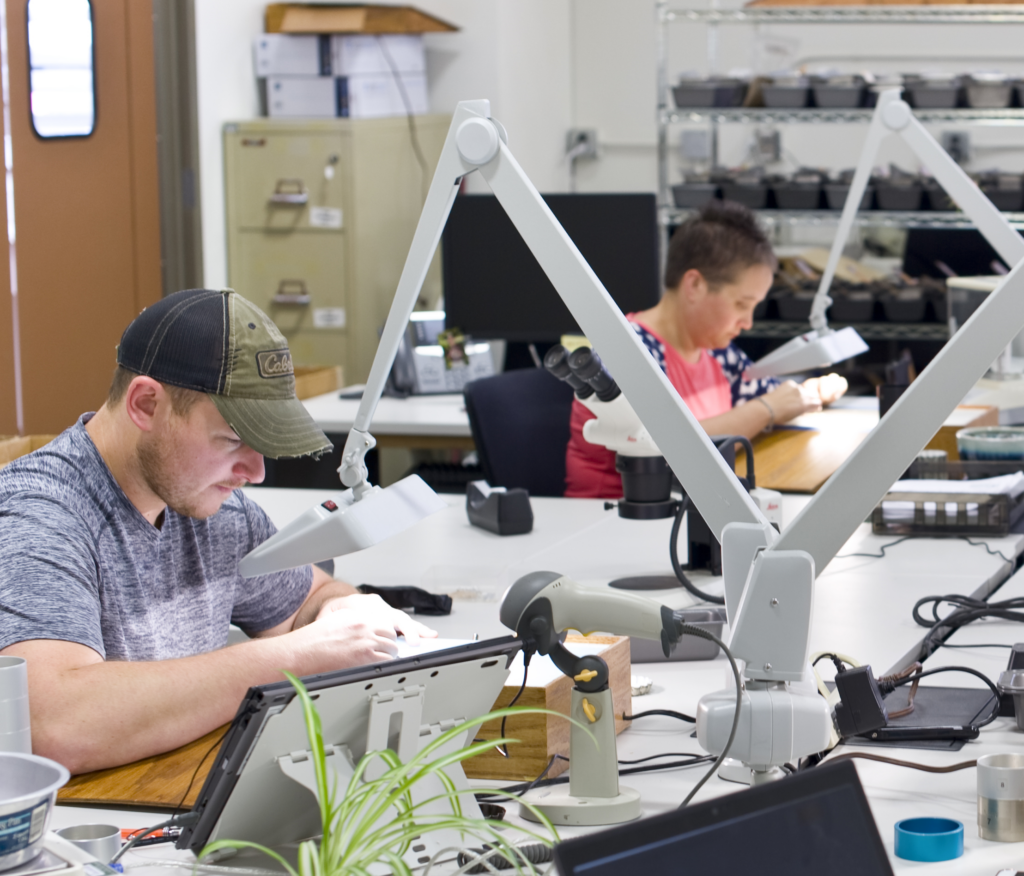
Seed testing is more than laboratory equipment and reports. Heidi Larson of SGS Crop Science reflects on how experience, accuracy and customer trust help protect every seed sample’s value.
UK Approves First Precision-Bred Potato for Market
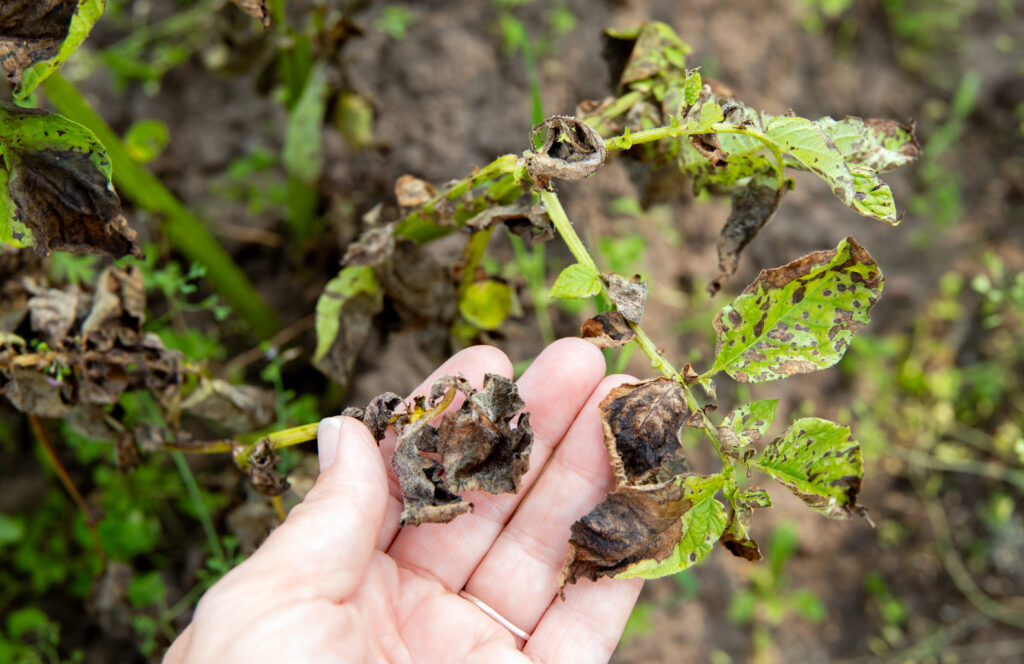
The UK has approved its first precision-bred potato, moving PiperPlus closer to market. The disease-resistant Maris Piper was developed to combat late blight, Potato Virus Y and Potato Leafroll Virus while reducing reliance on fungicides and insecticides.
Commission Excludes Soybean Seeds from EUDR
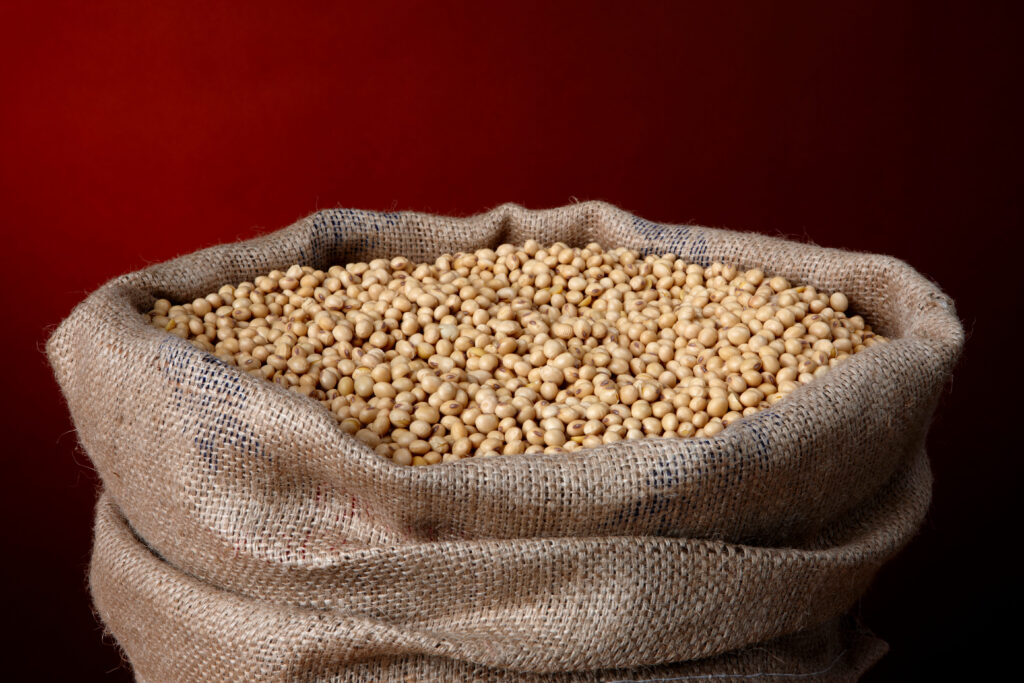
The European Commission has removed soybean seeds EUDR coverage after recognising that seeds for sowing move through a separate, highly controlled value chain with negligible trade volumes and distinct certification, testing and traceability systems.
Simplifying Seed Treatment: New All-in-One Premix Relieves Retailers’ Headaches
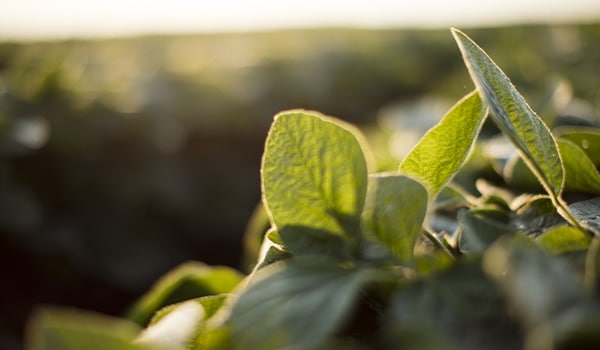
Lumisena Prime fungicide seed treatment from Corteva Agriscience gives seed retailers and dealers an all-in-one premix designed to simplify treating operations, improve application consistency and help growers protect soybean seed investments.
Simplifying Seed Treatment: New All-in-One Premix Relieves Retailers’ Headaches
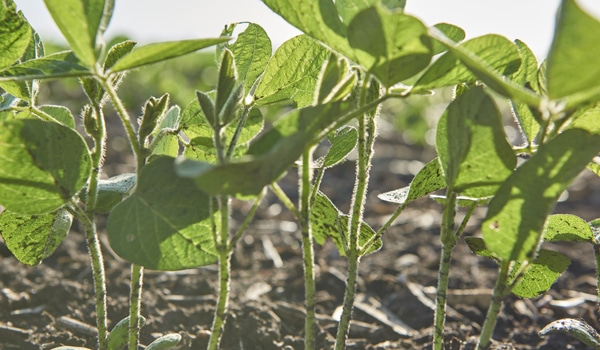
For independent seed companies and ag retailers, the seed-treating window is one of the most demanding times of the year. Balancing operational efficiency, precise chemical mixing, and logistics can create […]
For 25 Years, You’ve Built Trust; the National Seed Health System Helps You Keep It

The National Seed Health System celebrates 25 years of helping U.S. seed companies, laboratories, researchers and regulators protect seed health, support exports and maintain global confidence in American seed.
The Goal Isn’t Better Public Breeding. It’s Better Breeding | On The Brink: Season 2 – Episode 12
![Dr. Francois Eudes, director of research, development and technology at Agriculture and Agri-Food Canada, [seated in interview setting / speaking to camera], discussing AAFC research cuts and plant breeding.](https://seedworld.com/cdn/wp-content/uploads/20260728122022/maxresdefault-25-2-1024x576.webp)
Roughly 80 per cent of Canadian wheat acres carry AAFC genetics, and AAFC is absorbing a 15 per cent budget cut. François Eudes’ answer is not a bigger public breeding program. It is a public sector that concentrates upstream and hands the germplasm out.
Austria Builds Research Station for Climate-Resilient Crops
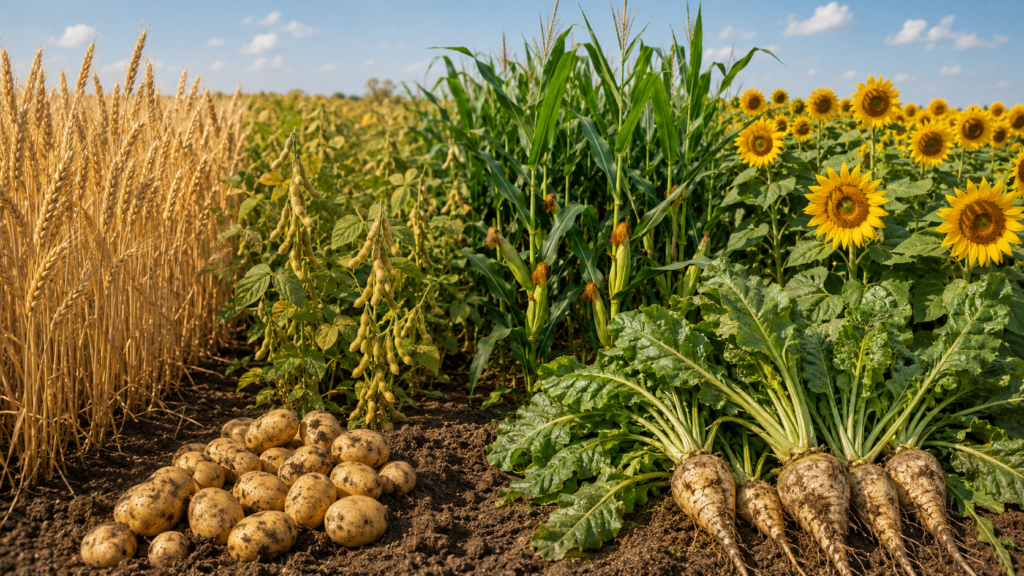
Austria has begun construction of a new AGES research station in Großnondorf to evaluate climate-resilient crops under dry conditions. The site will support variety testing, drought stress research and climate-adapted plant breeding.
Brazil Issues Crop Guidance as El Niño Risks Rise
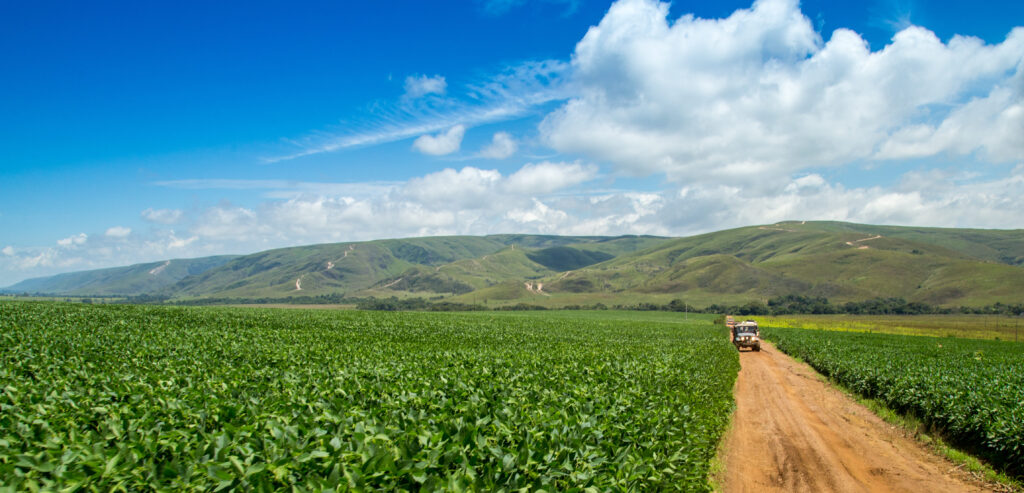
Embrapa researchers are urging farmers to prepare for El Niño in Brazil with measures to reduce risks from heavy rainfall, crop diseases, soil erosion and livestock impacts. The guidance covers grain, fruit, forage, forestry and livestock systems.
USDA Turns to AI to Unlock Germplasm Data

USDA is launching an AI challenge to help researchers turn germplasm data into faster plant breeding discoveries.
Brasil emite recomendaciones ante El Niño

Embrapa emitió recomendaciones para ayudar a los agricultores a prepararse para El Niño en Brasil. La guía aborda riesgos de lluvias intensas, enfermedades, erosión del suelo y posibles impactos en granos, frutas, forraje, silvicultura y ganadería.
One Login, Many Benefits: Rethinking Seed Industry Administration
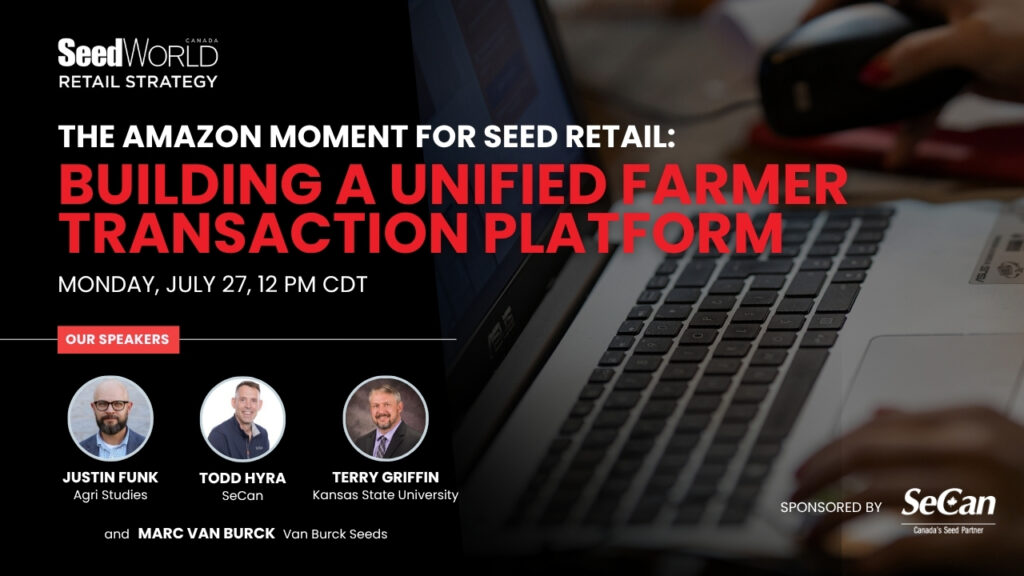
In this webinar, we explore what a unified transaction platform could look like—and why the conversation is gaining momentum
USTR Exempts Planting Seed from New Forced Labor Tariffs
The exemption protects seed moving through global research and production systems from tariffs of up to 12.5% on imports from 60 U.S. trading partners. The Office of the U.S. Trade […]
Brent Collins Reflects on His Time as Seeds Canada President
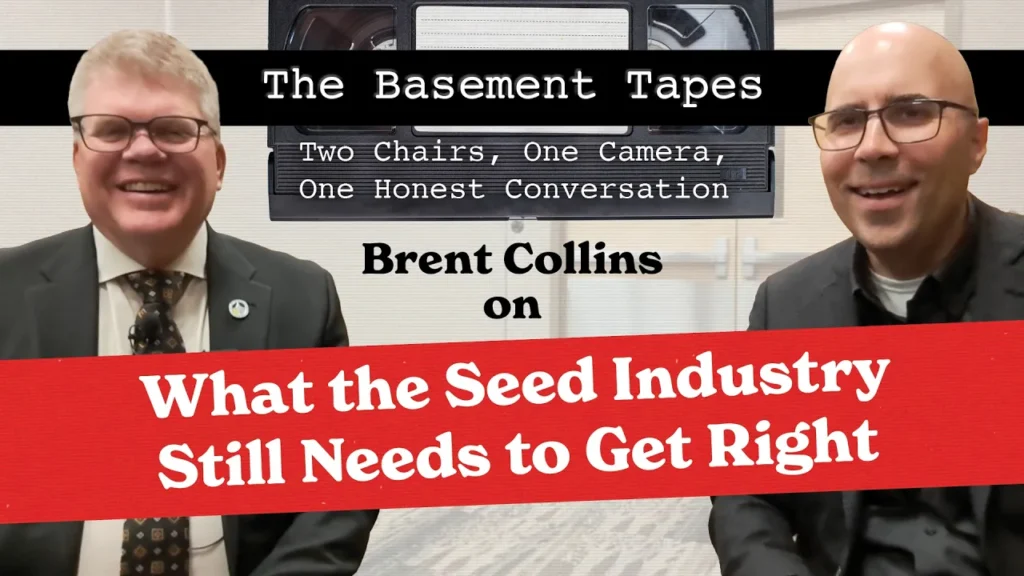
The outgoing Seeds Canada president says the organization has grown into a stronger voice for the seed industry, but seed regulatory modernization remains unfinished business
Euroseeds Welcomes EP Rejection of High ILUC Soybean Oil Proposal
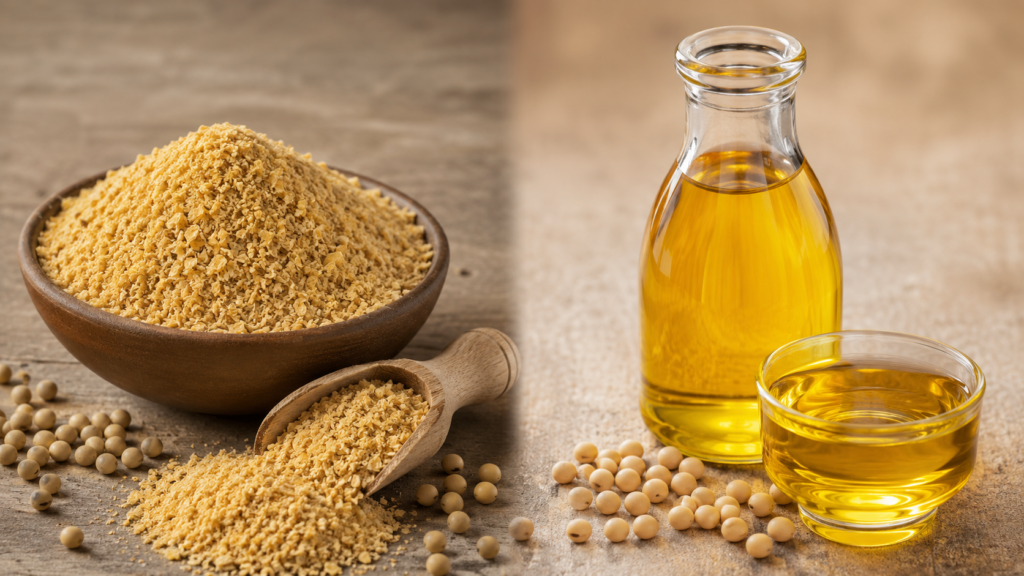
Euroseeds says the European Parliament’s rejection of the soybean oil ILUC proposal is an important step for Europe’s soy value chain, protein crop ambitions and breeding investment, though the policy file now returns to the Commission.
Corn in Patagonia Tests Southern Crop Limits
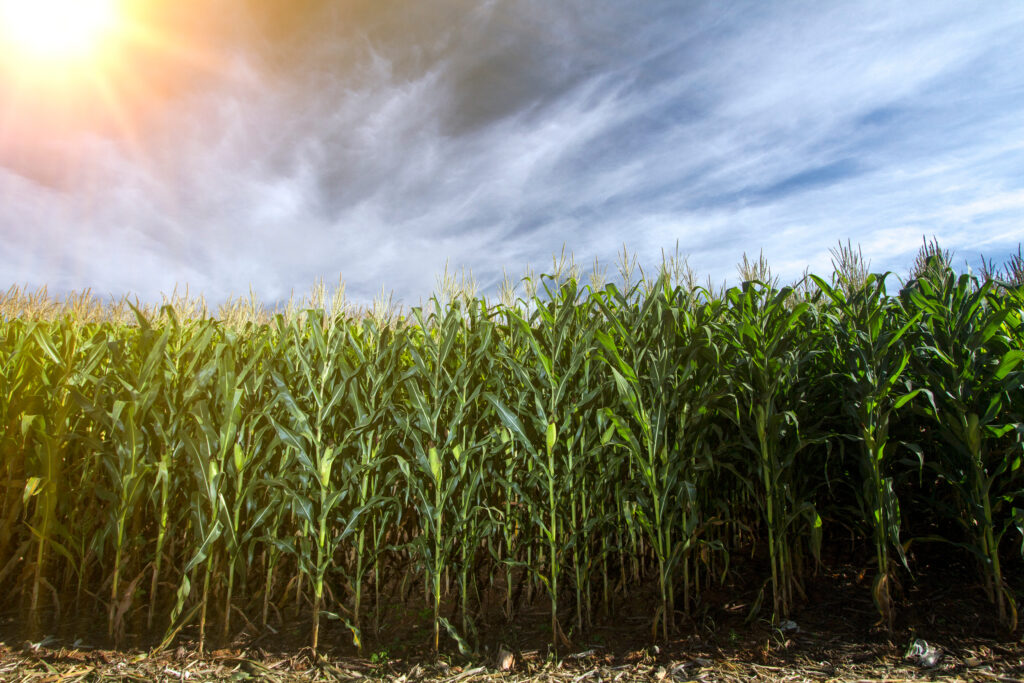
INTA researchers are evaluating corn in Patagonia with early and ultra-early hybrids in Santa Cruz and Chubut. The trials are measuring cold-climate adaptation, grain yield potential and suitability for silage and livestock feed production.
Plant Breeding Needs Better PR and NAPB’s Communications Chair Has a Plan

Hannah Jeffery, incoming NAPB Communications Committee chair, explains how better communication can help the public understand plant breeding.
Scottish Farmers Urged to Plan for Water Scarcity
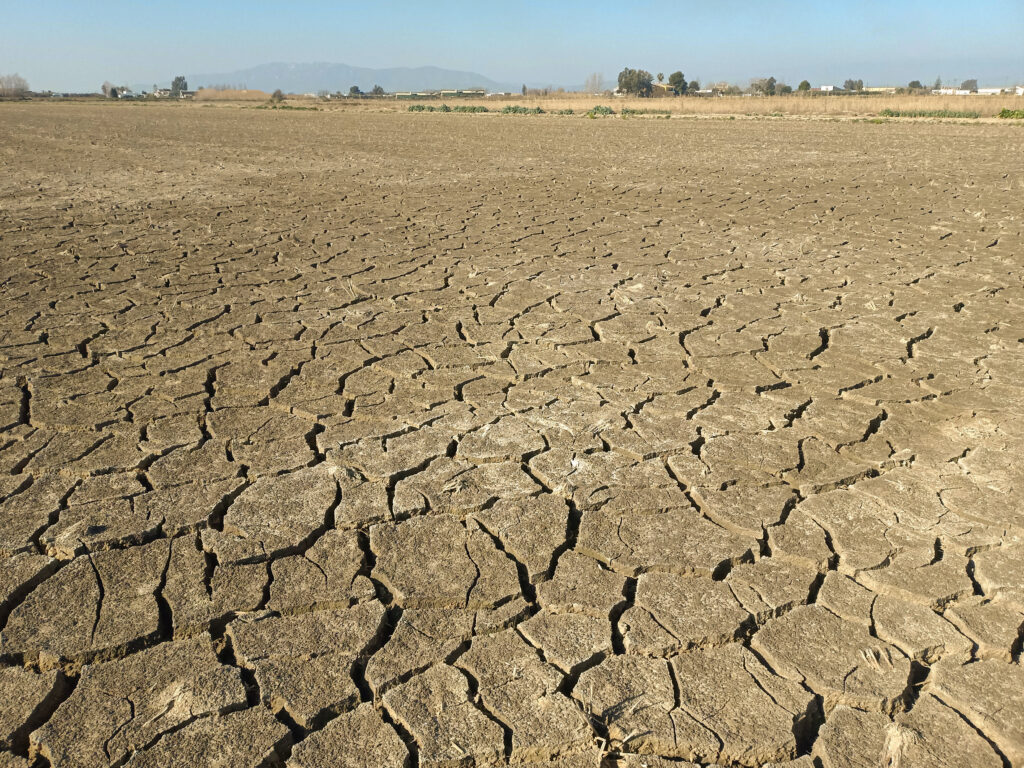
Scottish farmers and growers are being urged to prepare for water scarcity as climate change brings longer and more frequent dry periods. CREW says drought could affect river flows twice as often by 2050, creating new risks for crops, livestock and water supplies.
Maíz en Patagonia prueba nuevos límites australes
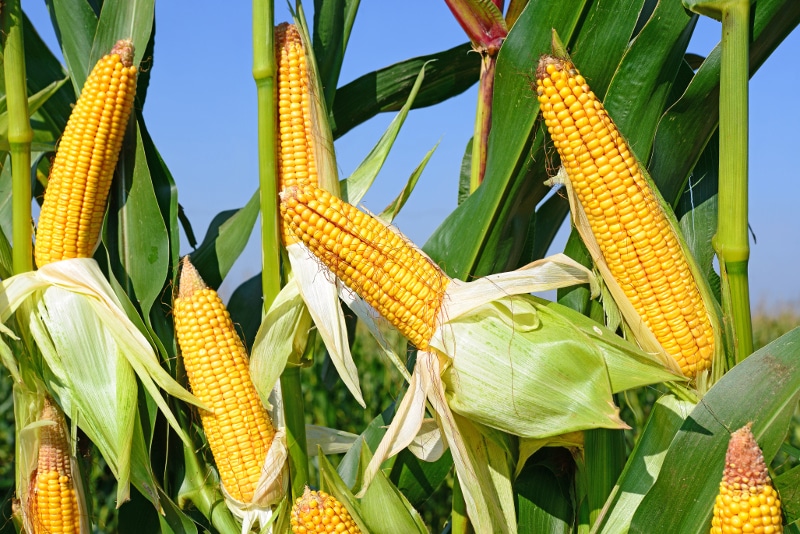
Investigadores del INTA evalúan maíz en Patagonia con híbridos precoces y ultraprecoces en Santa Cruz y Chubut. Los ensayos analizan adaptación al frío, rendimiento de grano y potencial para ensilaje y alimentación ganadera.
The Best Way to Use AI? Think Like a Golfer, Not a Robot

An AI caddy can carry the routine work, offer perspective and speed up ideas, but it should never take the shot for you. The real value remains in human judgment, relationships, planning and experimentation.
The Best Way to Use AI? Think Like a Golfer, Not a Robot

An AI caddy can carry the routine work, offer perspective and speed up ideas, but it should never take the shot for you. The real value remains in human judgment, relationships, planning and experimentation.
The Best Way to Use AI? Think Like a Golfer, Not a Robot

An AI caddy can carry the routine work, offer perspective and speed up ideas, but it should never take the shot for you. The real value remains in human judgment, relationships, planning and experimentation.
That’s the Way I See It – Five Headlines; One Trend
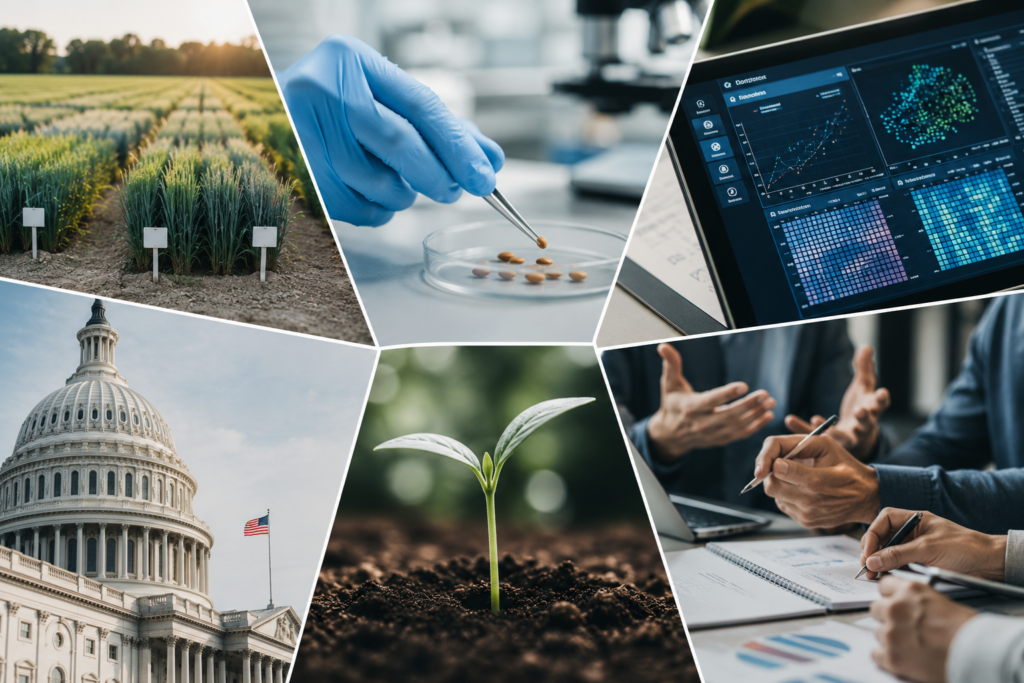
This week’s biggest seed industry stories reveal more than breaking news. They highlight how innovation increasingly depends on commercialization, regulation, intellectual property and business strategy.
Better Pulses Need Better Data. Two Announcements Show How Canada’s Breeding Model Is Changing

New breeding partnership and federal genomics investment position Canada’s pulse sector to accelerate variety development. Canada’s pulse breeding system received two major boosts this week. Alberta Pulse Growers (APG) and […]
The Seed Sector Has a Connection Problem, Not an Innovation Problem
This week’s biggest stories all point to the same conclusion: the people who can make connections between science, infrastructure and farmers will win the future
Biochar May Protect Soil Health in Vegetable Crops
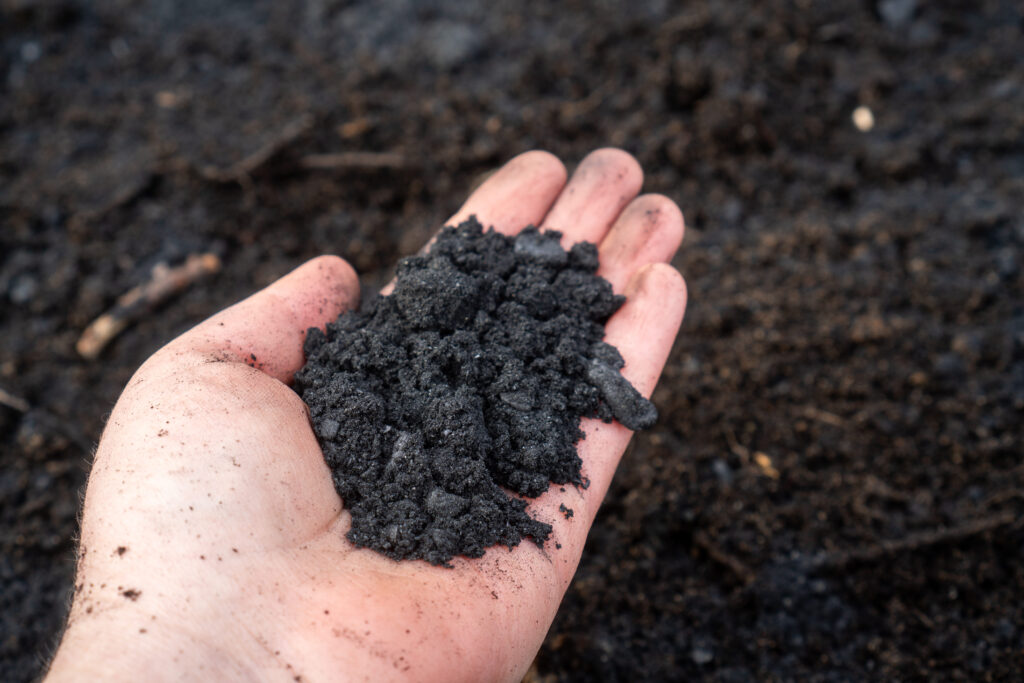
A new review examines how biochar may help protect soil health in continuously cropped solanaceous vegetables, including tomatoes, peppers, eggplants and potatoes. Researchers say biochar may improve soil structure, support beneficial microbes and reduce disease pressure.
Seed Sector 2045: How Low-Input Farming Is Changing Plant Breeding
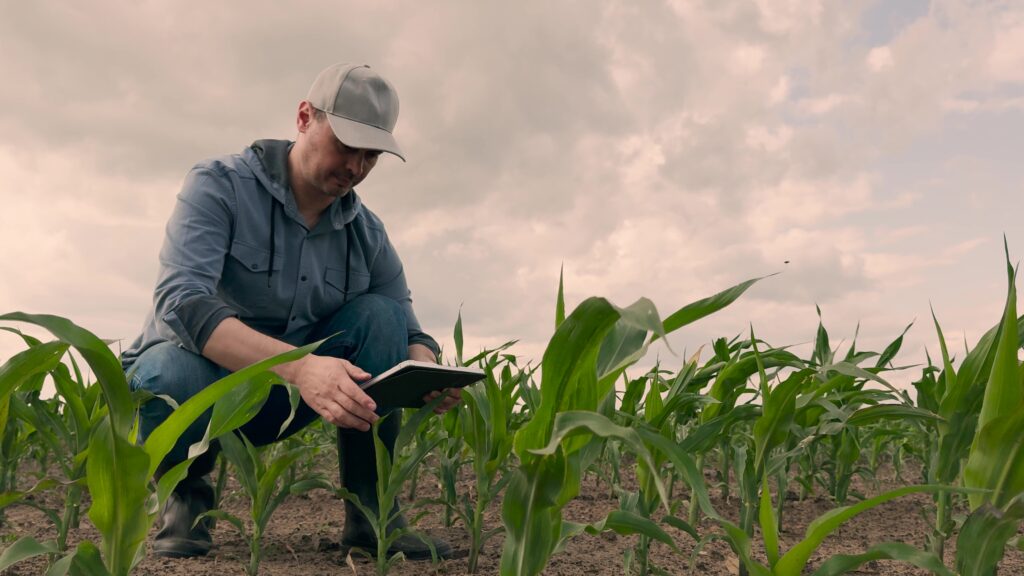
Low-input farming is becoming a strategic priority for European seed companies as farmers face tighter input constraints, reduced plant protection options and rising biodiversity expectations. The shift is increasing demand for varieties with nutrient-use efficiency, durable resistance and stronger system performance.
Farmers Are Building What’s Next | On The Brink: Season 2 – Episode 11

Canada’s wheat breeding system has significant gaps and risks, and recent AAFC cuts make them sharper. Farmer Jocelyn Velestuk, who chairs Sask Wheat and the Canadian Wheat Research Coalition, argues that the farmers already funding the system at a 33-to-1 return should be the ones to lead its redesign.
Mung Bean Pan-Genome Reveals Key Crop Traits
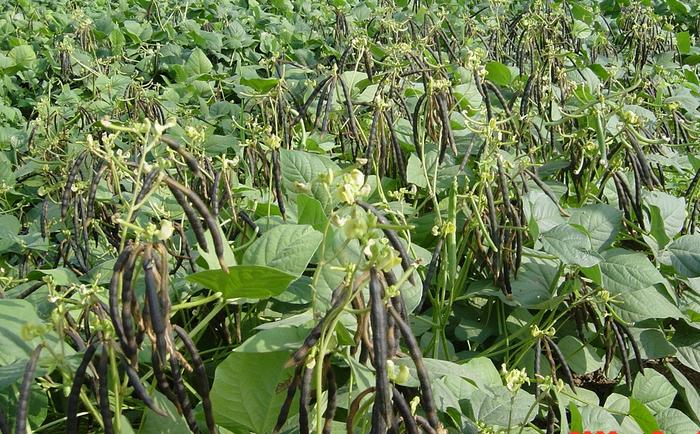
International study maps more than 66,000 structural variants linked to yield, nutrition, insect resistance and other breeding priorities. Researchers have developed the world’s first graph-based pan-genome for mung bean, uncovering […]
A Common Language for Quality: Inside the OECD Fruit and Vegetable Scheme
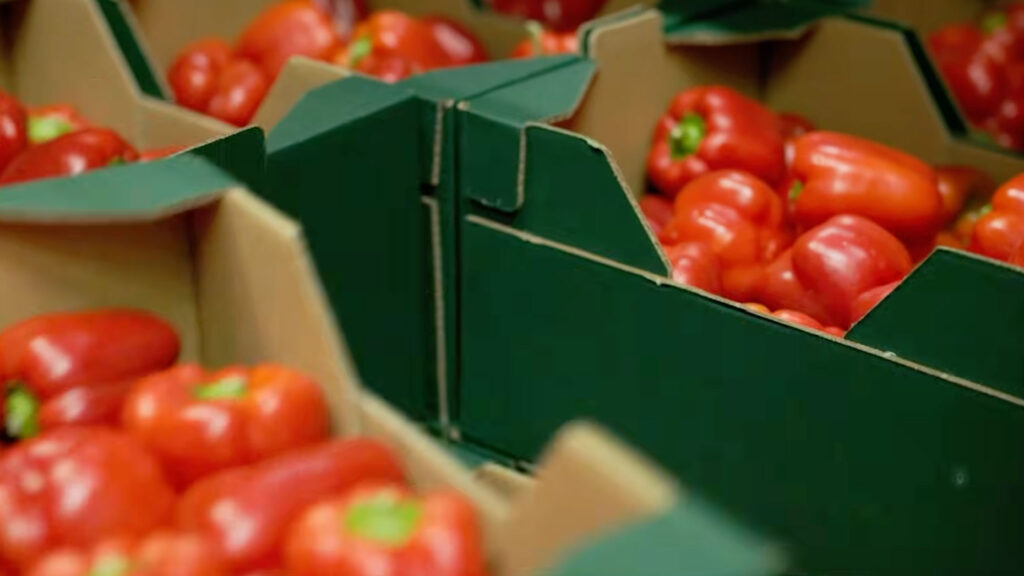
Discover how the OECD Fruit and Vegetable Scheme creates consistent quality standards, supports fair trade and helps fresh produce move across global markets.
HARVEST Aims to Make Agricultural Data AI-Ready

HARVEST will bring together more than 60 participants from 19 countries to make agricultural data AI-ready for crop breeding, research and farm decision-making. The European initiative will use barley as a model crop to improve data integration and climate resilience.
NAPB President Wants to Strengthen Public-Private Partnerships

NAPB President Katy Martin Rainey plans to strengthen the plant breeding workforce, public-private partnerships and seed industry engagement.
What the Fair Seeds for Farmers Act Would Change

The Fair Seeds for Farmers Act would change federal plant IP protections and restrict some contracts involving research, breeding and seed saving.
Can Crops Keep Fighting White Mold in a Changing Climate?
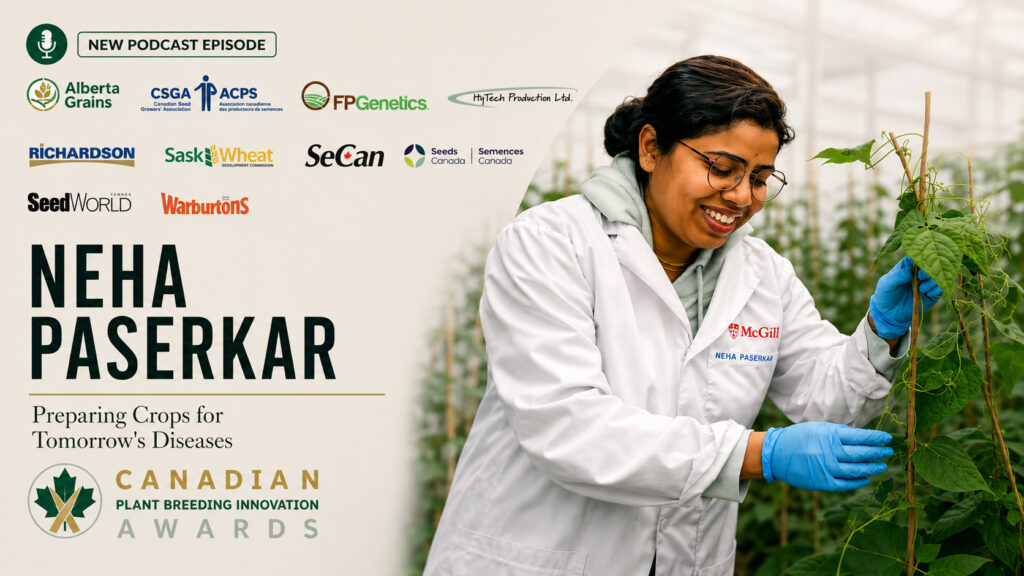
McGill University PhD candidate Neha Paserkar explains how genomics, transcriptomics and climate research are helping breeders develop disease-resistant crops