

New Mapping Tools Offer Deeper Insights into UK Soil Health
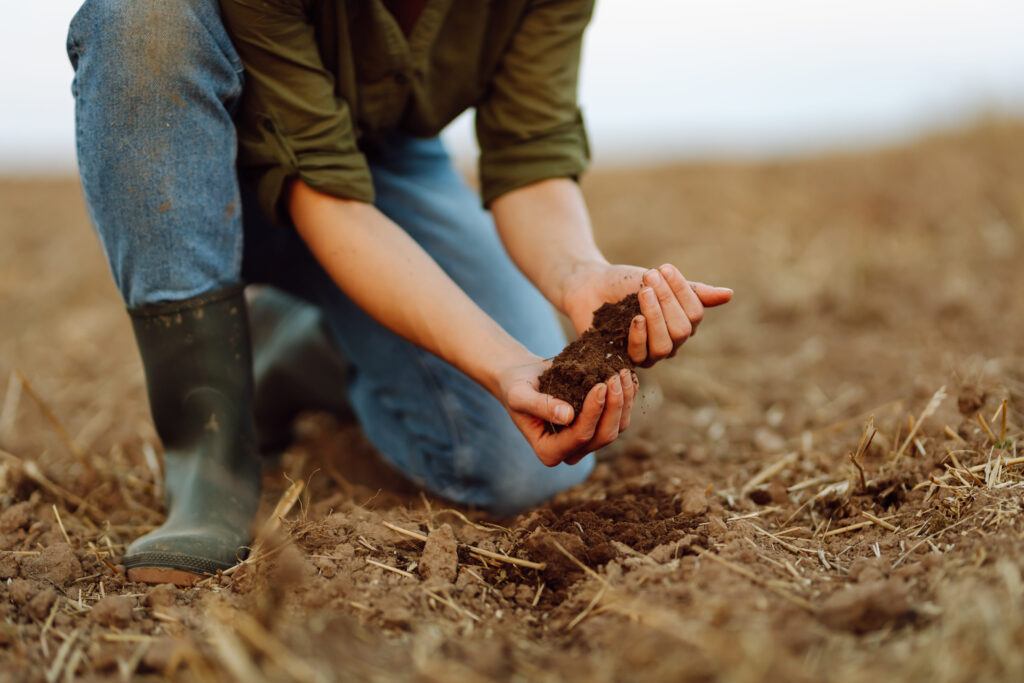
A new suite of high-resolution soil and landscape maps for Great Britain will help farmers, land managers, and researchers improve soil health, biodiversity, and climate resilience. Developed through AgZero+, the maps offer more detailed, consistent, and updateable soil data to support digital tools, environmental planning, habitat mapping, and sustainable land management across the UK.
Euroseeds NextGen Forum 2026 Connects Students with Seed Sector Careers

The Euroseeds NextGen Forum 2026 in Valencia connects young researchers with seed industry leaders to address talent gaps in plant breeding. Bringing together students, PhDs and professionals, the initiative fosters networking, career opportunities and collaboration. By bridging academia and industry, the Forum helps build future expertise and strengthens innovation and sustainability across the European seed sector.
Farming Isn’t Chemistry; It’s Ecology
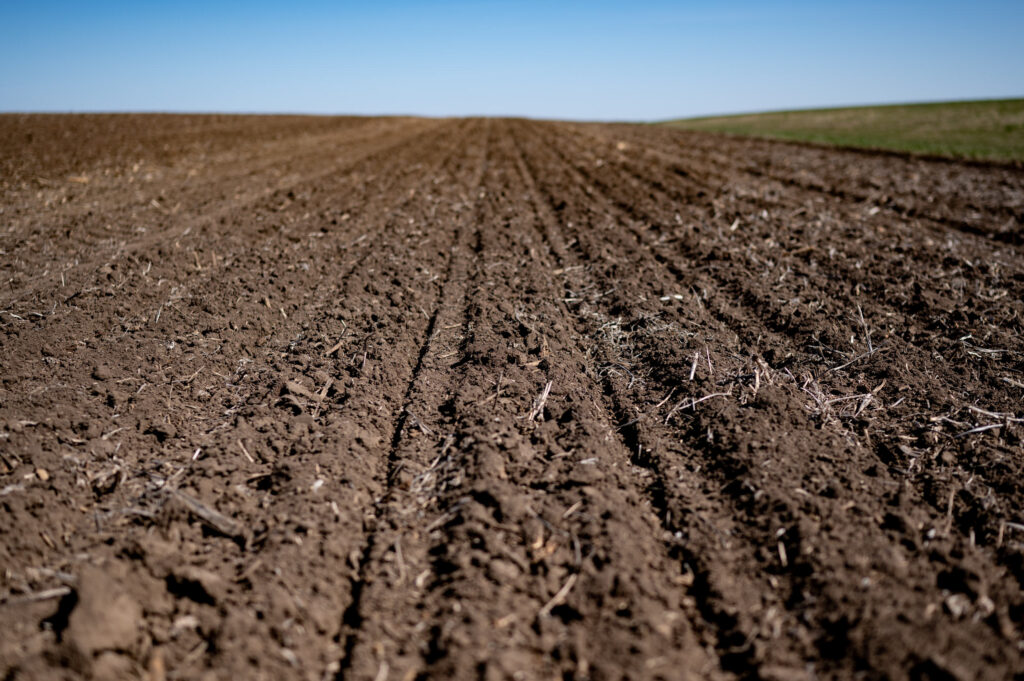
Modern agriculture must move beyond a chemistry-only mindset and embrace soil ecology. Crop performance depends on microbial communities that drive nutrient cycling, stress tolerance, and resilience. Biological products succeed when they work with existing soil ecosystems, not against them. Ecology-based microbial solutions can improve consistency, win rates, and yields across diverse field conditions, delivering stronger farm performance for modern growers.
Why the Fertilizer Crisis Won’t End When the Iran War Does

The fertilizer crisis gripping global agriculture was already building before the war with Iran. The situation was already taking place across supply chains, buying habits and investment pipelines. The current crisis is exposing just how fragile the system has become.
Supporting Genebanks: Enlightened Self Interest
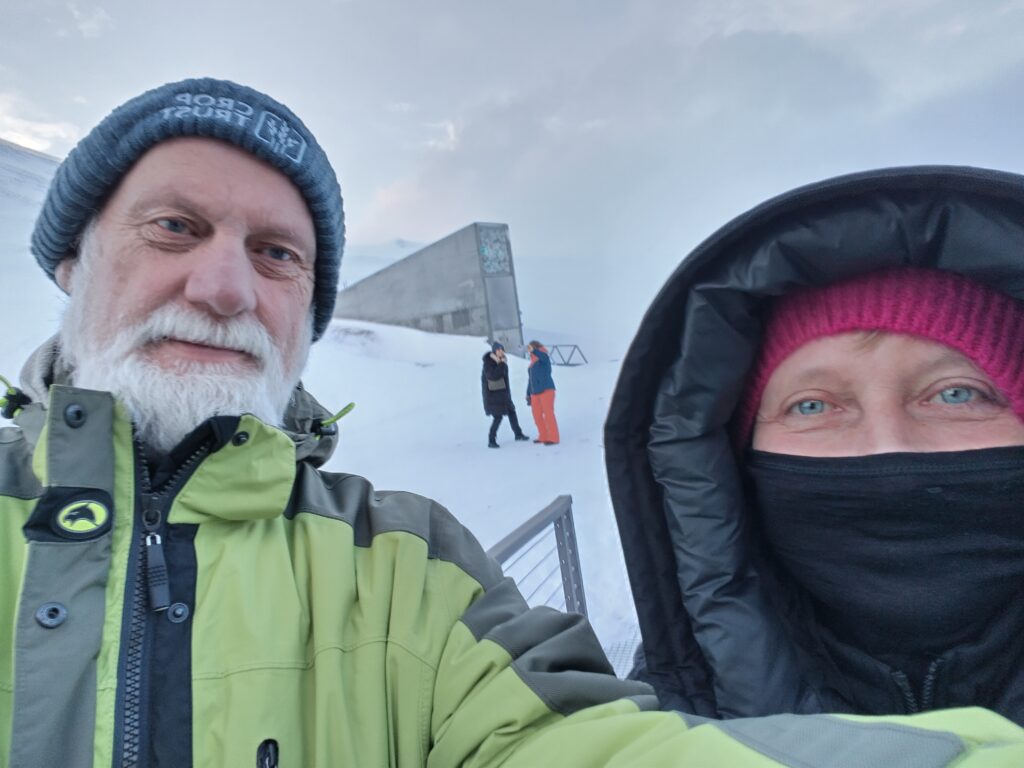
Genebanks are essential public infrastructure that conserve crop diversity and support breeders, food security, and climate resilience. While governments and the Crop Trust provide core funding, private-sector support remains vital. Backed by initiatives such as the Svalbard Global Seed Vault, stronger investment in genebanks will help protect genetic resources and build more sustainable, resilient global food systems.
Marc’s Take This Week: The People Behind Plant Breeding — and What Canada Risks Losing

From consistent barley supply to the potential loss of decades of expertise in Lacombe, this week’s stories connect the human and economic impact of agricultural investment. What does investment in […]
Why Strategic Seed Production Partnerships Matter More Than Ever
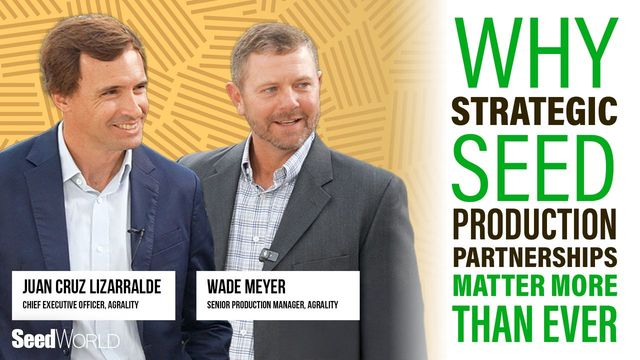
Strategic seed production partnerships matter more than ever before. Seed companies are facing a complex environment with tight timelines, growing condition shifts and complicated logistics that create pressure.
Lacombe Closure Puts Spotlight on Canada’s Agricultural Research Workforce

From relocation decisions to talent retention, Lori Oatway of Western Crop Innovations outlines the human side of research system changes. News of the planned closure of Agriculture and Agri-Food Canada’s […]
Corn Stunt Diseases Pose Growing Threat to Brazil’s Maize Production
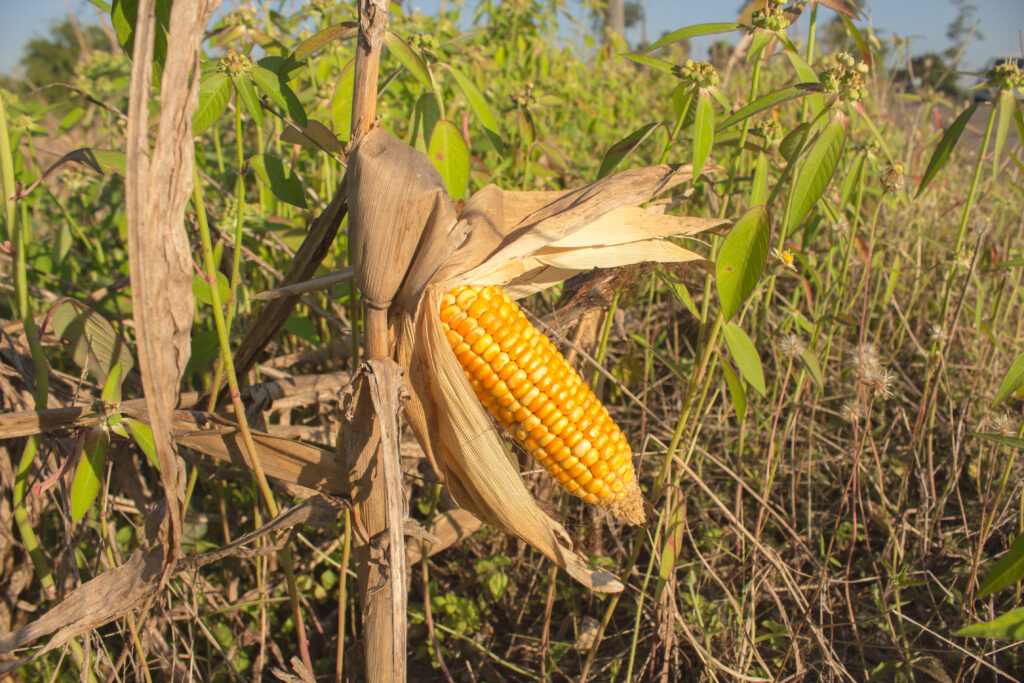
Corn leafhopper-driven stunt diseases have caused major maize losses in Brazil, with a new study estimating average yield reductions of 22.7% between 2020 and 2024, worth US$6.5 billion annually. Published in Crop Protection, the research highlights rising costs, increased pest pressure, and growing threats to production, food security, and Brazil’s global competitiveness in maize exports.
Global Consortium Calls for Mapping Gene Expression Across All Wheat Cells
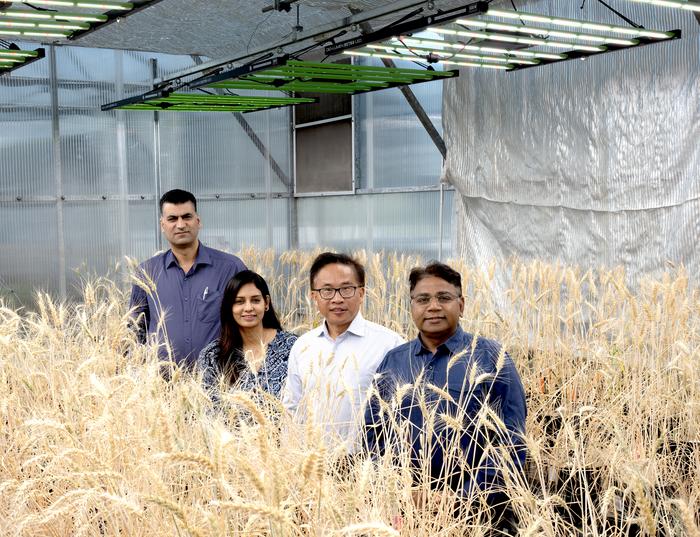
The Wheat Spatial Omics Consortium, spanning 80 researchers in nine countries, urges a global effort to map gene expression across every wheat cell type and developmental stage. Published in Nature Genetics, the framework shows how spatial omics and AI can boost wheat breeding, improve stress tolerance, raise yields, and strengthen global food security amid climate change and rising demand.
Wageningen to Launch Field Trials with NGT Potatoes
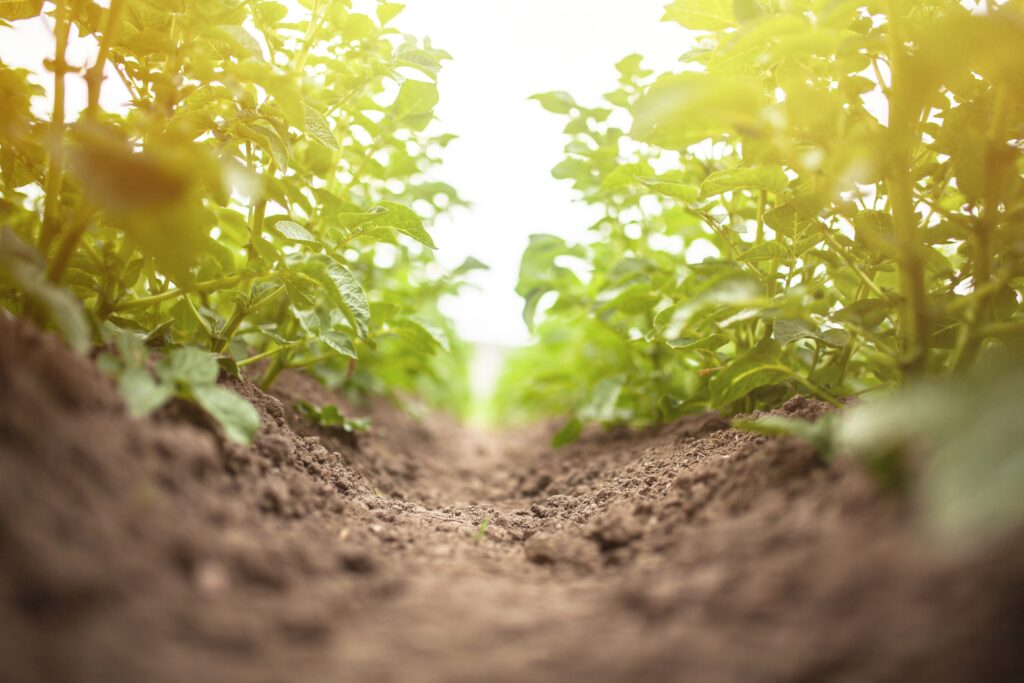
Wageningen University & Research and the Dutch Ministry of Agriculture will begin new genetically modified potato field trials in 2026, testing disease- and pest-resistant varieties. The trials aim to reduce pesticide use, improve protection against late blight, and assess practical performance. Using genome editing and New Genomic Techniques, researchers hope to speed development of sustainable, resilient potato crops in Europe.
Scientists Develop Leaf-Friendly Electrode for Smart Agriculture
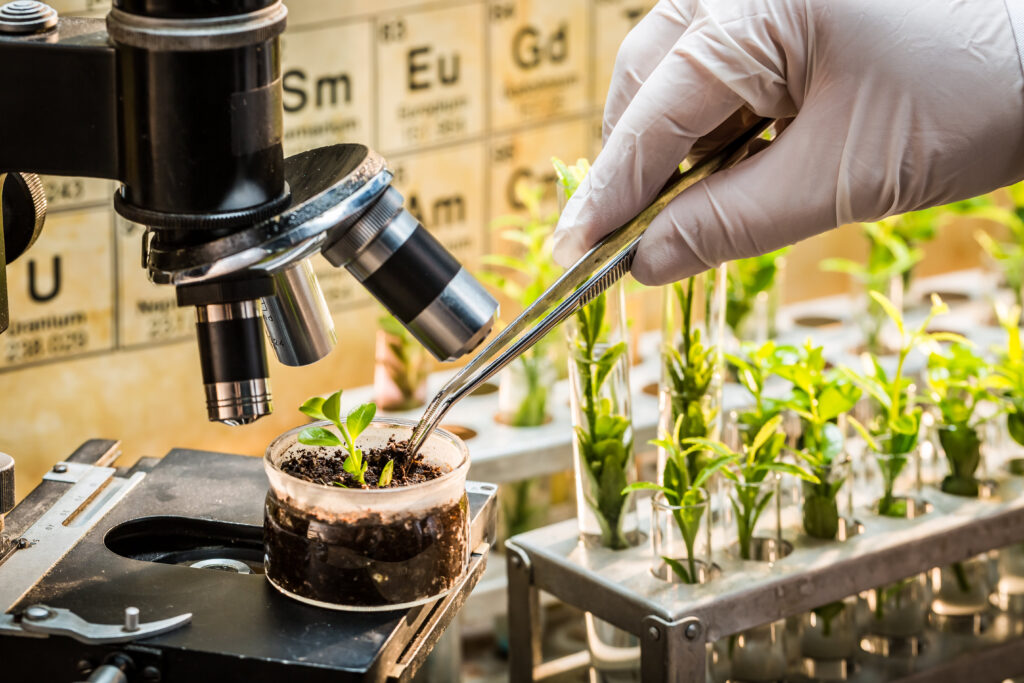
Researchers at the Institute of Science Tokyo have developed an ultra-thin, transparent, water-resistant nanofilm electrode that monitors plant stress without disrupting leaf function. The sensor works even on hairy leaves, preserves photosynthesis, and stays attached under rainfall. Published in Advanced Science, the breakthrough could enable early stress detection, smarter crop monitoring, and improved yields in tomatoes, soybeans, eggplants, and other crops.
An Investment In Every Canadian | On the Brink Season 1: Episode 5

Gerald Girard, Director of Barley Procurement at Malteurop, explains how investment in Canadian plant breeding sustains the supply chain — delivering stable barley supply and consistent quality all the way to the consumer.
Gene-Edited Wheat Cuts Harmful Acrylamide Without Yield Loss

Scientists at Rothamsted Research have developed CRISPR-edited wheat with up to 93% lower asparagine, cutting acrylamide formation in bread and biscuits without reducing yield. Field trials show gene editing outperforms conventional breeding in precision and safety. The breakthrough could help food producers meet tightening EU acrylamide regulations while advancing safer crops, sustainable agriculture, and food innovation globally.
Brasil enfrenta creciente riesgo por achaparramiento del maíz
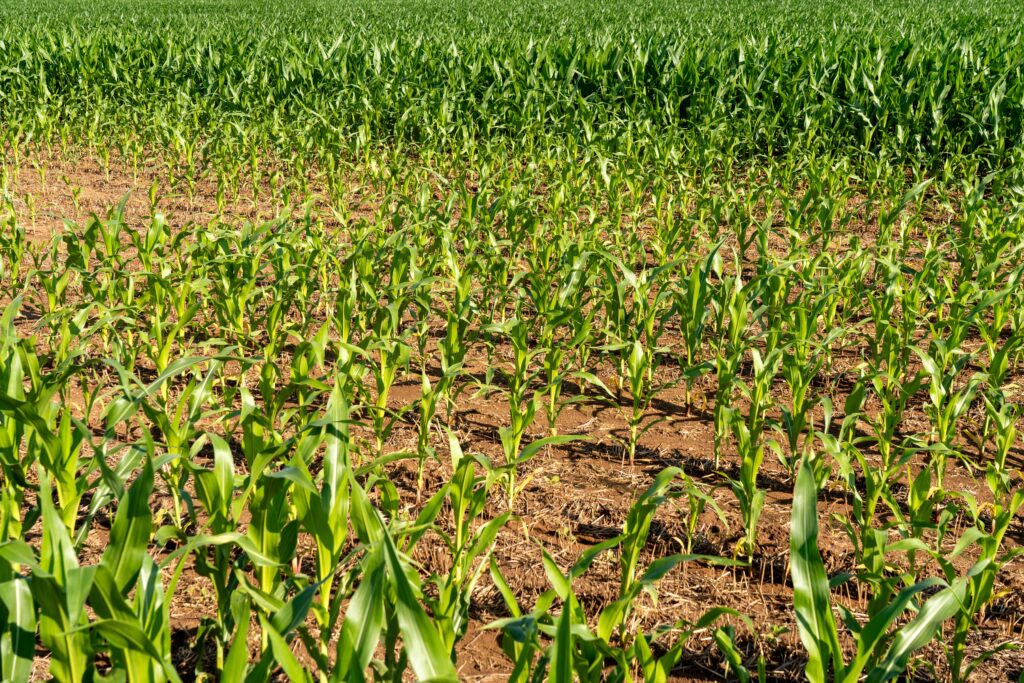
Las enfermedades del achaparramiento del maíz, transmitidas por la chicharrita, han provocado grandes pérdidas en Brasil. Un estudio estima una reducción media del 22,7% del rendimiento entre 2020 y 2024, equivalente a US$6.500 millones anuales. Publicado en Crop Protection, el análisis destaca mayores costos, presión de plagas y riesgos para la producción, la seguridad alimentaria y la competitividad exportadora.
Euroseeds Joins Call to Preserve Agriculture and Bioeconomy in EU Research Programme
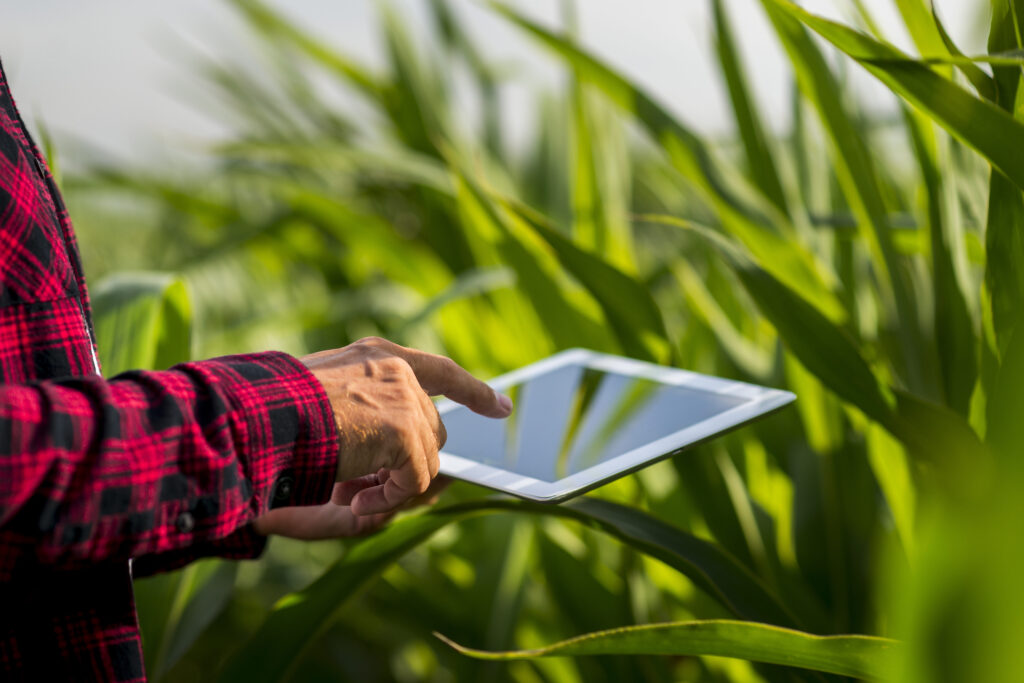
Euroseeds and more than 20 stakeholders have welcomed MEP Christian Ehler’s draft ITRE report on Horizon Europe 2028–2034 but urge lawmakers to keep agriculture and the bioeconomy explicitly named in the programme. The coalition warns that proposed wording changes could weaken investment, food security, sustainability, rural development, and innovation, while delaying adoption of Europe’s research framework.
Gene Discovery Opens Path to Deeper, More Efficient Crop Roots
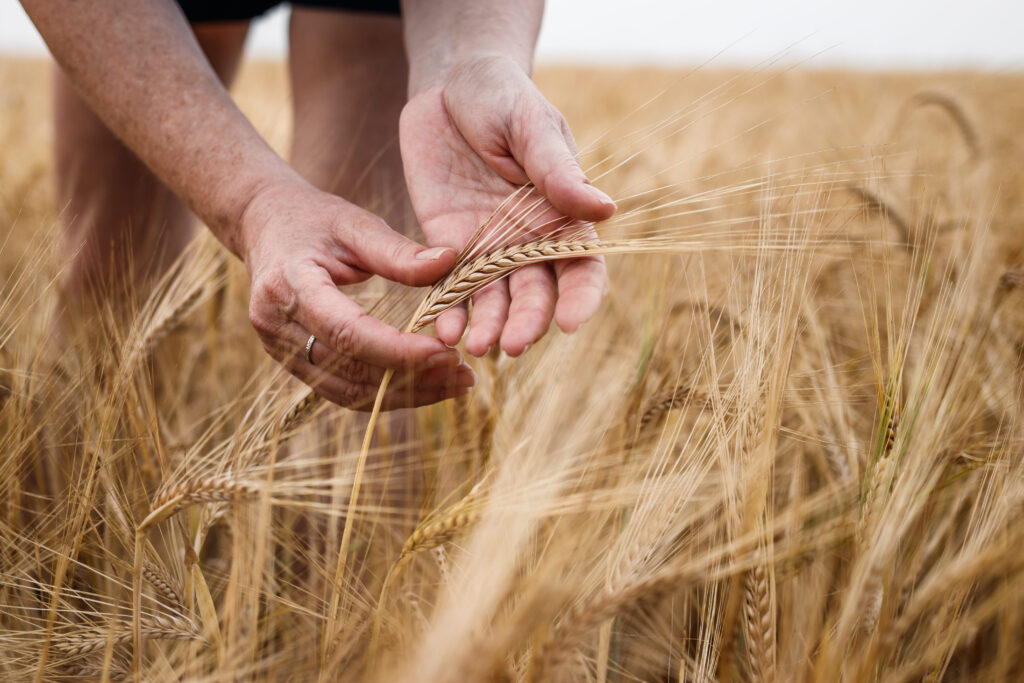
Researchers identified the plant signaling gene CEPR1 as a promising target for breeding cereal crops with steeper, narrower root systems that may better access water and nutrients. The study found this pathway is conserved across major grains, though barley showed yield penalties. The findings could support future crop improvement strategies aimed at drought resilience, nutrient efficiency, and reduced fertilizer dependence.
Watermelon Breeding Under Pressure: What Growers and Breeders Are Up Against

Watermelon breeding faces growing pressure from climate change, disease threats, limited crop protection, and complex polygenic traits. Narrow genetic diversity and demanding consumer standards add further challenges. Breeders are adopting genomics, digital tools, and diverse germplasm to improve resilience, yield, and quality. Success depends on balancing innovation with field performance, ensuring reliable crops that meet grower needs and consumer expectations.
Seed Certification is Adjusting to a System it No Longer Fully Controls
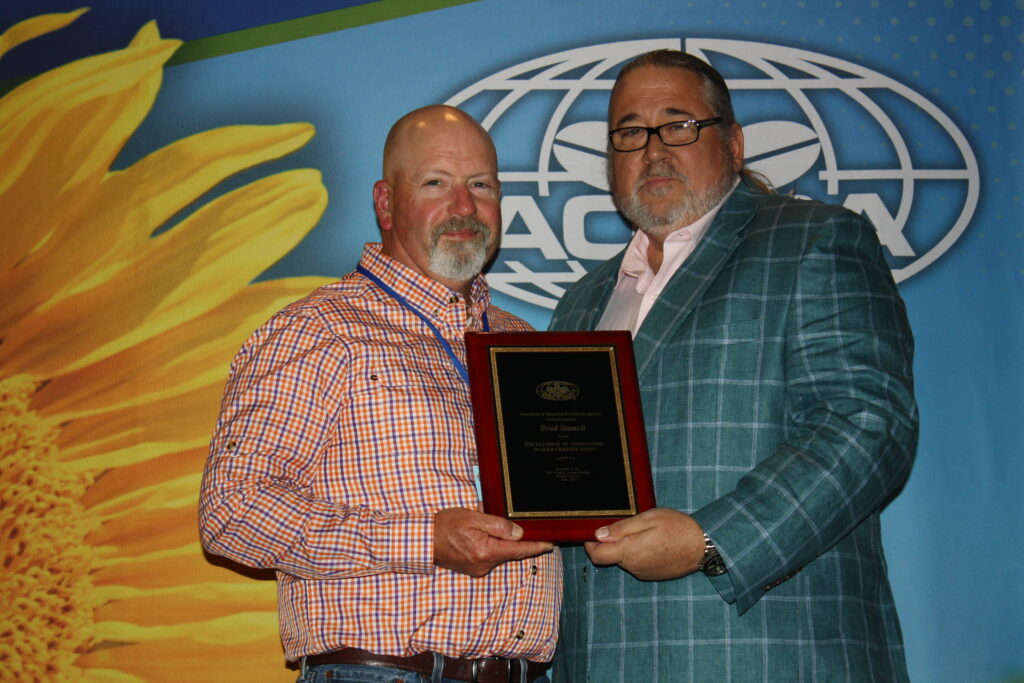
Brad Stancil, who won the 2025 Association of Seed Certifying Agencies Excellence in Innovation award, connects regulatory programs with seed certification.
Soil Microbe Breakthrough Boosts Phosphorus Efficiency in Crops
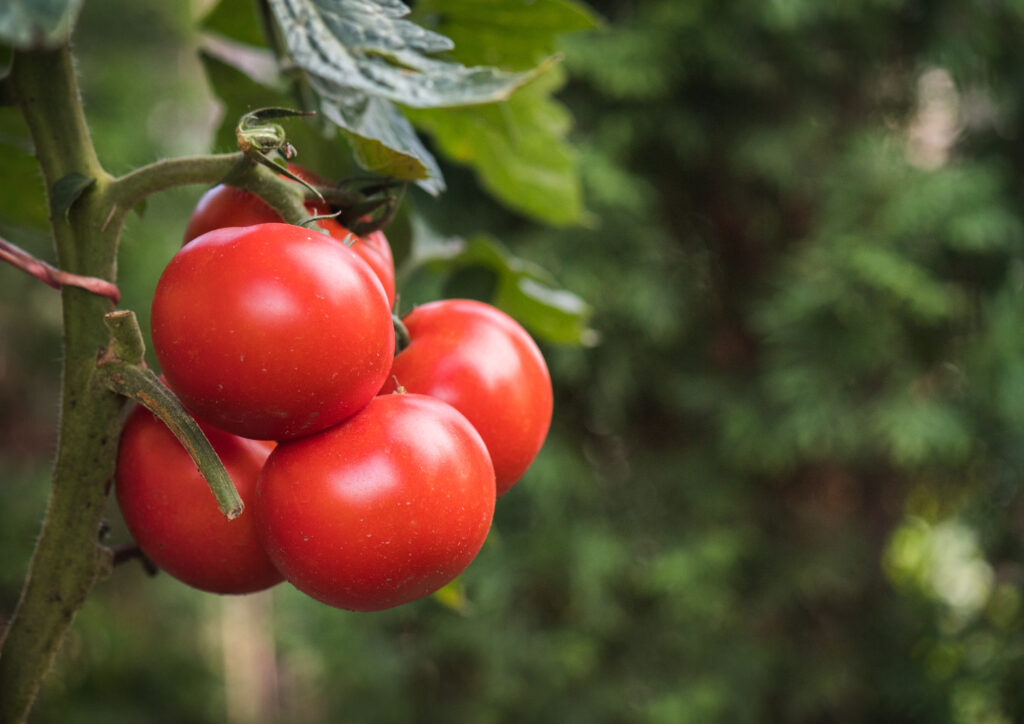
A new study finds that combining biochar with phosphate-solubilizing Bacillus bacteria improves phosphorus availability, boosts soil microbial activity, and increases greenhouse cherry tomato yields by more than 23%. The treatment enhanced root growth, nutrient uptake, and fruit-bearing branches while reducing reliance on fertilizer inputs, offering a scalable and sustainable solution for greenhouse production and phosphorus management.
NAPB 2026 in Texas Showcases Innovation as Borlaug Scholars Program Invites New Sponsors

Registration is open and new sponsors are invited to support future plant breeders as part of the Borlaug Scholarship program
Canadian Seed Growers’ Association Faces New Chapter as Doug Miller Exits

He leaves behind a more modern, more agile organization at a pivotal moment for Canada’s seed sector
European Commission Launches Consultation on Plant Variety Rights System

The European Commission has opened a consultation on Community Plant Variety Rights legislation and the performance of the CPVO. Stakeholders across the plant breeding, seed, farming and research sectors are invited to share feedback on the system’s effectiveness, efficiency and relevance. Contributions can be submitted online in any official EU language as part of the EU’s evaluation process.
CIMMYT Scientist Receives Africa Region Food Security Leadership Award for MLN Work
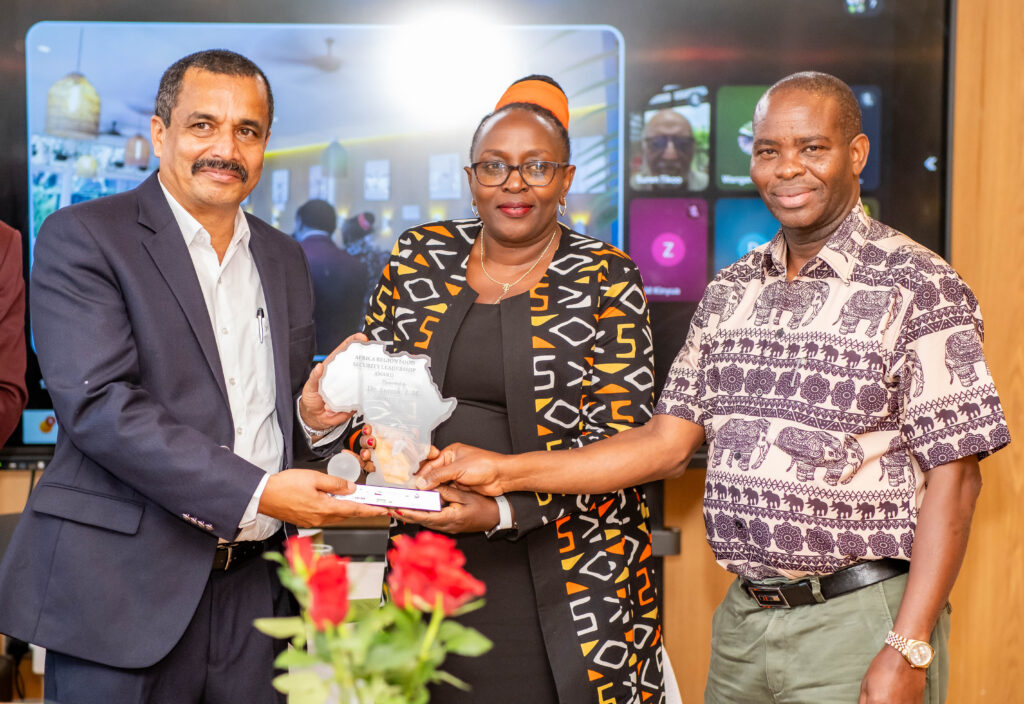
In Nairobi, African scientists, regulators and seed leaders recognized Suresh L.M. with the Africa Region Food Security Leadership Award for combating maize lethal necrosis. His work with CIMMYT advanced resistant hybrids, seed decontamination, diagnostics and regional collaboration. Over a decade, strengthened plant health systems, safeguarded seed movement and improved food security across Sub-Saharan Africa, supporting farmers and resilient agricultural systems.
Canada’s Seed Sector This Week: Pressure is Building, but so is Momentum
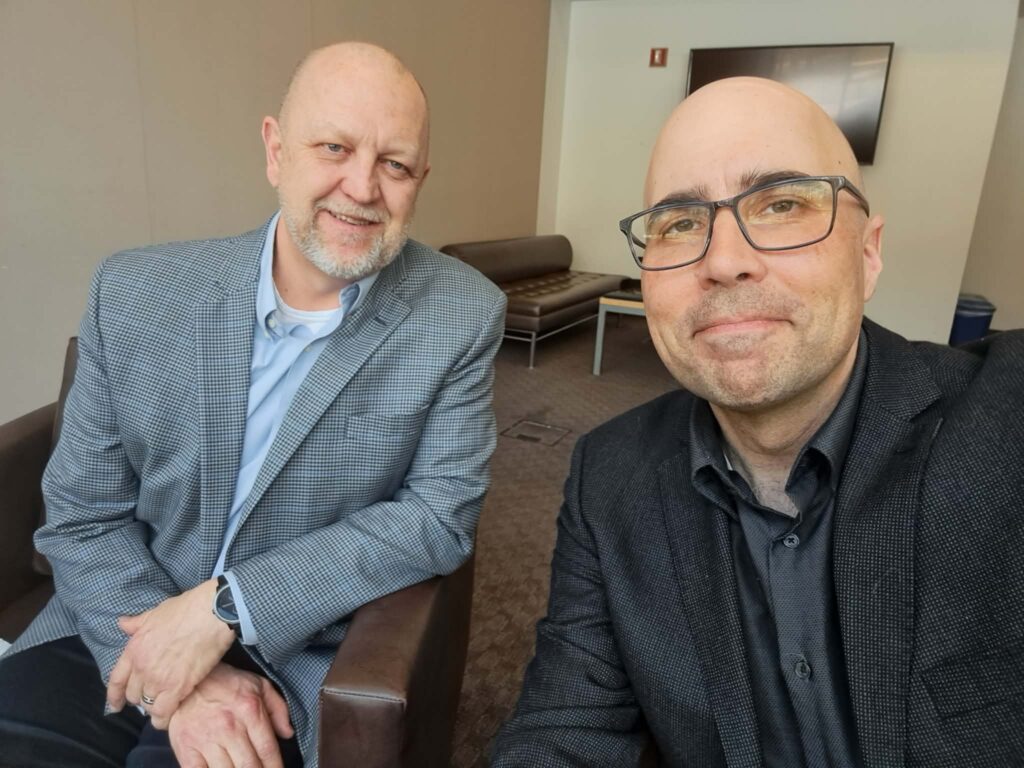
As funding concerns grow and research capacity tightens, tools like the VUA and a reset in Seeds Canada leadership signal a sector starting to respond in real time
Seeds Canada Prepares for 2026 AGM After Successful Seed School
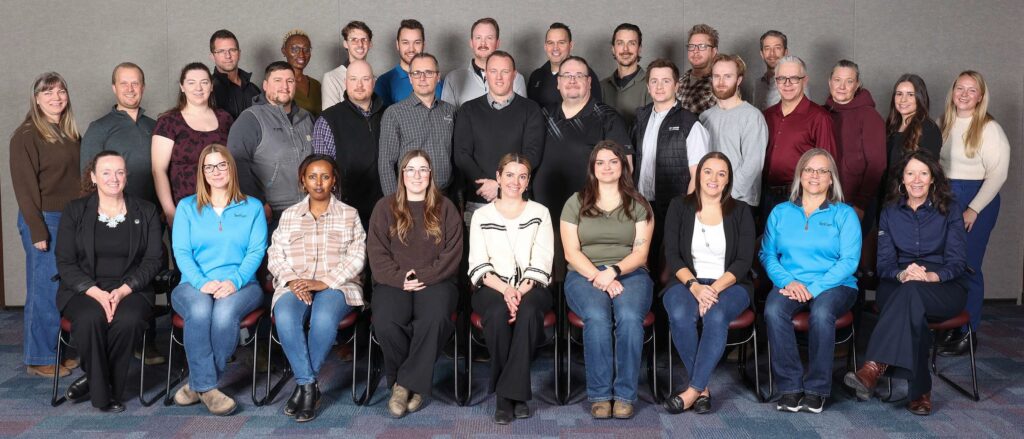
A full-capacity Seed School in Winnipeg set the stage for July’s Annual Meeting in Saskatoon
Seed Innovation in Canada: The Funding Problem No One Can Ignore
Seeds Canada CEO Dan Wright explains why current models are falling short — and how new approaches like the Variety Use Agreement could change the game
Breeders Trust Flags Illegal Seed Potato Sales in Online Marketplaces

Breeders Trust is monitoring online sales of seed potatoes, highlighting growing cases of illegal trade via Facebook groups and webshops. Uncertified seed and misuse of ware potatoes raise plant breeders’ rights concerns and phytosanitary risks. The organisation urges stronger awareness, enforcement, and compliance to protect innovation and ensure fair practices across the potato sector.
New Jalapeño, Murupi and Ornamental Peppers Move to On-Farm Testing in Brazil
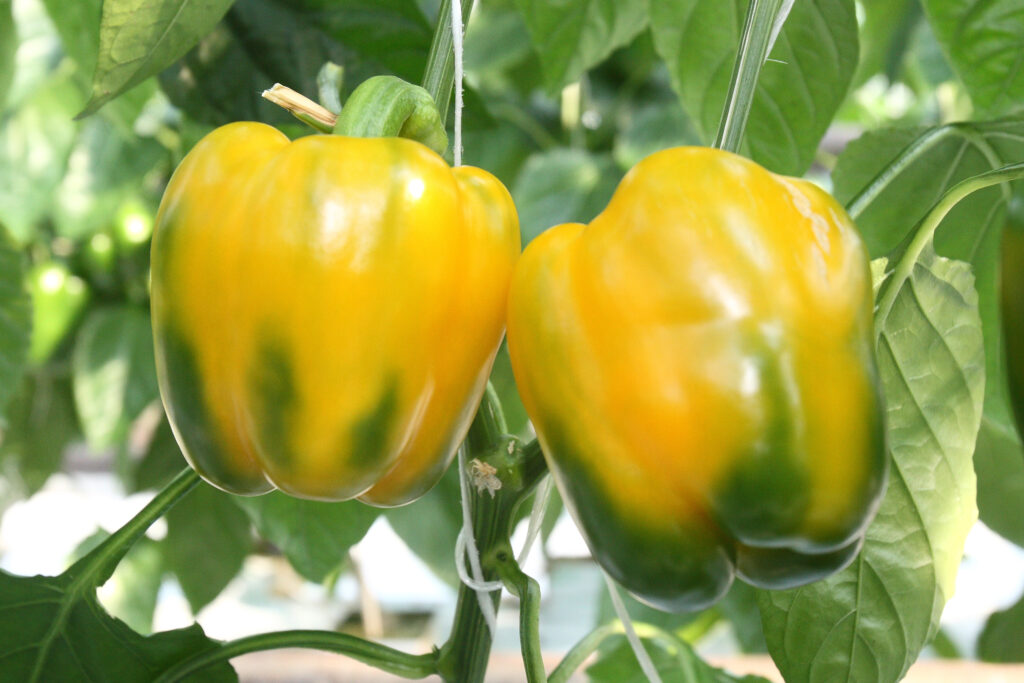
New jalapeño, murupi, fresh-market, and ornamental pepper materials from Embrapa Vegetables are advancing to on-farm testing in Brazil. Developed to meet demands from growers, processors, and ornamental markets, the cultivars aim to improve agronomic, industrial, and functional traits. The program supports sustainable production, organic systems, mechanized harvesting, and greater competitiveness across Brazil’s expanding pepper value chain.
Ukraine’s Seed Sector During the Russian Invasion of Ukraine: Production, Exports and EU Integration
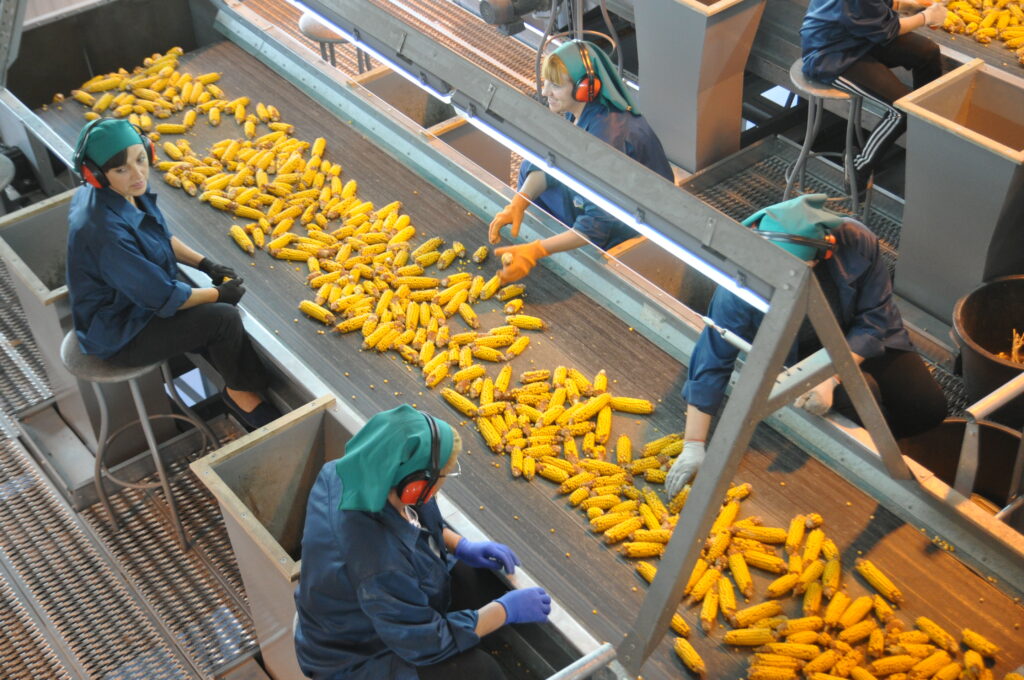
Ukraine’s seed sector faces disruption from the Russian invasion of Ukraine, including energy shortages, mined farmland, logistics barriers, and labour gaps. Despite producers maintain output, invest in infrastructure, adapt operations. Farmers sustain planting levels, while exports to the EU recover. Regulatory alignment and industry partnerships are strengthening competitiveness, positioning Ukraine as a resilient and growing player in global seed markets.
Your Data Doesn’t End at the Lab, It Shows Up in the Field
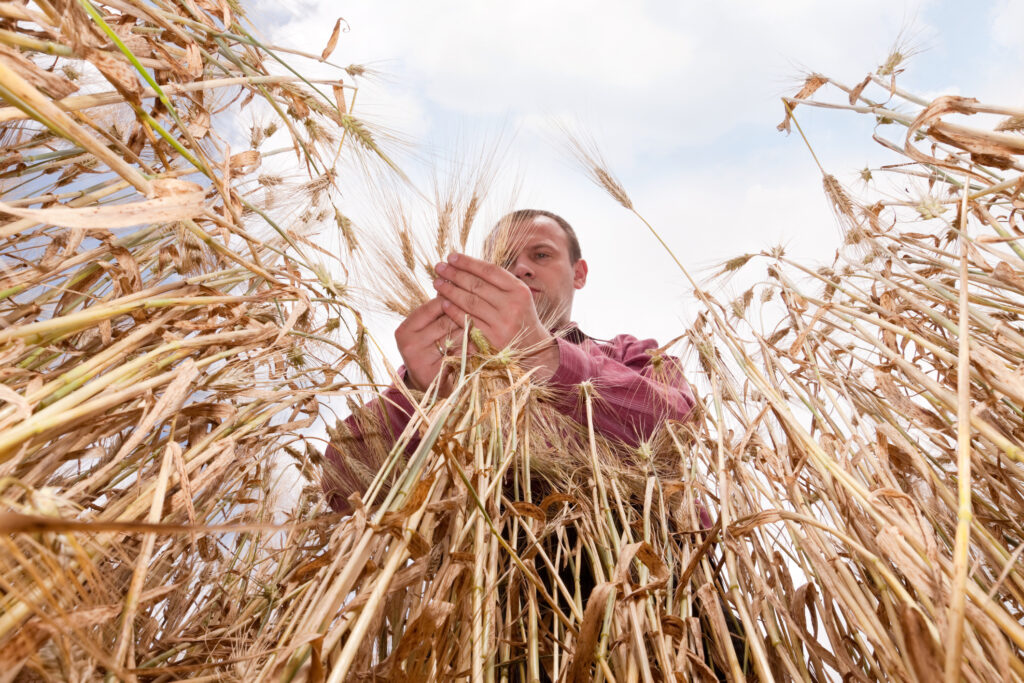
Seed testing decisions often rely on germination percentage alone, but field performance depends on more. This rye case showed how abnormal seedlings, Fusarium pressure, and seed stress can signal hidden risk despite acceptable germination results. Iowa State University Seed Science Center helps growers interpret seed quality data more fully, improving management decisions, stand establishment, and real-world crop performance.
The Final Four? Bioenergy Crops Beyond Corn Competing for the Future of Energy
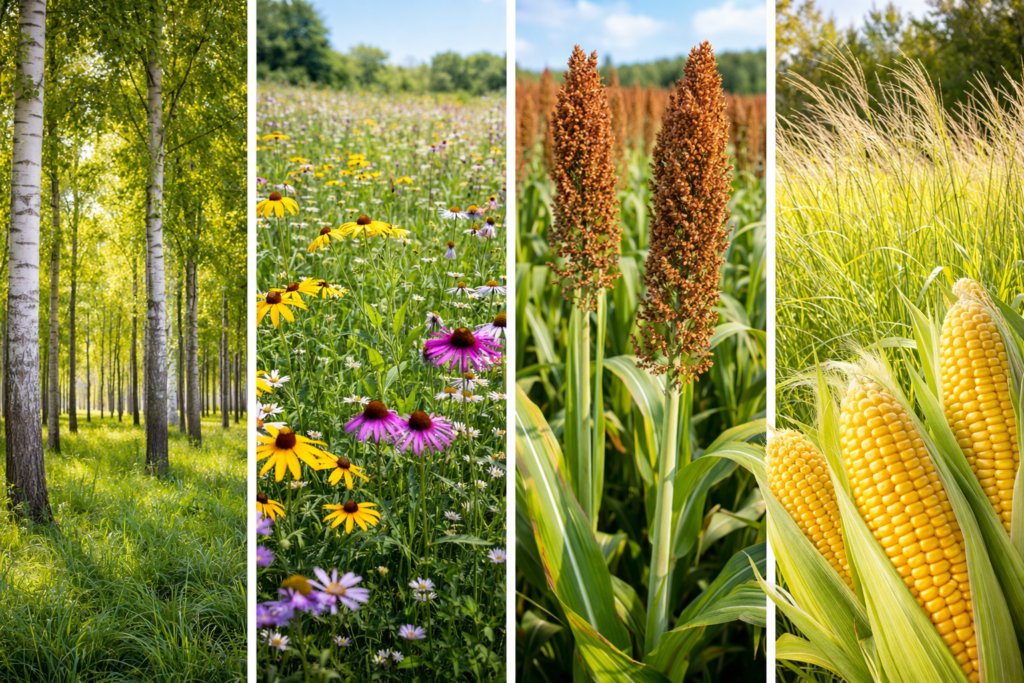
Four bioenergy crops go head-to-head in a March Madness-style showdown, revealing how poplar, sorghum, switchgrass and mixed prairie are competing beyond corn to shape the future of sustainable energy.
The Overlooked Role of Seed Processors in Crop Success
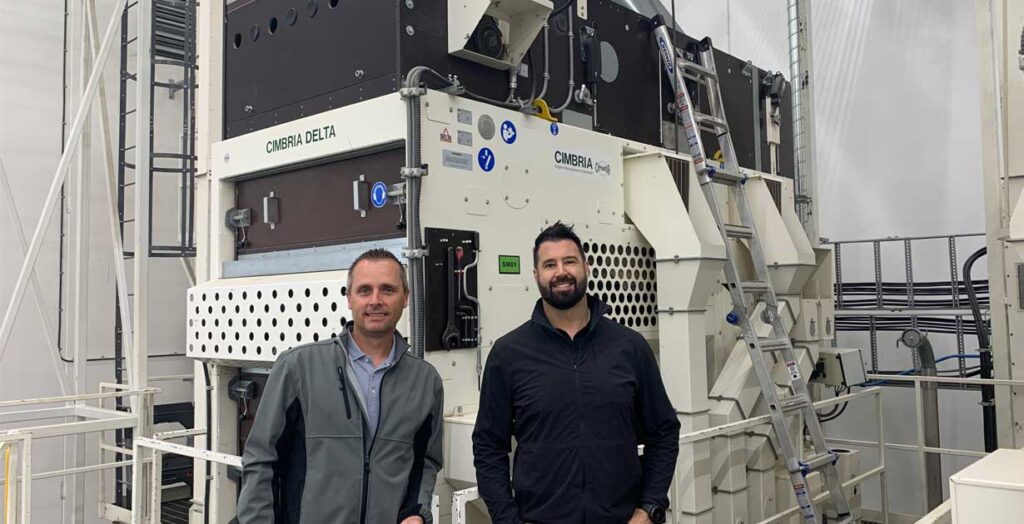
While often behind the scenes, seed processors are essential to delivering the consistency and quality growers rely on every season. I didn’t take a straight path into agriculture, but it’s […]
The End of the Status Quo | On the Brink Season 1: Episode 4
Federal cuts are closing key research facilities across Canada. Doug Miller of the Canadian Seed Growers Association joins On the Brink Episode 4 to ask what comes next for Canadian plant breeding — and who builds the model that replaces what’s being lost.
Nuevos pimientos jalapeños, murupi y ornamentales pasan a la fase de pruebas en fincas en Brasil
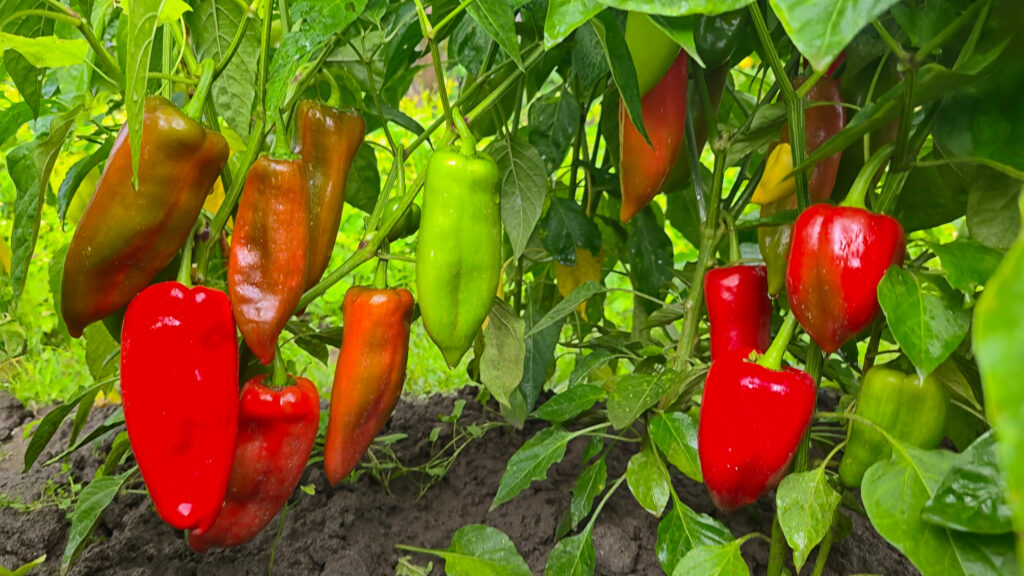
Nuevos materiales de jalapeño, murupi, consumo fresco y pimientos ornamentales de Embrapa Hortalizas avanzan a pruebas en campo en Brasil. Desarrollados para atender a productores, procesadores y mercados ornamentales, buscan mejorar rasgos agronómicos, industriales y funcionales. El programa impulsa producción sostenible, sistemas orgánicos, cosecha mecanizada y mayor competitividad en la creciente cadena de valor del chile en Brasil.
How “Either/Or” Thinking Limits Your Company’s Potential

Leaders often face either-or decisions, from inventory and growth to efficiency and innovation. High-performing companies reject this mindset, managing paradoxes instead. By balancing experience with innovation and growth with focus, organizations unlock stronger strategies. Gro Alliance’s approach shows that designing for both priorities, rather than choosing between them, creates sustainable competitive advantage and long-term success in complex modern markets today.