

Yearbook Advice vs. Seed Business Reality: “Never Change” Is an Awful Strategy

Seed companies can’t rely on “never change” thinking. To stay competitive, leaders must protect customer trust while evolving sales channels, pricing models, digital tools, agronomic insight, and product positioning. Intentional change helps seed businesses adapt to farmer expectations, build resilience, create differentiation, and keep growing in a fast-changing agricultural marketplace.
Elevated Fertilizer Costs Make Seed Testing a Strategic Imperative

Ongoing disruptions to global shipping routes through the Strait of Hormuz have tightened fertilizer supply and driven nutrient prices higher. What’s the impact on the industry? For those of us […]
Breeders Trust Settles Case Over Illegal Seed Potato Listing In Denmark

Danish potato grower settles Breeders Trust case after a Facebook listing offered protected Solist seed potatoes, underscoring that online advertisements can infringe plant breeders’ rights even without a sale. The case highlights strict seed potato certification rules, legal and phytosanitary risks, and the growing responsibility of online platforms to prevent unlawful potato trading.
“Lazy” Crop Roots: Traditional Sorghum Outperforms on Recycled Phosphorus
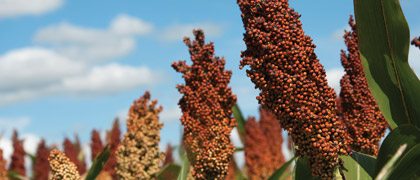
Traditional sorghum lines may hold the key to more efficient crop nutrition as agriculture shifts toward recycled fertilisers. A University of Queensland study found landraces outperformed modern sorghum when phosphorus was less soluble, thanks to stronger root traits and exudate chemistry. The findings highlight new breeding opportunities to improve nutrient-use efficiency and support a circular phosphorus economy.
Embrapa’s Mariangela Hungria Named to TIME100 2026 for Pioneering Sustainable Agriculture Innovations

Embrapa scientist Mariangela Hungria was named to TIME100 2026 in the Pioneers category for advancing sustainable agriculture. A global leader in biological inputs, she helped replace chemical fertilizers with microorganisms that boost yields, cut costs, and reduce emissions. Hungria says the honor recognizes Brazilian science and strengthens Brazil’s leadership in healthier, low-residue food production worldwide today.
Mariangela Hungria, de Embrapa, incluida en la lista TIME100 2026 por sus innovaciones pioneras en agricultura sostenible

La científica de Embrapa Mariangela Hungria fue incluida en la lista TIME100 2026, en la categoría Pioneros, por impulsar la agricultura sostenible. Referente mundial en insumos biológicos, ayudó a sustituir fertilizantes químicos por microorganismos que aumentan rendimientos, reducen costos y emisiones. Afirma que el reconocimiento destaca la ciencia brasileña y refuerza el liderazgo de Brasil en alimentos más saludables.
Register For Our Webinar on the Future of Value Creation
Canada’s Plant Breeding Future Hinges on Trust, Not Just Funding Models — Marc’s Take This Week
Global competition and funding challenges are forcing change, but skepticism from farmers could shape what comes next
100 Years Is Rare in Seeds
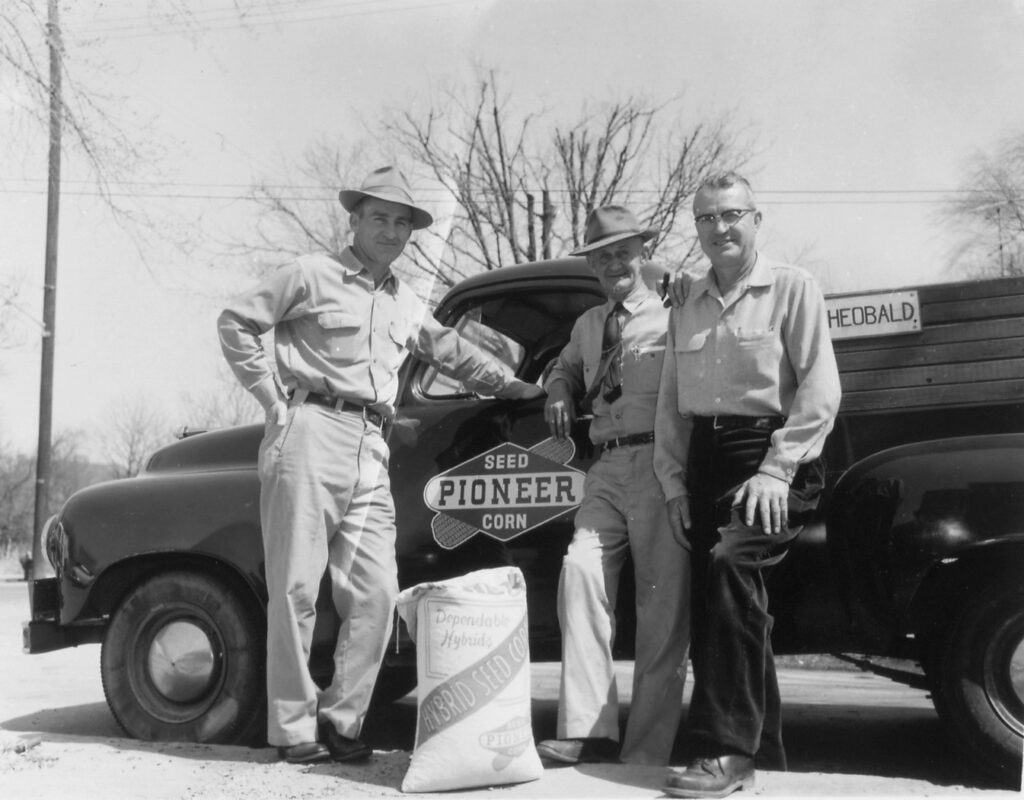
Happy Birthday! Pioneer marks 100 years in the seed industry, offering a case study in what it takes to survive shifting markets, evolving technology, and changing farmer expectations.
Canada’s Plant Breeding System at a Crossroads, Says Incoming GIFS CEO Jason Reinheimer

In the latest Seed World Podcast, Reinheimer explains why Canada risks falling behind globally, and what must change to protect innovation
Solar Panels Boost Crop Efficiency: Tomato Systems Use Half the Water
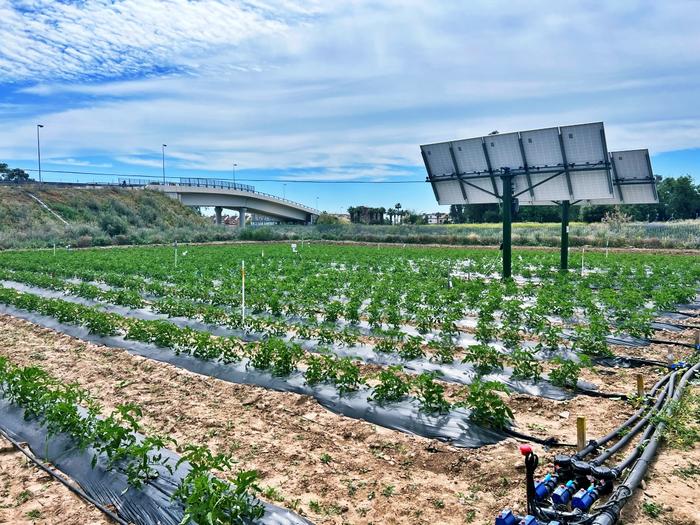
Agrovoltaic tomato systems could help agriculture save water while producing renewable energy on the same land. Research in Spain found that combining solar panels with deficit irrigation cut water use by about 50%, with roughly a 20% yield penalty. The findings highlight new opportunities for breeding tomatoes with better shade tolerance,
LETTER TO THE EDITOR: “Consolidation” is a False Efficiency in Crop Breeding

Three retired breeders say centralizing AAFC research may save costs on paper, but it narrows genetic discovery, increases farm risk and slows agricultural innovation
What’s at Stake in Every Slice | On the Brink Season 1: Episode 7
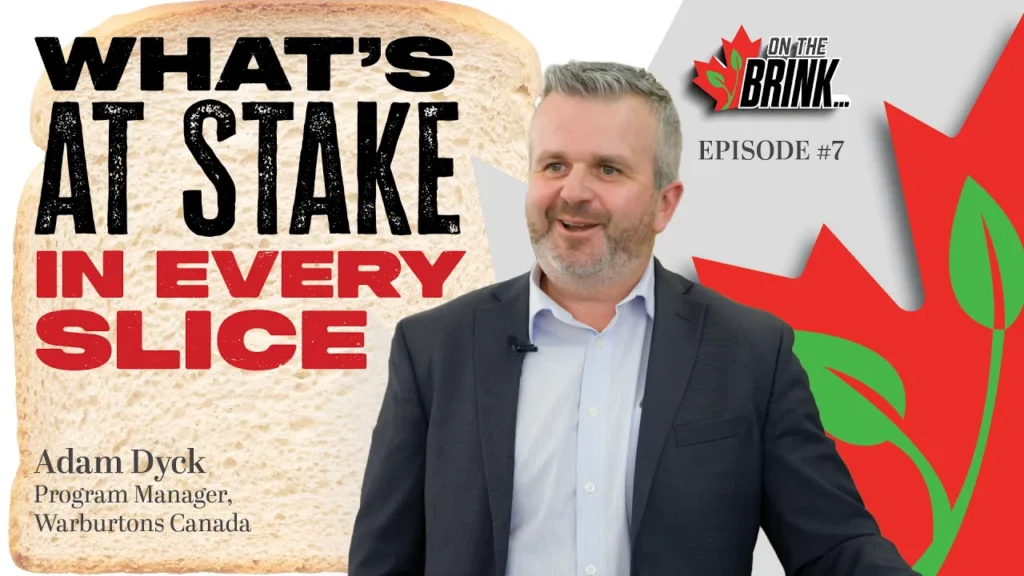
Adam Dyck of Warburton’s Canada warns Canada risks losing its plant breeding investment edge — and the international wheat contracts that depend on it.
Por qué Costa Rica atrae inversión e I+D global en semillas
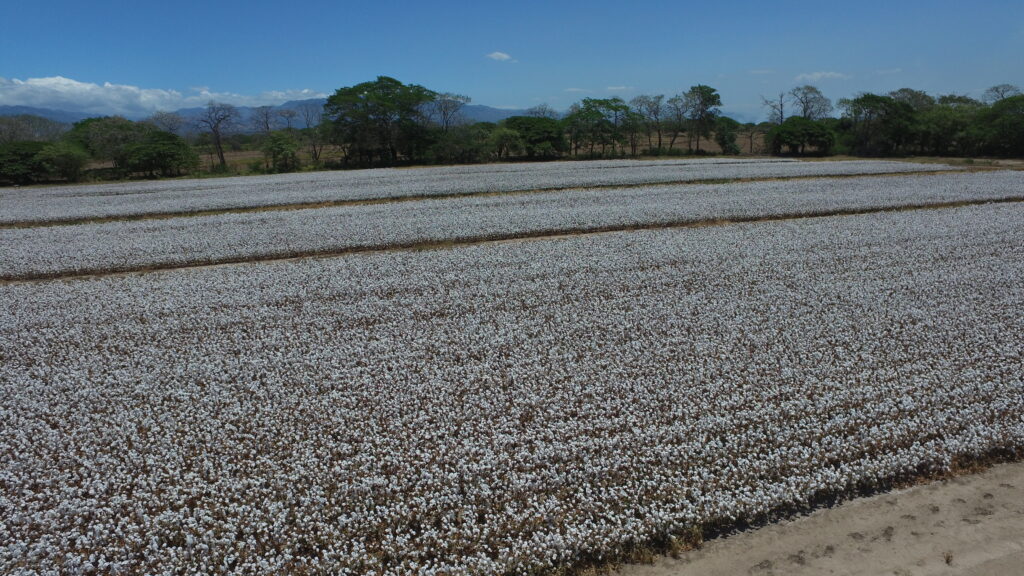
Costa Rica es un centro líder en innovación de semillas, con estabilidad regulatoria, diversidad climática y talento especializado. Su marco científico, ventaja de contraestación e infraestructura avanzada permiten a las empresas desarrollar y escalar globalmente. Con fuerte apoyo institucional y enfoque sostenible, el país acelera ciclos de mejoramiento, reduce riesgos y se posiciona como plataforma estratégica en la industria global de semillas.
Why Costa Rica Is Attracting Global Seed Investment and R&D
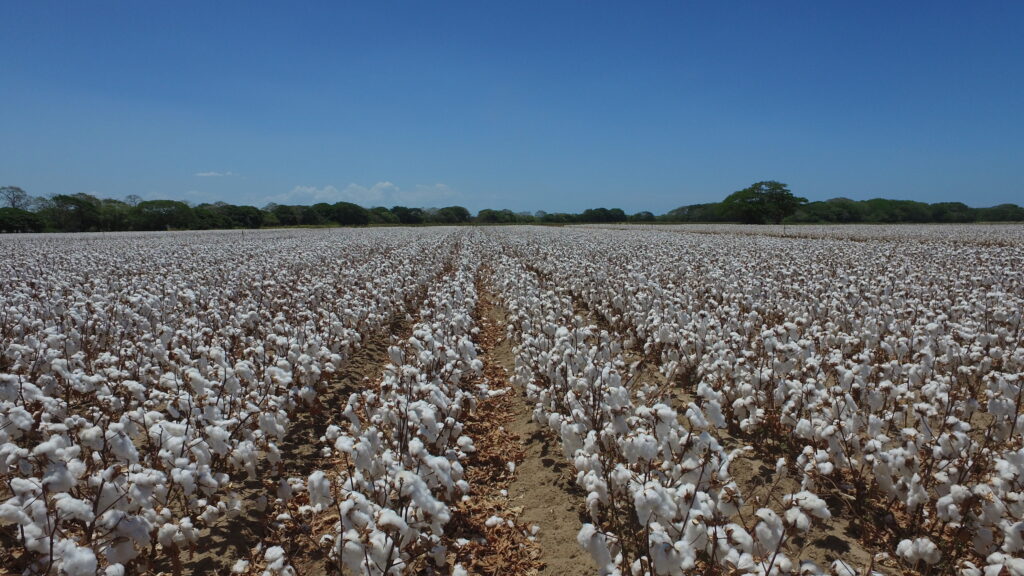
Costa Rica is a leading hub for seed innovation, offering regulatory stability, diverse microclimates and skilled talent. Its science-based framework, counter-season advantage and advanced R&D infrastructure enable companies to test, develop and scale globally. With strong institutional support and sustainable practices, Costa Rica accelerates breeding cycles, reduces risk and positions itself as a strategic platform in the global seed industry.
£3 Billion DNA Project: How Sequencing UK Biodiversity Could Transform Agriculture and Innovation

The Darwin Tree of Life Project could generate nearly £3 billion in economic value across the UK and Ireland by sequencing all complex life. For agriculture, gains of £800 million to £1.4 billion could boost crop resilience, pest control and climate adaptation. Open-access reference genomes are strengthening biodiversity research, conservation outcomes and plant breeding innovation across the seed sector.
Global Institute for Food Security Names Jason Reinheimer CEO

The Australian-born plant breeding expert steps into the role with a mission to turn ag innovation into real-world impact faster
Euroseeds Welcomes Member States’ Backing of NGT Regulation Deal
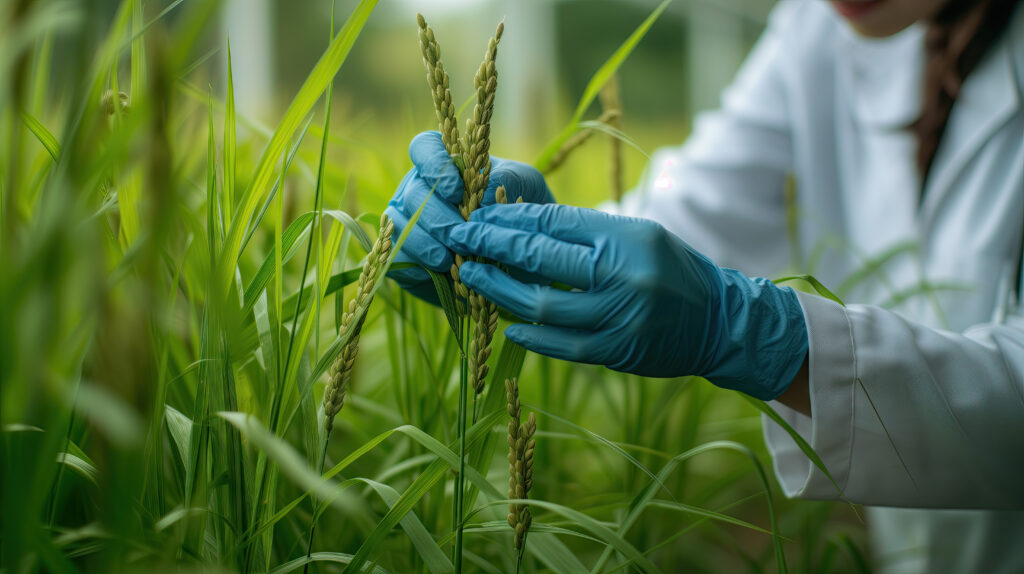
Euroseeds welcomes EU Member States’ formal adoption of the Council’s first-reading position on the new Regulation on New Genomic Techniques (NGTs). The decision confirms the trilogue compromise with the European Parliament and marks a major step toward final adoption. Euroseeds says the new NGT framework can strengthen plant breeding, agricultural innovation, competitiveness, and food security across Europe.
The System Built For Corn Isn’t Built For What’s Next
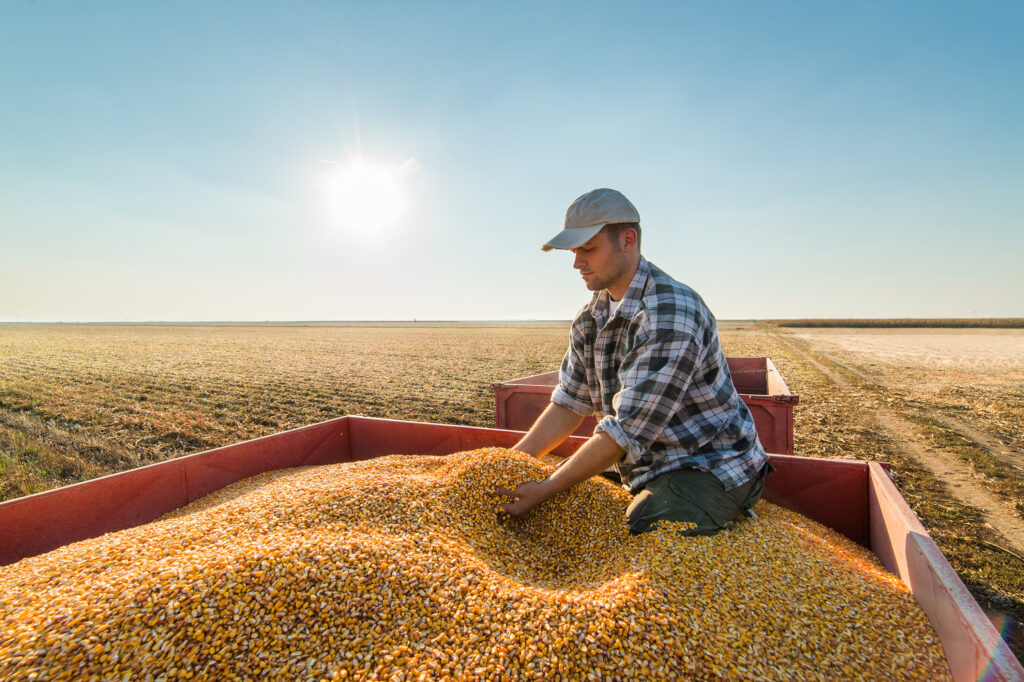
Diversification is gaining traction across U.S. agriculture, but a recent Corn Belt analysis shows markets and infrastructure for crops beyond corn still lag, limiting adoption and slowing demand for new seed.
VUAs: A Critical Piece of Canada’s Ag Future

Whether we’re looking one year out or 20, the strength of our industry depends on the quality of the genetics we have access to. They drive yield, resilience, and ultimately […]
Legume Generation Project Aims to Boost Legume Breeding and Protein Crop Performance in Europe
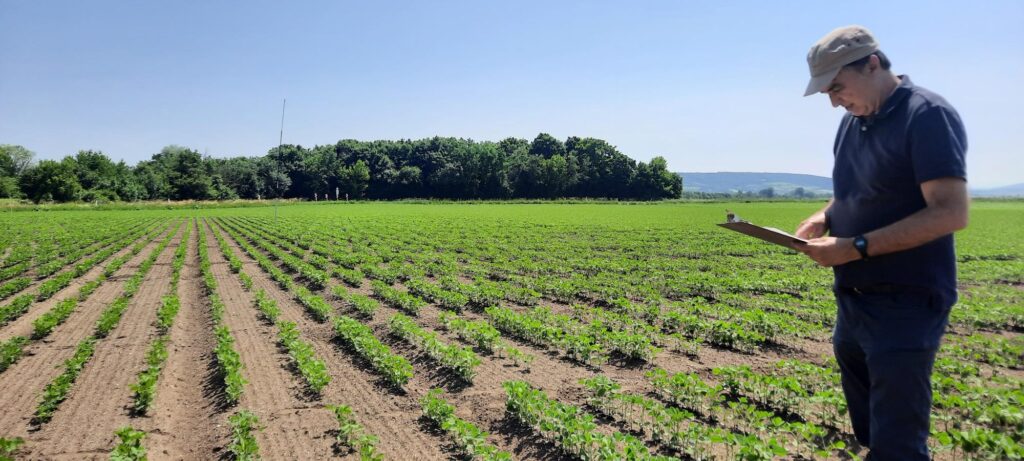
Legume Generation aims to strengthen European legume breeding through breeder-led innovation, addressing yield gaps, underinvestment, and reliance on imported protein. By uniting research and breeding across key crops, the project accelerates genetic progress, improves agronomic performance, and builds sustainable investment frameworks. Enhanced legumes can boost resilience, reduce fertiliser dependence, and support a more secure, competitive European agri-food system for future
Seed Banks May Limit Gene Drives for Weed Control
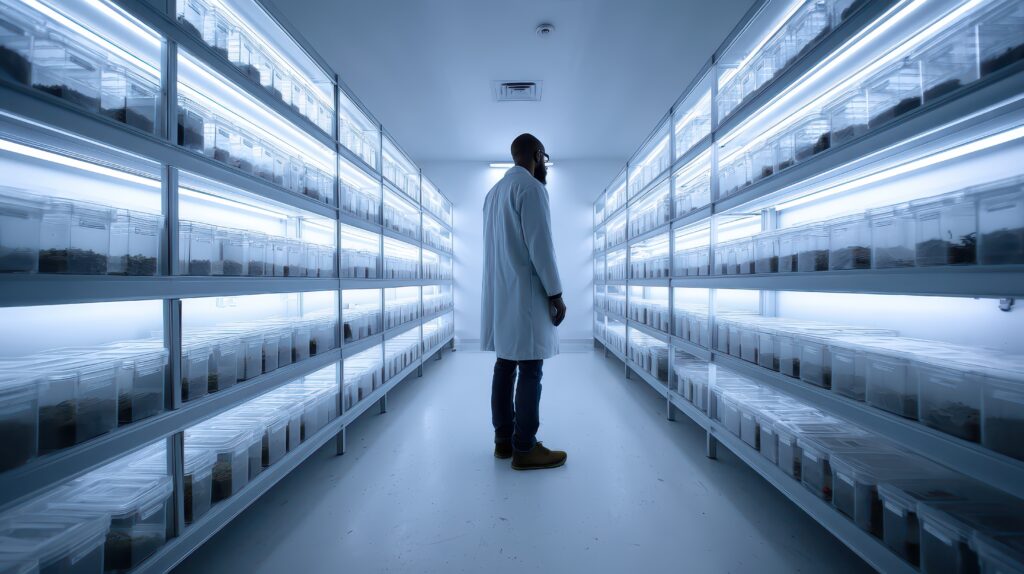
New research from Cornell University shows seed banks, long-lived reserves of dormant seeds in soil, could slow or limit the spread of gene drives in plants. The findings highlight a key challenge and potential safeguard for using gene drives in weed control.
No todos los cultivos son iguales

Científica investigadora con casi 10 años en el Instituto Nacional de Investigaciones del Tabaco de Cuba, liderando mejoramiento genético, huella genética por ADN, resistencia a enfermedades, caracterización de germoplasma y estudios de estrés mientras completaba un doctorado. Tras emigrar a Canadá, el estigma del cultivo obligó a cambiar su currículum, hasta reivindicar con orgullo su experiencia en tabaco.
All Crops Are Not Created Equal

Research scientist with nearly 10 years at Cuba’s National Tobacco Research Institute, leading tobacco breeding, DNA fingerprinting, disease resistance, germplasm characterization, and stress-response studies while completing a PhD. After emigrating to Canada, crop stigma forced a resume rewrite, proving plant breeding skills are undervalued when linked to tobacco. Today, that expertise is proudly reclaimed and recognized on a resume.
Marc’s Take: The Quiet Leaders Behind Seed Innovation and Why They Matter More Than Ever
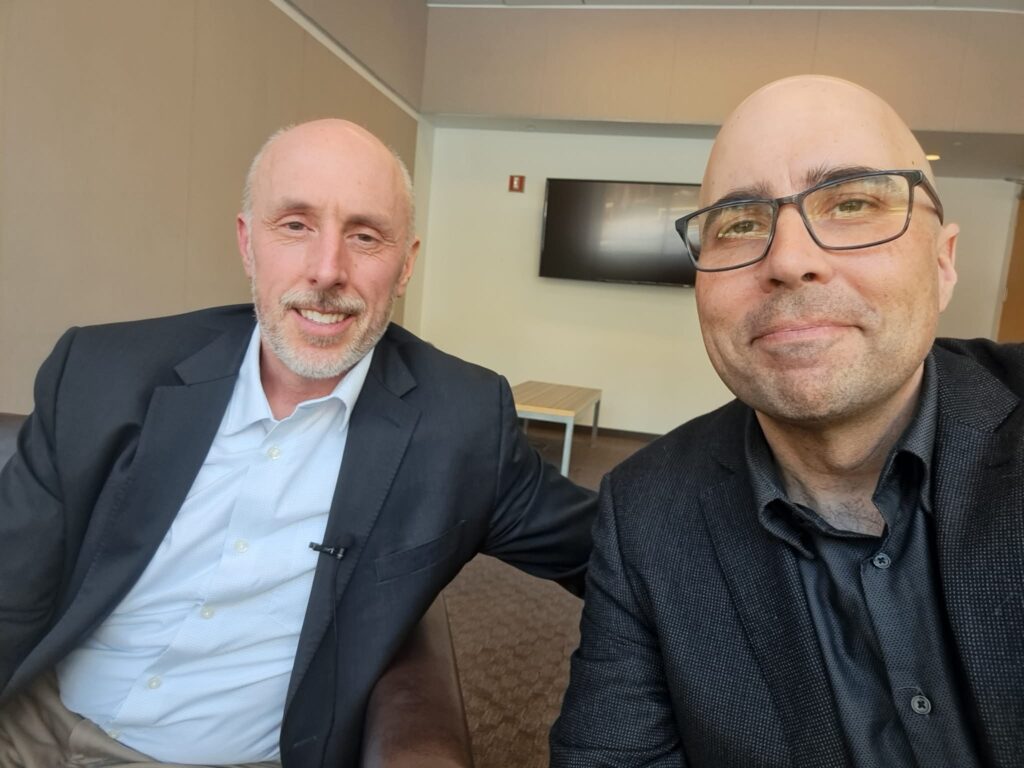
From wheat breeder Dean Spaner to pea scientist D.J. Bing, these stories highlight the human foundation of plant breeding, and why it’s critical for innovation
“I’m Dean”: The Humble Leadership of Wheat Breeder Dean Spaner Leaves Lasting Mark on Prairie Agriculture
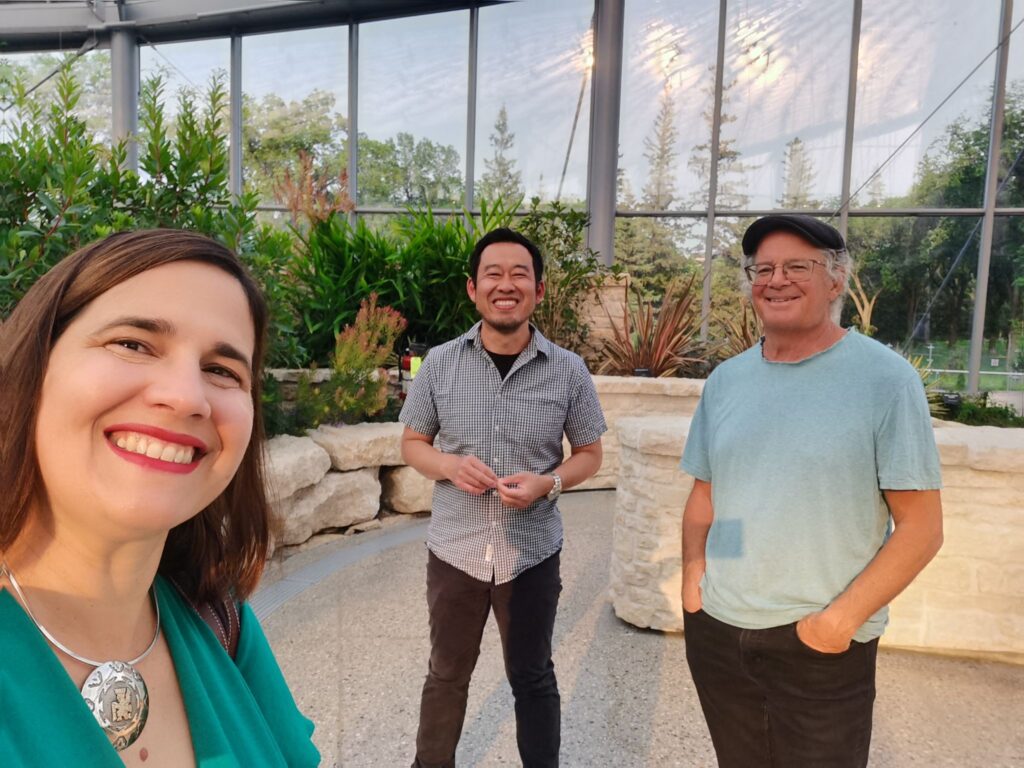
Known for his humility and sharp scientific mind, he transformed wheat breeding in Alberta while creating a lab culture that felt like family
New Platform Maps Brazil’s Wheat Trade, Industry and Production
Embrapa has launched the Trigo no Brasil digital platform, providing integrated data and maps on Brazil’s wheat value chain, from production to trade and processing. Designed to support policy and investment, the tool highlights expansion potential, regional dynamics, and infrastructure gaps, helping drive self-sufficiency, improve decision-making, and strengthen Brazil’s position in global wheat markets.
20 Most Promising Young Plant Breeders in Europe 2026
Seed World Europe’s April 2026 edition highlights the 20 Most Promising Young Plant Breeders in Europe, showcasing innovators shaping the future of agriculture. Combining classical breeding with genomics, AI, and data science, these young experts are advancing crop resilience, sustainability, and productivity to meet climate, food security, and agricultural challenges across Europe’s evolving seed sector.
Innovation in Agriculture Depends on Plant Breeders’ Rights, Says UPOV President

Balancing tradition and innovation remains the key challenge in building a sustainable breeding ecosystem, says Anthony Parker
Producing More With Less | On the Brink Season 1: Episode 6
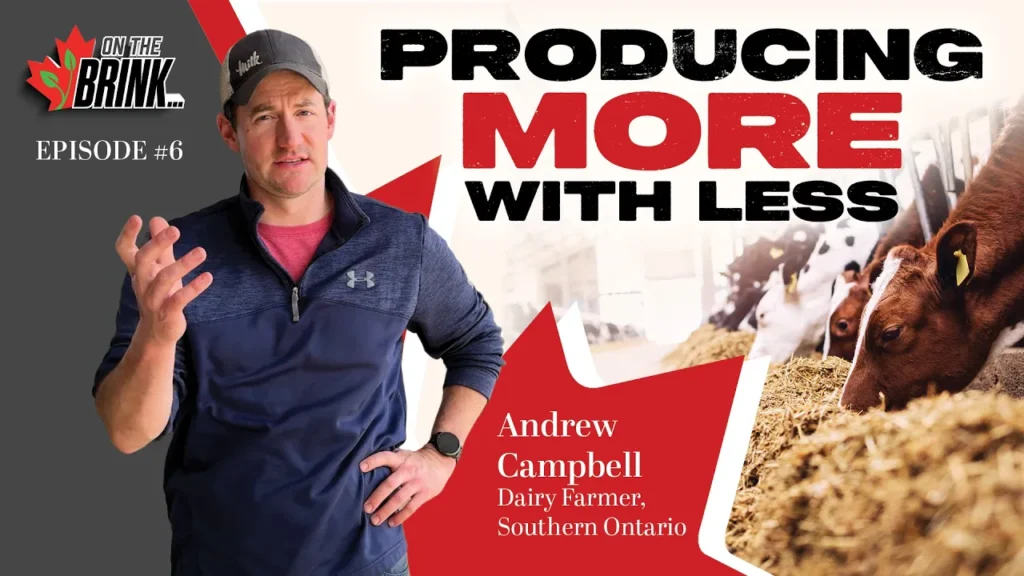
Dairy farmer Andrew Campbell explains why producing more with less on Canadian farms depends entirely on keeping plant breeding research in Canada.
Nueva plataforma digital analiza el comercio, la industria y la producción de trigo en Brasil
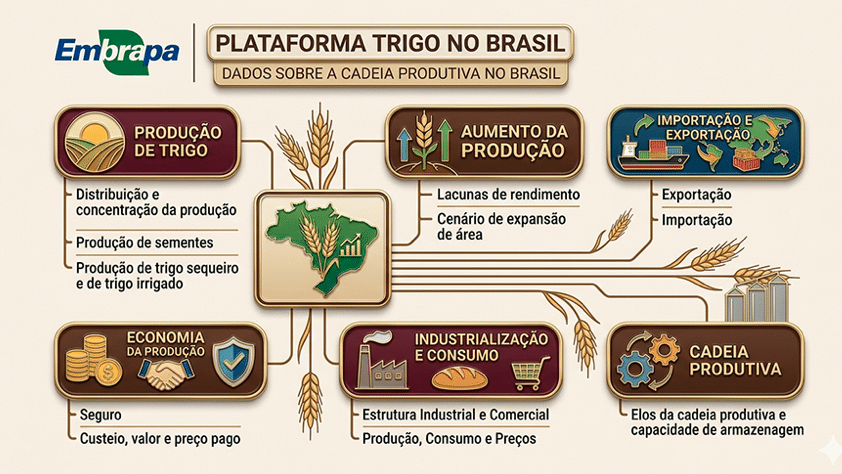
Embrapa lanzó la plataforma digital Trigo no Brasil, que integra datos y mapas sobre toda la cadena del trigo en Brasil, desde producción hasta comercio e industria. Diseñada para apoyar políticas e inversiones, la herramienta destaca el potencial de expansión, dinámicas regionales y brechas de infraestructura, impulsando la autosuficiencia, mejorando decisiones y fortaleciendo la posición del país en mercados globales.
Defining Seed and Food Security

Food security is understood differently across cultures, with China prioritizing it as a core national security issue while Western societies often take it for granted. This contrast shapes attitudes toward seed research and innovation. The article explores how regulation, public perception and policy influence agricultural progress and highlights growing concerns about the future of food security in Western systems.
Seed Programs International Connects Smallholder Farmers to the Seed Sector
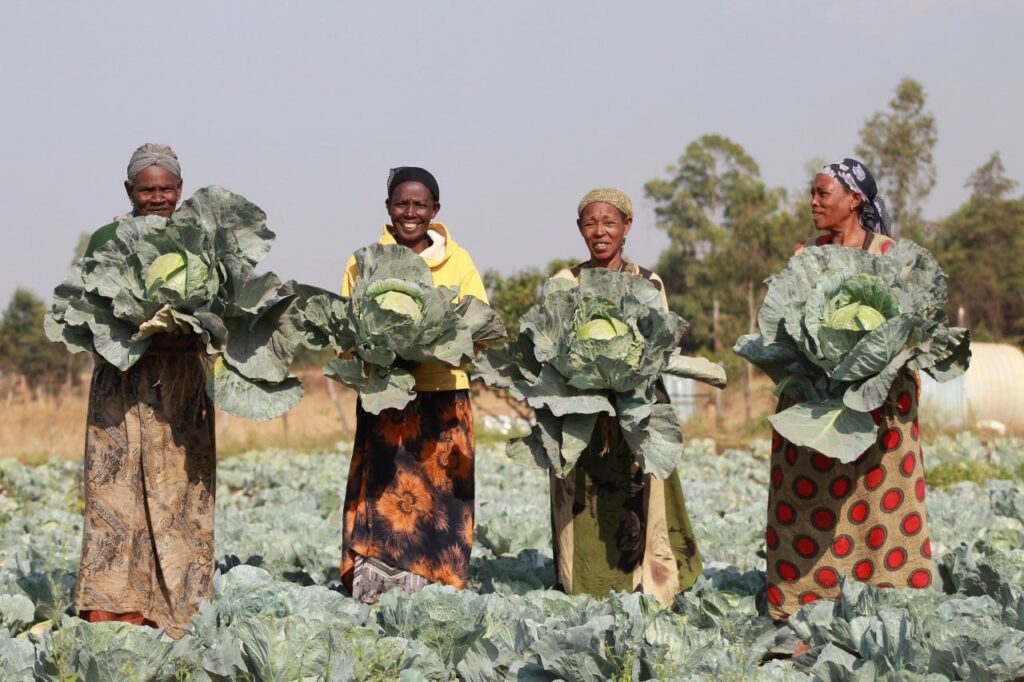
A small team, a global network and millions reached — Seed Programs International connects smallholder farmers to the seed sector, turning donations and partnerships into measurable food security impact. At […]
New Soybean Variety Targets Herbicide-Resistant Weeds
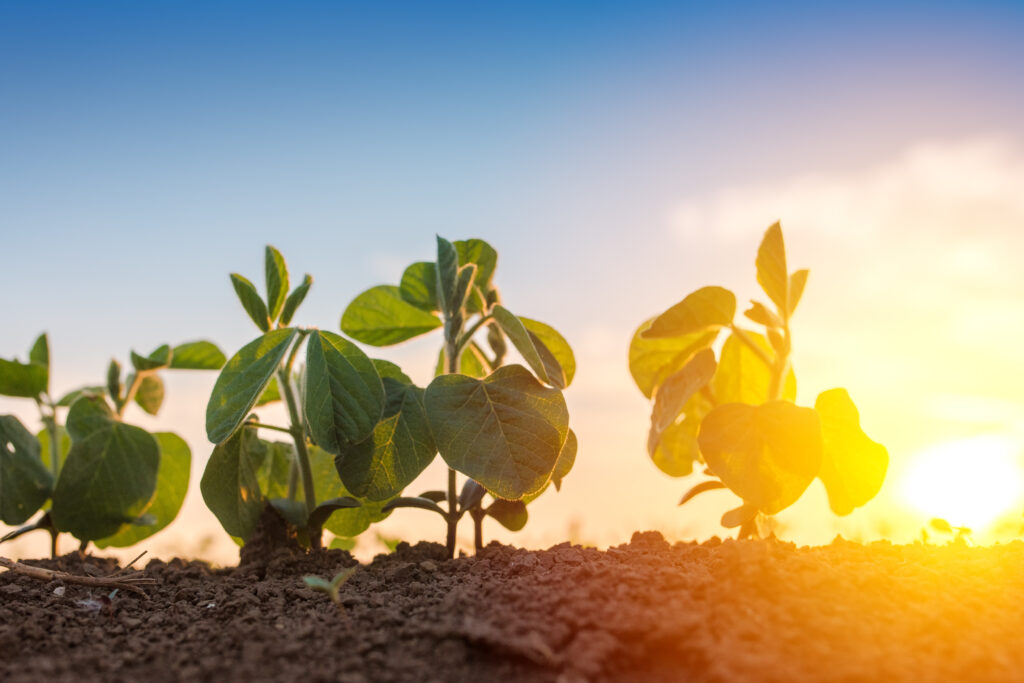
Embrapa Soja and Caramuru Alimentos have launched BRS 579, a high-yield soybean cultivar for north-central Mato Grosso that combines strong plant health with STS herbicide tolerance. The new variety offers growers greater flexibility in weed management, resistance to key nematodes, and an alternative to glyphosate-based systems, supporting productivity, profitability, and more sustainable soybean production in Brazil.
Drones and AI Transform Wheat Crop Monitoring for Climate Resilience
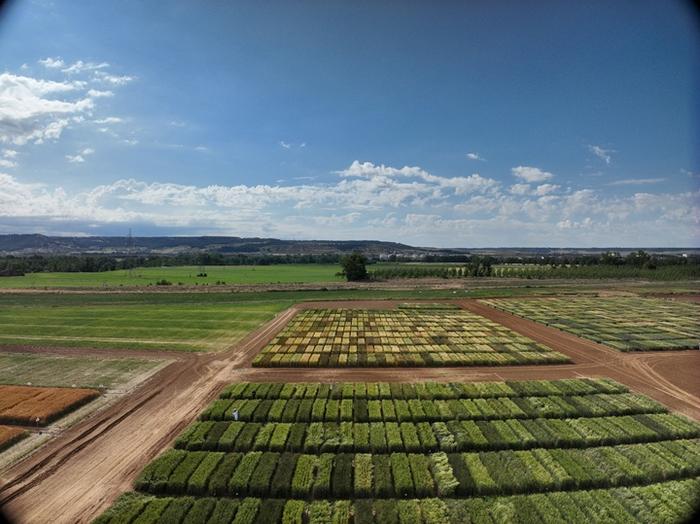
Drones and artificial intelligence are transforming how scientists monitor wheat crops and identify climate-resilient varieties. By tracking crop growth with advanced imaging and sensors, researchers can predict yield and stability before harvest. This approach helps breeders select wheat crops that perform reliably under drought and heat, improving food security while reducing time and costs in crop development.
A Quiet Giant in Pea Breeding: Remembering AAFC Scientist D.J. Bing
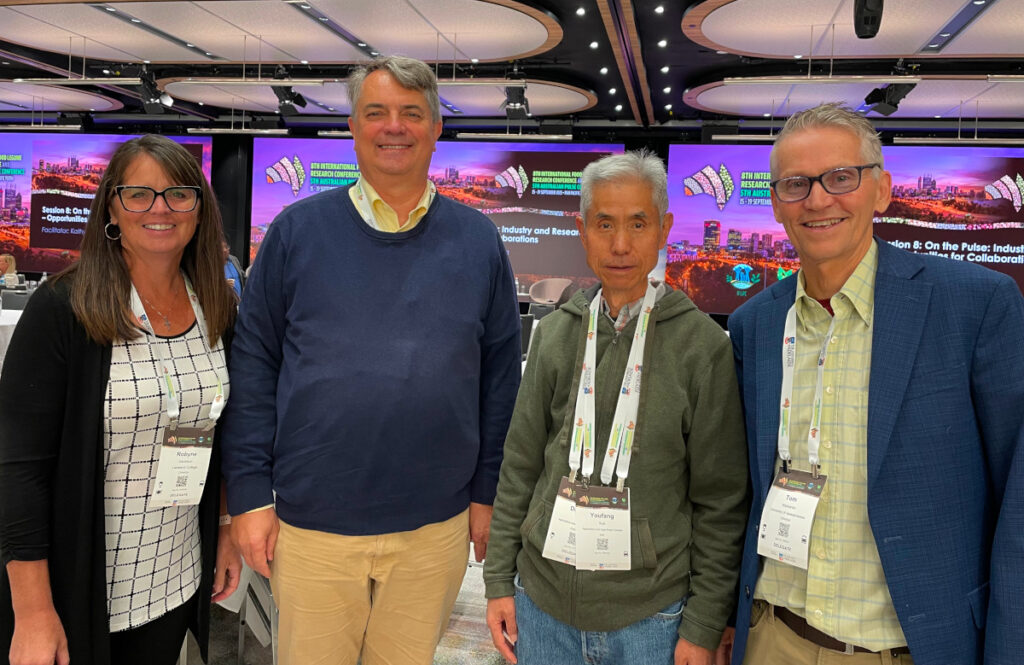
Colleagues recall a humble, dedicated breeder whose work advanced field pea genetics while his mentorship and integrity left a deep impression