A national-scale analysis has confirmed the potential of deep-rooted tropical grasses, such as brachiaria, to increase soybean productivity and improve soil health in Brazilian cropping systems.
Led by Embrapa and published in Agronomy Magazine, the study brings together evidence from research conducted across Brazil and reinforces the role of tropical grasses in the sustainable intensification of crop production.
The findings come from a meta-analysis conducted by researchers from Embrapa Cerrados (DF), in partnership with Embrapa Solos (RJ), the Instituto Federal Santa Catarina (IFC) and the Federal Technological University of Paraná (UTFPR). A meta-analysis gathers and evaluates results from multiple studies on the same topic, allowing broader and more robust conclusions.
“Tropical grasses are increasingly present in Brazilian agricultural systems. However, there was still a lack of a national-scale evaluation of the impacts of this practice on soil health and soybean productivity. We carried out this work to cover this gap,” said Embrapa Cerrados researcher Ieda Mendes.
According to Mendes, the meta-analysis published in Agronomy Magazine reviewed 55 papers published through February 2026, covering field trials in 33 locations across Brazil. The objective was to evaluate how deep-rooted tropical grasses, used as predecessor crops before the main annual crop, affect biological indicators of soil health and soybean productivity.
Results
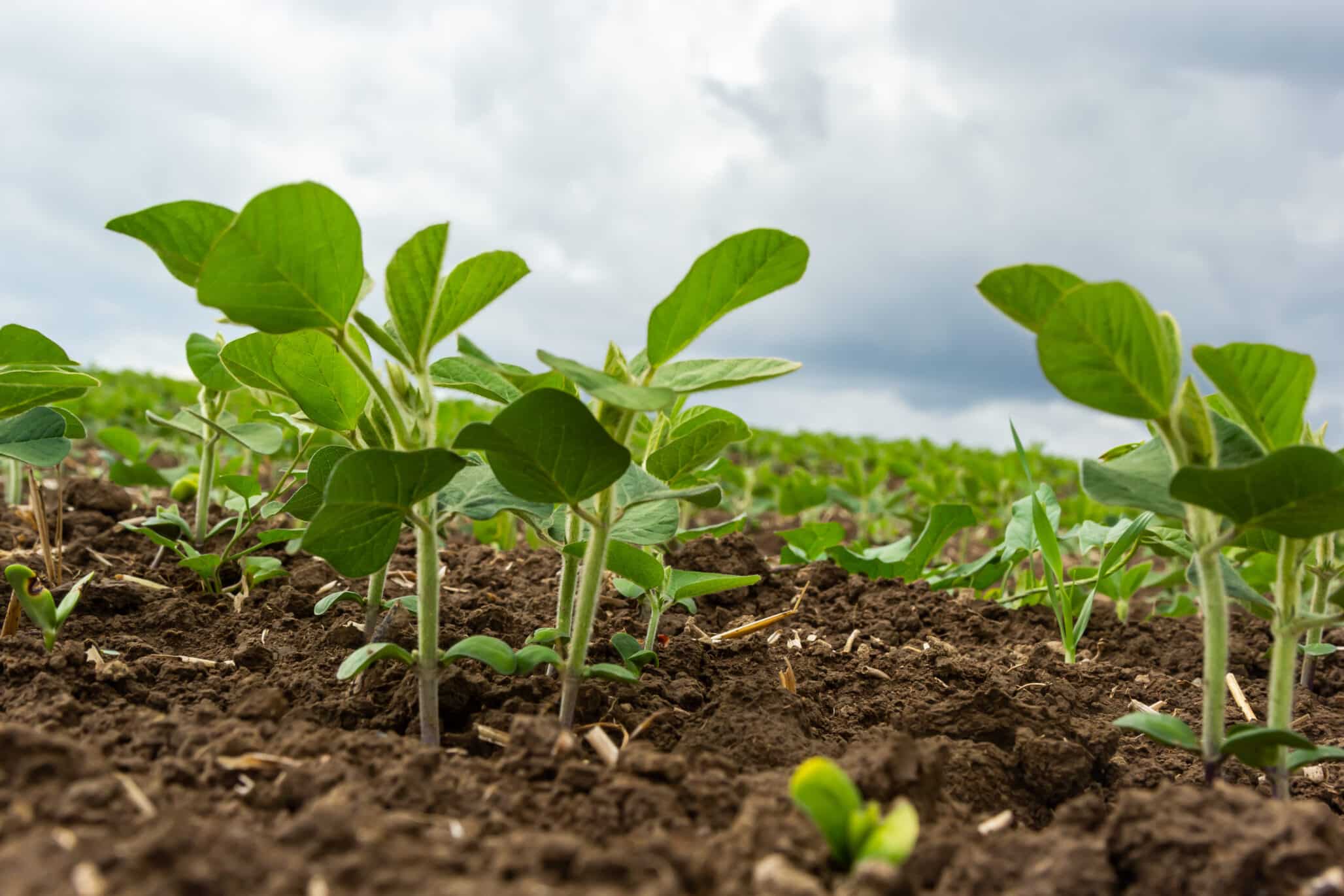
The results showed that deep-rooted tropical grasses, especially species in the genus Urochloa — formerly known as Brachiaria — can increase soybean productivity by 15%. This represents an average gain of 515 kg/ha and additional revenue of US$198/ha.
The analysis found positive effects across different forage species, management systems, soybean cultivars and soil and climate conditions.
For brachiaria, establishment costs are relatively low. With seeding rates of 3 to 10 kg/ha and an average seed price of US$3/kg, the cost of introducing the grass into cropping systems ranges from US$9 to US$30/ha, according to a press release.
According to the researcher, soil health indicators also improved significantly in areas cultivated with brachiaria. The largest increases were observed in arylsulfatase activity, up 35%, and β-glycosidase activity, up 31%. These were followed by acid phosphatase, up 20%, microbial biomass carbon, up 24%, and organic carbon, up 11%.
“In general, soil enzymes responded more intensely to the use of tropical grasses, with average increases of about 31% – almost three times higher than those observed for organic carbon. This result reinforces the potential of these enzymes as sensitive indicators of changes in soil health. It is important to note that during the literature search, publications were identified on the effects of tropical grasses on the chemical and physical attributes of the soil. However, due to the low number of comparisons available, these studies could not be included in the meta-analysis,” explained the researcher.
Of the 55 publications evaluated, 18 were published between 2011 and 2020, while 37 were published between 2021 and 2025. None of the studies covered the period from 2000 to 2010. The sharp rise in recent publications reflects growing interest in the use of deep-rooted grasses in Brazilian crop production.
The productivity data were also strongly positive. Of the 173 comparisons evaluated, 154 showed soybean yield gains ranging from 30 to 2,200 kg/ha. Only 19 comparisons, or 11%, showed reductions, with losses ranging from 11 to 672 kg/ha. In most cases, those reductions were not statistically significant and were linked to management failures during grass establishment.
According to the researcher, the findings confirm the benefits of deep-rooted tropical grasses and their role in the sustainable intensification of tropical cropping systems, especially through improved soil health. “This, in turn, results in an increase in soybean productivity in most agronomic and environmental conditions,” he said.
Implications For Sustainable Intensification
According to the researcher, the meta-analysis provides strong evidence that deep-rooted tropical grasses, especially species of the genus Urochloa, should be viewed not only as cover crops, but also as biological inputs in regenerative and conservation-based cropping systems.
“Its ability to provide multiple ecosystem services – such as promoting microbial activity, improving soil aggregation and nutrient cycling, increasing organic carbon stocks and greater water infiltration – positions these grasses at the forefront of nature-based solutions for sustainable intensification,” he says.
In this context, these grasses act as living bioinputs, helping to regenerate soil health while increasing crop productivity. According to Ieda Mendes, this broadens the concept of bioinputs beyond formulated products to include living organisms, such as plants, that interact with agroecosystems to promote resilience, efficiency and sustainability.
“The large-scale adoption of these grasses as predecessor crops in soybean production systems therefore represents not only a technological solution, but a strategic investment in soil as a living asset, which reinforces the central role of biological functionality in promoting the sustainability, productivity and resilience of agroecosystems”.