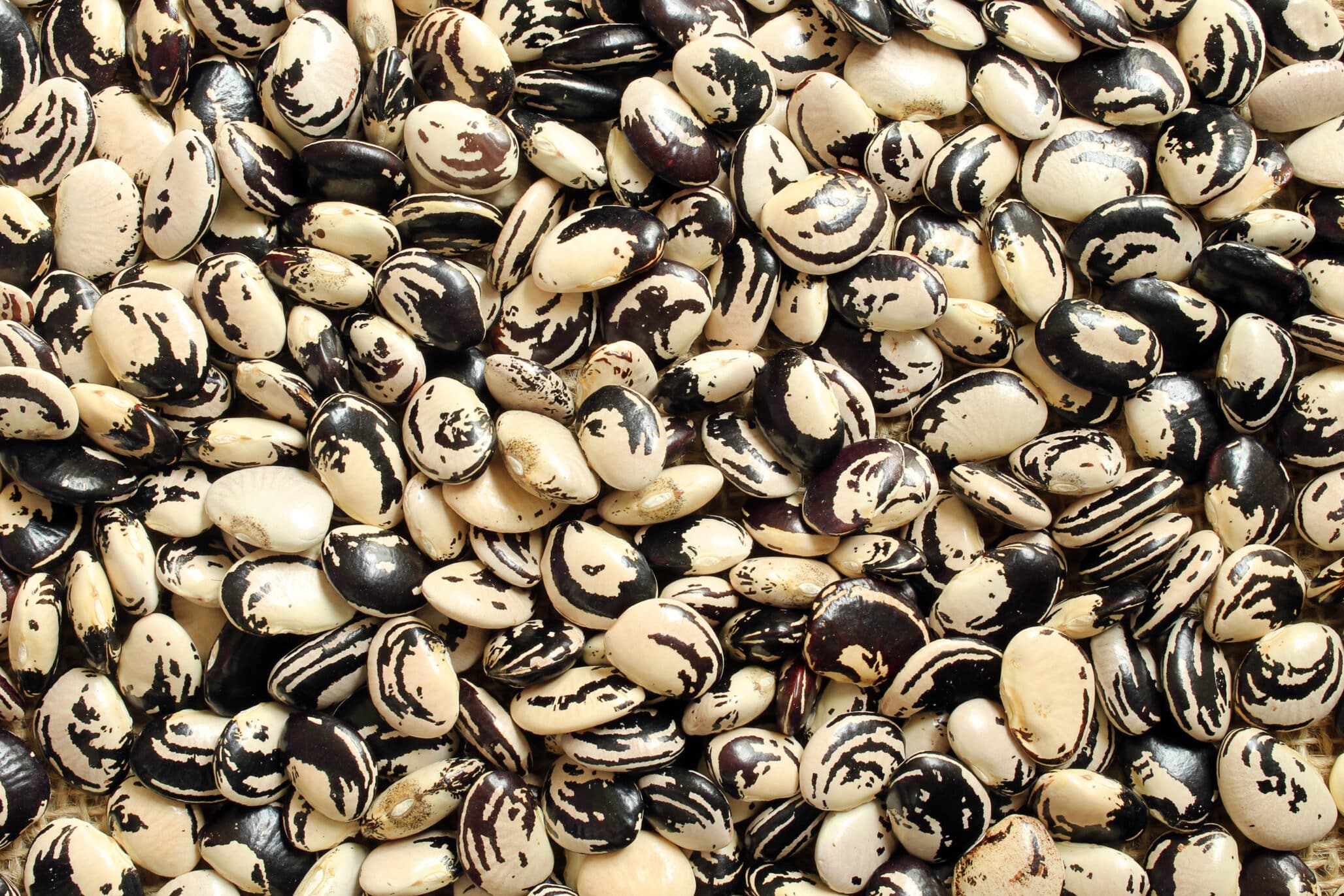
The latest deposit adds 24 accessions of cashew, fava beans, peanuts, castor and sesame to Brazil’s collection in the world’s largest agricultural safety reserve.
Embrapa President Silvia Massruhá delivered another shipment of Brazilian seeds to the Svalbard Global Seed Vault in Norway on June 10, expanding the company’s contribution to the world’s largest agricultural safety reserve.
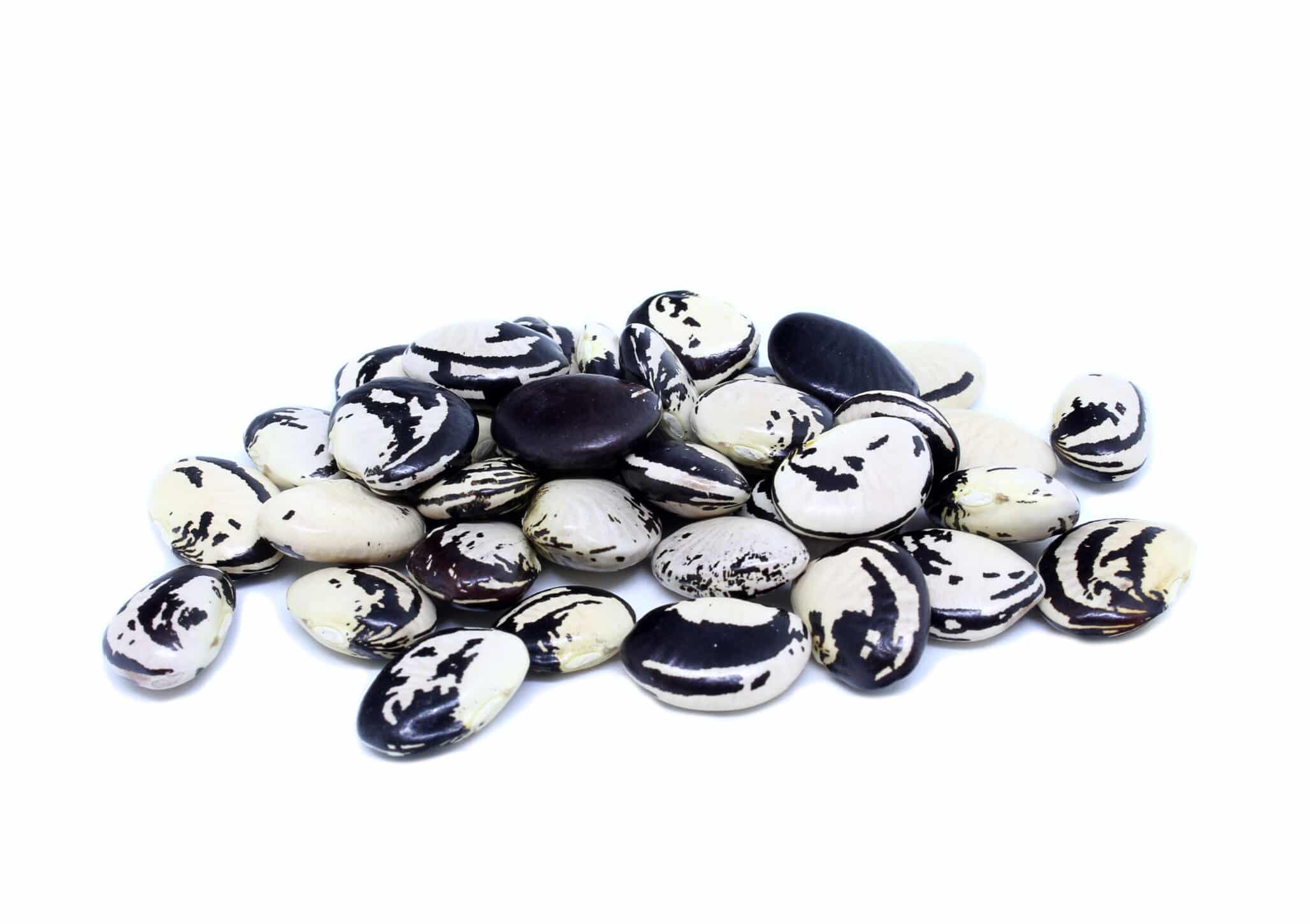
The shipment includes 24 accessions: cashew (2), fava beans (7), peanuts (4), castor (3) and sesame (8). They will be added to the 8,125 accessions Embrapa has already deposited in the Norwegian vault, which is designed to protect agricultural biodiversity from global threats including wars, climate change and pests.
Massruhá was accompanied by Labex Europe Coordinator Elcio Guimarães, who will continue the relationships and activities identified as potential areas for institutional partnership with the organizations visited and Embrapa research units. Before visiting the seed depository, Massruhá met with Svalbard Gov. Lars Fause. At the vault, she was received by coordinator Åsmund Asdal.
A Global Reserve for Agricultural Biodiversity
Located on the island of Spitsbergen in the Svalbard archipelago, the vault currently preserves about 1.38 million seed samples from more than 5,000 species, originating from 223 countries and territories, according to a press release.
Because shipments are not made directly by national governments, samples arrive through approximately 120 research institutions and gene banks in more than 85 countries. These centers collect and safeguard agricultural diversity from regions around the world.
Massruhá said Embrapa’s deposit in the Svalbard Global Seed Vault is a source of pride and, above all, responsibility for the future.
“This initiative represents a safeguard of the world’s agricultural biodiversity and reinforces the commitment of Brazilian science to food security, the preservation of genetic resources and the ability to respond to the challenges imposed by climate change. By taking to Svalbard materials developed in Brazil, we show the world the relevance of our agricultural research and Embrapa’s contribution to increasingly sustainable, resilient and innovative agriculture,” he emphasizes.
Brazil’s Contribution to the Vault
Since 2012, Embrapa has represented Brazil in the global vault. According to Embrapa Genetic Resources and Biotechnology researcher Juliano Pádua, the largest number of deposited accessions are rice (4,850), beans (514) and corn (739).
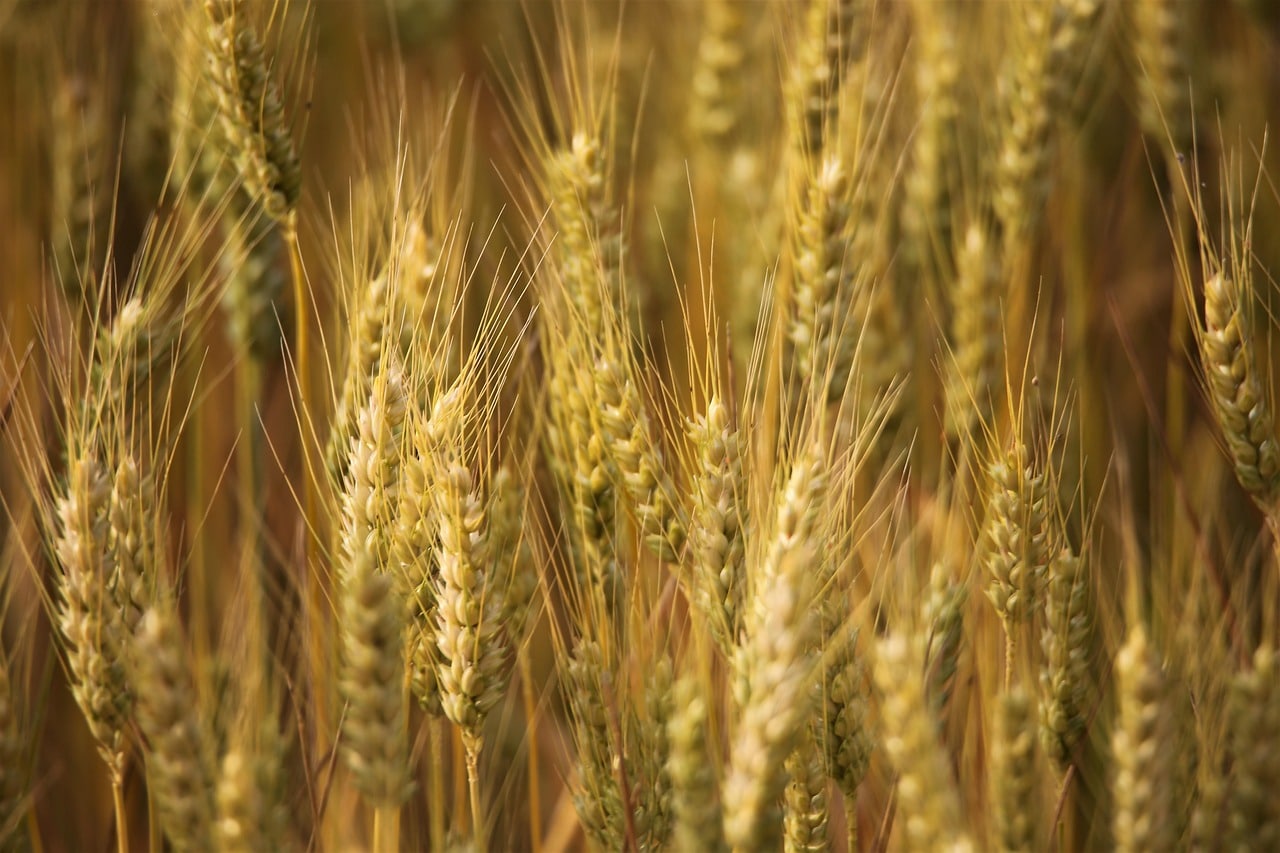
The collection also includes forage species such as Andropogon, Stylosanthes and Paspalum; fruit trees including cashew and passion fruit; vegetables such as pumpkin, melon, watermelon, onion and lettuce; forest species such as pine; as well as soybeans (17) and wheat (3).
“The massive presence of beans, rice and corn reflects the basis of our diet and meets one of the recommendations of the Bank of Svalbard regarding the relevance for food security and sustainable agriculture. In addition, they are crops that, despite not originating in Brazil, have been cultivated in the country for centuries and, therefore, have characteristics of rusticity and adaptation to national conditions,” he reinforces.
The accessions delivered by Massruhá came from several Embrapa units: cashew from Embrapa Agroindústria Tropical; fava beans from Embrapa Genetic Resources and Biotechnology; and peanuts, castor and sesame from Embrapa Algodão.
Brazil’s Own Seed Bank
The shipment of Brazilian seeds to the Norwegian vault is another Embrapa action aimed at supporting food security for current and future generations. Since its creation in the 1970s, the company has made the conservation of seeds important to agriculture and food a priority.
Today, Embrapa maintains the largest seed bank in Brazil and Latin America and one of the largest in the world, with nearly 126,000 samples from 1,213 species.
The Brazilian vault is maintained at Embrapa Genetic Resources and Biotechnology in Brasília and preserves seeds at 18ºC below zero, under conditions similar to those of the Norwegian vault, helping ensure they remain viable for tens or hundreds of years.
Embrapa’s plant genetic bank currently has the capacity to preserve 600,000 seed samples in four cold rooms. There is also space for two additional chambers, which would expand storage capacity to up to 900,000 samples.
Preserving Resources for Future Research
Embrapa also invests in the preservation of animal species and microorganisms important to Brazilian agricultural research.
The company’s genetic collection, which includes native and exotic materials, is available to Brazilian science for research and development of sustainable technological solutions, such as bioinputs, among others, for the benefit of Brazilian society.