This Borlaug Scholar is blending a livestock background, a passion for plant science and a technology-first mindset to help feed a growing world.
Plant breeding wasn’t necessarily where Karlee Klemm expected to end up.
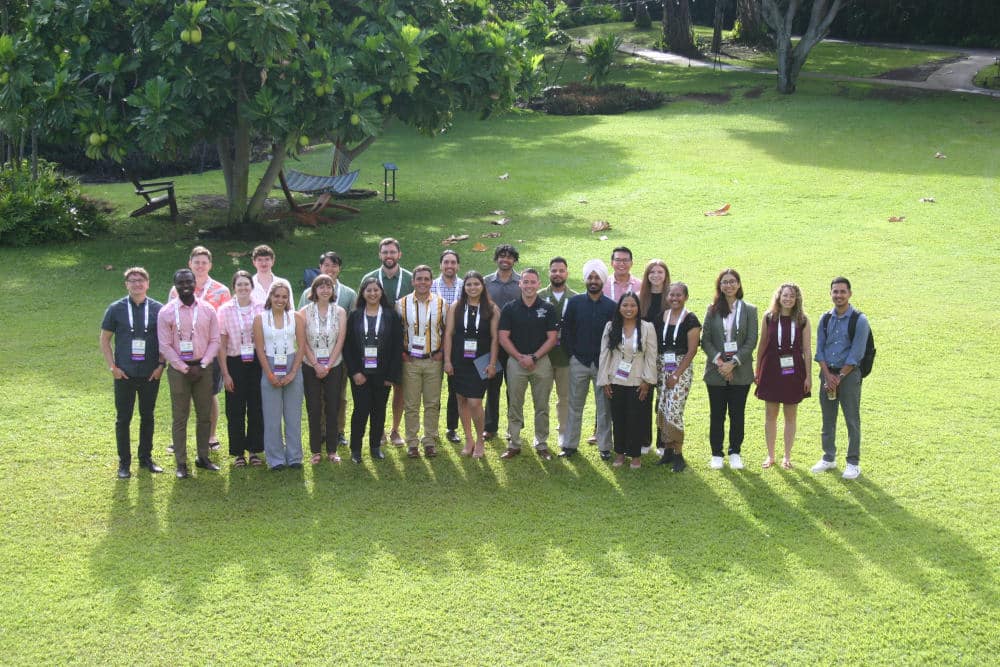
Growing up in a multigenerational livestock family, her world revolved around dairy cattle, chickens and the day-to-day realities of animal agriculture. Today, however, she’s helping shape the future of crop production as a National Association for Plant Breeding (NAPB) Borlaug Scholar and rising senior at the University of California, Davis.
Easy Transitions
For Klemm, the transition doesn’t feel like a departure at all. In fact, she sees livestock and plant breeding as inseparable.
“You need plant breeding to feed your livestock,” she says. “You need plant breeding to feed the world. We need plant breeding to keep up with the global demand for food, clothing and life,” she says.
That perspective comes from a lifetime of seeing agriculture as one interconnected system.
Klemm describes herself as a fifth-generation livestock producer and the first person in her family to attend college. Her father also helped shape her path into plant science. He serves as forage manager for the last remaining dairy in San Diego County, exposing her to the important relationship between crops and animal production from an early age.
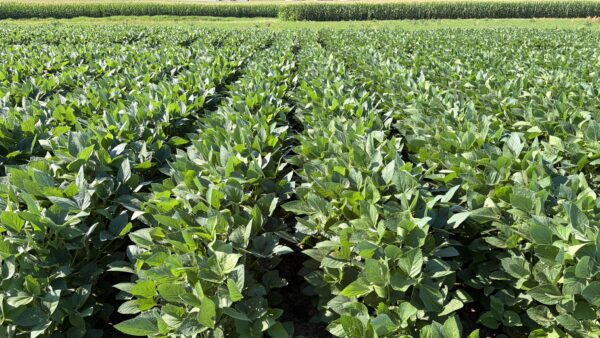
Today, her research portfolio at UC Davis spans peppers, sorghum and finger millet. Much of her work focuses on improving crop performance through enhanced production, disease resistance and drought tolerance.
Breeding Still Matters to Farmers
But she always brings farmers back into the conversation.
“We want to provide something that you can sell, that not only you can make money from, but the global economy can make money from, and not only that, but enhance nutrition,” she says.
Klemm also believes her generation has a unique perspective on one of the biggest changes happening in plant breeding today: technology.
Her answer to what younger breeders see more clearly than older generations was immediate; technology.
At the same time, she doesn’t view that as a generational divide that needs to be overcome. She does see it as an opportunity for collaboration.
“I think bridging that gap between the senior breeders and us and kind of working together to figure out that technology is important,” she says.
Programs like the Borlaug Scholarship are helping accelerate those connections.
Without the scholarship, Klemm says she likely would still be working in the lab without understanding the breadth of opportunities available across the industry.
Instead, she’s building a professional network while also gaining a broader understanding of the role plant breeding plays throughout agriculture.
Asked to describe her research in a single word, she didn’t hesitate.
“Impact.”
For someone just beginning her career, it’s a simple answer that already feels like a mission statement.