Open-pollinated winter rye varieties may unlock new revenue streams for farmers and new spirits for distilleries.
University of Kentucky (UK) researchers are part of a group working to develop locally adapted rye that can perform economically under Kentucky growing conditions while potentially creating new markets for seed and grain. If successful, farmers could grow, harvest and plant rye for cover crops. And, they could sell the grain as cover crop seed, or to the brewing, baking or distilling industries.
The Search for Kentucky Rye
UK provides technical help assimilating data and finding trends and opportunities for improvement, while developing a Kentucky specific open-pollinated winter rye. They also provide access to extension trials for yield, along with regulatory services for germination testing and distilling quality.
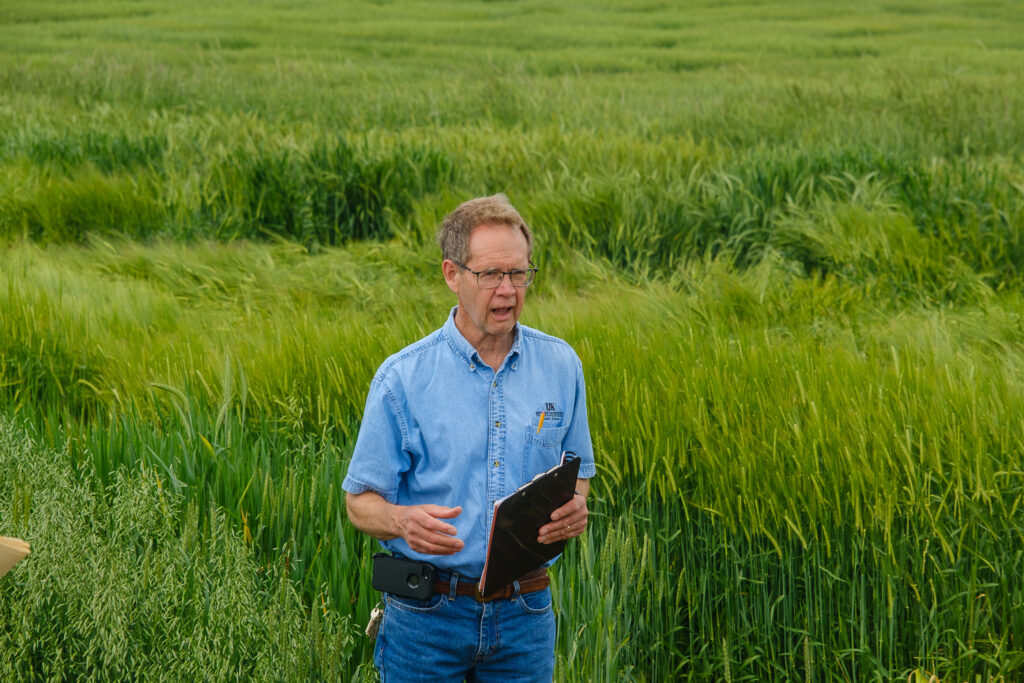
David Van Sanford, a long-time wheat breeder and geneticist in the UK Department of Plant and Soil Sciences, oversees the project. The primary objectives are to find open-pollinated rye varieties with short stature, early maturity and resistance to Fusarium head blight. They’re also conducting multi-location variety trials, developing new cultivars of rye for Kentucky and testing agronomic protocols like specific planting dates and optimal nitrogen rates. As project director, he wrote grants to secure the project’s funding.
Three others from UK conduct much of the research. Forage grass breeder and associate professor Tim Phillips manages plant breeding. Plant breeder and geneticist Lauren Brzozowski oversees genomics work. Chad Lee, extension professor and agronomist for corn and bourbon grains, is the project’s agronomist and he studies economics.
The researchers select the best performing lines. If they find any with promise, they advance and continue testing them until they select one or more for seed increase.
“The seed increase will allow them to test the lines at field-scale levels,” Lee says. “The final seed increases will allow them to sell or distribute to farmers. The ‘open-source’ concept allows farmers to keep seed and sell or distribute with other farmers.”
Making Genetics and Economics Work
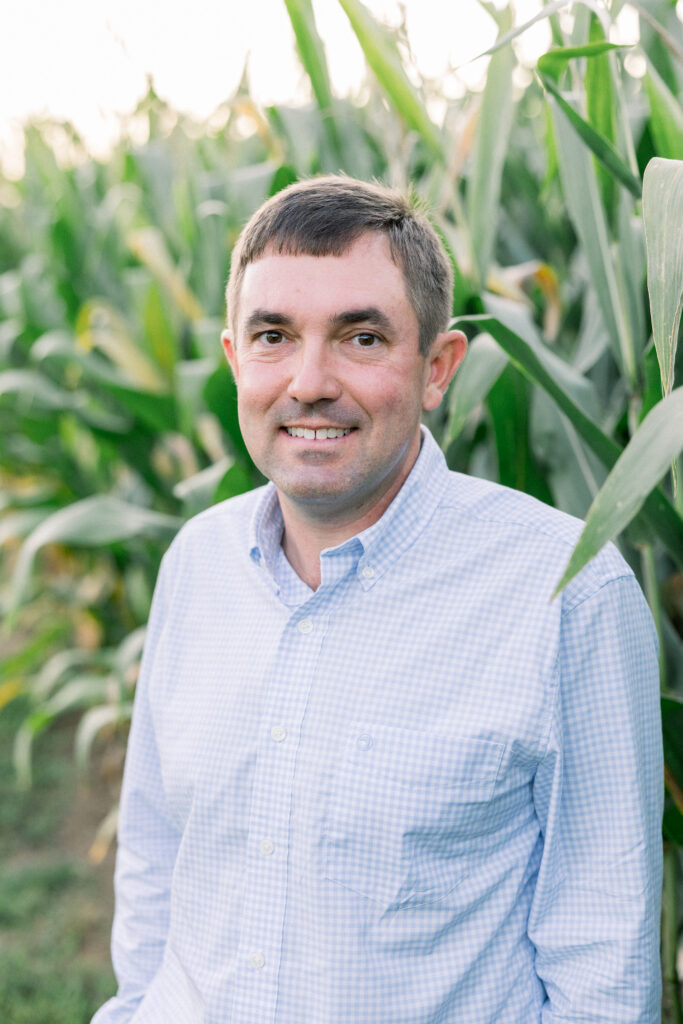
UK researchers began by using genetics from Germany for their study.
“We are 100 years behind the German and Polish genetics. They have been improving ryes for a long time,” Lee explains. “When rye left our region in the 1920s, so did any efforts to improve the genetics. Whether it’s Germany or northern Minnesota or up into Canada, those rye hybrids do well. We learned early on hybrids usually do better than lines.”
A line is genetically consistent from one generation to the next. Lee says it is a stable cultivar in which the offspring is genetically identical to the parent. Hybrids are more resilient to stress and have higher yield potential, but hybrid seeds cost more. In Northern Germany, where these rye hybrids were developed, their higher yields justify their higher seed cost.
“Hybrids don’t work as well for us. We do not see enough of a yield increase in our environment to pay for the extra expense of the hybrid seed,” Lee says. “If Lauren, Tim and Dave can find some improved lines adapted to our climate, that can help farmers make rye profitable in the region. For a better economic return, we must find a locally adapted line that yields closer to what a hybrid yields.”
Hybrid seed planted by a farmer is the result of a cross between two distinctly different parents. That resulting hybrid seed will produce more vigorous plants and yield better than either parent. However, Lee says new hybrid seeds must be produced every year. Rye from KWS seeds and other German and Polish seed companies are examples of hybrids.
“If researchers here can find a line or open-pollinated rye variety that is adapted to our climate and yields close to what current hybrids do, perhaps then farmers can be profitable with rye,” he says. “Also, that locally adapted variety might have a unique flavor profile.”
In the end, it’s a numbers game.
“Plant breeding is about how many different variabilities can you test at the same time and how easily can you sort through the data to find ones showing the most promise,” Lee says. “It’s still the traditional moving of the pollen from one plant to the another and looking at those crosses.”
Open-pollinated rye must outcross.
“Outcross means pollen from one plant must pollinate ovules on another plant,” Lee explains. The line of rye is also open-pollinated. If a line of rye is kept pure, the field will be open-pollinated, and the line can remain pure if isolated from other fields of rye.”
Why Open-Pollinated Rye Matters
Spencer Guinn of Circle G Farms in Boyle County, Kentucky says one advantage of open-pollinated rye varieties appears to be the length at which pollen is shed.
“The unevenness of the open-pollinated rye and the length of pollen shed can allow for extra opportunities for seed pollination if rain sets in for a week at the wrong time,” he says. “I’ve noticed in recent years of growing hybrid rye that excessive rain at flowering can create challenges with seed pollination and development. Heavy rains during the narrow hybrid flowering window can drop the pollen to the ground, rather than allow it to be airborne and spread to pollinate the crop.”
The project’s control variety, ND Dylan, is a tall, open-pollinated winter rye variety developed at the North Dakota State University Carrington Research Extension Center. It’s known for its high yield potential, good winter hardiness, medium-late maturity, and good straw strength. Phillips has developed other unreleased populations and Lee says one of farmers has increased these lines on his field.
The farmers are also growing small strips of rye called Kentucky 10 that’s showing potential.
“It matures a bit earlier than the other rye varieties,” Lee says.
If successful, he estimates there’s potential to grow open-pollinated rye on 40,000 to 50,000 acres in the state.
When Wheat Rules Don’t Apply
Part of the research focuses on quantifying any positive changes taking place over time in soil health that can be attributed to growing rye in the crop rotation. Researchers incorrectly assumed they could use their knowledge of wheat production as a baseline for growing rye.
“We had to rethink our approach and not be hampered by what worked in wheat,” Van Sanford says. “We won’t necessarily throw those ideas away, but we don’t cling to them.”
“Rye has an incredibly extensive root system. It’s great at scavenging nitrogen that might end up in the groundwater,” he says. “For some growers, it’s hard to change from the wheat mentality where they assume more nitrogen is better and that it punches up yields. However, with rye, we landed on applying 50 pounds of nitrogen per acre as a sweet spot. Our research showed no yield difference between applying 35- and 70-pound rates.”
Applying less nitrogen saves farmers money and it’s another shot in the arm for sustainability, reducing the odds of it reaching groundwater.
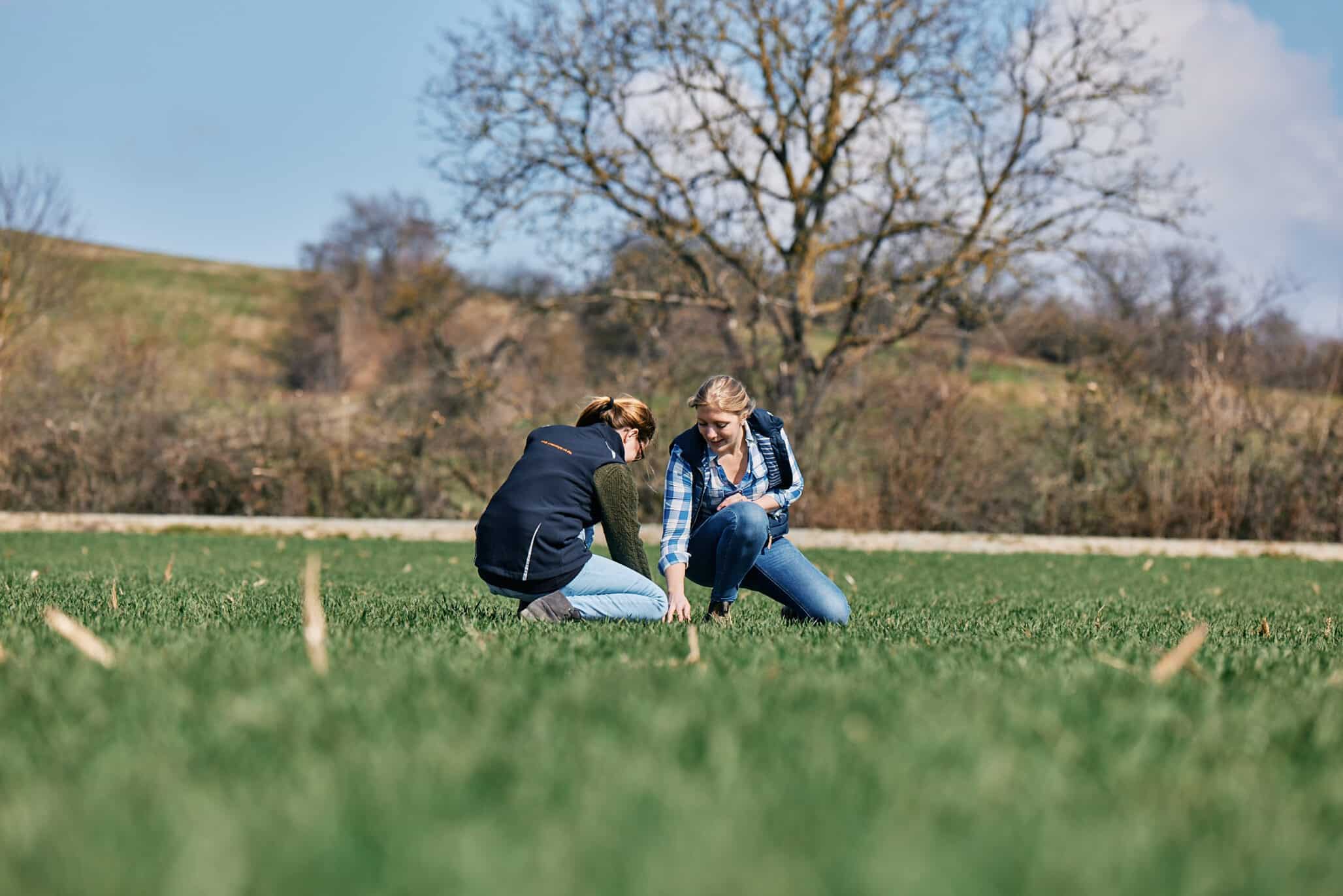
UK partners with farmers to grow small rye plots, with numerous replications and experiments using different varieties, planting dates, fertility and management practices. They first study small trials to find the best varieties and economic practices. If something works, they take it to farmers to prove it can grow on a commercial scale of at least 25 acres.
Heat, Rain and Head Blight
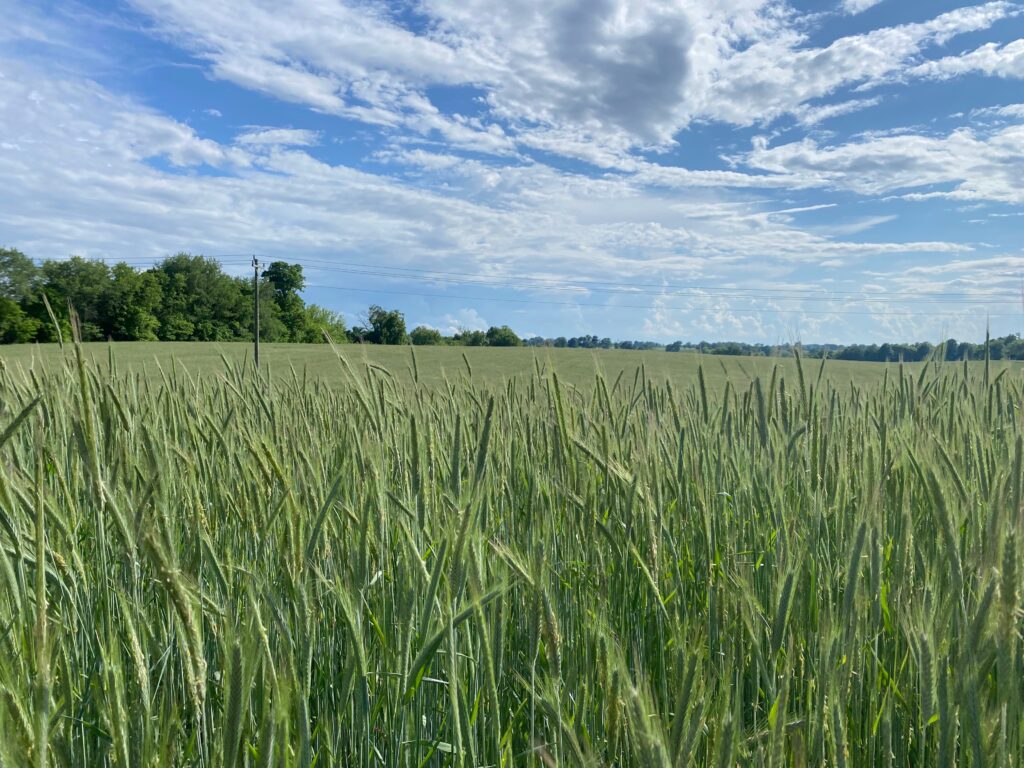
Growing rye in Kentucky is tough. Van Sanford says heat and rain during pollination are the main threats. Rye does not like temperatures above about 85 degrees F and all the modern genetics are developed for northern latitudes where the rye matures in July and August and temperatures rarely get above 85. Diseases like Fusarium head blight thrive in the warm, humid environment wrecking yields and lowering grain quality, so studying the disease is sometimes a challenge.
“Because of the weather this year, we had only a little rye featuring head blight, which is good for farmers, but it was not great for us in terms of what we saw on our scab nurseries,” Van Sanford says.
Sam Halcomb, who runs Walnut Grove Farms in Logan County, understands these challenges. His family works with UK, hosting wheat trials on their farm. Years ago, as part of their no-till farming practices, they used cereal rye for a cover crop and decided to harvest some of the grain and save the rye seed to plant next year’s cover crops. Then, distilleries began expressing interest in buying their rye, opening potential new revenue streams.
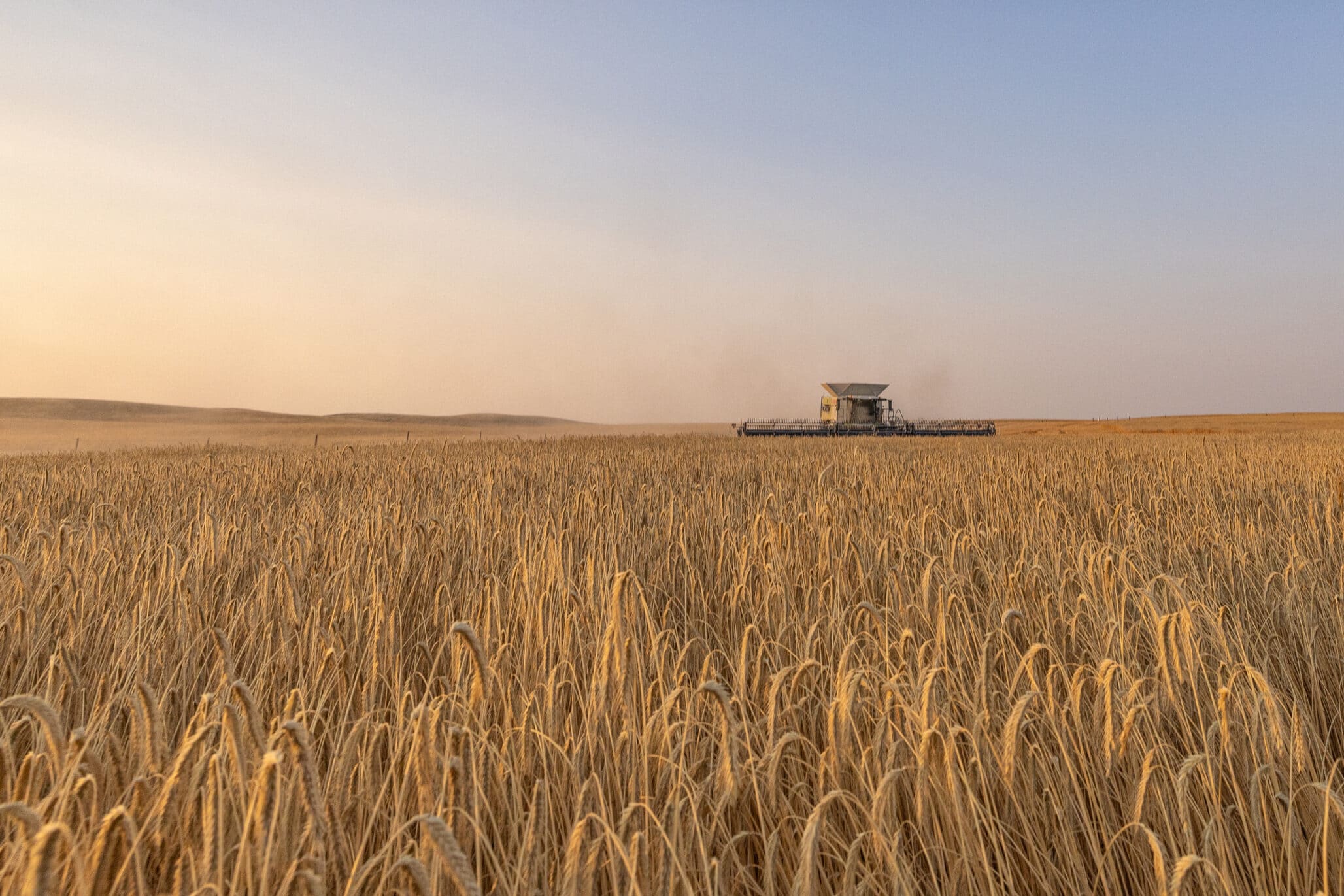
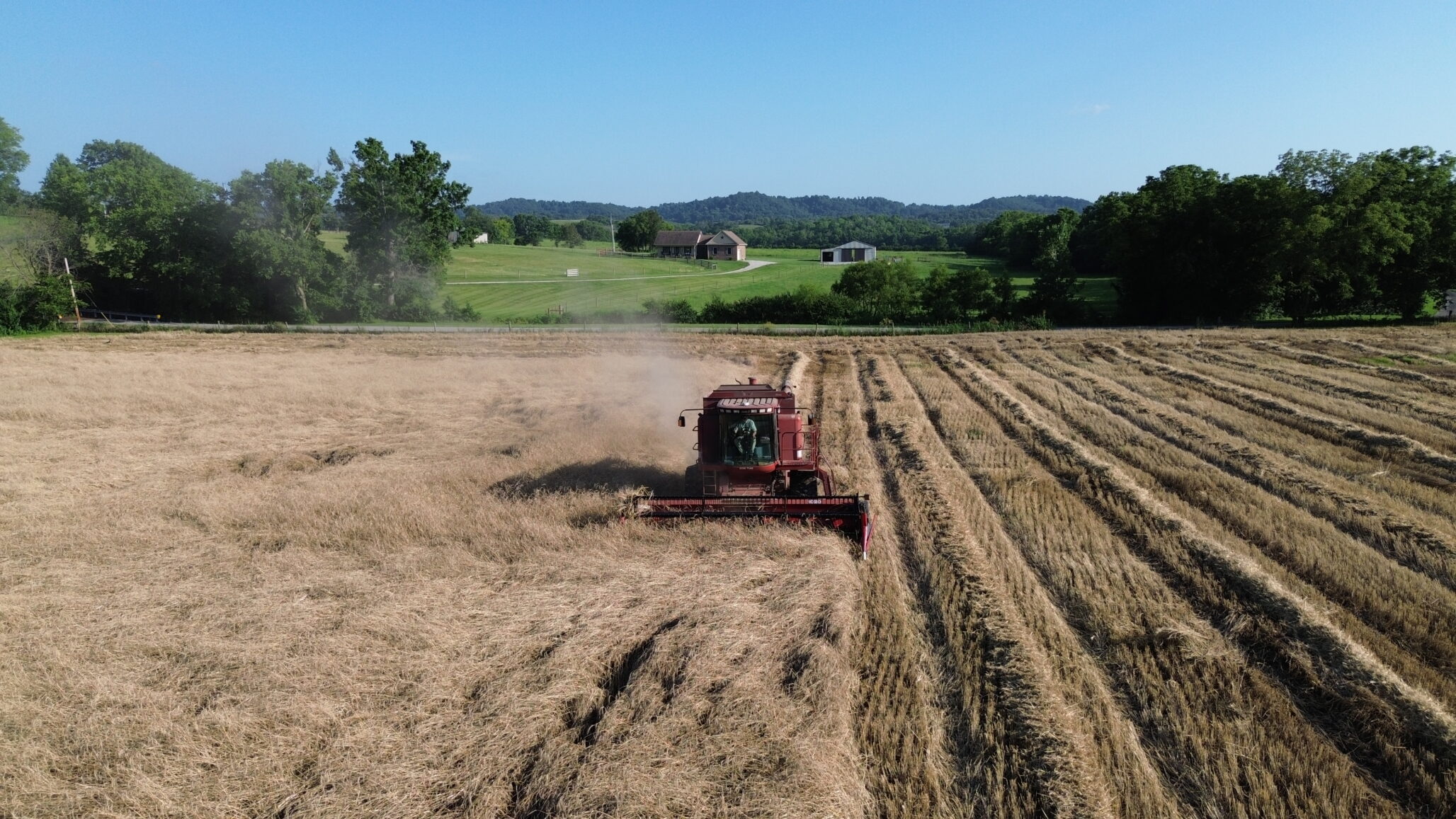
“Nobody in Kentucky was growing rye other than for a cover crop,” Halcomb says. “There was no research being done. Open-pollinated (rye) varieties were fine for a cover crop but were not productive for seed or grain production. Yields were not good. It was ridiculously tall and spindly, and it was a nightmare to harvest because it was usually lodged and had fallen over.”
From Cover Crop to Cash Crop
The Brown Family, Brown-Forman, Woodford Reserve and non-profit Dendrifund also partnered on the project, sharing their expertise and market insights.
“Rye is a great regenerative agricultural crop,” says Elizabeth McCall, Woodford Reserve Distillery master distiller. “It has a long root system that goes down about six feet, and it stabilizes your topsoil. It sequesters carbon from the atmosphere. If you can get it to go to seed and harvest that grain, and sell that to an end user, you could make it be not just a cover crop, but also an economic driver.”
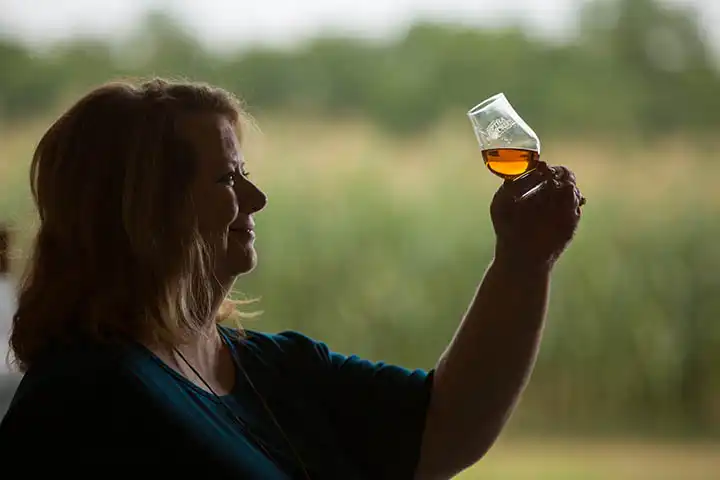
“The grain has been used in production and distillery trials with sensory tests being run on the final distillate,” she says. “We care about yield and how many starches it has that can be converted into alcohol, and the flavor. The goal is to have it taste the same but still bring the rye that contributes to the distillate into the process as a replacement.”
Sustainability goals are one reason Woodford Reserve got involved. If their distillery can source rye locally it reduces their carbon footprint and offsets possible supply chain disruptions. They’re also curious to see if Kentucky rye has a different flavor profile than the hybrids they had been using.
“If it tastes different or better, or unique, that gives the distiller an opportunity to innovate,” McCall says.
A Fourth Crop for Kentucky?
Overall, it will take more time to see the cumulative effects of rye’s presence in the crop rotation.
“The investment by Brown Forman to develop a crop that can benefit the entire bourbon industry shows their commitment to the sustainability of the craft,” Guinn says. “UK being willing to dedicate existing staff time, while also hiring breeding personnel to specialize in rye shows the crop’s potential and their commitment. I see a future for rye that may be a fourth crop (corn, wheat and soybeans being the three in a main rotation) if producers are patient to allow a Kentucky bred variety and subsequent market to develop.”