A $180 million investment will support sequencing of major crop collections, drawing support from the American Seed Trade Association.
The U.S. Department of Agriculture has announced a $180 million investment in its Seed Sovereignty Initiative to strengthen agricultural security and expand the use of plant genetic resources in crop research and breeding.
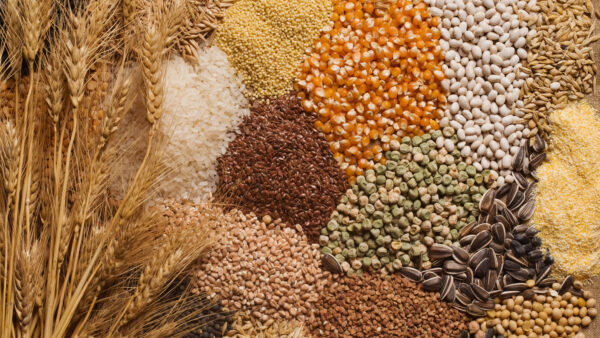
The funding will support the Agricultural Research Service’s National Plant Germplasm System, which holds more than 600,000 accessions representing over 16,000 species. USDA plans to sequence major crop collections to identify useful genetic traits and gaps in its holdings, according to a press release.
The American Seed Trade Association (ASTA) welcomed the investment, saying it would strengthen resources that underpin plant breeding, research and agricultural innovation.
Expanding Knowledge of U.S. Collections
USDA said the initiative would address gaps in its understanding of the genetic resources held in U.S. collections as foreign competitors acquire and sequence plant material worldwide.
Agriculture Secretary Brooke L. Rollins said the investment would prioritize American farmers by strengthening domestic seed resources, reducing reliance on foreign adversaries and supporting agricultural productivity.
“America’s agricultural resources are a strategic national asset,” said Deputy Secretary Stephen Vaden. “We need to survey our domestic resources, understand where we are vulnerable, and ensure the United States never has to rely on foreign competitors for critical agricultural resources.”
Identifying Traits for Future Crops
Over two years, USDA will characterize and sequence numerous NPGS collections, using advanced technologies to identify valuable traits. The work is intended to help researchers respond more quickly to emerging pests and diseases and develop new crop varieties.
“The National Plant Germplasm System contains tremendous untapped potential for American agriculture,” said Dr. Scott Hutchins, USDA undersecretary for research, education and economics and chief scientist. “Modern sequencing will allow us to unlock that potential and put it to work for American farmers, providing them a strong advantage.”
The initiative aims to build on the system’s preservation work by expanding understanding and use of its genetic resources.
ASTA Welcomes Long-Awaited Investment
ASTA has long advocated for the NPGS and its 22 seed bank facilities, which provide plant material for breeding, research and public-private collaboration.
The association helped secure a provision in the 2018 Farm Bill directing USDA to implement the National Strategic Germplasm and Cultivar Collection Assessment and Utilization Plan. The plan identified needs for safeguarding the collections and expanding their use.
“Today’s announcement by USDA is a long-awaited moment for the seed industry,” said Andy LaVigne, ASTA president and CEO. “ASTA has continuously highlighted the role the National Plant Germplasm System plays in the agricultural innovation pipeline. We commend the USDA’s efforts to strengthen and revitalize how we sustain, sequence, and safeguard this vital American resource. This development is a strong step forward, not just for the seed industry, but also for the entire agricultural economy, and ASTA remains committed to advocating for the future of the system.”
ASTA said accessible, publicly available plant material helps lower barriers to innovation and expand farmers’ choices.
“This focused investment allows institutions and companies of all types to accelerate groundbreaking research to deliver the next-generation seed products and plant varieties to our country’s farmers,” said Keri Carstens, an ASTA board member. “By improving our research capabilities, the U.S. can maintain our leadership in farmer productivity to feed, fuel, and clothe the world.”
Strengthening Seed Market Competition
USDA is also expanding its existing memorandum of understanding with the U.S. Department of Justice to strengthen competition in agricultural input markets, with a continued emphasis on seeds.
The department said the expanded partnership would support greater transparency, stronger competition and more choices for farmers in the seed marketplace.