Pioneer’s century mark says as much about survival as it does about success — and offers a window into what it takes to last in one of agriculture’s most unforgiving sectors.
A hundred years is a long time in any business. In seeds, it’s entirely something else.
Markets shift. Technologies leap forward. Companies merge, fracture, rebrand, disappear. Public breeding programs rise and fall. Traits change the competitive landscape, then level it again. What looks permanent in one decade can feel obsolete in the next.
Against that backdrop, a century isn’t just a milestone. It’s an outlier.
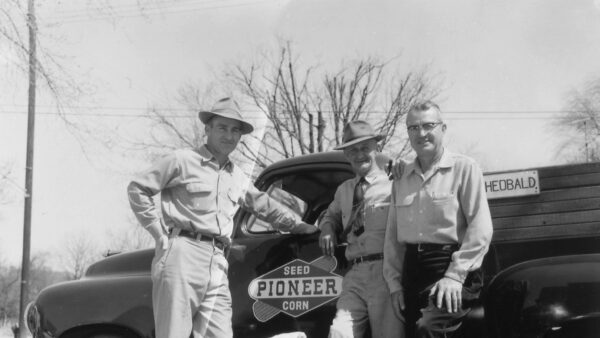
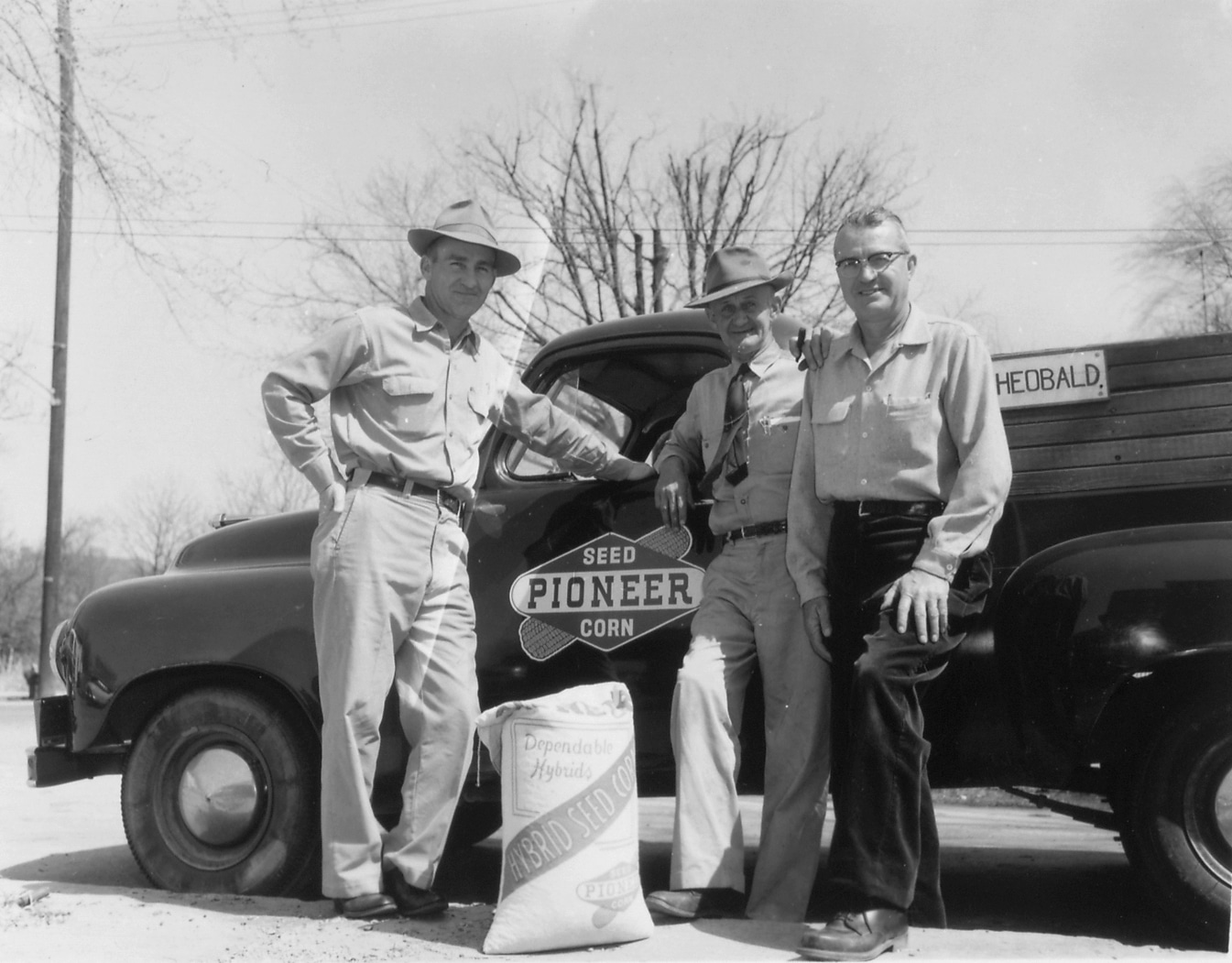
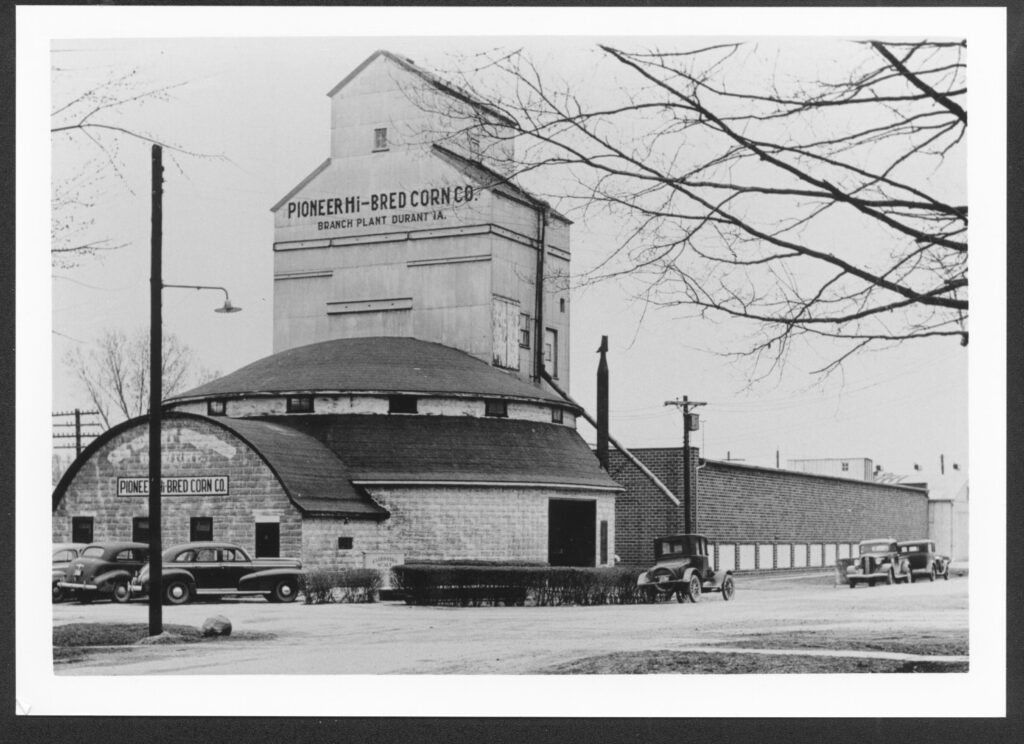
Pioneer, founded in 1926 by former U.S. Vice President Henry A. Wallace, helped shape the modern seed industry as one of the first companies to commercialize hybrid corn at scale. That shift didn’t just improve yields. It changed how seed was produced, sold and valued. It helped move agriculture from saved seed to a system built on continuous genetic improvement.
Today, the company operates in more than 70 countries and sits at the center of a global seed market that looks very little like it did 20 years ago, much less a century.
Built on More Than Breakthroughs
It’s easy to point to innovation as the answer. Hybrid corn. Advanced breeding. New trait platforms. Gene editing on the horizon. All those things have always mattered.
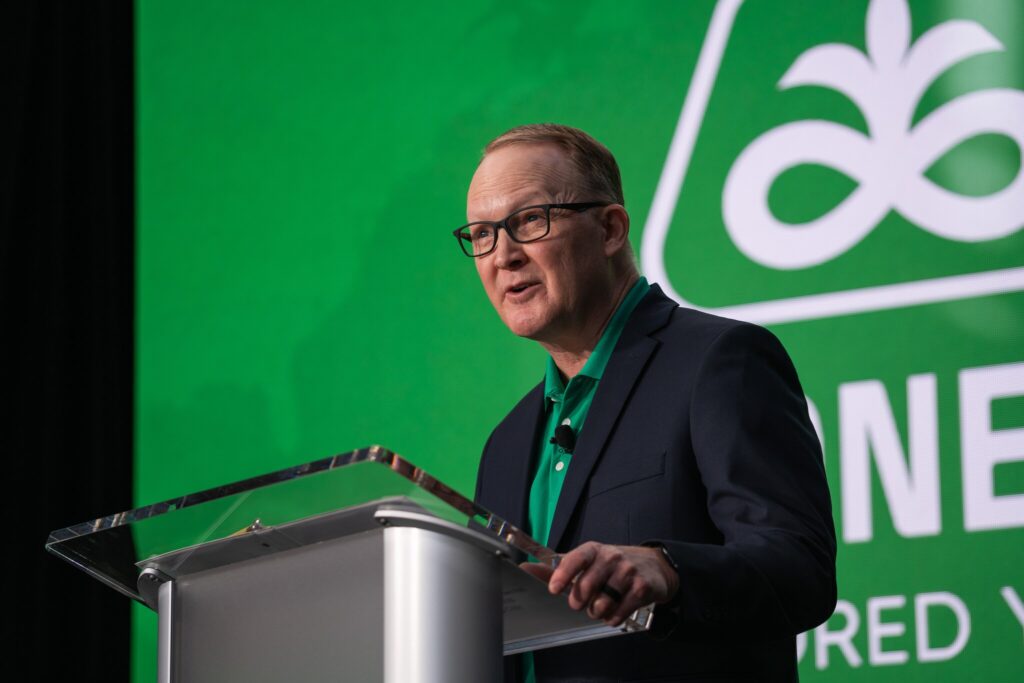
“Farming is the beating heart of this country, and we could not be prouder to have worked alongside farmers for the past century to feed and fuel it,” says Judd O’Connor, Corteva executive vice president, seed business. “Innovation has always been part of the story of agriculture – from hybrid corn in 1926 to new hybrid wheat technology today – and Pioneer, as its name suggests, has always been at the leading edge of innovation. And with tools like gene editing on the horizon, we know that after the remarkable past century, Pioneer is only just getting started.”
But innovation alone doesn’t explain longevity. Not in seeds, because the definition of innovation keeps evolving. What once meant hybrid vigor now includes digital decision tools, biological inputs, climate resilience and regulatory navigation across continents.
The science is advancing. The system around it is getting more complicated. And farmers are evaluating all of it in real time, season after season.
Trust is the Harder Metric
If innovation gets a company into the market, trust is what keeps it there. And trust, unlike yield, is harder to measure and easier to lose.
“At Pioneer, selling has never been about a single season or a single transaction. It’s about relationships built over time,” O’Connor says. “We know that even with the best science and the best production, farming is complex and things don’t always go exactly as planned. What makes Pioneer different is what happens next. When there’s a challenge, we don’t walk away. We go back. We work alongside farmers, listen, learn, and help solve problems. That long-term commitment to stand with farmers, especially when it matters most, is part of what has built trust for generations.”
That idea — what happens next — carries more weight now than it once did, especially when today’s farmers are operating with tighter margins, more data and more choices. Loyalty isn’t assumed. It’s earned, then tested again the following year. A bad experience travels fast. A good one has to be repeated.
In that environment, the relationship between seed company and farmer has shifted. It’s less transactional, but also less forgiving and it can’t rely solely on reputation.
The Next 100 Will Look Different
If the first century of Pioneer was defined by unlocking yield, the next likely will be shaped by something broader, and less certain.
Gene editing is coming into sharper focus. Regulatory frameworks are unevenly evolving. Climate variability is forcing new breeding priorities. Input costs are reshaping on-farm decisions. Global supply chains remain exposed in ways they weren’t a generation ago.
The challenges aren’t singular. They stack.
The companies that last won’t be the ones that simply innovate first. They’ll be the ones that adjust, recalibrate and do it again.
A hundred years in seeds doesn’t happen by accident. It happens through cycles — of risk, response, reinvention — repeated more times than most companies survive.
Longevity, in this business, isn’t a straight line. It’s proof of how many times a company has had to change, and how often farmers have decided it was still worth coming back.