Here’s why this month’s renegotiation of the International Treaty for Plant Genetic Resources for Food and Agriculture matters so much.
Every seed planted today depends on a system of international rules that determines how plant genetic resources are shared, protected, and improved. One of the most important of these agreements — the International Treaty on Plant Genetic Resources for Food and Agriculture (ITPGRFA) — is now entering a major renegotiation.
From Nov. 24 to 29, 2025, more than 150 countries will meet in Lima, Peru to decide how to update the Treaty’s funding, its benefit-sharing mechanisms, and its ability to keep pace with rapid scientific advances.
Here’s What You Need To Know
In this Seed World EXPLAINS video, Jasmina Muminović — Chair of the Genetic Resources Coordination Group of the International Seed Federation and Head of Genetic Resources at Bayer — explains how global access to plant genetics actually works and why the 2025 negotiations could redefine how companies around the world access genetics.
She walks viewers through:
• How the ITPGRFA connects to the Convention on Biological Diversity (CBD)
• Why Digital Sequence Information (DSI) is such a central issue
• What Lima’s decisions could mean for biodiversity and global plant breeding
If you’re looking for an accessible guide to one of agriculture’s most important policy frameworks, this video is the place to start.
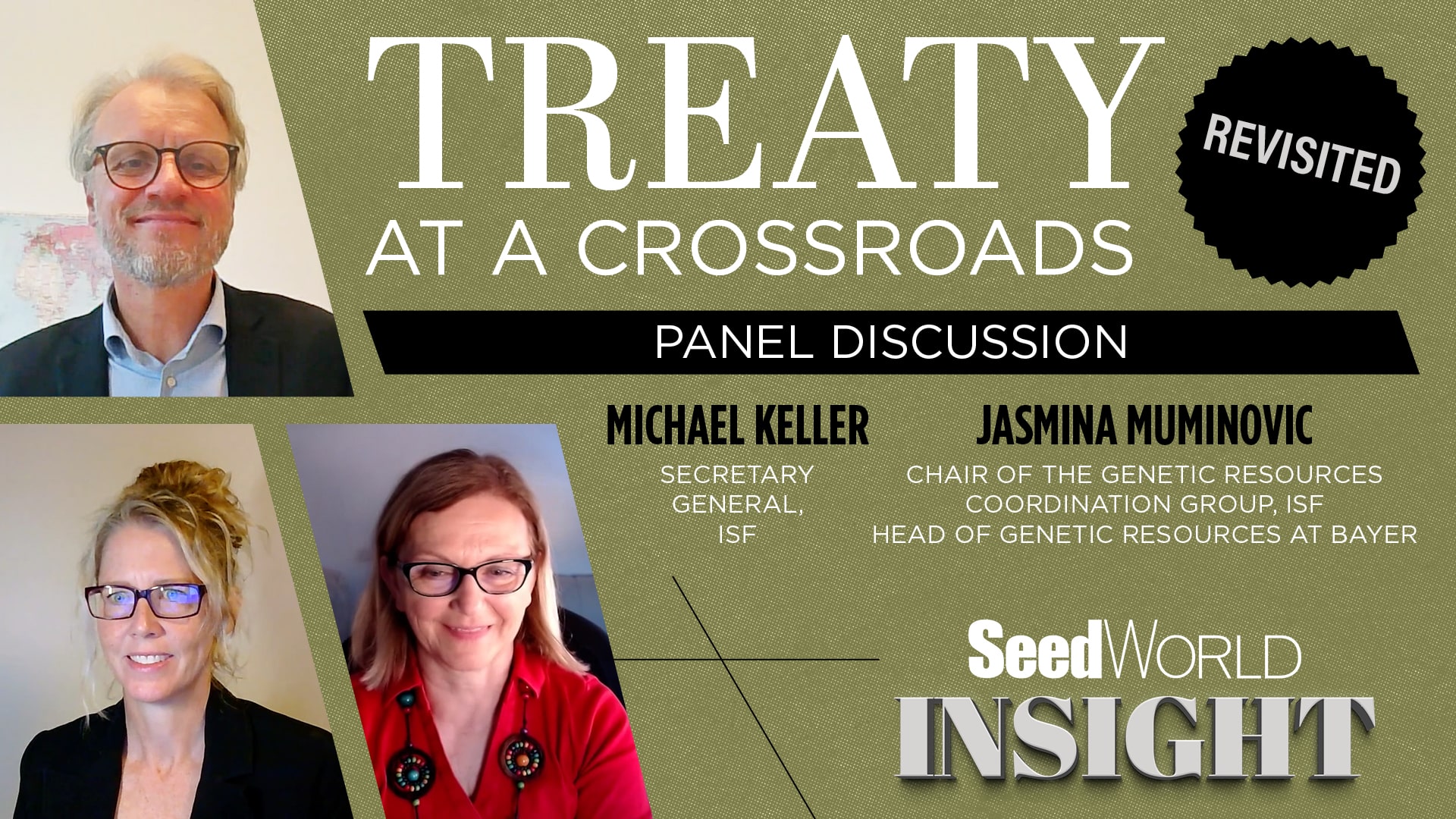
If you would like to hear how key seed sector leaders view the Treaty negotiations and the key issues on the table in Lima, be sure to watch Seed World INSIGHT: Plant Genetic Resources Treaty at a Crossroads.