Real solutions come from understanding causes, not applying band-aids.
Many of the challenges producers face tend to repeat themselves. Herbicide-tolerant weeds, erosion, soil compaction, and high input costs are common frustrations.

When we take a systems approach, the path to real, lasting solutions becomes clearer. In most cases, the problems we face originate from our own management, often compounded by environmental conditions.
The first question should always be: are we treating a symptom, or the actual cause?
A symptom is merely a sign of an undesirable situation. A cause is what creates it. When we only treat symptoms, they may fade for a short time, but the underlying problem remains. Meaningful change requires identifying the cause and adjusting management so the issue doesn’t return.
Compaction: A Classic Case of Mistaking Symptom for Cause
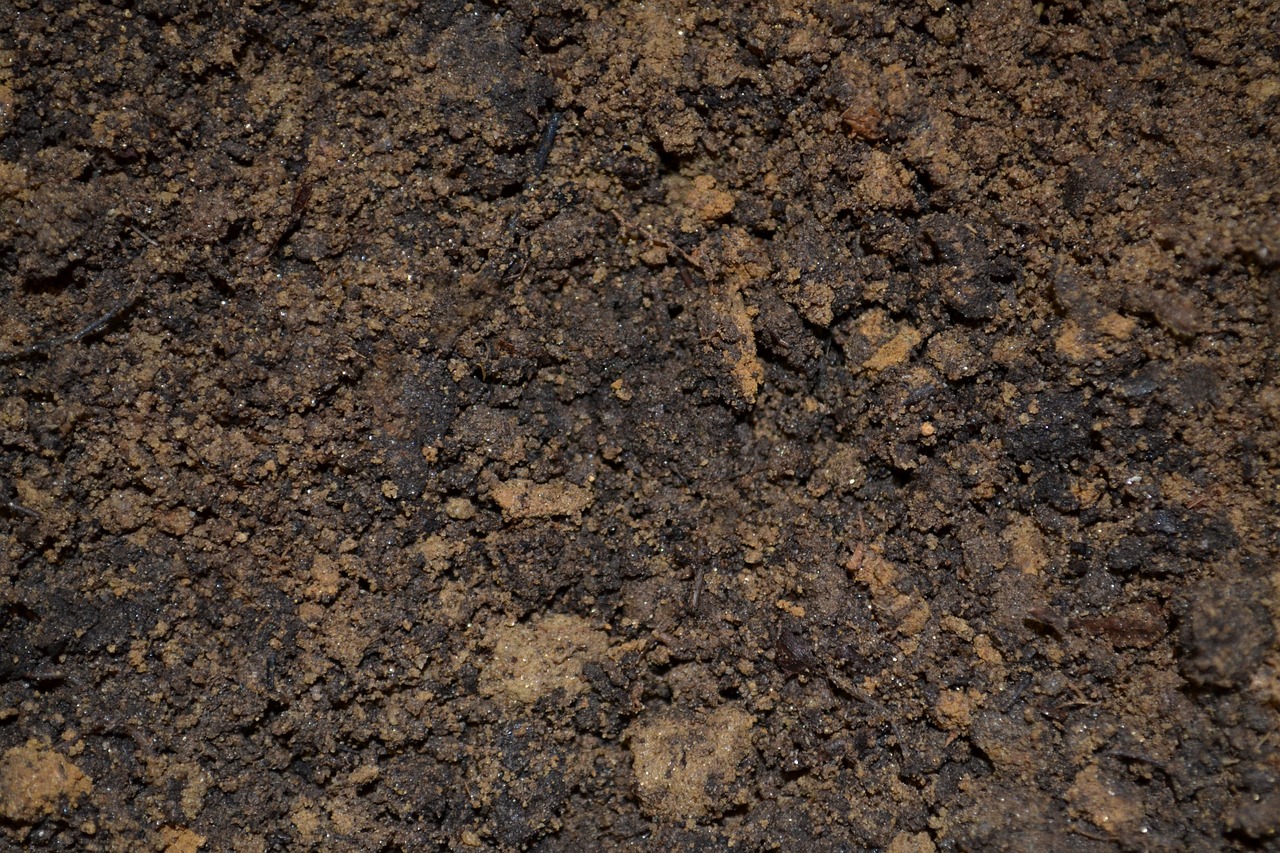
Zero-till was once seen as the cure for soil compaction. While it helps slow further compaction, it doesn’t eliminate the underlying issue. Common symptoms include hard soil, poor infiltration, shallow rooting, reduced nutrient efficiency, low beneficial organism populations, erosion, and declining yields.
Producers often respond with deep ripping or other one-step “solutions” that may provide temporary relief. But compaction usually stems from deeper causes: excessive nitrogen use, over-tillage, limited functional plant diversity, removing residue, and leaving soil bare for long periods. Solving compaction means working with natural processes — not fighting them.
A more complete solution might include a strategic rip combined with biological amendments like hydrolyzed fish and humic acid, followed by deep-rooted cover crops. It could also involve reevaluating fertilizer strategies, adding relay or perennial crops, increasing plant diversity, adjusting tire pressures, and managing axle loads. The more causes you address, the better the results.
Weeds: Indicators, Not Enemies
Weeds are often treated like a problem to be eradicated, but they’re really indicators of soil conditions. They reflect our management choices. Jay McCaman’s When Weeds Talk offers valuable insight into why certain weeds appear — and what they’re telling us.
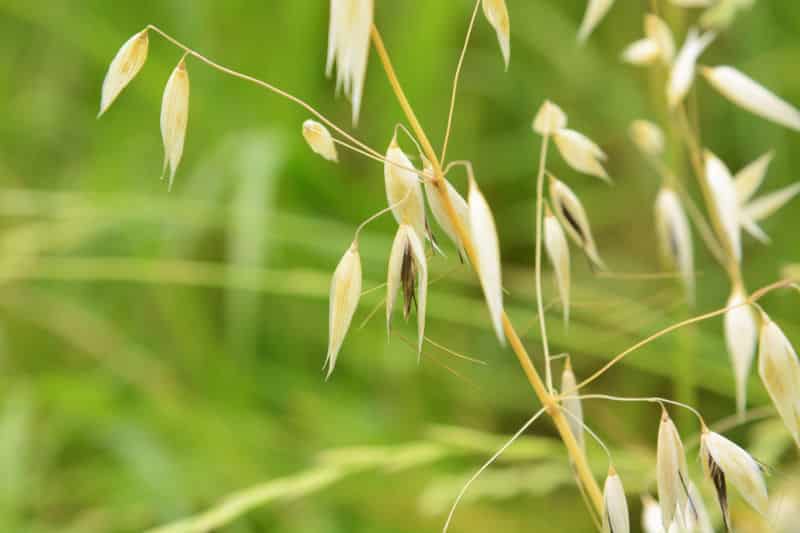
Wild oats fade when the fungal-to-bacterial ratio remains above 0.3. Achieving this means encouraging fungal growth by reducing tillage, lowering fertilizer rates, eliminating fungicides, maintaining living roots throughout the season, widening plant diversity, and ideally incorporating livestock.
Kochia, however, points to a deeper issue: salinity. Addressing salinity takes more than one pass with a tool. It begins with reducing evaporation and restoring drainage. Adding shredded straw provides immediate cover, and planting saline-tolerant, deep-rooted species creates pore space and uses moisture deeper in the soil profile. As water moves, salts are pushed downward, allowing seedlings to germinate.
Deep roots also draw calcium upward, and mycorrhizal fungi help release more calcium from the soil. As calcium increases, soil structure loosens, enabling greater root development. With improved structure, salts leach downward, deeper moisture is used, excess nitrates convert to other nitrogen forms, and cover crops take hold. Only then does kochia decline.
Are we treating symptoms, or are we uncovering the root causes? When we fix the cause — or causes — the symptoms naturally fade. That’s how we know we’ve truly improved the system.