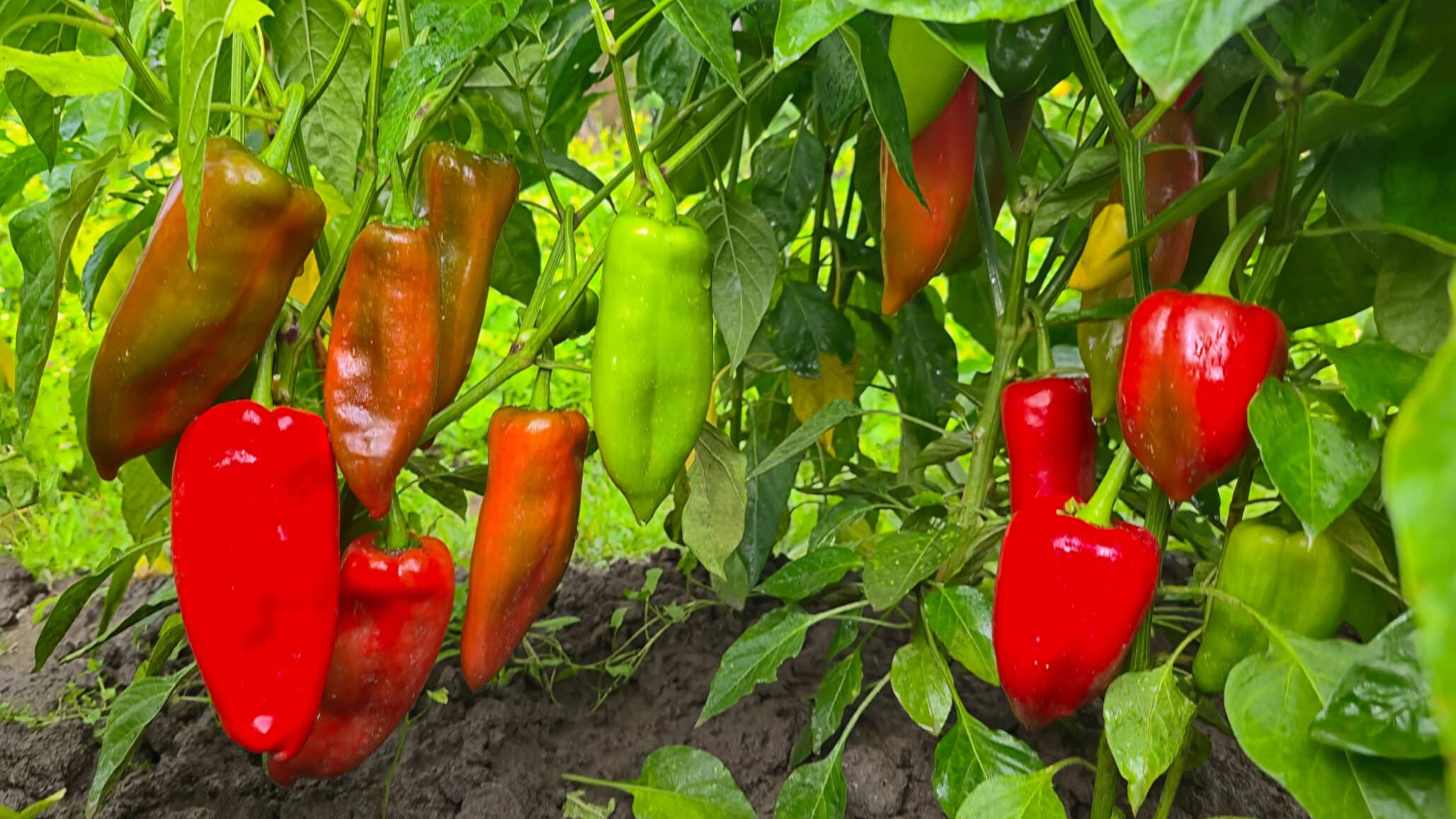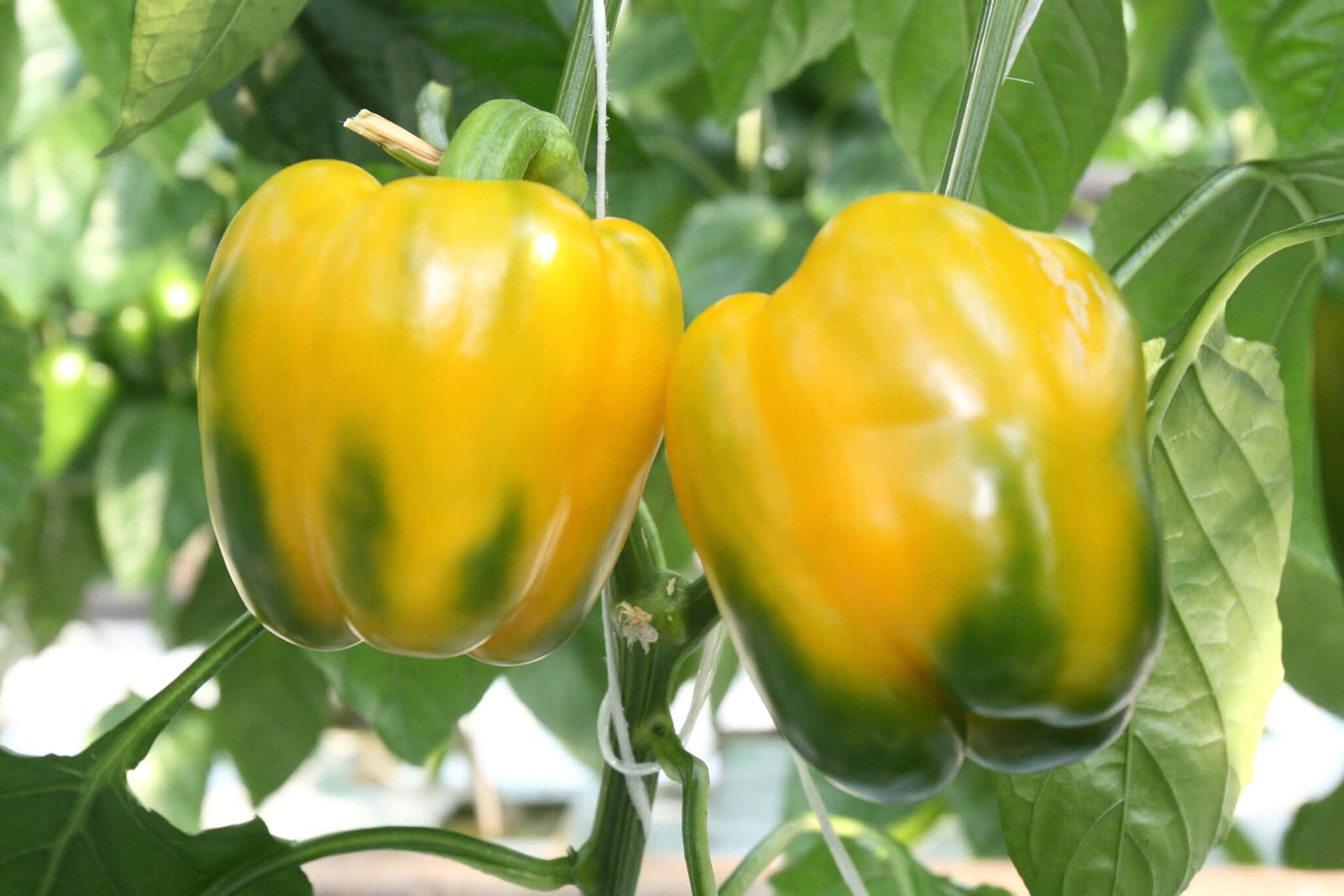
New pepper materials selected by Embrapa Vegetables are currently being validated with rural producers. They were developed to serve different market needs and niches, including growers, processing industries, and the ornamental plant sector.
The group includes two jalapeño-type varieties for sauce production or dehydration; one murupi-type pepper suitable for fresh consumption or processing into sauces and preserves; one pepper intended for fresh fruit consumption; and one ornamental pepper cultivar designed for pot cultivation.
These materials were developed through Embrapa’s Capsicum breeding program as part of a project focused on creating cultivars with improved agronomic, industrial, and functional traits to support more sustainable production and greater competitiveness.
Expansion of the cultivar portfolio
According to researcher Cláudia Ribeiro, coordinator of Embrapa Vegetables’ pepper breeding program, continuing the project is essential to meet the needs of the productive sector and a range of market niches.
“There is great demand for cultivars of different types of peppers with superior agronomic and industrial characteristics, adapted to different production systems, especially to organic cultivation. We also look for materials more suitable for mechanized and semi-mechanized harvesting and, in this sense, the program has made very interesting deliveries,” he says.
With more than four decades of work behind it, the breeding program has already released materials from several varietal groups that have been adopted across the production chain, including jalapeño, paprika, dedo-de-moça, biquinho, bode, and habanero, as well as a hybrid rootstock for peppers, according to a press release.
Genetic bank drives innovation
According to the researcher, the program’s progress has been made possible by Embrapa’s pepper germplasm collection, considered the largest in Latin America.
The collection includes around 2,000 accessions and supports a breeding program with more than 30,000 materials, forming the foundation for the development of cultivars that are more productive, more resistant, and better aligned with the needs of both the production chain and consumer markets.
Peppers gain ground in gastronomy
Beyond breeding efforts aimed at boosting agricultural production, peppers have also expanded their presence in the processed food market, particularly in sauces with a wide range of flavors, colors, and heat levels.
Pepper pungency is measured using the Scoville Scale, created in 1912 by American pharmacist Wilbur Scoville. The scale expresses heat intensity in Scoville Heat Units (SHU), which reflect the concentration of capsaicin, the compound responsible for the sensation of spiciness.
In general, mild peppers measure up to 5,000 SHU, medium peppers range from 5,000 to 50,000 SHU, and hot peppers exceed 50,000 SHU.