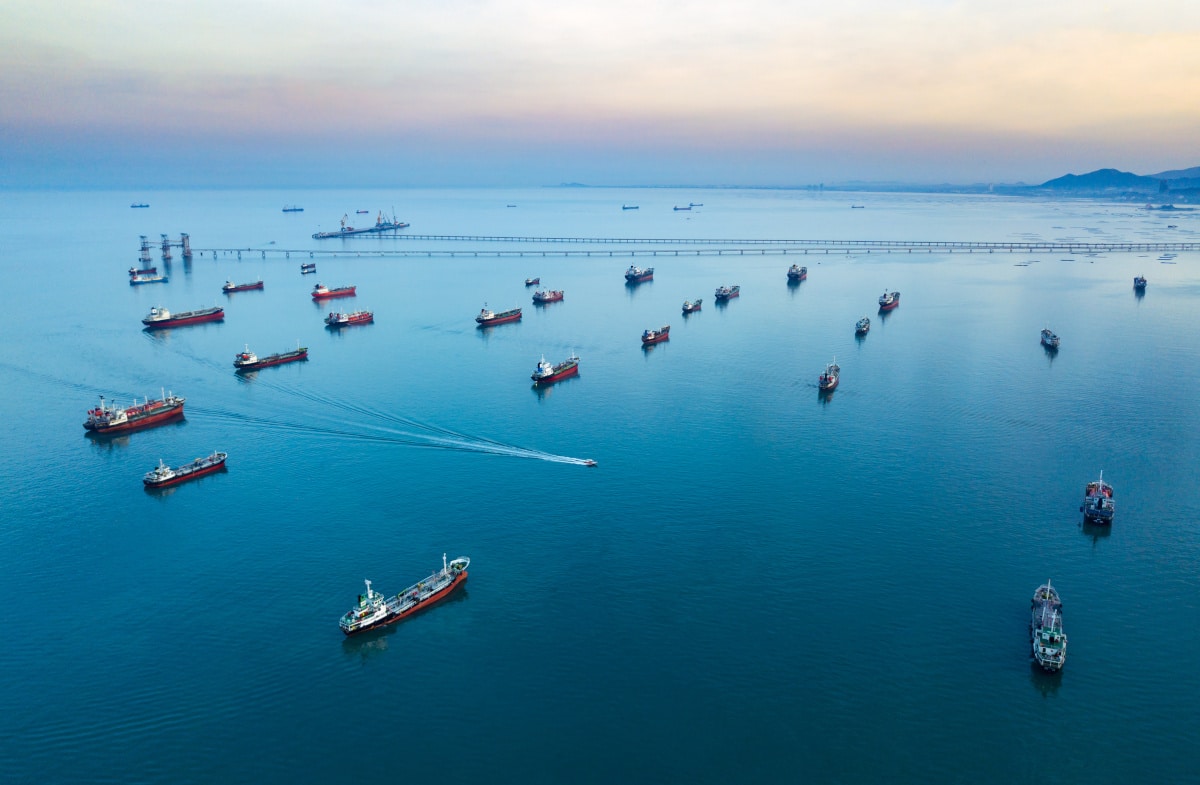
Canadian seed growers and Prairie farmers are facing rising diesel and fertilizer costs after geopolitical tensions around the Strait of Hormuz sent global energy markets into volatility ahead of the 2026 growing season.
Canadian seed growers are facing sharply higher diesel costs and tightening margins after geopolitical tensions around the Strait of Hormuz sent global energy markets into volatility ahead of the 2026 growing season. Rising geopolitical tensions in the Middle East, particularly around the Strait of Hormuz, are once again sending shockwaves through global energy markets. While the disruption is thousands of kilometres away, Canadian farmers and seed growers are already feeling the effects through higher diesel and fertilizer costs ahead of seeding.
The Strait of Hormuz is one of the world’s most critical oil chokepoints, with roughly a fifth of global petroleum liquids passing through it each day. Any perceived threat to shipping in the region tends to trigger immediate price volatility, as markets price in risk even before physical supply is disrupted.
That’s exactly what Prairie producers saw in the days following the latest escalation.
Nick Sekulic, a seed grower in Alberta and owner of Prestville Farms, says diesel markets shifted almost overnight.
“Before this conflict in the Middle East and the Strait of Hormuz impact… diesel prices were relatively low and flat,” he says. “We didn’t see the hedging opportunity.”
That changed quickly once tensions escalated.
“The Monday after the conflict opened up… I called my agent,” Sekulic says. “He said [pricing] was flat… then three or four days later, you couldn’t get a contract price.”
The rapid shift reflects how energy markets react not just to supply disruptions, but to uncertainty itself. Even without immediate shortages in North America, prices rose as suppliers added a risk premium tied to potential future disruptions.
“Domestic diesel production is irrelevant,” Sekulic notes. “We have decent domestic supply… but they’re just charging a risk premium on the fuel they have now.”

How Rising Energy Costs Are Hitting Canadian Seed Grower Input Budgets
The knock-on effects extend well beyond fuel tanks. Fertilizer production is heavily dependent on natural gas, meaning energy price swings often translate directly into higher input costs.
Simon Ellis, a Manitoba seed grower and president of the Manitoba Seed Growers Association, says budgets were already tight before the latest spike.
“We were already running a pretty tight budget,” Ellis says. “Fertilizer prices had come up on their own… now we’re seeing fertilizer prices going up yet again, and diesel prices are going up.”
“I think they went up 30 or 40 cents a litre since this started,” he adds.
The combined effect is eroding already thin margins.
“It’s just eroding what little we were going to have as a potential profit,” Ellis says. “Now we’re just hoping we can kind of break even.”
Beyond fertilizer and fuel, Ellis expects broader input inflation.
“All of our inputs are going to be affected. Chemicals might see some increase in cost here.”
Canadian Seed Growers Absorb Costs They Can’t Pass On
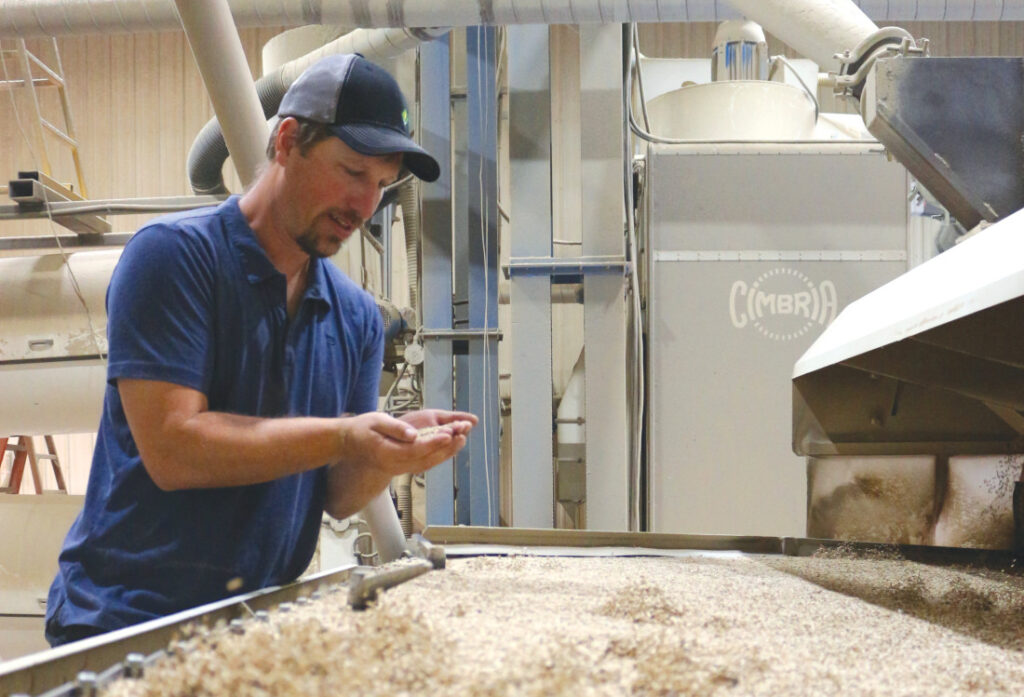
For seed growers, the situation is particularly challenging. Unlike some sectors, they have limited ability to pass rising costs along to customers.
“We still have to base our seed price off the elevator price,” Ellis explains. “Farmers do have the option to just clean their seeds… so you do have to compete with that.”
That means higher input costs are often absorbed rather than transferred.
“You kind of end up eating a lot of that increase,” he said.
While niche or specialty orders may allow for cost recovery, such as transporting durum wheat seed into Manitoba, most production operates within global commodity pricing constraints.
“You’re still worldwide market, essentially,” Ellis said.
Domestic Taxation a Bigger Long-Term Pressure Than Global Shocks
While global events are driving short-term volatility, Sekulic argues Canadian producers face a more persistent challenge domestically.
“I think the bigger squeeze we get as producers isn’t necessarily from these global supply and risk price shocks,” he says. “I think our bigger exposure is increasing taxation on energy.”
He points to carbon pricing and regulatory costs as key pressures that compound global volatility.
“It affects rail transportation, parts distribution… everything us farmers consume, produce and ship,” he says. “Our bigger issue is domestic, not international.”
Sekulic also questions Canada’s ability to leverage its own energy and fertilizer production capacity.
“It’s hard to believe in Canada, with the massive energy resources we have, that we could not be a more substantial player in nitrogen fertilizer,” he says.
Reports of potential production slowdowns at domestic urea facilities have added to uncertainty heading into spring.
“If these guys could actually keep producing, then at least our domestic markets could be filled,” Ellis says. “Right now… some people are even struggling to get a price.”