A new parliamentary report warns that planned closures of federal agricultural research centres could weaken Canada’s food security, climate resilience, and long-term agricultural innovation capacity.
A new report from the House of Commons Standing Committee on Agriculture and Agri-Food is urging the Government of Canada to reverse planned closures of several federal agricultural research centres and experimental farms, warning the decision could have long-term consequences for food security, innovation, and agricultural competitiveness.
The report, Science in Canadian Agriculture and the Closure of Research Centres, was released yesterday and follows four parliamentary hearings involving 27 witnesses from across Canada’s agriculture, research, academic, and producer communities.
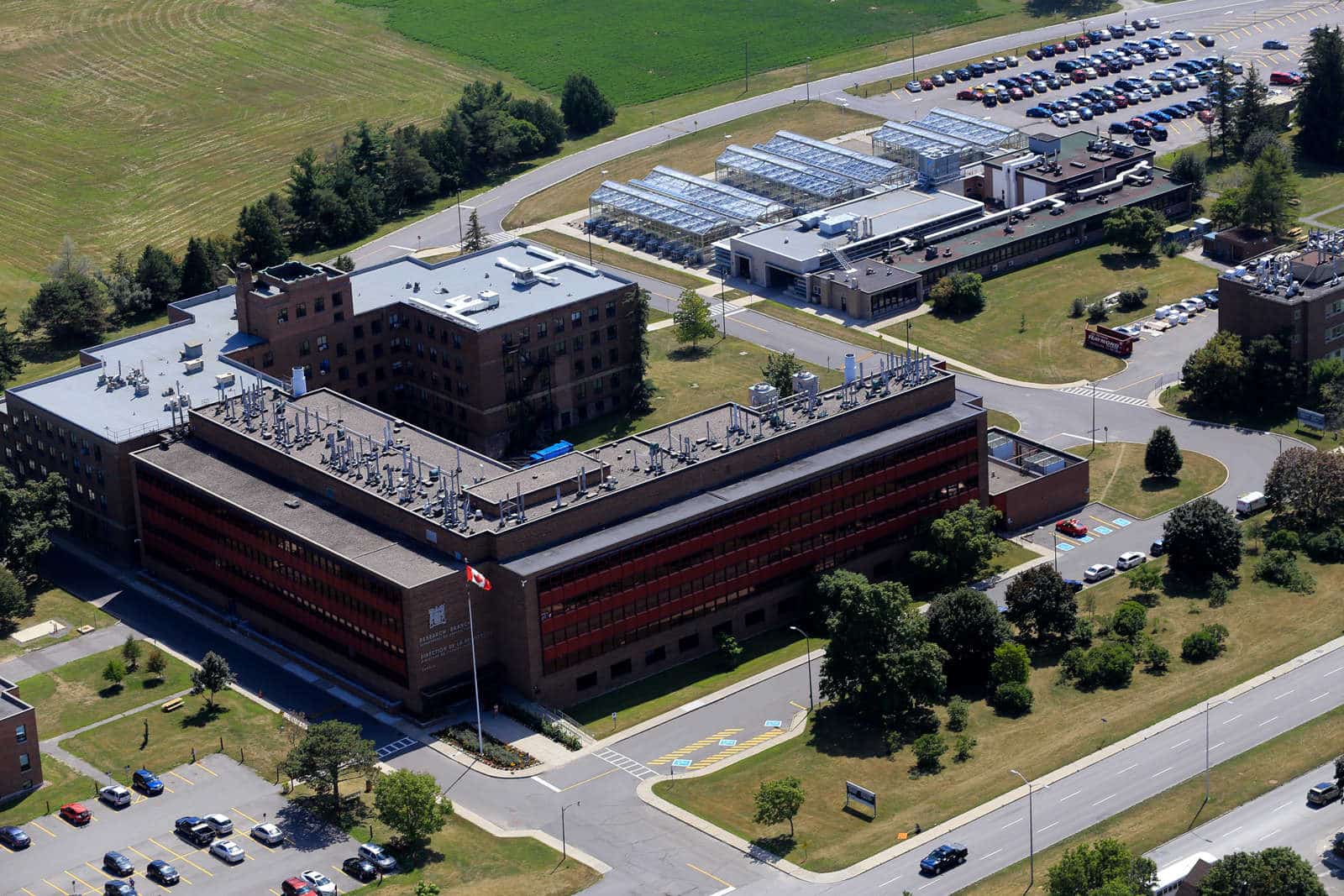
Among the facilities affected are research centres in Lacombe, Alta.; Quebec City, Que.; and Guelph, Ont., along with experimental farms in Saskatchewan, Manitoba, and Nova Scotia. The closures are part of Agriculture and Agri-Food Canada’s broader expenditure reduction plan.
The Committee heard repeated concerns that the closures threaten critical long-term research programs in areas including soil health, forage crops, seed development, cattle production, climate resilience, and food safety. Witnesses stressed that many of these research programs rely on decades of region-specific data and expertise that cannot easily be recreated elsewhere.
The report highlights the economic importance of Canada’s agriculture and agri-food sector, which contributes nearly $150 billion annually to the national economy and supports approximately 2.3 million jobs.
Several witnesses emphasized the strong return on investment generated by public agricultural research. The Committee noted testimony suggesting every dollar invested in agricultural research can generate returns of up to $63 for producers and the wider economy.
A major theme throughout the report was the importance of collaboration between public research institutions, universities, producers, and private industry. The Committee called for the development of a national agricultural research and innovation strategy designed to strengthen partnerships, improve commercialization, and ensure Canada remains globally competitive in agricultural science and technology.
The Committee ultimately issued 20 recommendations, including calls to:
- Pause and reverse the planned closures of federal agricultural research centres and experimental farms;
- Preserve regionally specific agricultural research capacity;
- Strengthen public investment in agricultural science and innovation;
- Expand collaboration across industry, academia, and government; and
- Develop long-term national strategies for agricultural research, climate resilience, and food security.
The report also stresses that agricultural research is increasingly critical as producers face evolving pressures from climate change, soil degradation, pests, and global food system challenges. Witnesses warned that weakening Canada’s public agricultural research infrastructure could reduce the country’s ability to innovate and compete internationally in the years ahead.
Stay tuned as this story develops.