Industry leaders, universities and producer organizations say Canada’s wheat and barley breeding system is at an “inflection point” as they push for greater investment, technology adoption and farmer-focused innovation.
Western Canada’s wheat and barley sector is standing at what industry leaders describe as a pivotal crossroads — one that could redefine the future of plant breeding, investment and innovation across the Prairies.
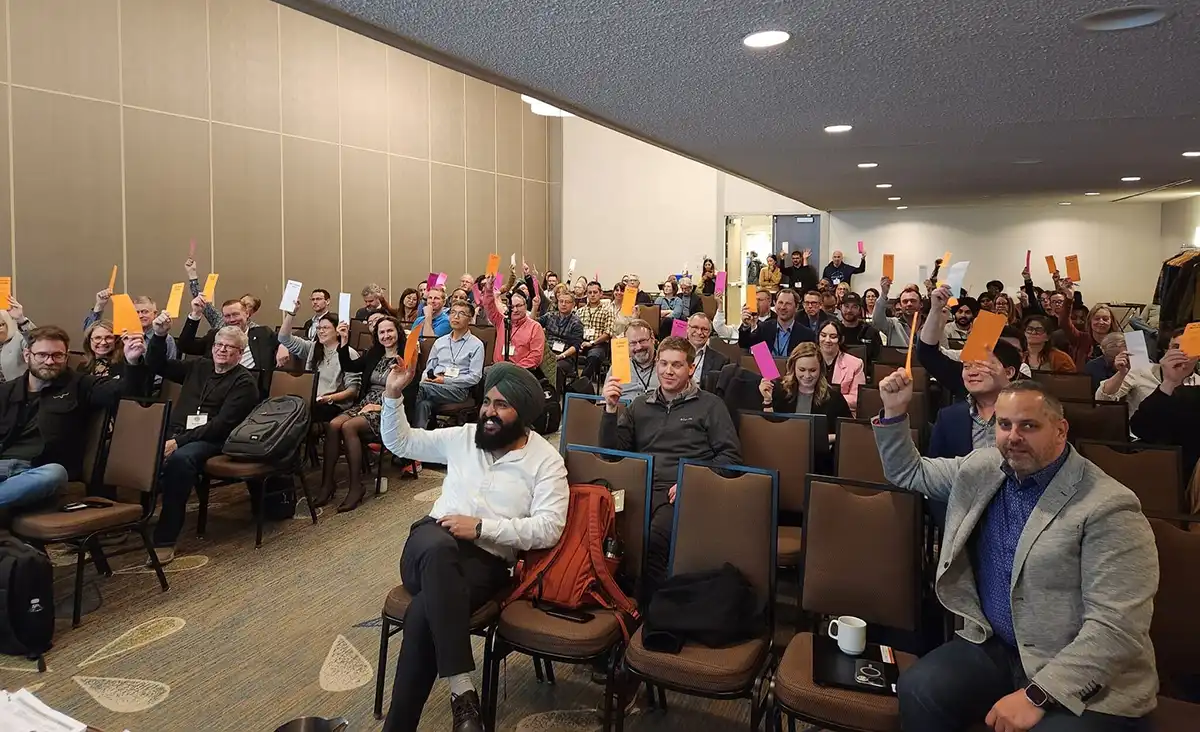
On May 7, stakeholders from across the Canadian grain value chain gathered in Winnipeg to chart that future together. The meeting, convened by the Canadian Wheat Research Coalition (CWRC), brought together representatives from the Canadian Barley Research Coalition (CBRC), Seeds Canada, the University of Manitoba, the University of Saskatchewan Crop Development Centre, and the University of Alberta.
The result is a joint statement outlining a shared vision for the future of wheat and barley breeding in Western Canada — a vision participants say is urgently needed as the industry faces increasing global competition, rapid technological change and mounting pressure to deliver improved crop performance for farmers and end users alike.
“Wheat and barley plant breeding is at an inflection point and now is the time to think big about the future for wheat and barley in Western Canada,” the release states.
The stakeholders agreed on a central vision for the future:
“The Western Canadian wheat and barley plant breeding system is thriving and innovation-driven, where collaboration and competition coexist to attract diverse investment and provide farmers with choice in superior, field-ready varieties that meet the needs of our end use customers.”
The statement reflects growing recognition across the sector that traditional breeding systems must evolve to keep pace with advances in genetics, data science and crop technology. Participants emphasized that future success will depend not only on scientific breakthroughs, but also on building a system capable of attracting long-term investment and world-class talent.
Among the priorities identified by the group was the need to deliver “superior field-ready varieties” that improve farmer choice while meeting the demands of global customers.
The stakeholders also stressed the importance of integrating advanced breeding technologies and data-driven tools into future breeding systems.
“The optimal wheat and barley plant breeding system will… have the capacity to integrate the most advanced breeding technologies, testing/screening methods and data science to enable efficient delivery of improved varieties,” the release says.
At the same time, the organizations acknowledged the central role Prairie farmers have already played in funding crop research and variety development through producer checkoff investments.
The future system, the statement says, must “recognize and leverage the long-term investments made by farmers.”
One of the more notable themes emerging from the Winnipeg discussions was the idea that competition and collaboration can — and should — exist side by side.
Rather than framing public and private breeding efforts as competing interests, participants argued that both are necessary to drive innovation and expand producer choice.
The envisioned system, according to the release, should “enable competition and collaboration to drive innovation and farmer choice.”
Stakeholders also called for reliable, long-term public and private investment in breeding programs, alongside systems capable of delivering sustainable returns on investment.
The release further highlighted the importance of creating stronger connections across what participants described as the “plant genetics improvement continuum” — linking researchers, breeders, farmers, seed developers and end users more effectively through collaboration and feedback loops.
Regulatory modernization was another key issue identified during the discussions.
According to the statement, the future system must be “supported by a regulatory and commercialization system that is responsive to the needs of farmers and end users.”
Representatives from Agriculture and Agri-Food Canada (AAFC) also attended the workshop and expressed support for the ongoing discussions.
“AAFC looks forward to continued collaboration with these and other stakeholders,” the release notes.
While the statement does not outline a finalized roadmap, participants made clear that this meeting represents the beginning of a broader process rather than the conclusion of one.
“Discussions will continue and additional stakeholders will be engaged in the coming months as part of the process to create the optimal future for Western Canadian wheat and barley plant breeding,” the release states.