The 2026 ISF World Seed Congress, Seeds Canada Conference and Season 2 of On the Brink point to the same reality: agriculture’s future depends on investment, collaboration and leadership now.
There’s something fitting about bringing the global seed sector to Lisbon.
For centuries, Portugal’s capital has been a gateway city — a place where ideas, trade and people crossed oceans and shaped the future. That same spirit of connection will define the 2026 ISF World Seed Congress, where conversations around global trade, innovation and agriculture’s next chapter will take center stage.
And right now, those conversations matter more than ever.
The seed sector is navigating a period of extraordinary pressure and opportunity at the same time. Trade friction is reshaping global relationships. Climate stress is testing production systems in every region. Public breeding investment is under pressure in many countries. At the same time, advances in genetics, breeding technology and data science are accelerating faster than ever before.
Portugal reflects many of those realities in real time.
Its Mediterranean climate has effectively become a living laboratory for drought tolerance, heat stress and water management. Crops like durum wheat and barley must perform under increasingly difficult conditions. Specialty crops — grapes, olives and almonds — rely heavily on improved genetics to remain competitive and profitable.
And Portugal’s incredible crop diversity tells an important story on its own. More than 350 grape varieties continue to thrive there, underscoring the value of adaptation, resilience and preserving genetic diversity in a rapidly changing world.
That’s why Lisbon feels like more than just a host city. It feels symbolic. Because the global seed sector is standing at its own gateway moment.
The conversations happening at ISF this year won’t simply be about trade flows or breeding pipelines. They’ll be about leadership. About whether our industry is prepared to invest in the systems and partnerships required for the next generation of agriculture.
The same can be said of the Seeds Canada conference, which takes place July 6-8 in Saskatoon, Sask. From discussions around securing the future of Canadian genetic innovation and modernizing seed regulations, to understanding the impact of biofuels policy and advancing pulse breeding through genomic selection, the conference agenda reflects the real issues influencing growers and the broader value chain today. For anyone invested in the future of Canadian agriculture, this conference is more than an event — it’s where the industry comes together to discuss the challenges, opportunities and decisions that will define what comes next.
And ask itself how best to do that. That very question is at the heart of Season 2 of On the Brink.
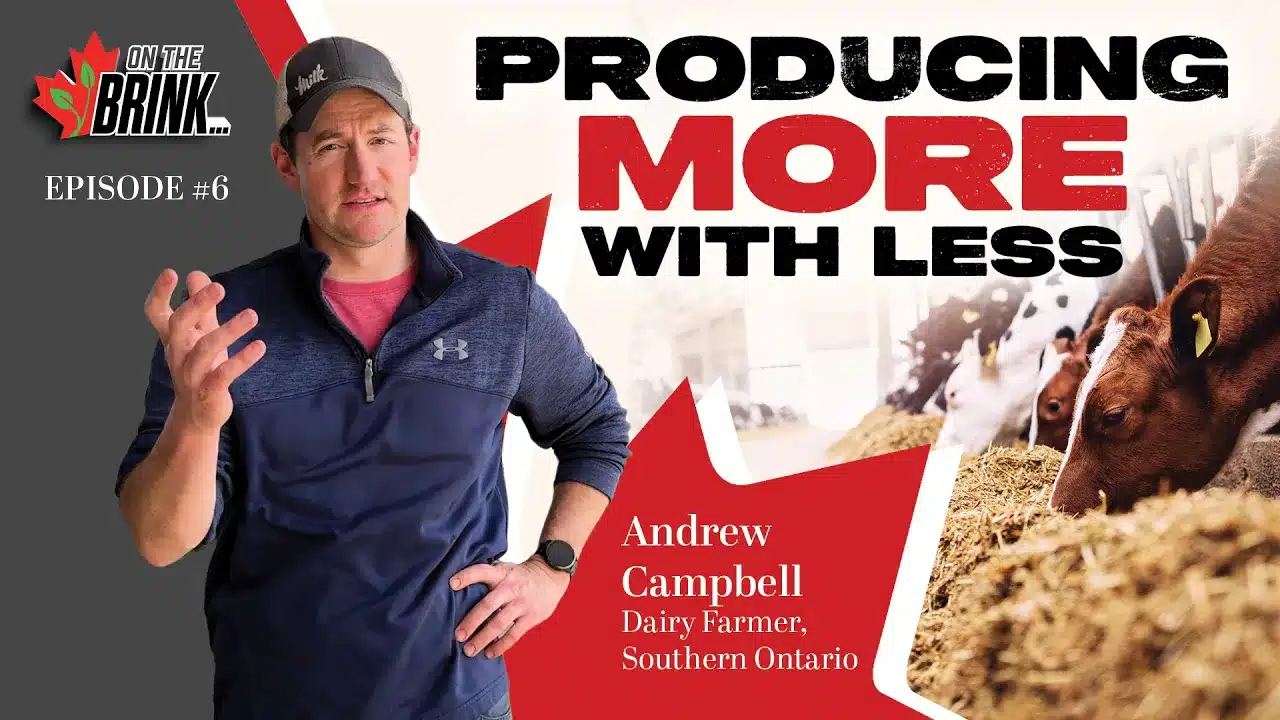
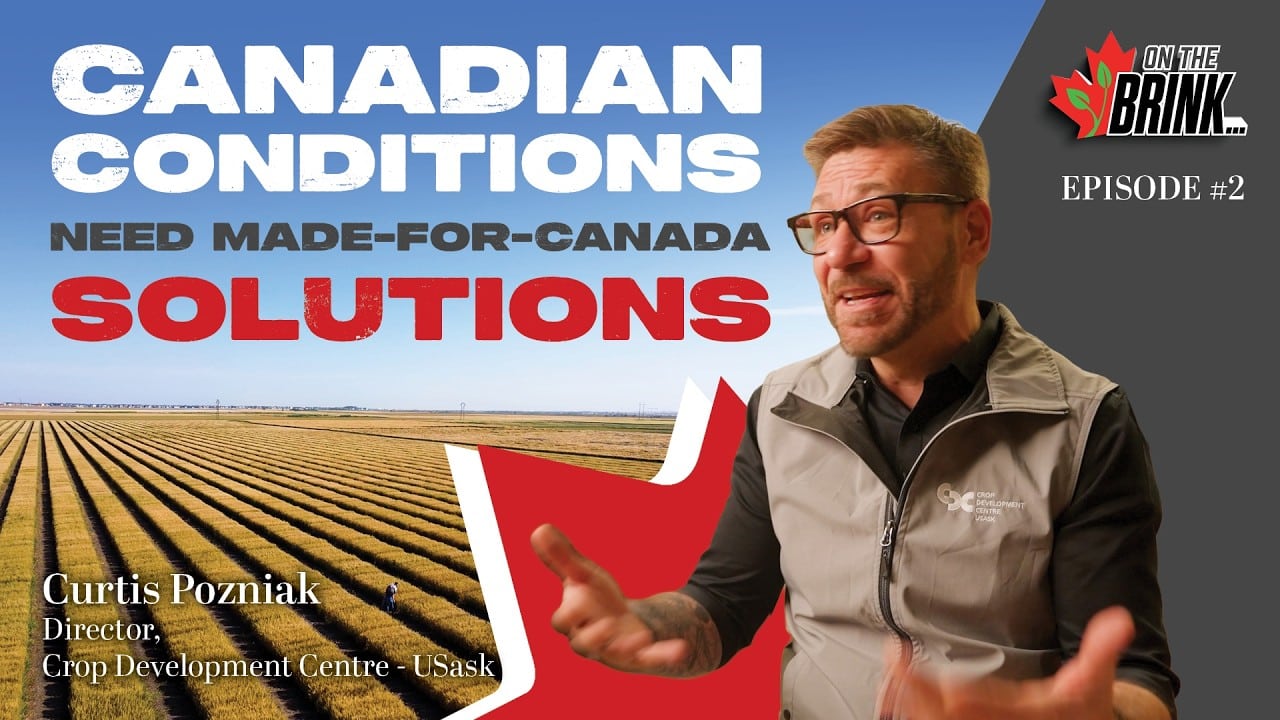
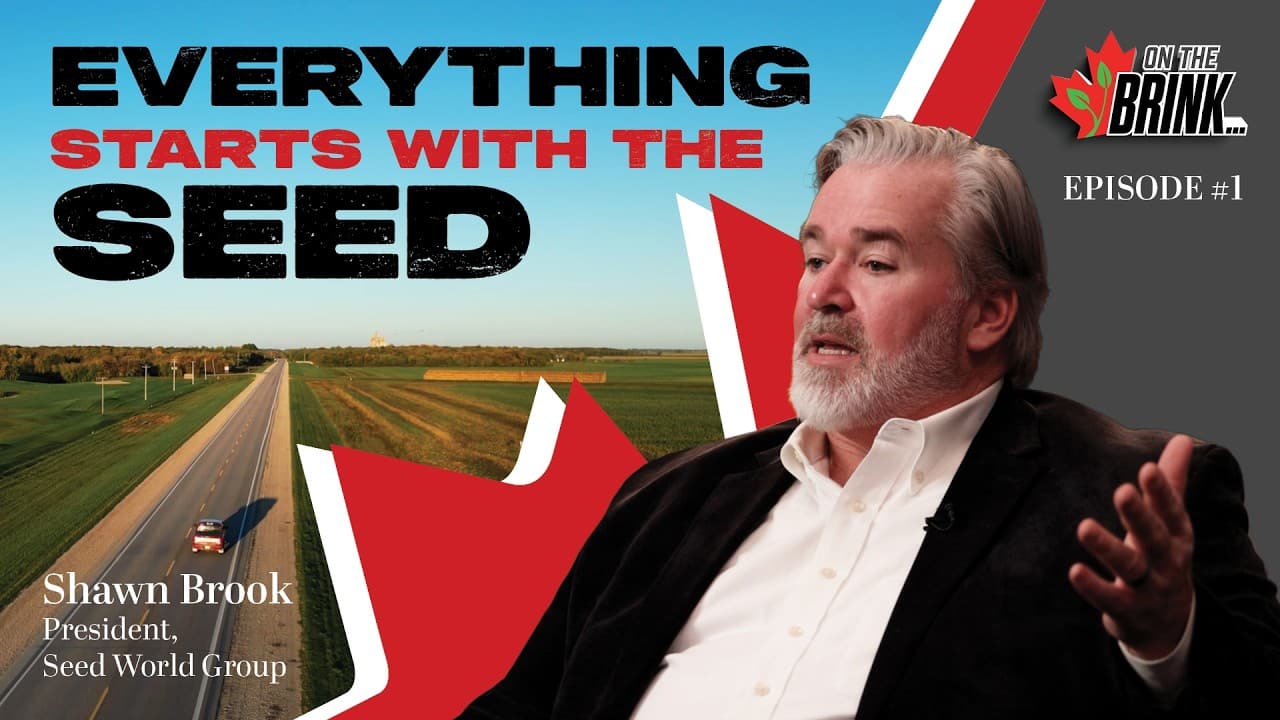
This week, Seed World Group’s Shawn Brook launched Season 2 of On the Brink, continuing a conversation that has quickly become one of the most important discussions happening in Canadian plant breeding today.
After talking to people across Canada speaking with farmers, breeders, researchers and industry leaders, one message became impossible to ignore: Canadian plant breeding is approaching a defining moment.
The first season of On the Brink revealed something important. People across the sector understand the stakes. They recognize that decisions being made right now — around investment, infrastructure and breeding capacity — will shape Canadian agriculture for decades.
But what stood out most wasn’t the concern. It was the willingness to engage.
Farmers talked openly about risk. Industry leaders discussed Canada’s competitiveness. Researchers spoke candidly about infrastructure gaps and investment needs. And perhaps most importantly, people stopped talking only about protecting their own corner of the industry and started talking about building broader solutions together.
That matters. Because no single organization, company or government program is going to solve this alone.
And that’s really the thread connecting what happens next week in Lisbon and On the Brink. Both point to the same reality: the future of plant breeding will belong to sectors willing to collaborate, adapt and invest before the pressure becomes irreversible.
The challenge with plant breeding has always been timing. The benefits of today’s investment often don’t become visible for 10 or 15 years. That makes it easy to delay difficult decisions. It’s much harder to build urgency around a problem people can’t fully see yet.
But around the world, countries that have embraced long-term breeding investment and effective value creation systems are already pulling ahead.
Canada still has an opportunity to lead. We have world-class growers. Strong public and private expertise. A history of innovation. And perhaps most importantly, a sector increasingly willing to have honest conversations about what comes next.
That’s what makes this moment important. The conversation is no longer about whether change is coming. It’s about whether we shape it ourselves — or inherit the consequences later.
And if there’s one thing both Lisbon and On the Brink remind us, it’s this: The future rarely belongs to the sectors that wait comfortably at the shoreline. It belongs to the ones willing to navigate forward.