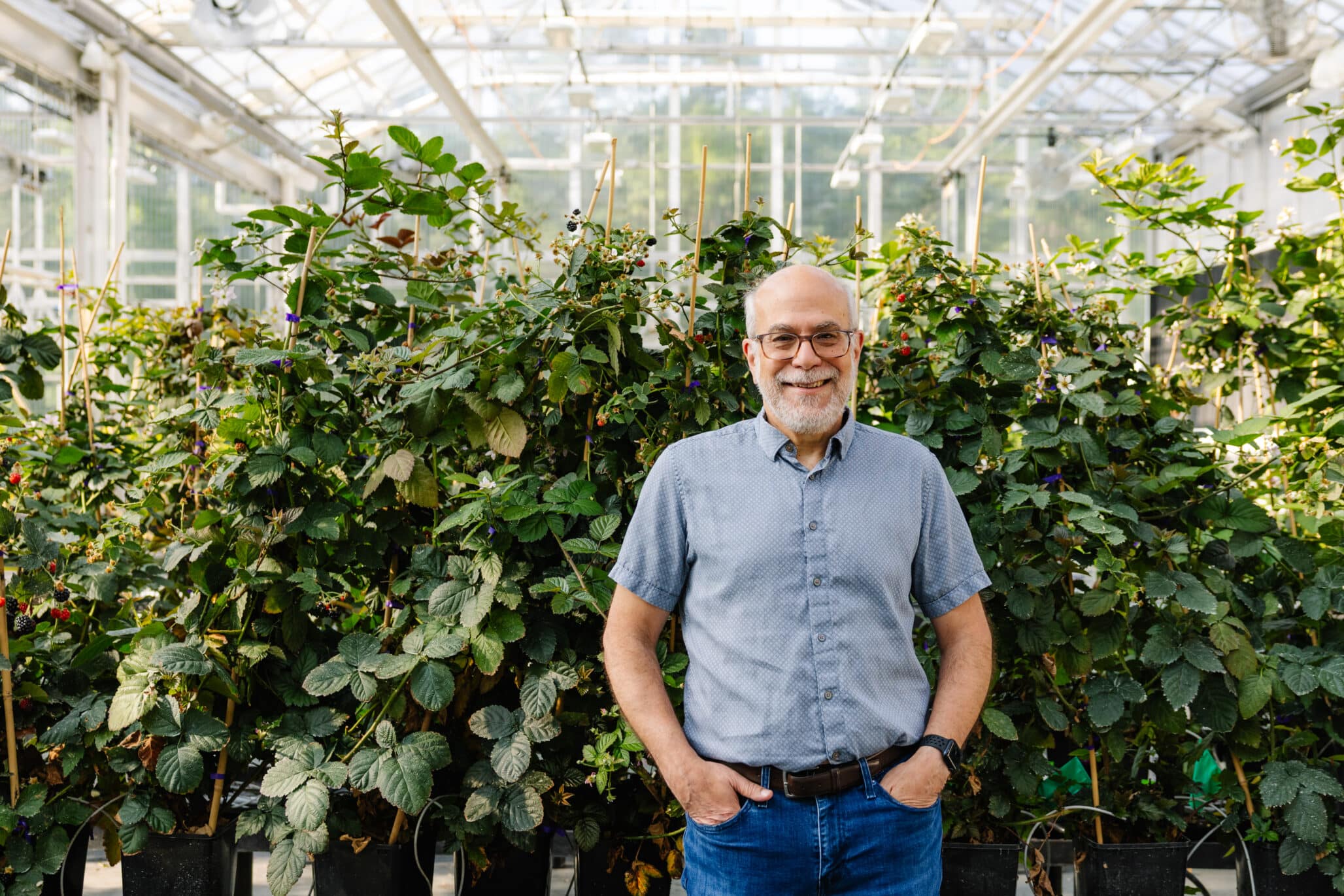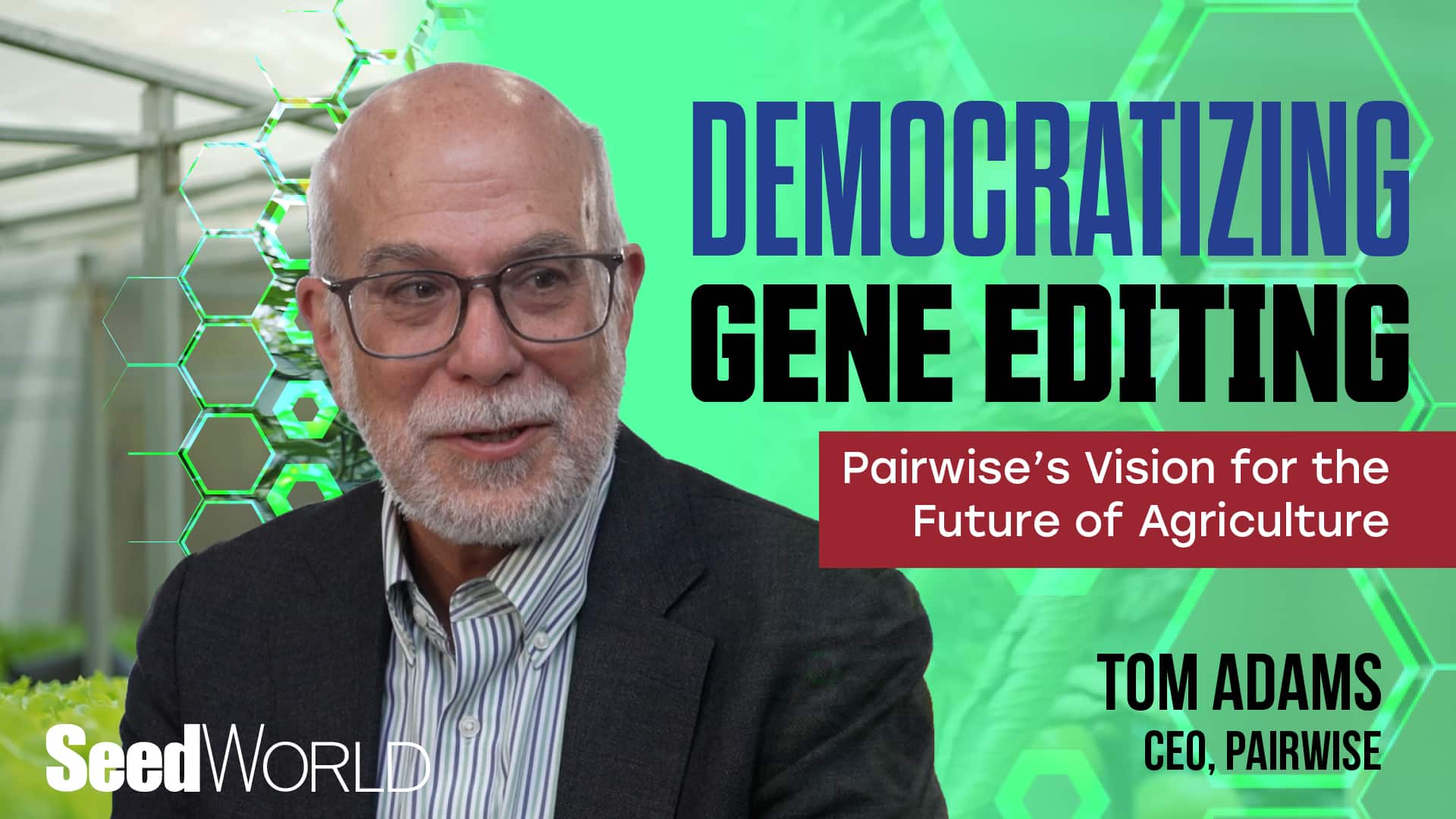
Agriculture doesn’t suffer from a shortage of problems to solve. According to Pairwise CEO Tom Adams, it also shouldn’t rely on a handful of companies to solve them.
In a recent conversation with Seed World, Adams explained why Pairwise has embraced a model designed to expand access to advanced breeding technologies. His view is straightforward: with hundreds of crops and countless production challenges to address, no single company can drive innovation fast enough on its own.
By making gene editing technology more accessible, Pairwise hopes to enable more organizations to develop solutions tailored to specific crops, markets and production needs. Adams argues that broader access to innovation could help accelerate crop improvement while creating value throughout the agricultural supply chain.
Building Trust
The discussion also explores an equally important challenge: public acceptance. Adams explains why Pairwise has focused on innovations that deliver visible consumer benefits alongside advantages for growers and farm workers. Examples such as pitless cherries and seedless blackberries illustrate how gene editing can improve convenience while also supporting productivity, efficiency and profitability.
What Comes Next for Gene Editing?
Looking ahead, Adams sees opportunities to develop crops better suited for automation, harvest efficiency and future production realities. While agricultural innovation often takes longer than expected to reach the market, Adams believes the industry may underestimate how quickly gene-edited products are beginning to reach commercialization.
As gene-edited products begin reaching the market, Adams believes the industry is entering a new chapter: one that could reshape how innovation spreads across agriculture. Watch the full interview above to hear more.