Farmers want to lead a redesign of Canada’s wheat breeding system
Wheat is one of Canada’s signature crops and a backbone of Prairie farm income, which makes the pipeline that produces new wheat varieties a piece of quiet national infrastructure. That pipeline, according to the farmers who help pay for it, is showing cracks. Jocelyn Velestuk, a grain and cattle producer near Broadview, Sask., who chairs both Sask Wheat and the Canadian Wheat Research Coalition, put the question plainly: with the current system carrying real gaps and risks, is there a better way to breed wheat in Canada, and should farmers be the ones to lead it?
Status quo is not an option
The Canadian Wheat Research Coalition is not a lobby group bolted on from the outside. It was formed from the three Prairie wheat commissions and is governed entirely by a farmer board, which means the people asking hard questions about the system are the same people funding it. The Coalition set out to get a clear picture of where wheat breeding innovation stands today, and what it found was not reassuring. “When we opened the hood and took a look at the Canadian wheat breeding system, there were significant gaps and risks within the current system,” Velestuk said.
Those gaps are not spread evenly. According to Velestuk, they sit in the variety development and testing stages of the breeding continuum, the part of the process where promising genetics are turned into varieties farmers can actually plant, and where much of the plot and research capacity lives. That is a consequential place to be exposed. A weakness there slows the flow of new varieties to the field no matter how strong the earlier science is. And the Coalition’s assessment, Velestuk noted, came before recent Agriculture and Agri-Food Canada cuts to some research stations, cuts that land squarely on the same public infrastructure the breeding system leans on. Her conclusion was blunt: “Status quo is not an option. And that’s a really big thing to say.”
The case for farmer-led wheat breeding
The Coalition’s argument for change rests on the scale of farmer investment. Velestuk points to a 33-to-1 return on every farmer dollar put into wheat breeding, and to more than $70 million contributed by farmers over the past six years. Few investments in agriculture return at that rate, and few stakeholder groups have that much capital committed to a single system. Given that level of skin in the game, she frames leadership as a natural next step rather than a power grab: “Who better to take the lead than farmers?“
What makes the pitch credible is that the groundwork is already underway. The Coalition has paired a big-picture review of the current system with direct conversations across the sector, including a recent stakeholder meeting that Velestuk says produced a shared vision and guiding principles everyone agreed on. Alignment of that kind is usually the hardest part of any industry reform, and she argues it is what will let a farmer-led redesign of the wheat breeding innovation system actually move forward.
Subscribe To On The Brink
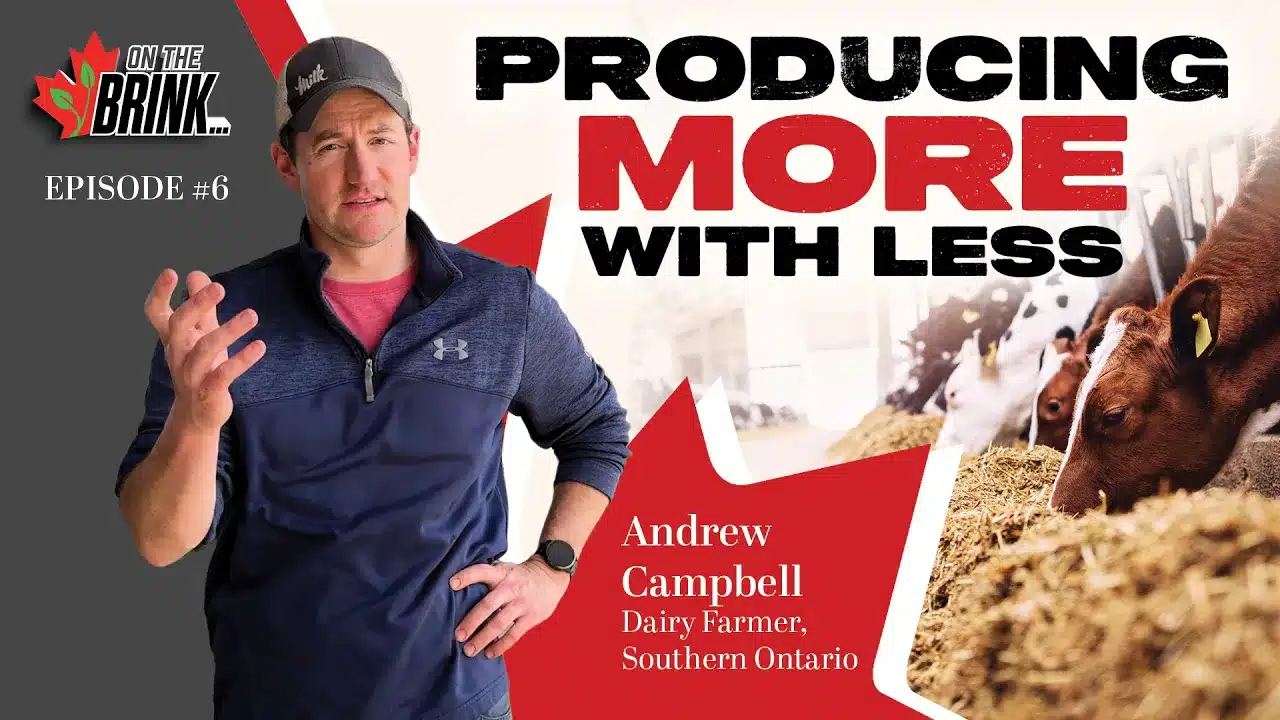
On the Brink is a cross-country storytelling project about plant breeding in Canada. The goal is to spark an open, multi-perspective, ongoing conversation about what’s possible, what’s at stake, and how to seize opportunities ahead. On the Brink releases new episodes every Wednesday. Watch Episode 6 featuring Andrew Campbell and subscribe to have future episodes delivered directly to your inbox.
More Episodes
Be Part of this Conversation
We need your help to grow and evolve this conversation!
- Nominate individuals you think should be part of the On the Brink video series. Know someone who would add to the conversation? Email us at OnTheBrink@seedworldgroup.com
- Help expand the conversation by liking and sharing weekly episodes across LinkedIn, Instagram, X, and Facebook.