The international project will develop a digital tool to assess the environmental impacts of crops including corn, canola, soybeans, sugar cane, cotton and sunflower under real production conditions.
Scientists from CONICET’s Technological Institute of Chascomús (INTECh, CONICET-UNSAM) are participating in an international project to evaluate the environmental footprint of crops grown as renewable raw materials for biologically based industries.
The initiative, called SUSTAINCrop, will develop and validate a digital assessment tool using crop production data from Latin America and Europe. The goal is to help farmers, businesses and policymakers make informed decisions about producing crops for biomaterials and other industrial applications.
The 36-month project is funded by the European Union through its Horizon Europe programme.
Connecting Crop Research Across Two Regions
SUSTAINCrop is coordinated globally by INNOMINE, a Hungarian consultancy that connects companies and startups with European funding. Agencies, universities and companies from Denmark, Greece, Germany, Belgium and Spain are also participating.
INTECh will coordinate the project’s Latin American Knowledge Group, which includes the University of San Pablo de Guatemala and the Autonomous University of Bucaramanga in Colombia.
“From the INTECh we will seek to create a network of multi-institutional cooperation, first at the national level to project ourselves regionally from there. Similar activities will be developed by our colleagues from the universities of Bucaramanga, representing the American equatorial region, and Guatemala, representing Central America,” says Oscar Ruiz, a CONICET researcher at INTECh and coordinator of the project’s Latin American component.
Assessing Crops Grown for Industrial Uses
Biologically based industries use crops as renewable raw materials rather than for direct human consumption. These crops can be processed into biomaterials and other industrial products intended to reduce dependence on non-renewable, fossil-based resources.
However, determining the full environmental effects of producing these crops remains difficult.
“However, understanding its true environmental impact remains a challenge,” says the announcement introducing the project.
SUSTAINCrop will build on work completed through the EU-funded Raising the Bio-Based Industrial Feedstock Capacity of Marginal Lands project, coordinated by Germany’s Leibniz Centre for Agricultural Landscape Research.
“This project, in which we also participated, was an important experience that promoted our European colleagues to invite us to be part of this new initiative,” says Ruiz.
Priority Crops in Europe and Latin America
The project will analyze the environmental impacts of primary agricultural crops that could supply biologically based industries. European research will include crops such as rapeseed, sugar beet and hemp.
“On the Latin American side, crops such as corn, canola, sugar cane, soybeans, cotton and sunflower will be prioritized in this sense,” Ruiz says.
Researchers will compile information about the production volumes and geographic distribution of these crops in Europe and Latin America, according to a press release.
“The project tries to collect data and figures on the volumes and geographical distribution of primary agricultural crops of this type, which are marketed within Europe and Latin America including data on the type of soil and its uses, climate, cultivation systems and agronomic practices.”
Digital Tool Will Compare Production Scenarios
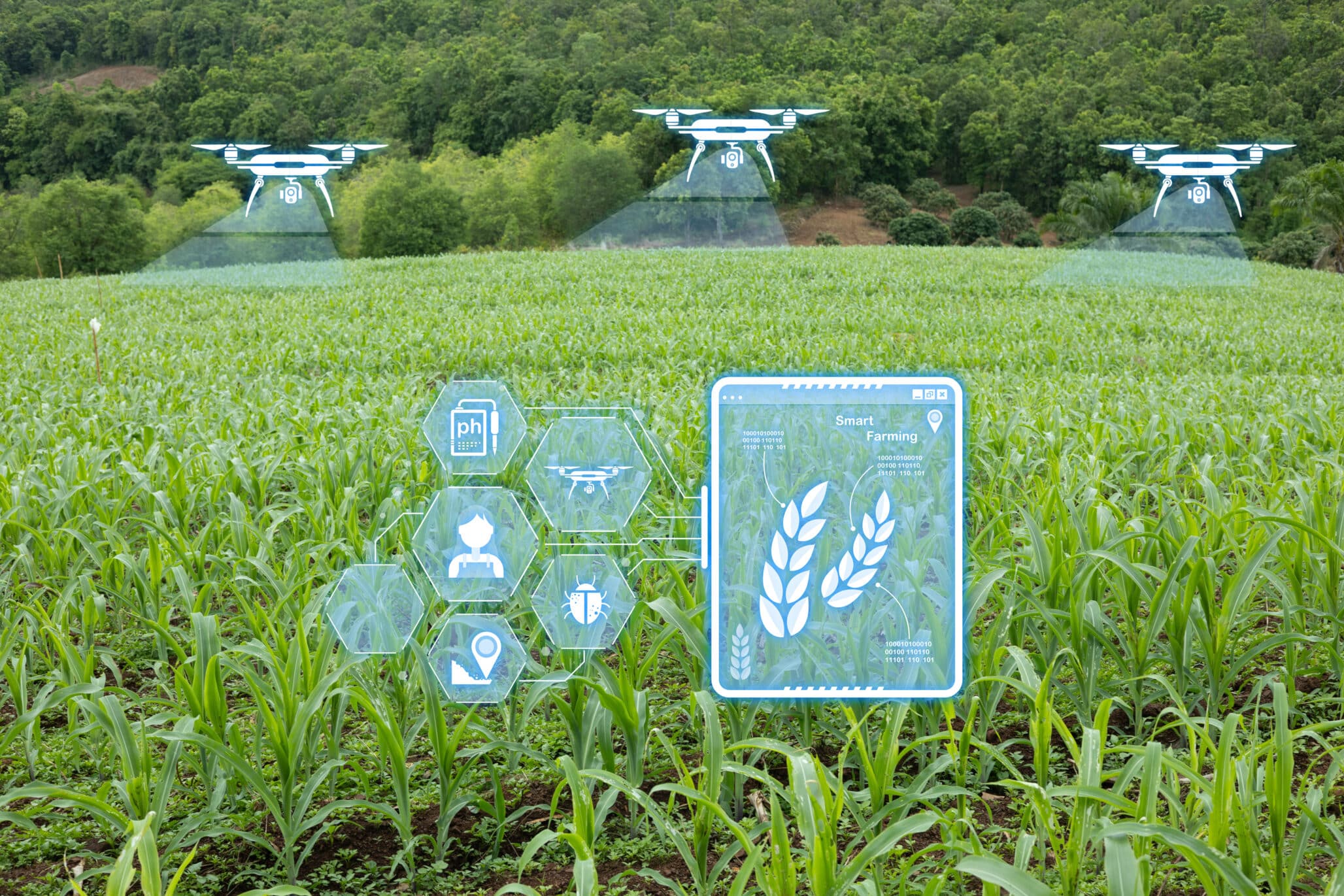
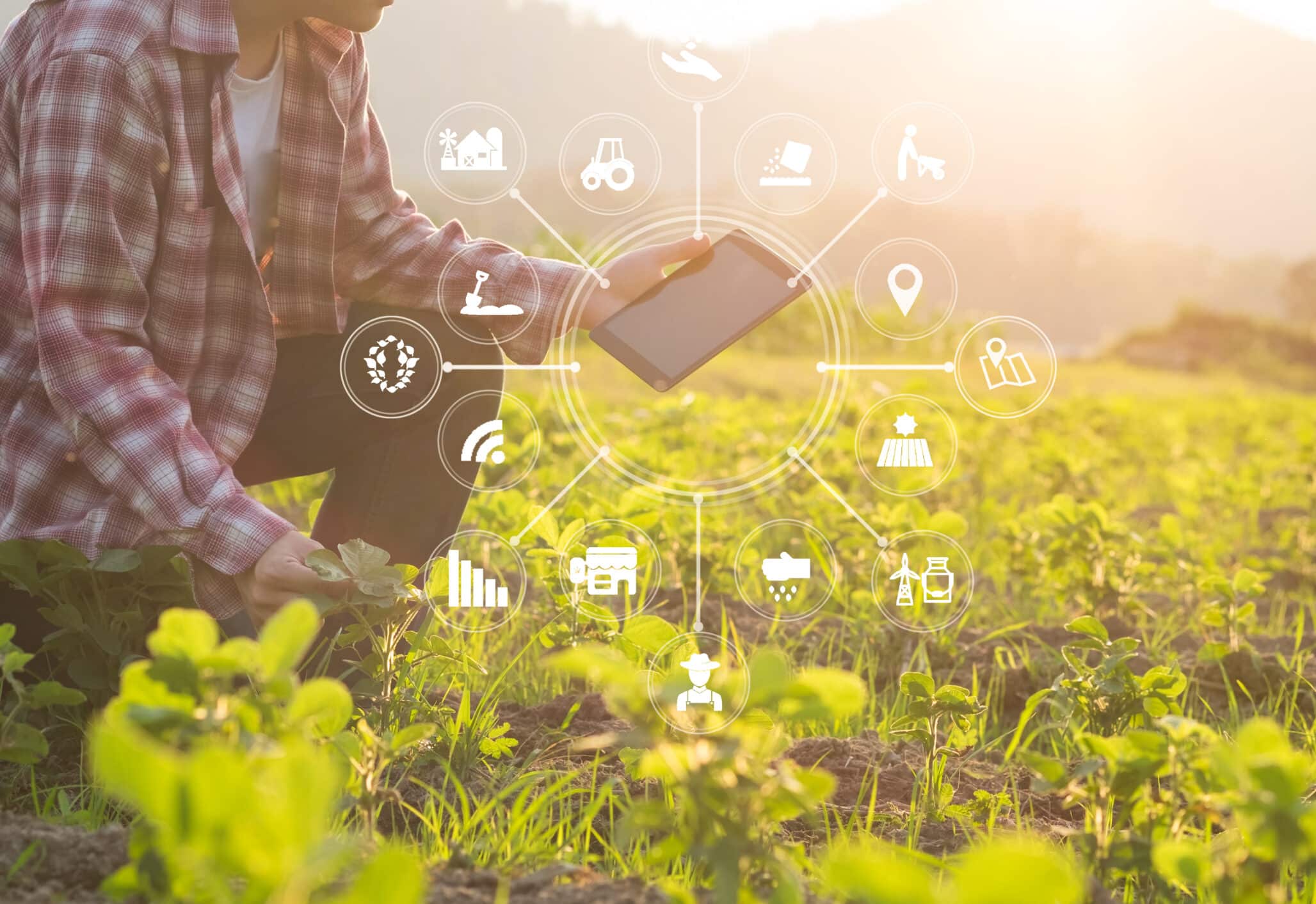
By the project’s conclusion, researchers expect to produce a georeferenced database covering crop production systems in different regions. An interactive dashboard will allow users to compare production scenarios and explore more sustainable options. The project will also produce guidance and training materials.
“The objective is to develop a digital tool called TOOL KIT, which will allow to evaluate the potential ‘environmental fingerprints’ of the selected crops in real production conditions. It will be built from historical production data for different ecosystems. Once designed, the tool must be validated in the different ecosystems that are of interest,” Ruiz specifies.
The project is intended to improve understanding of the environmental impacts associated with producing crop-based resources for industrial systems. It will also give farmers, advisers, public authorities and businesses access to information and practices that can support more sustainable crop production for industrial uses.