I have defended genetically modified crops since I was a student, when people first warned me that large transnational companies would take over and make food more expensive. That’s always possible. But my thoughts, then and now, are with the people who consume that food. The Irish potato famine was triggered by late blight, a disease that wiped out the crop millions depended on. With today’s tools, and if regulations allow it, we could develop resistant varieties within a few years.
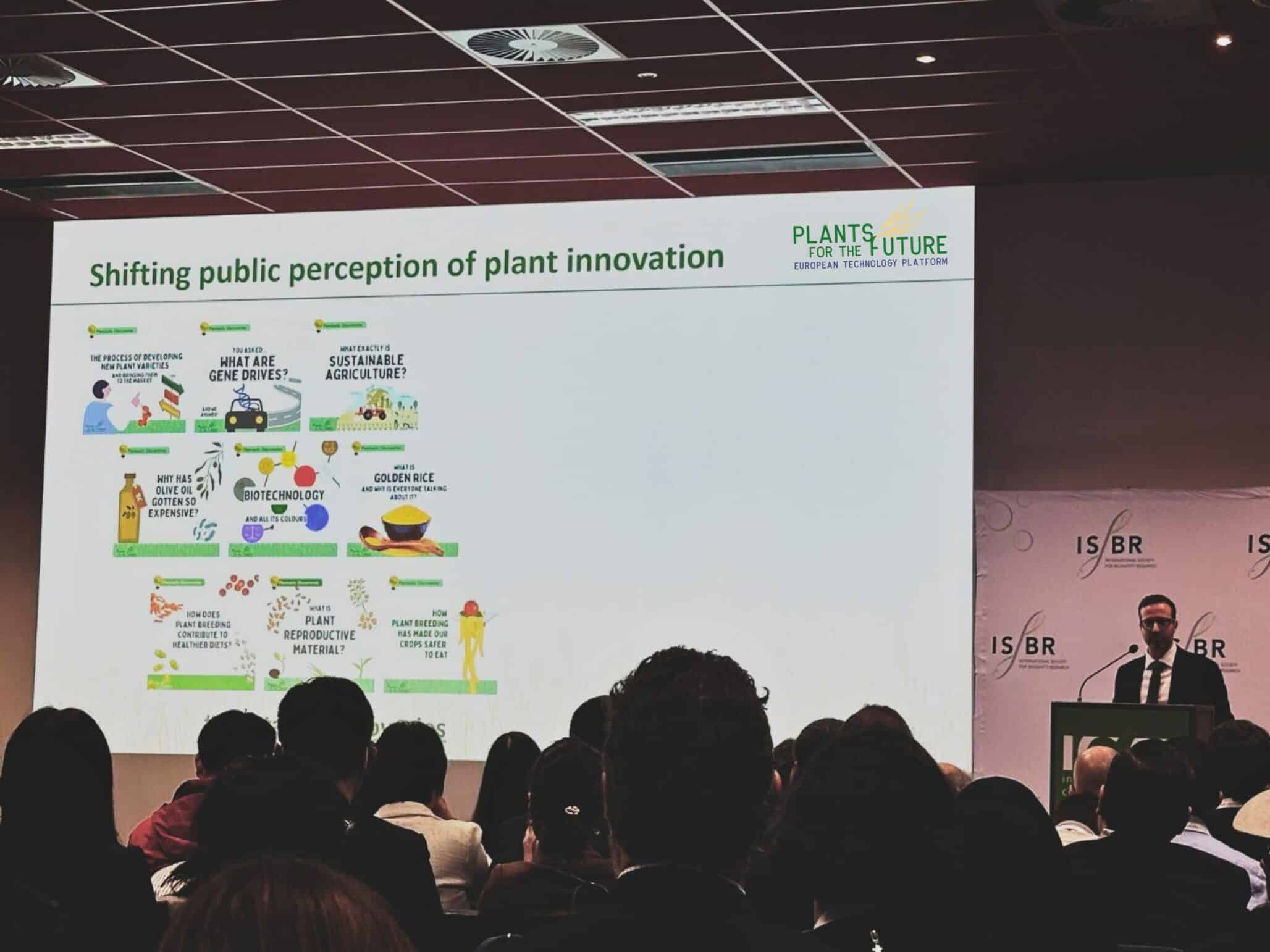
People fear transgenics largely because scientists aren’t always articulate. We don’t always explain things so someone with minimal knowledge can follow. We get so deep into the science that we end up speaking over people’s heads — making it easy for someone more articulate to sound credible while spreading misinformation and turning the technology into something monstrous.
As a scientist, I’m not afraid of transgenics. I know how the technology works, and that approved products are assessed case by case and shown as safe as their conventional counterparts. Growing up in Cuba, under severe economic hardship, I saw firsthand how important agricultural biotechnology was to produce food with minimal inputs. Transgenic research and early crop developments served us well.
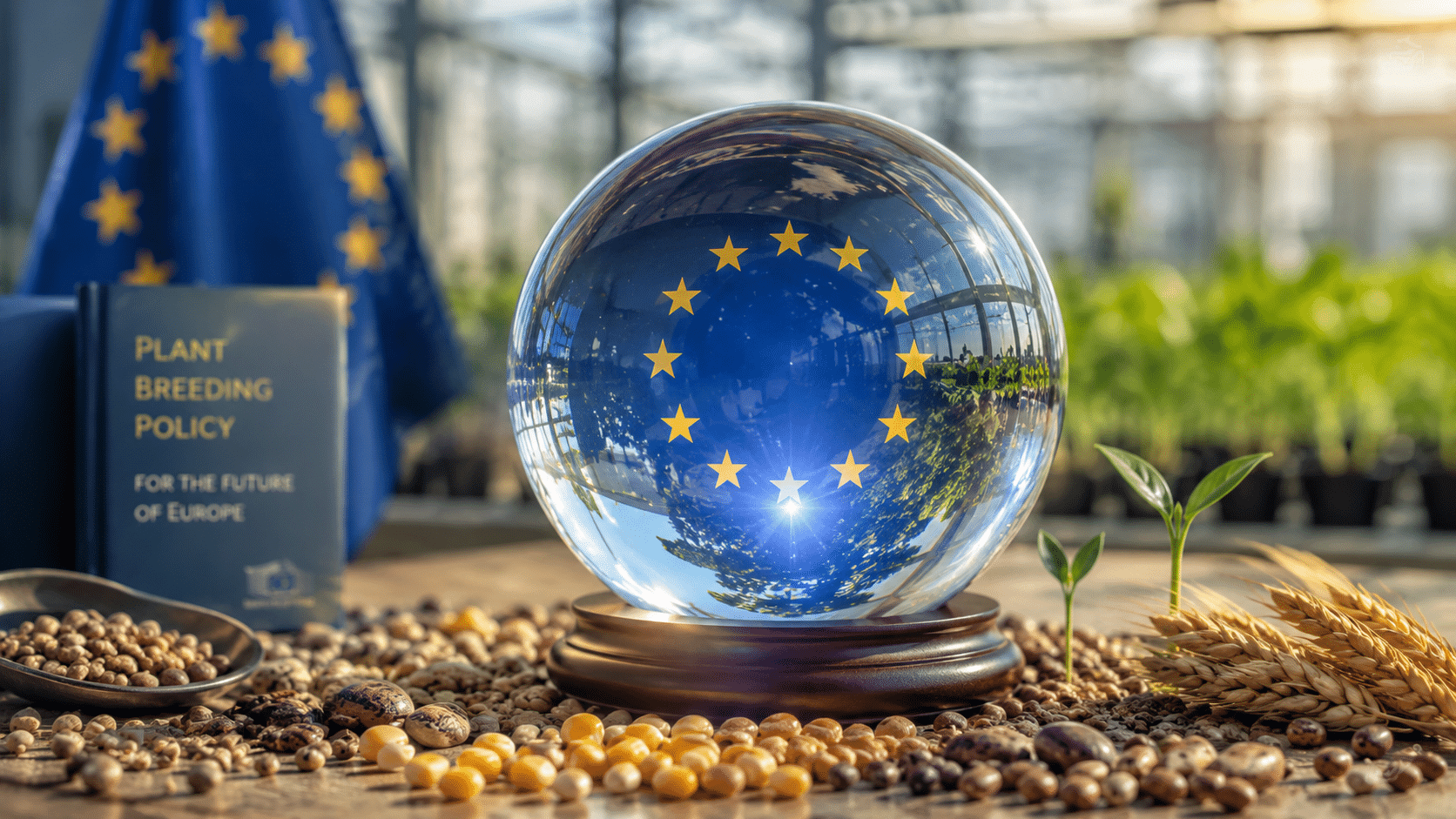
The EU’s New Genomic Techniques (NGT) framework, adopted in 2026 as Regulation (EU) 2026/1388, sets new rules for using technologies like CRISPR to improve crops. It splits NGT plants into two categories. Category 1 covers plants equivalent to conventional ones — those with limited, targeted changes, such as substitutions or insertions of no more than 20 nucleotides. Once verified, these plants are exempt from GMO requirements, though seeds must be labelled as NGT, and uses like herbicide tolerance and organic production are excluded. Plants outside these limits fall into Category 2, under full GMO rules. The framework applies from July 2028, helping meet the needs of a growing population faster. I’m excited about that.
As scientists, we need a simple way to explain to the public how closely related the edited plant is to the genetic material used. Under Category 1, we’re not inserting a fish gene into a tomato — the rules cover changes to a plant’s own DNA, or material from a plant it could be crossed with, changes that occur naturally or through conventional breeding. What we’re doing is shortening the time needed to develop traits for a rapidly changing climate.
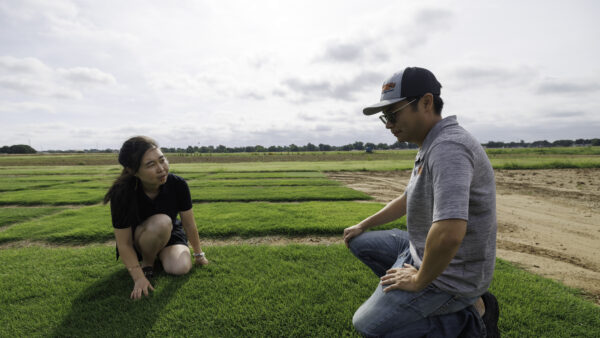
As a plant breeder, I’m proud of the work we do at Agronomix to support breeders putting these techniques to work. Breeders need large, well-curated genomic datasets to make critical decisions quickly. Our genomic prediction tools help them identify promising genes and plants in large populations and decide earlier — because releasing improved varieties sooner will matter more than ever.