From approving the 2027 International Rules for Seed Testing to examining AI and digital imaging, ISTA’s annual meeting demonstrated the importance of scientific collaboration.
When people think about an international conference, they usually picture keynote speakers, packed exhibit halls and plenty of networking. Those things certainly happened at this year’s International Seed Testing Association (ISTA) Annual Meeting in Calgary. But they’re only part of the story.
The real story unfolded in meeting rooms where scientists, regulators, ISTA accredited seed laboratories and industry stakeholders from around the world rolled up their sleeves to tackle a shared challenge: how do we ensure seed testing keeps pace with a rapidly changing industry while maintaining the trust the global seed sector depends on?
It isn’t glamorous work. In fact, much of it happens behind the scenes. But it’s some of the most important work our industry does.
The biggest milestone of the week was the approval by voting at the Ordinary General Meeting (OGM) of the Rules Proposals that will become incorporated into the 2027 edition of the ISTA International Rules for Seed Testing. That may not sound like headline news, but these rules are the common language of seed testing around the world. They help ensure that a test performed in Canada produces the same trusted result as one conducted in Europe, Asia or South America.
Those standards don’t appear overnight. They are built over years of research, discussion, testing and collaboration. Every proposed change is challenged, validated and refined before it ever reaches a vote. That careful process is what gives growers, seed companies, regulators and customers confidence in the results they rely on every day.
One of the themes that kept surfacing throughout the week was artificial intelligence (AI).
The conversation has clearly shifted. Instead of asking whether AI has a place in seed testing, the discussion has become where it can genuinely make a difference. From machine learning and digital imaging to new ways of analyzing data, there was a great deal of excitement about the possibilities.
At the same time, there was consensus that new technology isn’t valuable simply because it’s new. In our industry, every innovation must earn trust. Before AI becomes part of routine seed testing, it needs to prove it can deliver consistent, reliable and scientifically sound results.
That balance between innovation and integrity was one of the strongest messages we took away from the meeting.
Another recurring topic was seed health. As seed moves more freely around the world, laboratories need better tools to identify diseases quickly and accurately. ISTA Technical Committees (TCOMs) are continuing to build shared resources, improve diagnostic tools and expand reference materials that laboratories everywhere can use.
Beyond AI, imaging, and seed health, the technical committees’ meetings also covered:
- New and revised vigour testing methods
- Sampling and certification procedures
- Statistical methods and proficiency testing
- Advanced technologies and method validation
What stood out most to us wasn’t any single presentation or committee discussion. It was the willingness of experts from different countries, organizations and disciplines to work toward the same goal. Whether they specialized in germination, seed health, sampling, vigour, purity or statistics, everyone was focused on making the international seed testing system stronger than it was yesterday.
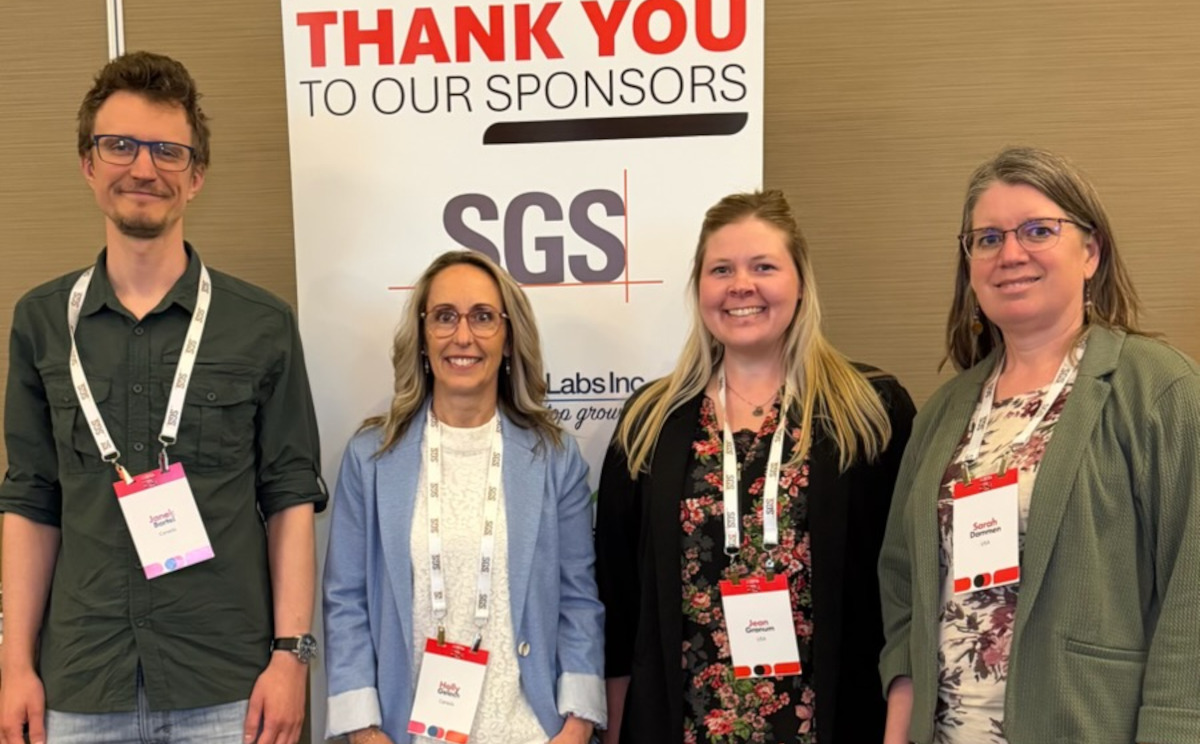
Canada was proud to host this year’s meeting, providing an opportunity to showcase the country’s seed testing and regulatory infrastructure. For SGS, it was an opportunity to contribute. We were proud to have five colleagues representing our North American operations, with experts from both Canada and the United States participating throughout the week. Their involvement reflected the role SGS plays within the global seed testing community.
Our team’s contributions reached across several important areas. Nicole Calliou continues her longstanding work coordinating the development of digital resources that laboratories around the world use to identify seed-borne diseases and joined ISTA’s Seed Health Committee. Janek Bartel took on the role of chair of ISTA’s Rules Committee, guiding the process that brings together recommendations from technical committees before they become international standards.
For us, that’s one of the greatest values of participating in ISTA’s annual meetings. The knowledge doesn’t stay in committee (meeting?) rooms. It comes home with us. Every discussion, every scientific debate and every new idea help us strengthen the work we do for our customers. It allows us to stay at the forefront of evolving methods while contributing our own expertise to the international community.