
It all started with a rough sketch. Fall of 2023, my oldest had just finished his ag diploma and was coming home to join the farm full-time. I knew it was time to rethink our seed plant — the one my dad and I revamped back in 1996. When we bumped into Rod Cockerline from Nexeed at a Manitoba Seed Growers meeting in Brandon, I said, “Maybe we should talk.”
A few weeks later, he texted me asking what I had in mind. I grabbed a scrap of paper and scribbled a rough layout — bins, screens, gravity sorter. That sketch kicked off something much bigger than I expected.
What surprised me most? How easy it was. Rod came out with his tablet, flipping through photos of other seed plants and laying out some ideas. He didn’t come in selling — he came in collaborating. His first recommendation was simple: go tour some plants. My son and I hit the road, visiting operations that ran Cimbria equipment — the kind we’d already been leaning toward.
By February, we sat down again with Rod and laid out our vision. From there, things snowballed. In March, he brought in two senior folks from Cimbria — all the way from Europe — to walk through the plan with us. Then came the game-changer: 3D modeling.
What an amazing technology. Full digital layout. Machine specs. Power requirements. Pipe diameters. Weight breakdowns. A complete spreadsheet of every detail. That model let us visualize the whole operation, trace how seed would move from one machine to the next and make decisions we didn’t even know we had to make.
It didn’t just help us — it helped everyone else on the project. Our electrician had the full specs, knew exactly how much power the system would draw, and trenched in the new service with zero surprises. All his starters are prepped and ready. The cement crew’s schedule aligned. Everything is clicking into place.
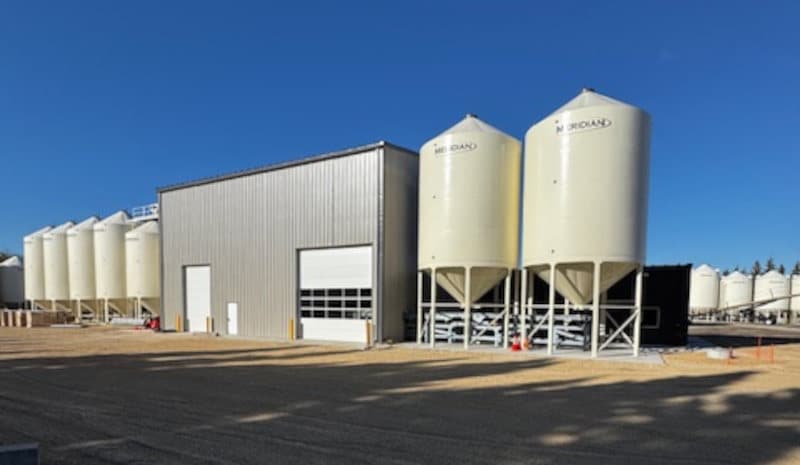
Right now, the building’s just wrapping up. Come August, machines go in. We’ve got a whole new office going up too. And by October, we’re aiming to be up and running — with capacity to clean 400 bushels an hour, double what we could do before.
And this isn’t just about volume. It’s about flexibility. We clean cereals — wheat, barley, oats — plus flax, soybeans, peas. We do custom work, plots, and special handling. One thing we didn’t want was to dump 100 bushels of plot seed into a giant bin and crack it all up.
So, we designed a box-friendly flow: unload straight into the seed plant, bypass the bins, and direct the seed to any machine with the flip of a switch. On the other end? Fill seed boxes right from the colour sorter.
The old plant served us well. But the world has changed. Now, with tools like 3D modeling and partners like Nexeed, you don’t have to guess anymore. You can see it, plan it, and build it right the first time.