Shannon Bieman takes on the CSGA presidency as seed certification continues to evolve, bringing her perspective on the people, technology and priorities shaping its future
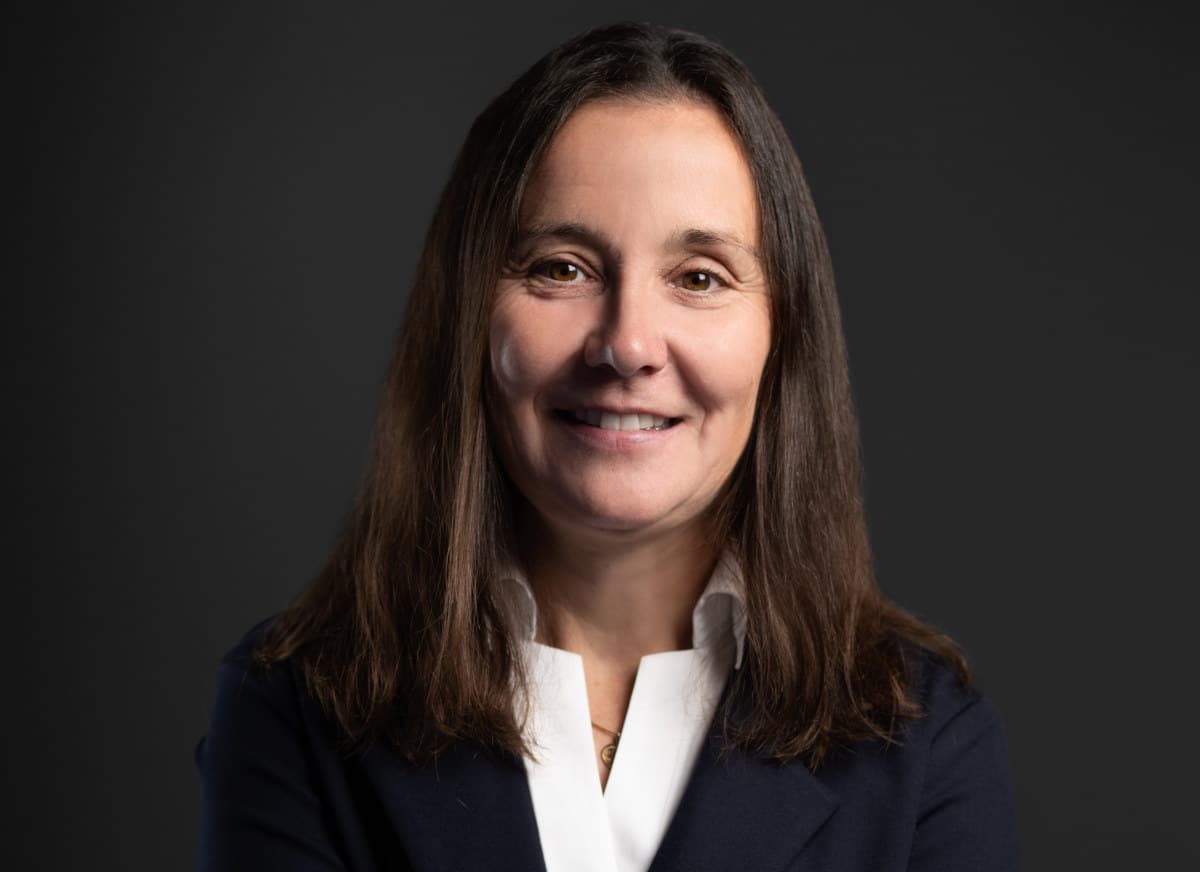
Shannon Bieman knows the seed sector from the ground up. A pedigreed seed grower from near Belgrave, Ont., she farms soybeans and cereals with her husband, Blair, alongside a beef cow-calf operation and flock of sheep. Now, as president of the Canadian Seed Growers’ Association (CSGA), she’s taking on a different kind of challenge: helping CSGA to continue to lead in an era of rapid technological, regulatory and generational change. We identify seven big tasks CSGA is tackling to do exactly that.
Task 1:
Keeping Up with the Pace
of Change
Seed World Canada: What are the biggest new challenges CSGA has to prepare for over the next decade?
Shannon Bieman (SB): Not that long ago, certification was focused on maintaining purity and genetic identity. Now CSGA needs to consider AI, digitalization, climate change, different crop kinds and production systems to name only a few, and all while maintaining the trust and integrity that the certification system was built on. I think the challenge is how we stay adaptable without compromising the confidence level in the system.
I think it is important to point out also that the most unimaginable challenge is having to defend or justify the need for public breeding and the importance of public research.
Task 2:
Certification with a Broader Purpose in a More Complex World
Seed World Canada: Has the job of administering seed certification fundamentally changed?
SB: Yes, although the fundamentals haven’t. CSGA’s core responsibility is still to maintain the integrity of Canada’s pedigreed seed system.
But our role doesn’t end at certification. Where policy and regulation touch the seed system (Seed Regulatory Modernization is a good example) we have a responsibility to bring our certification expertise to the table in support of agriculture and the seed sector as a whole, not just to administer standards on the sidelines. We’re not there to represent one segment’s interests, instead, we’re there to make sure decisions are grounded in what keeps the system credible, efficient and trusted for everyone across the value chain.
Task 3:
Recruiting a Different Kind of Leadership
Seed World Canada:CSGA recently hired a new executive director, C.J. Noble, who comes from outside the seed sector. Why was now the right time to bring in a different perspective?
SB: C.J. has more than 30 years of experience in public affairs, government relations and agricultural leadership and that includes experience with agriculture and food inspection policy. To be clear, the board was not looking to replace the seed expertise within the CSGA. We were looking for a leader who could connect the dots for us: connecting the expertise and knowledge between the entire seed sector and government and help to strengthen CSGA for the opportunities and challenges ahead. The board recognized that CSGA is entering a “new frontier”. Strong seed sector expertise is essential, but it is not enough. With all the issues we are dealing with now and the way we need to be representing the seed sector moving forward, the CSGA requires someone like C.J. who can not only navigate the traditional boundaries of the seed industry but can also envision and see past those boundaries.
Task 4:
Bringing People into the Seed Story
Seed World Canada: Can someone from outside the sector understand its complexities?
SB: She doesn’t need to be the expert on every aspect of seed certification. She has an amazing staff to back her up, an engaged board and 3,000 members that are committed to assisting her along the way.
I know that C.J. will ask the questions, listen to the people with the knowledge, bring the expertise and resources together and turn that information into an effective strategy. She has an amazing background with government relations, rural policy and food inspection. She knows what leadership truly is and is up for the job.
Task 5:
Winning Over the Next Generation
Seed World Canada:What will it take to continue to stay relevant to younger growers?
SB: CSGA needs to be take a proactive approach in getting younger farmers and seed growers to actively help shape what the certification system becomes and there is no better time to do that when we are in the process of seed regulatory modernization. We are trying to do that with our CSGA Learn program, digitalization, and where we have gone with our governance model. We aren’t done yet. We cannot expect our younger generation to “inherit” a system. We need to collaborate and engage with the younger generations. They prefer digital tools, faster answers and want to see clear economic benefits of the certification system.
Task 6: Breaking Down Silos
Seed World Canada: Where is the biggest opportunity to work together as an industry?
SB: Communication. Every strong foundation is built on communication. Across the entire seed value chain, we need to have stronger collaboration, more open discussion, and bring all people to the table. There is a disconnect between breeders, seed growers, commercial farmers, the processors and the end users. I would like to see everyone in the same room more often, talking about the seed industry and where we need to move together. This includes bringing in the next generation. The challenges we face today are too great for any of us to solve alone.
Task 7: Speaking with One Voice
Seed World Canada: Is the sector having conversations today that weren’t happening five years ago?
SB: Absolutely there are. I think if we rewind the clock back to 2014, it started when the Canadian Food Inspection Agency moved from completing pedigreed seed crop inspections to an alternative service delivery model, with licensed private inspectors conducting the inspections and the CFIA continuing to retain the regulatory oversight. Seed Regulatory Modernization opened the door further to a wider audience and larger group of participants across the entire seed value chain.
When we began that journey, it put people in the same room who had never really worked together previously including primary producers, seed growers, seed companies, breeders, regulators, commodity groups, grain organizations, academics, government, and others.