
West Virginia University Leads Initiative to Boost Farmland Access and Support Underserved Farmers
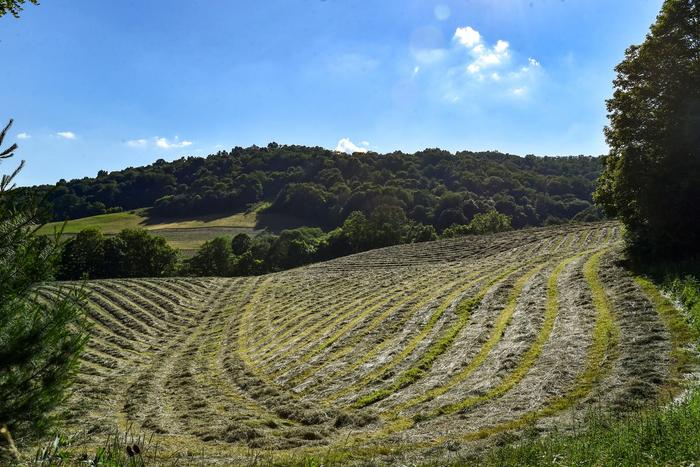
West Virginia University (WVU) is leading a national initiative aimed at expanding farmland accessibility to underserved populations. This effort is also designed to assist producers in securing working capital and improving food distribution channels.
Iowa State Researchers Unveil AI Strategies for Enhancing Crop Breeding

With leadership in agricultural technology, Iowa State University’s latest publication delves into the transformative potential of artificial intelligence (AI) in crop improvement. Authored by Jianming Yu, the Pioneer Distinguished Chair in maize breeding, and doctoral student Karlene Negus, the study emphasizes AI’s emerging role in bridging the gap between scientific research and practical application in the field of agronomy.
Congress Sharpens Focus on Specialty Crops with Bipartisan Caucus
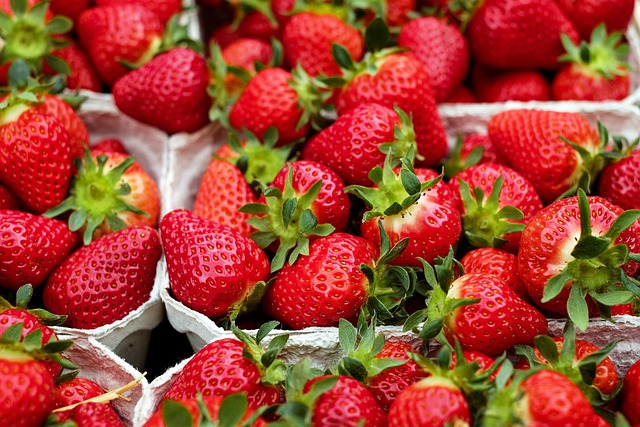
Aiming to bolster food security and support producers, the 2024 Congressional Specialty Crops Caucus gathers a diverse group of lawmakers to advocate for vital agricultural interests.
Is it Soccer or Football?

Crafting a story with the listener in mind is critical to creating their listening. What is important to them? What problem did they wake up with this morning that you would like to discuss with them? What cultural norms dictate how the “majority” of your audience in a specific geography will listen to what you have to say? The good news is that you absolutely do NOT need to get this perfect because there is no such thing as a singular perfect message for EVERYONE.
The Seed Sector’s Battle Against Microplastics
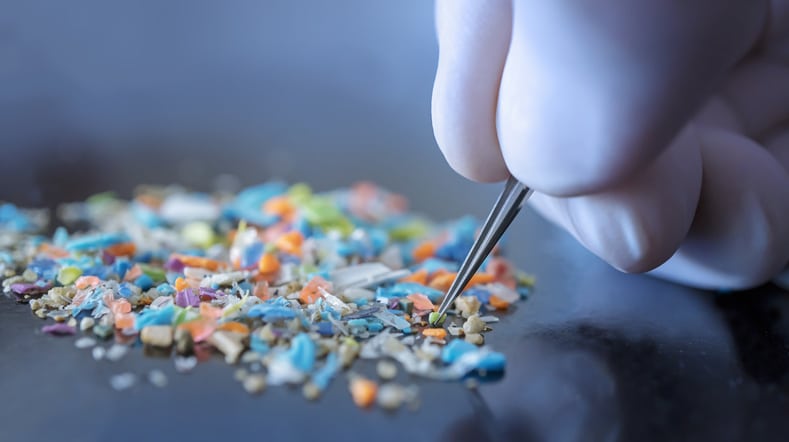
In an era where environmental consciousness rules, the seed sector is at a crucial juncture, grappling with the pervasive issue of microplastics in seed treatments. A recent statement by the International Seed Federation (ISF) in March, reignited discussions on the topic.
New Episode of Seed Speaks May 1

Seed Speaks will debut a new episode this week about Cyber attacks against the food and ag industry, including our seed sector.
The Potential Power of Gene-Based Breeding

A Texas A&M University researcher’s work could redefine how we grow our food and treat diseases. This cutting-edge technology is known as Gene-Based Breeding (GBB). It’s an innovative approach that not only promises to drastically boost crop yields and livestock quality but also holds the potential to transform medical treatments for both humans and animals.
USDA Clears Genetically Engineered Plants of Increased Pest Risk
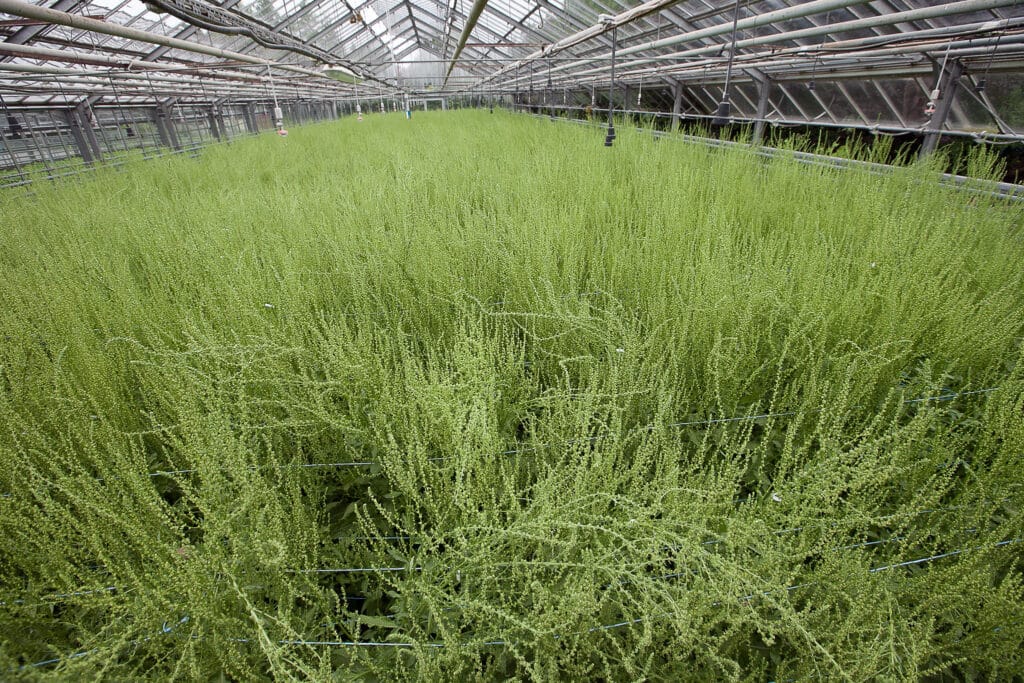
The U.S. Department of Agriculture’s (USDA) Animal and Plant Health Inspection Service (APHIS) has recently evaluated several genetically engineered plants to assess if they present a greater risk of plant pests compared to their traditional counterparts
European Parliament Confirms Positive Vote on New Genomic Techniques; EU Council Urged to Embrace Plant Breeding Innovation
Euroseeds welcomes the European Parliament’s confirmation of its positive stance on New Genomic Techniques (NGTs) Since the EU Council did not come to a conclusion on the file, yet it is now up to member states to pave the way for Europe embracing agricultural innovation.
Why Does Europe Struggle to Get a New Seed Law That Still Works for Breeders and Farmers?

The current legislation has been the successful enabler of a thriving seed sector and guardian of farmers’’ access to the best possible seed across species, markets and final uses. The European Parliament’s approach puts much of this success story at unnecessary risk by eliminating the necessary tools to balance appropriate differentiation of specific requirements with principal rules and assurances for all.
European Parliament’s PRM Report is a Worrying Step Backwards for EU’s Agricultural Future
Following the European Parliament’s plenary vote on a new Regulation for Plant Reproductive Material (PRM), Euroseeds reaffirms its strong concerns in relation to parts of the current text and renews its commitment to constructive engagement and dialogue with the members of the European Parliament as well as Council and Commission in the further process.
Michigan State Launches Agricultural Climate Resiliency Program
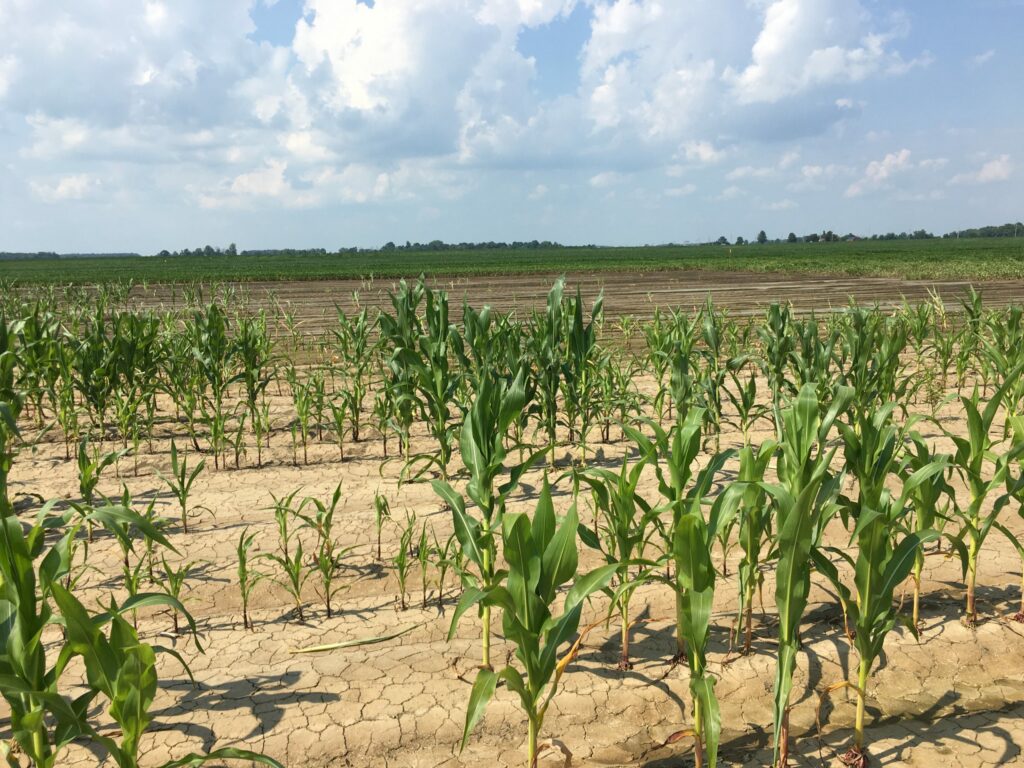
A partnership between Michigan State University, state agencies, and local coalitions invests $5 million in research projects to enhance sustainability and climate resilience in farming.
The Agricultural Climate Resiliency Program, initiated in 2024 and managed by Michigan State University’s (MSU) AgBioResearch along with MSU Extension, is designed to tackle pressing issues in agriculture with a focus on sustainability and climate resilience.
Bayer Partners with UK-Based Firm on Biological Insecticide

Bayer announced a partnership with AlphaBio Control, a UK-based firm, to obtain an exclusive license for a pioneering biological insecticide. A Bayer news release said the product, set for a potential 2028 launch, will be the first of its kind for field crops such as oilseed rape and cereals, following further development and registration.
Risky Business: Safeguarding Crop Diversity in Genebanks

Ensuring food security and agricultural resilience in the face of environmental challenges depends on preserving and utilizing crop diversity, according to the Crop Trust. Genebanks serve as the ultimate guardians of […]
Regen Ag — Fad or Future?
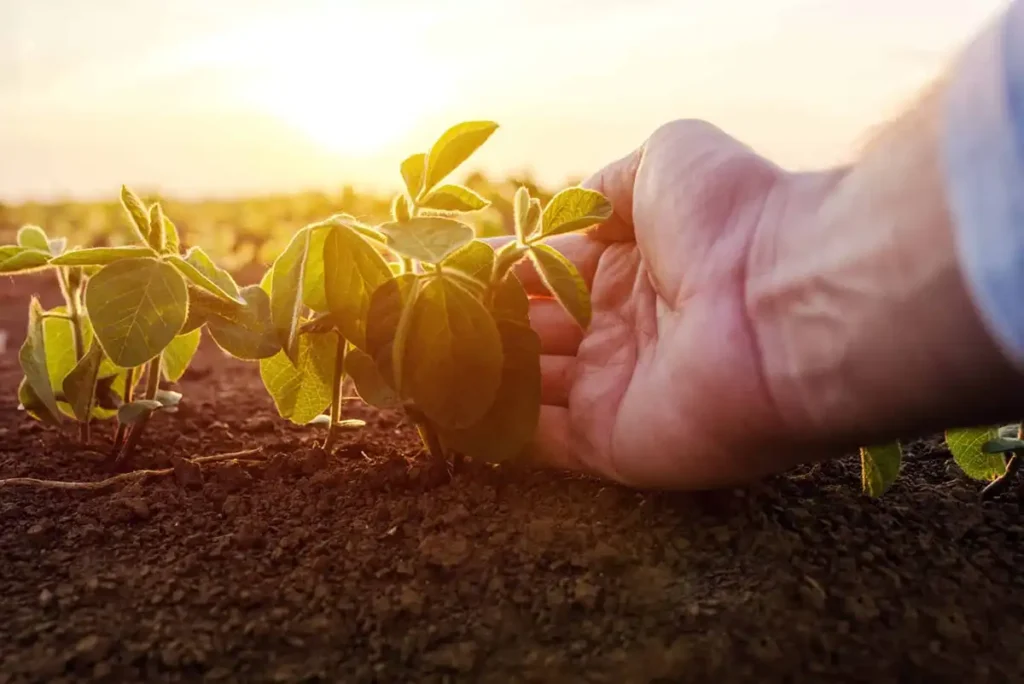
We take a look at what regenerative agriculture is, what seed companies are doing towards regenerative agriculture, and how they make sure their practices are a good fit with their intended region.
How Invisible Forces Influence Taste of Your Food
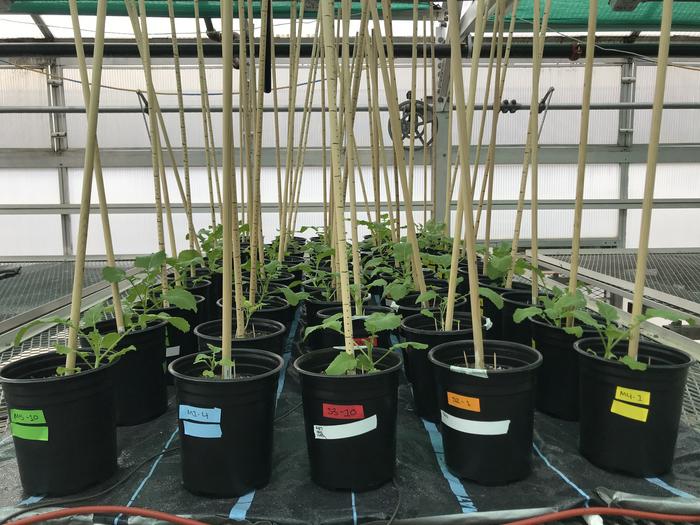
A study from the University of Colorado explored whether soil microorganisms like bacteria and fungi could affect the flavor of crops, focusing specifically on the spiciness of mustard seeds. The work was recently published in the international journal New Phytologist.
Leadership Event Will Grow Seed Industry Professionals

Registration for the American Seed Trade Association (ASTA) Leadership Summit is open. The 2024 even will take place in Nashville June 15-18 with the theme “GROW.” GROW is an acronym for Goal, Reach, Open, Work.
Better Tortillas and Whiskey Begin with Corn

Davis’ involvement in Mizzou’s Maximizing Access to Research Careers (MARC) and Initiative for Maximizing Student Development (IMSD) programs helped her discover an on-campus corn genetics lab run by Sherry Flint-Garcia, a research geneticist with the U.S. Department of Agriculture (USDA).
Plant Stress Sensors Could Revolutionize Crop Management
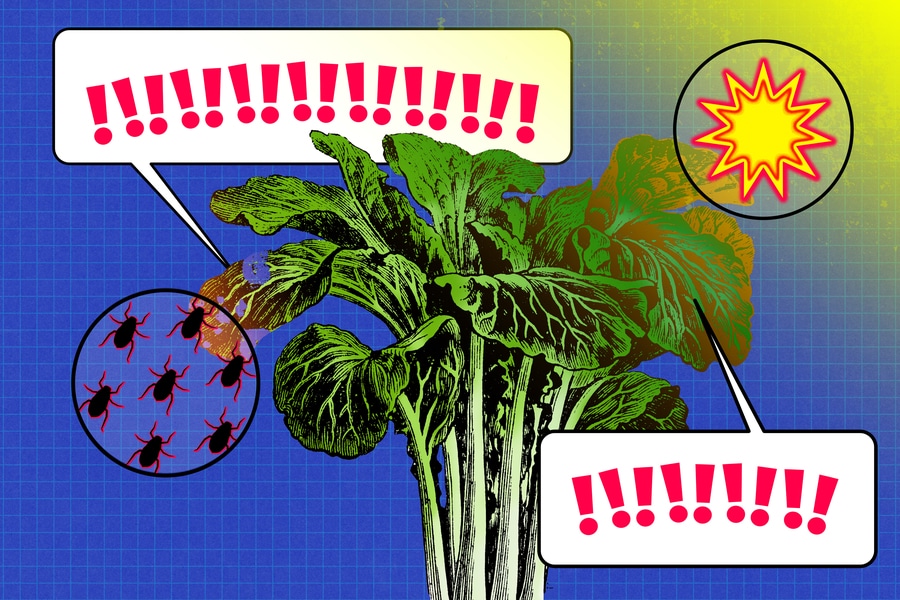
Researchers from the Massachusetts Institute of Technology (MIT) and the Singapore-MIT Alliance for Research and Technology (SMART) have introduced a pioneering pair of sensors crafted from carbon nanotubes in a recent news release. The nanotubes are designed to identify when plants are under stress from environmental factors like heat, light, or attacks by insects or bacteria. These sensors are sensitive to two crucial signaling molecules, hydrogen peroxide and salicylic acid, which plants use to orchestrate their stress responses.
Tennessee Student Studying Organic Wheat-Soybean Double-Crop Systems with SARE
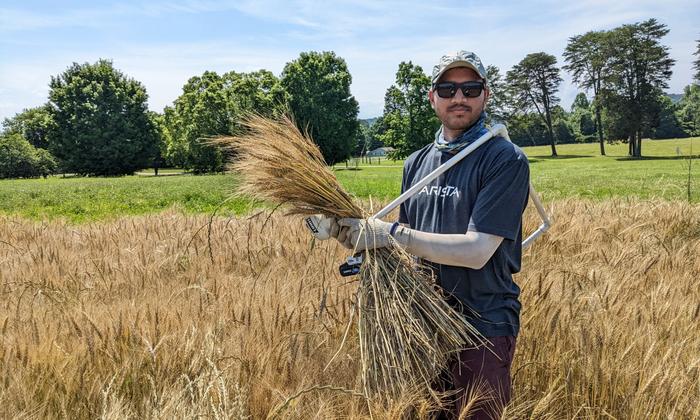
The University of Tennessee Institute of Agriculture’s Herbert College of Agriculture announced doctoral student Ravi Neelipally secured a Southern Sustainable Agriculture Research and Education (SARE) Graduate Student Research Grant. His research delves into the feasibility of organic wheat-soybean double-crop systems in the southeastern United States, a region increasingly adopting organic farming techniques.
Bending Your Beliefs

Ask yourself: when was the last time that you allowed yourself to change your mind on a deep-rooted belief? The key in that question is ‘allowed yourself’ because that is the […]
What are the Key Issues Facing the Seed Industry Around The Globe?

The Seed World editors — covering Canada, Europe, Latin America and the U.S. — discuss the biggest stories making waves right now in the seed industry.
New ‘U.S. Farmed’ Certification to appear soon on beer cans

The U.S. Farmed certification will appear on Anheuser-Busch beers beginning in May. It was developed by the American Farmland Trust (AFT)—a national nonprofit dedicated to helping farmers maintain their land and it assures consumers that at least 95% of the agricultural ingredients are sourced from U.S. farms.
Seed Management Academy Registration Filling Fast

The 2024 academy will introduce an innovative blended learning approach. Purdue University’s Center for Food and Agricultural Business recently announced a new blended learning format for its acclaimed Seed Management […]
USDA Greenlights Bioengineered Hemp with Enhanced Medicinal Properties

The U.S. Department of Agriculture (USDA) recently approved the cultivation of bioengineered hemp, known as Badger G, which has been genetically modified to increase levels of medicinal ingredients while reducing psychoactive compounds. The Animal and Plant Health Inspection Service (APHIS) concluded that this enhanced hemp variety is unlikely to pose a greater plant pest risk compared to traditionally cultivated plants.
Mexico Postpones U.S. Corn Ban
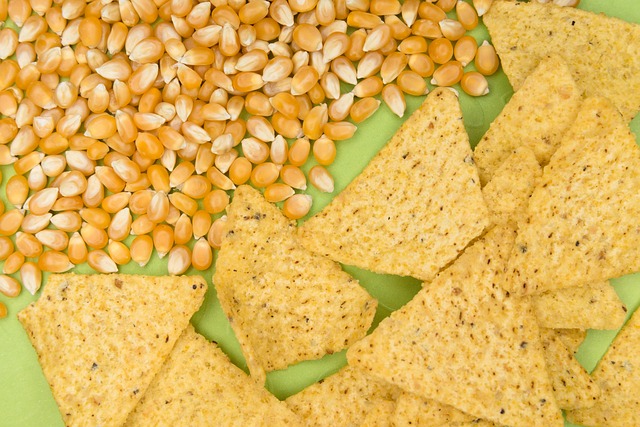
Mexico has been threatening to ban GMO corn from the United States and Canada for a while. They had a deadline set to enact a glyphosate ban of March 31, 2024. That day came and went as Mexican officials decided to postpone the ban until 2025, citing concerns that it would threaten agricultural production and food security.
Get to Know All Four of Your Seed World Editors

Today is a great day to get to know YOUR Seed World editors… all four of them. Though you likely already know your own region’s editor, our publications’ consolidation under […]
Study Unveils a New Era of Crop Optimization

A new study from the University of Illinois Urbana-Champaign suggests current soybean testing locations may not be delivering breeders the biggest bang for their buck.
Future of EU Farming Depends on Balanced and Effective Legislation on Plant Reproductive Material: A Letter to MEPs

Ahead of the imminent European Parliament plenary vote on Plant Reproductive Material (PRM), a consortium of stakeholders, notably Copa Cogeca, Euroseeds, Europatat, Coceral, the European Beet Growers (CIBE), and CEPM […]
Kannar Earth Science to commercialize Cornell’s seed technology for pollinator habitat
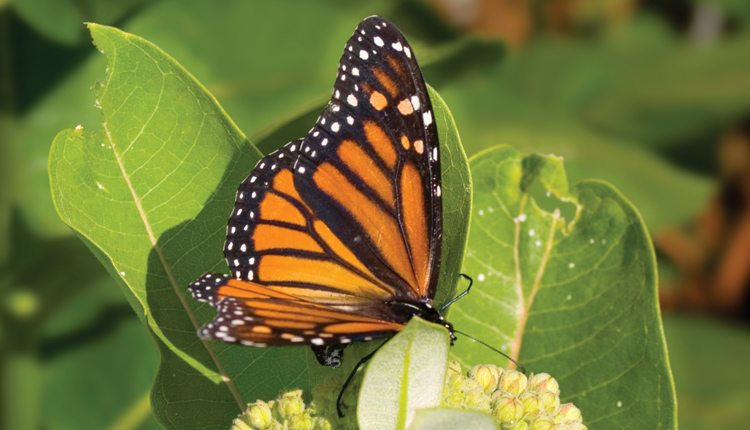
Planting pollinator habitat needs to be as easy and economical as planting corn and soy. I’m excited to announce that Kannar Earth Science, Ltd. has exclusively licensed technology from Cornell University that uses standard row crop equipment to plant milkweed and wildflower seeds. Multi-Seed Pellets (MSP) can facilitate large-scale habitat restoration to revitalize the pollinator populations that boost yields for commodity and specialty crops alike.
Bayer Updates Technology Use Agreement with Class Action Waiver

Bayer says the updates are in line with other trait provider agreements. Bayer recently announced the inclusion of a class action waiver in its Technology Use Agreement (TUG). The waiver […]
One-on-One with APSA’s new ED, Francine Sayoc

Sayoc brings communications experience, seed industry connections and enormous commitment to her new role. Francine Sayoc, the new executive director with the Asia and Pacific Seed Alliance (APSA), is a familiar […]
Scientists Aim to Crack Aluminum Toxicity Code

A team from the U.S. and Brazil are studying the connections between gene regulation and aluminum tolerance in maize and sorghum Changing climate patterns are causing acidic soil, which globally […]
A Little of This Goes a Long Way

One of humanity’s biggest achievements in the last century was making a huge increase in food production. From 1900 to 2000, there was a six-fold increase in crop harvests while […]
Checking in with a Borlaug Scholar: Not All Carrots are Created Equal
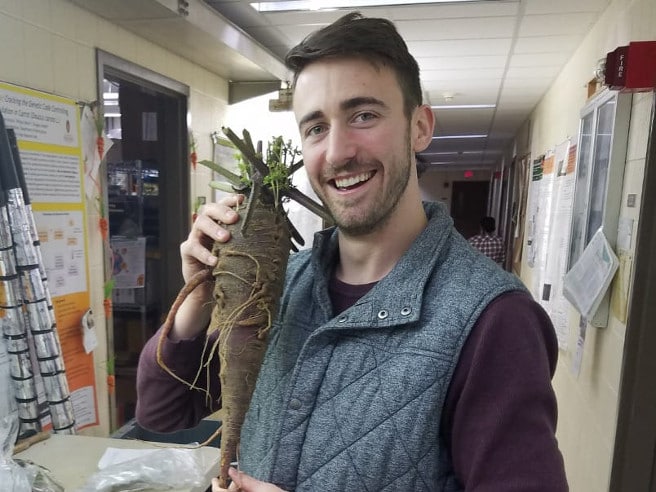
A Borlaug Scholar shares her experience in the field of plant breeding, and how she is working to create more nutritious carrots. Learn how she is making a difference!
U.S. Transportation Secretary Discusses Mitigating Impact of Baltimore Bridge Collapse

Other U.S. East Coast ports are absorbing some of the traffic U.S. Transportation Secretary Pete Buttigieg recently spoke about the Francis Scott Key Bridge collapse at the Port of Baltimore. […]