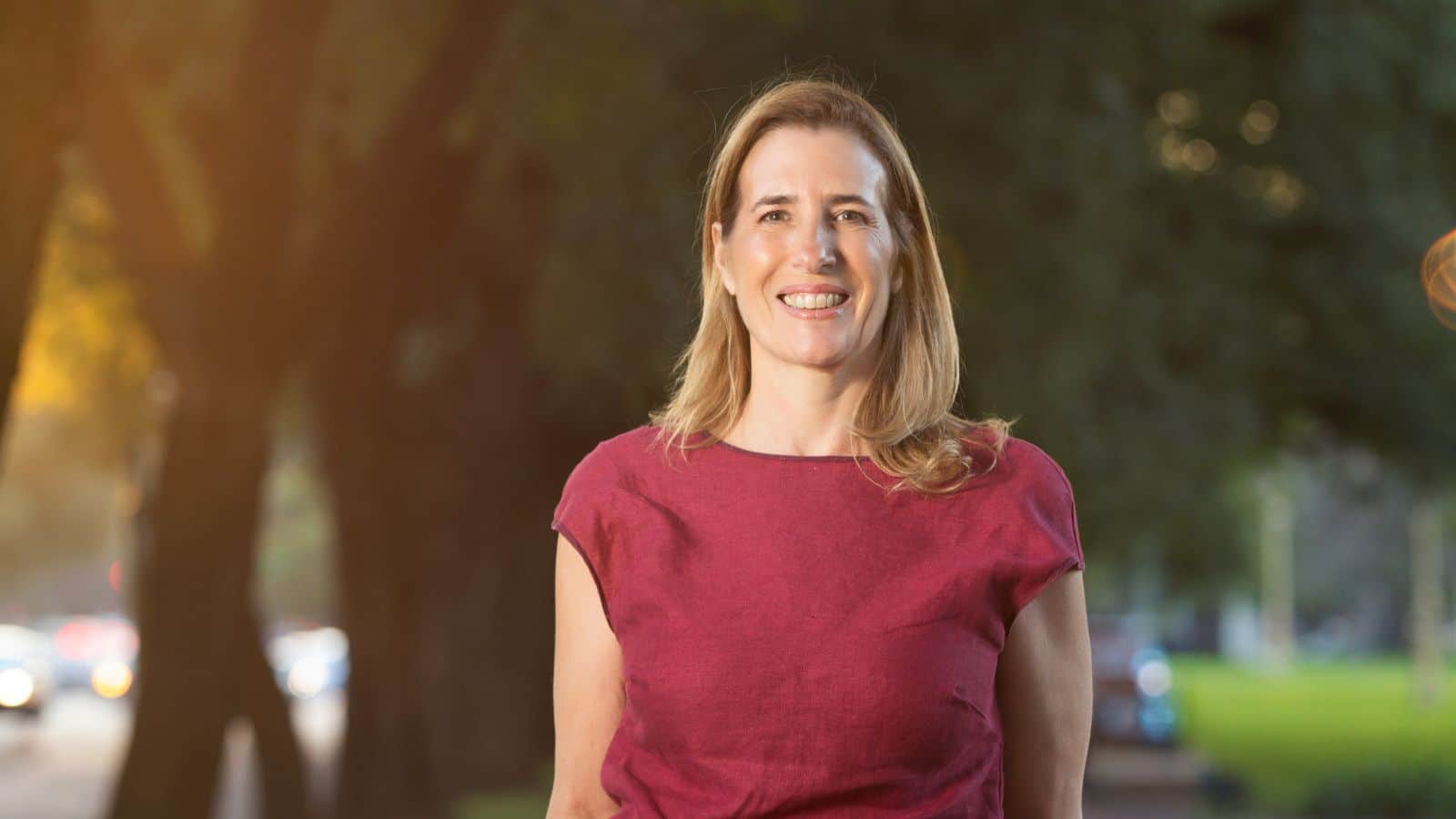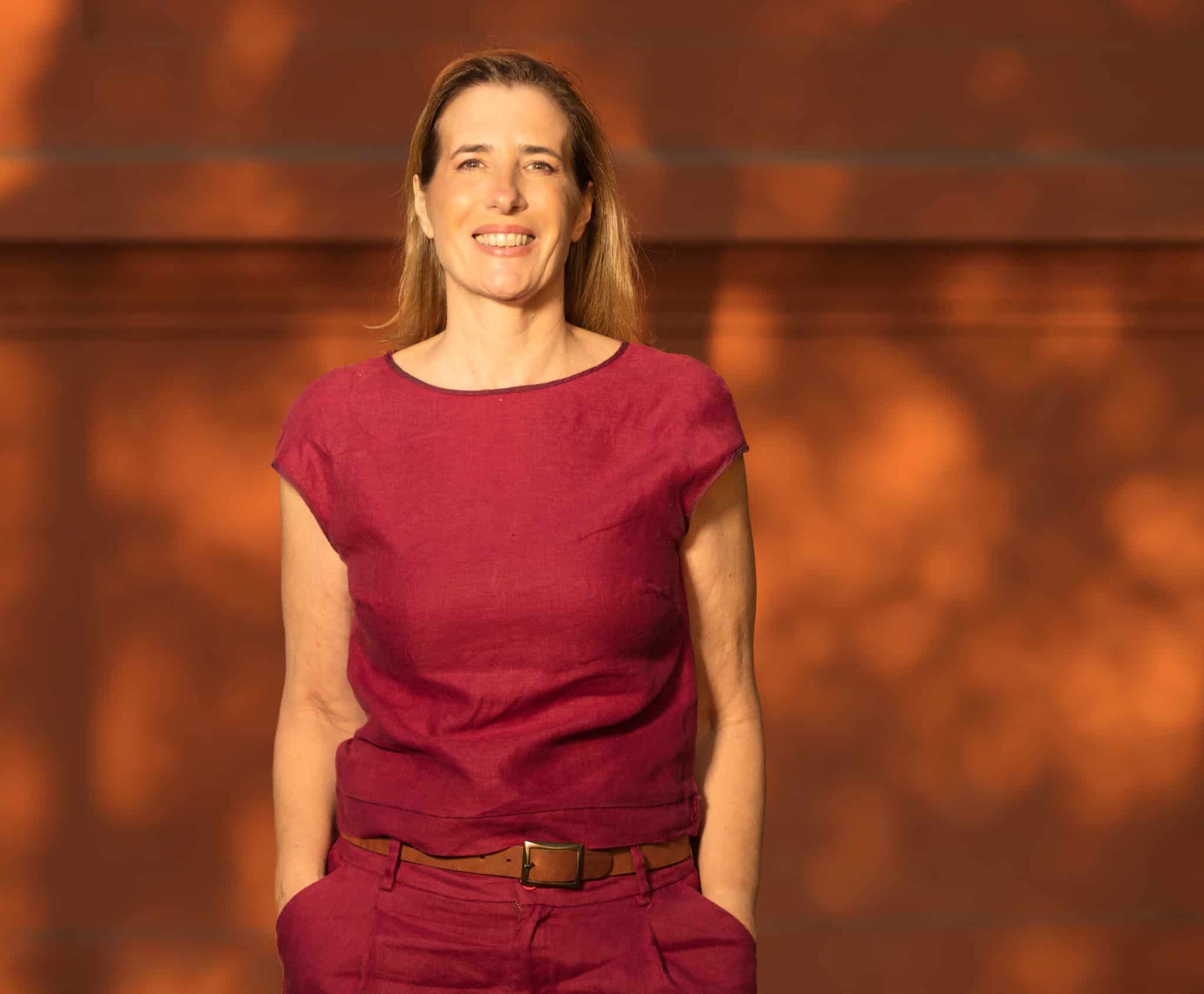
Agriculture’s biggest challenges don’t start in the field. They start with seed and Lorena Basso is stepping in to shape what happens next in the global seed sector.
Lorena Basso did not arrive at this moment by chance. She built it step by step, starting at age 20 inside her family’s business, Semillas Basso, learning every layer of the operation from the ground up and now she will had a lead role in the global seed sector.
That foundation shaped more than her technical understanding. It formed a leadership style grounded in practicality, resilience and a constant focus on what comes next. Working across Latin America, she learned to navigate complexity, adapt quickly and think long term in a region where agriculture carries both opportunity and pressure.
Now, as she prepares to take the helm of the International Seed Federation (ISF), she steps into the role at a time when expectations for the global seed sector have never been higher. Climate pressure, geopolitical tension and rising worldwide demand are all converging. For Basso, the answer begins in a familiar place.
“The seed is at the beginning of everything,” she says.
Her path to this role moved from national leadership to regional collaboration and now to the global stage. Along the way, she has seen firsthand how deeply connected the seed sector has become, and how much more coordination it will require to meet the challenges ahead.
As the first woman to lead ISF, she views the moment not as an exception, but as part of a broader shift already underway.
SW: You lead Semillas Basso and have been active in the seed sector for many years. What key experiences have most shaped how you lead today?
Basso: I joined our family business when I was 20 and started from the ground up. That gave me the chance to understand the company in depth, from the simplest parts of the operation to the most complex ones.
Working in Latin America shaped me as well. It taught me resilience, adaptability and the habit of always looking ahead.
My professional profile was built through practical learning, hard work and a constant focus on what comes next.
SW: What made this the right time for you to step into the role of president of ISF and leadership in the global seed sector?
Basso: Being active in associations has always had real value. For medium-sized and smaller companies, that value can be even greater because it broadens your perspective and shows that many of the biggest challenges in our sector cannot be solved alone.
My journey started at the national level, where I served as president of Argentine Seed Association (ASA) during a very demanding period, especially during and after the pandemic. That continued at the regional level through the Seed Associations of the Americas (SAA), and over time it naturally led to the international stage.
This is not about chance. It is the result of a long process built through work, learning and commitment to the sector.
SW: As you begin your term, what are your top priorities for ISF over the next two years?
Basso: The world is asking a lot of agriculture today. We are facing a more complex geopolitical environment, climate change and growing pressure to produce more and better to meet demand for food and energy.
My priority is for ISF to stay focused on results. We have built important bridges, and now the challenge is to turn that work into real impact while strengthening collaboration across the value chain.
The seed is at the beginning of everything. If agriculture is going to be more resilient, productive and efficient, we need innovation, supportive policies and a global seed movement that works well.
SW: You have spoken about innovation, including breeding tools and artificial intelligence. Where do you see these tools making the biggest difference in the global seed sector?
Basso: The biggest impact is speed.
These tools only matter if they help us respond to growers’ needs faster and better. Innovation should help us move with more precision and bring better solutions to the field sooner.
SW: From your experience in South America, how does Latin America contribute to the global seed sector?
Basso: Latin America is much more than a major producer of food and energy. It is also a region with strong capabilities in seed development and production, supported by diverse environments and strong technical expertise.
Its strategic importance continues to grow because of its production potential, natural resources and relative distance from major geopolitical conflicts.
It has real capacity to be part of the solution to global challenges around production, resilience and food security.
SW: You mentioned increasing regulatory complexity in global seed movement. What needs to change?
Basso: Innovation only matters if it reaches farmers.
That requires a policy environment that supports innovation and allows global seed movement to operate with greater predictability.
We need a more proactive approach to regulation, grounded in technical criteria and focused on making sure solutions reach the field.
SW: As the first woman to lead ISF and to be very visible in the global seed sector, what does this moment mean to you?
Basso: I am not an exception. I am part of an ongoing process.
Our industry has matured, and more women who have built their careers in this business are reaching leadership positions. The fact that another woman from the Americas will follow me reinforces that.
It is about having the same right to be in these spaces, to contribute and to make decisions. I hope this continues to build more diverse environments and encourages more women to choose their place in this industry.
SW: Share a bit about your background and family.
Basso: I come from a seed family, so this business has been part of my life for as long as I can remember. At the same time, I built my own path through my studies, completing a university degree and an MBA, and growing into my responsibilities. I also have the opportunity to share that journey with my sister in our company.
I am also a wife and a mother of two young daughters, which shapes much of my daily life. One of the biggest challenges for many women today is finding a real balance between family and work. It requires flexibility at home and support from companies and organizations. I enjoy simple things, spending time with family and friends, being at the club and playing with my daughters.