Commodity groups back the House bill, but their own words prove this is far from finished.
There’s more alignment in agriculture’s reaction to the House Farm Bill than it might seem at first glance. Most major commodity groups are supportive. Not because the bill solves everything, but because it moves a long-stalled process forward at a time when farm economics are under real strain.

Seed World searched the web so you don’t have to and compiled a list of responses from major agricultural trade groups and organizations.
The National Corn Growers Association (NCGA) ties that support directly to what farmers are facing right now.
“We are pleased to see that the House passed the Farm Bill. The legislation includes important provisions in the conservation, trade, credit, rural development, research and energy titles,” NCGA president Jed Bower said in a statement. “USDA programs are important to the success of corn farmers and rural communities, particularly as our growers face their fourth year of net losses and struggle with high input costs. We applaud Chairman GT Thompson for shepherding this legislation toward passage.”
That same economic pressure runs through nearly every commodity group response. From the American Soybean Association:
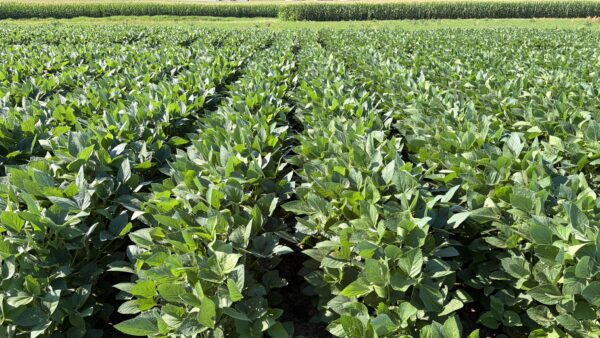
“Soybean farmers are facing a difficult economic environment marked by high input costs and global uncertainty. A modernized farm bill is essential to providing the tools and certainty farmers need to manage risk and remain competitive,” association president Caleb Ragland said in a statement. “The House bill includes several important improvements, but more work remains to ensure it fully addresses the challenges facing soybean growers across the country.”
Wheat and cotton groups land in a similar place, emphasizing risk management and competitiveness in global markets. From the National Association of Wheat Growers:
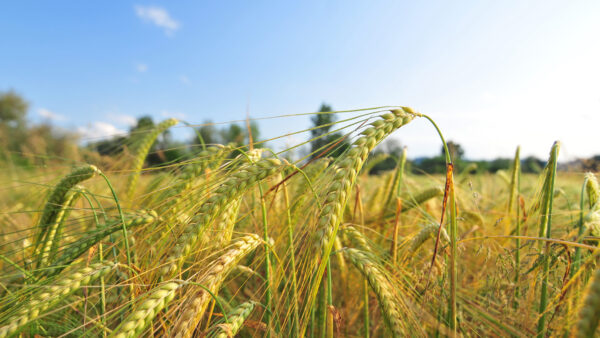
“Wheat growers across the country need a farm bill that provides certainty and reinforces a strong safety net. In today’s global marketplace, U.S. producers face intense competition, and policies that support risk management, market access and export opportunities are essential to maintaining our competitiveness.”
And from the National Cotton Council:
“Passage of a strong farm bill is critical for cotton producers who are facing significant economic challenges, including rising input costs and continued market pressures. The House bill takes meaningful steps to strengthen the safety net and provide certainty for growers who rely on these programs to manage risk.”
Support Comes With Conditions
Even in supportive statements, the language is careful. Phrases like “more work remains” and “as the process moves forward” show up repeatedly, and they’re not filler. They’re signals about what comes next.
The National Farmers Union (NFU) is more direct about where the gaps still exist:
“Family farmers and ranchers need a strong, responsive farm bill that reflects the realities on the ground,” NFU president Rob Larew said in a statement. “While we appreciate that this bill moves the process forward and includes some improvements, it does not fully meet the challenges facing farmers today, particularly when it comes to addressing market concentration, rising input costs and the ongoing farm income crisis.”
International Fresh Produce Association (IFPA) president Cathy Burns spoke to the unique challenges of producing fruits, vegetables and other high-value crops:
“We are encouraged to see movement in the House and appreciate the inclusion of investments in research, pest and disease prevention and trade promotion,” she said. “However, more work remains to ensure that the final bill delivers meaningful support for specialty crop producers, particularly in the areas of labor and access to markets.”
Leaders at Western Growers issued this statement: “Growers in the specialty crop sector are facing increasing pressure from labor shortages, regulatory burdens and rising costs. The farm bill must deliver meaningful reforms that help producers remain viable and competitive, including investments in automation, research and policies that improve access to a reliable workforce.”
National Council of Farmer Cooperatives (NCFC) president Chuck Conner said: “America’s farmers and cooperatives depend on a strong farm bill that supports their ability to compete in global markets while managing risk at home. The House bill includes important steps forward, but it is critical that the final legislation continues to strengthen trade, risk management and investment in innovation.”
Support for the bill is real, but it’s tied to urgency, not satisfaction. Commodity groups are backing the direction while making it clear they expect changes as the bill moves to the Senate.
The Seed Industry Is Watching Something Else
For the seed sector, the most important parts of this bill are not the ones driving headlines. The safety net matters, but it’s not what determines how innovation moves.
Research funding, regulatory clarity, trade alignment and intellectual property protections are the pieces that shape how quickly new genetics reach the farm. The American Seed Trade Association (ASTA) issued the following statement:
“ASTA thanks House Agriculture Committee Chairman GT Thompson for his leadership and determination in advancing the Farm Bill through the House. We greatly appreciate his steadfast commitment to American agriculture. Seed companies, and the farmers they partner with, rely on Congress to come together on agriculture policy that will provide much needed certainty and investments into the future,” ASTA president and CEO Andy LaVigne said in the statement.
“Senate action now is critical to ensuring the seed sector, plant breeders, and America’s farmers have the research investments, conservation tools, and export market support to meet the growing demand here in the U.S. and around the world,” he continued. “The U.S. seed sector is proud of our work to provide America’s farmers the highest quality, professionally produced seed to help them feed, fuel, and clothe the world.”
This Is Where It Gets Decided
The House vote moves the process forward, but it doesn’t settle the bigger questions. The Senate will bring its own priorities, and conference negotiations will determine how competing interests are balanced.
The quotes coming out of commodity groups already point in that direction. They support the bill, but they are not treating it as finished. They are positioning for the next phase.
For the seed industry, that next phase is where the real impact will be defined. Whether this Farm Bill ultimately supports or slows innovation will depend on what happens from here, not just what passed this week.