From global seed trade to next-generation leadership, the 2026 ISF World Seed Congress arrives in a city built for international connection.
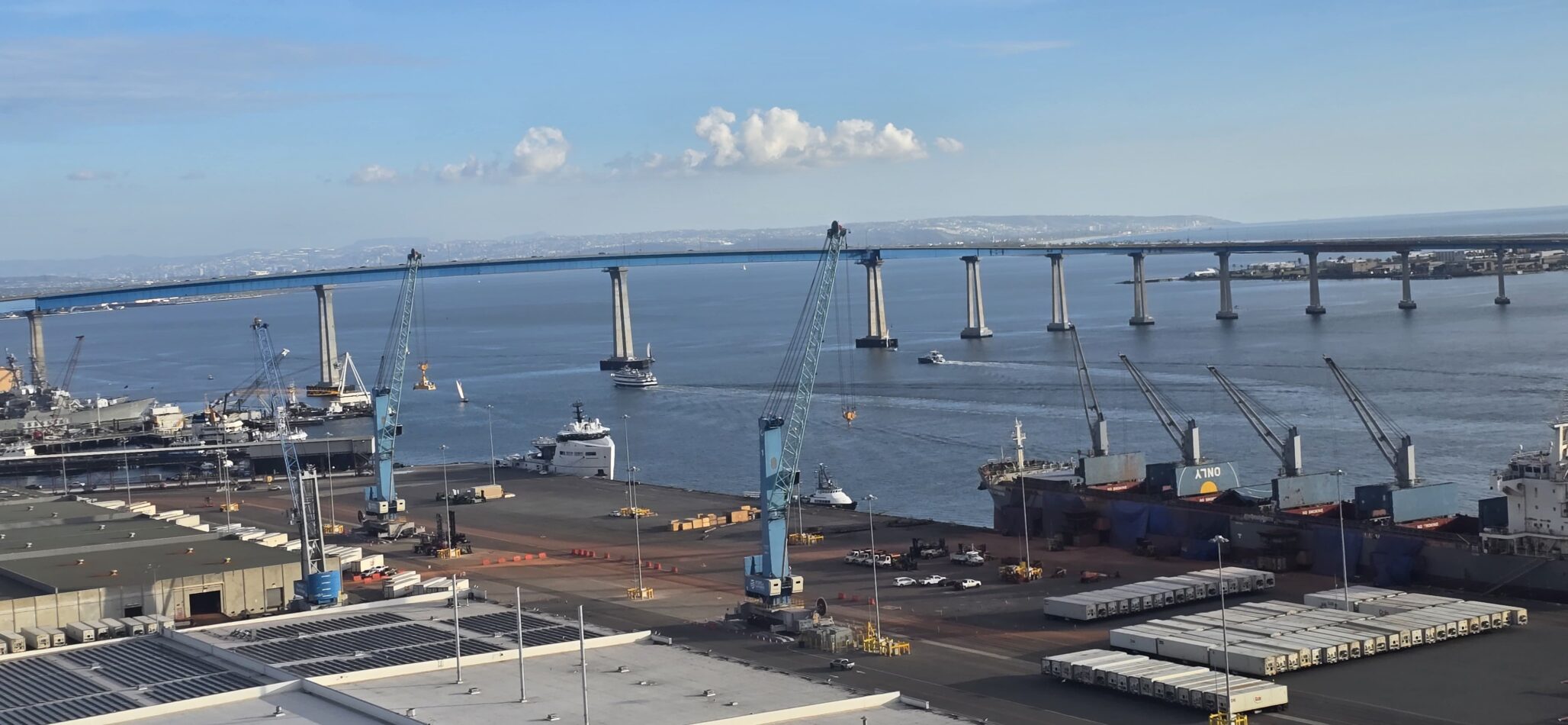
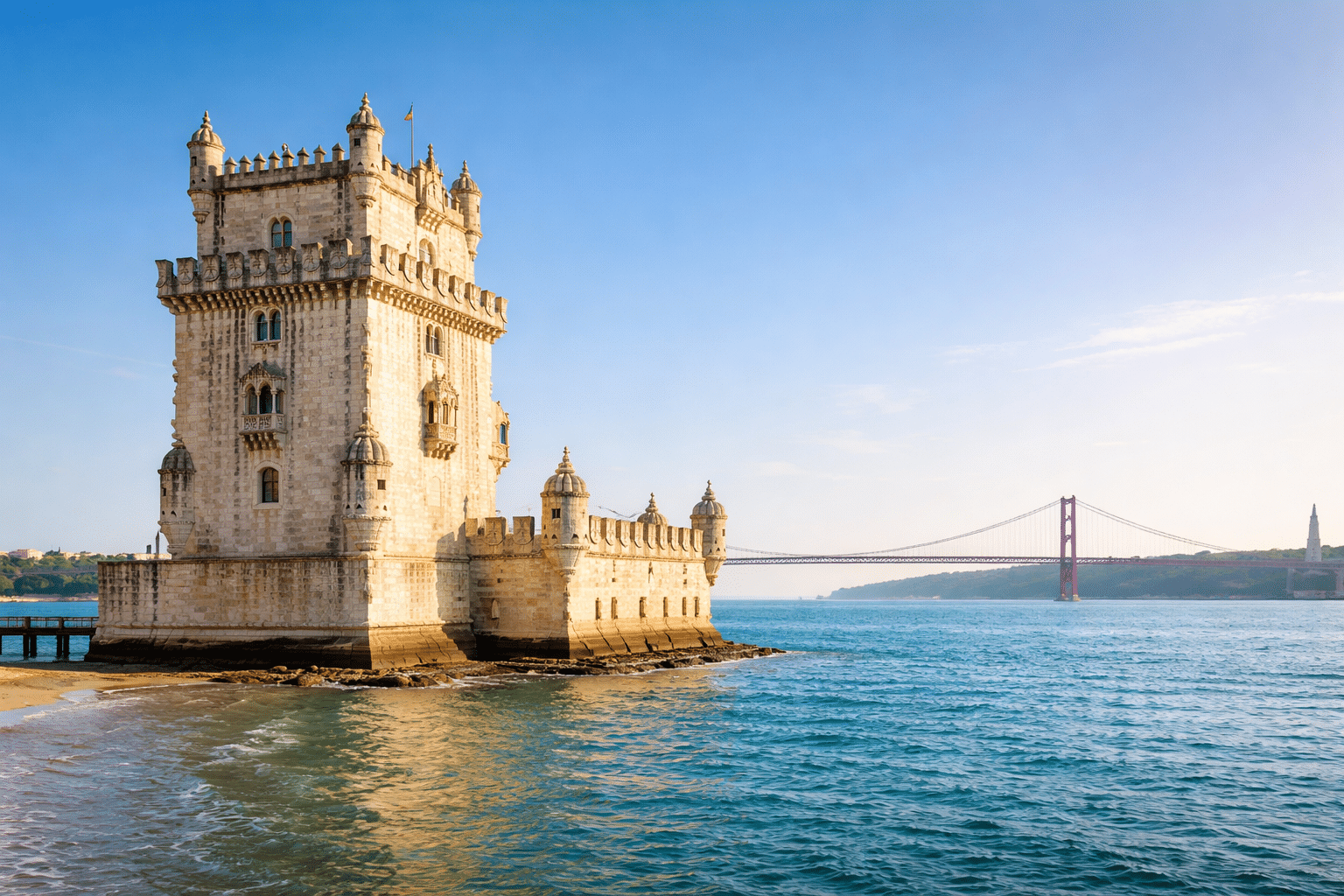
Lisbon sits on the edge of the Atlantic Ocean, a gateway city that has connected continents for centuries. It’s a fitting stage for the 2026 ISF World Seed Congress, where global perspectives and partnerships take center stage.
For a seed sector navigating trade friction, climate pressure and rapid innovation, Portugal offers more than location. It reflects the realities shaping agriculture today — water, crop specialization and the growing importance of plant genetics.
Why Portugal Matters to the Seed Sector
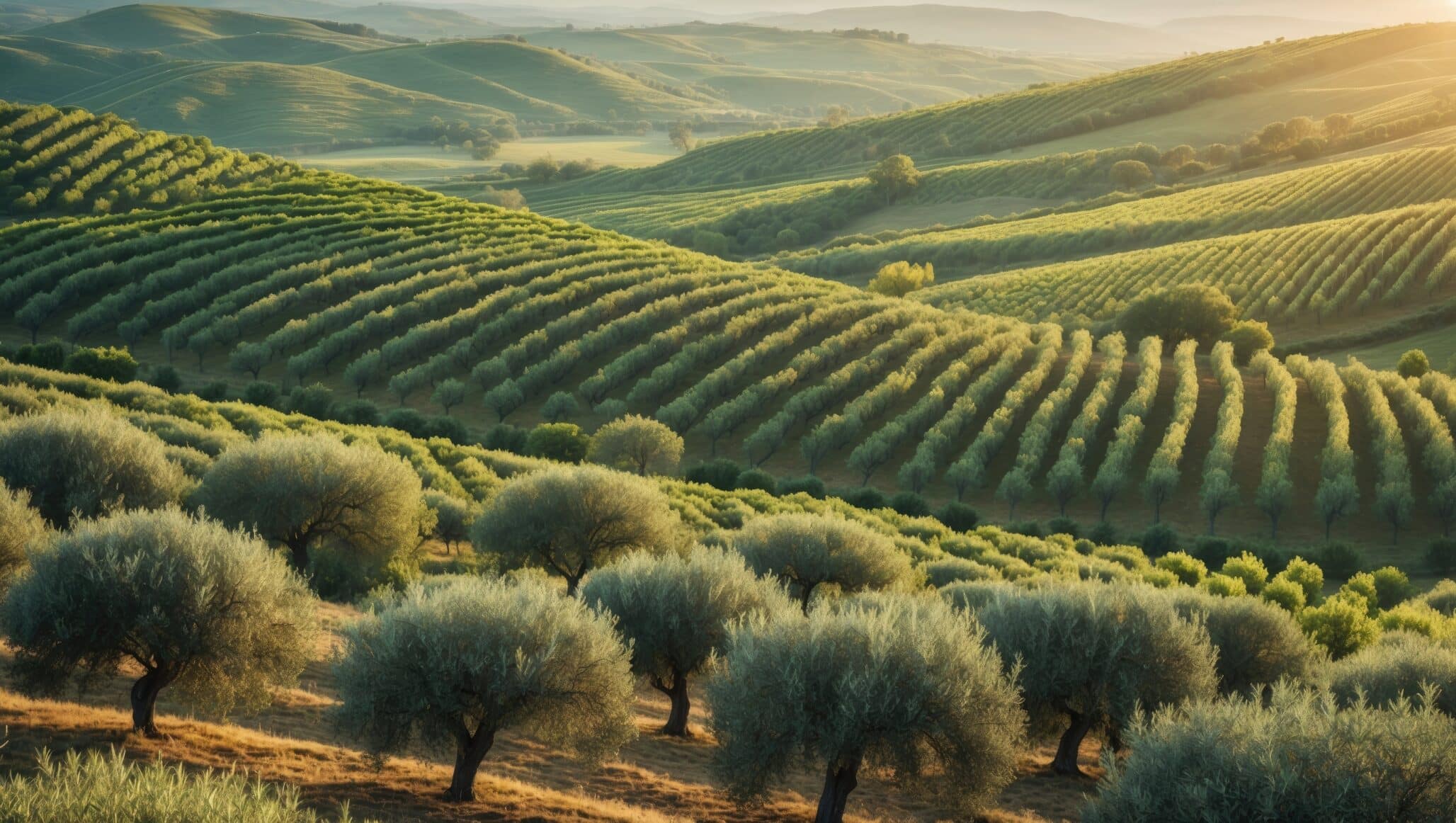
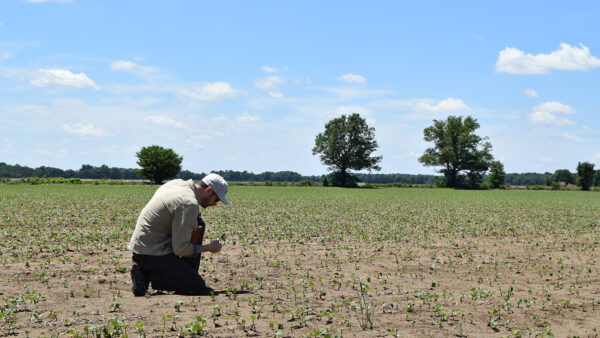
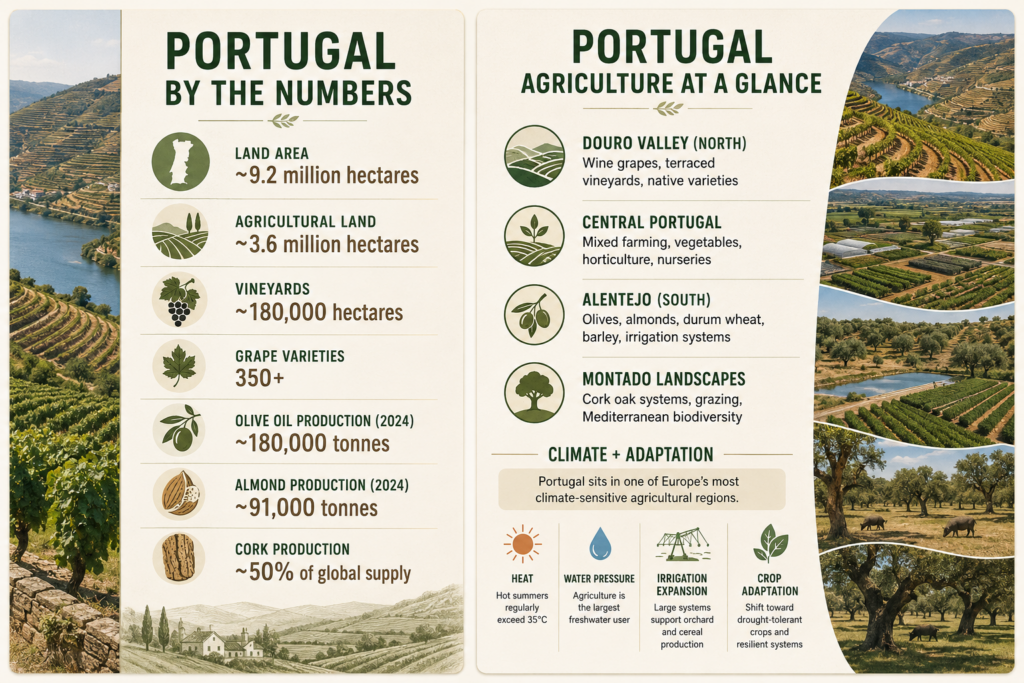
ISF World Seed Congress shows how Portugal offers seed companies a living laboratory for some of the most pressing challenges in agriculture. Its Mediterranean climate provides a real-world stress test for drought and heat tolerance, making the country highly relevant for breeders focused on climate resilience. Portugal’s agriculture also depends heavily on specialty crop genetics, with grapes, olives and almonds relying on improved plant material to boost productivity and quality.
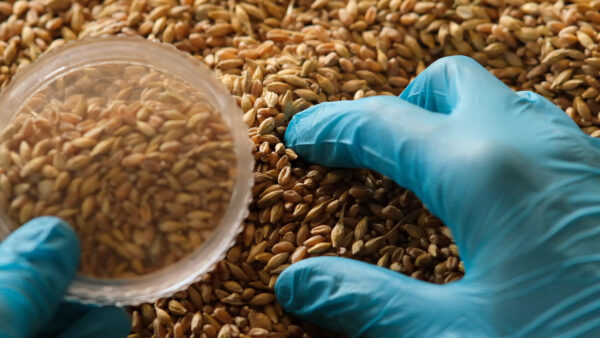
In the country’s cereal-growing regions, durum wheat and barley must consistently perform under limited rainfall and high temperatures. Portugal’s remarkable crop diversity, including more than 350 grape varieties, underscores the value of genetic resilience and adaptation. At the same time, Portugal is deeply connected to Europe’s broader breeding and research ecosystem, serving as an important link in regional innovation networks that are shaping the future of plant genetics.
Crops that Matter to Portugal
ISF World Seed Congress highlights Portugal’s agricultural landscape is anchored by a handful of crops that showcase both its genetic diversity and economic importance. Wine grapes are perhaps the most iconic, with the country maintaining one of the world’s richest pools of grape genetics across more than 350 native and cultivated varieties. Olive production is expanding rapidly as high-density orchards boost efficiency and output.
Almond acreage is also growing, driven by strong international demand and export opportunities. Cereals such as durum wheat and barley remain foundational to Mediterranean crop rotations, providing resilience in dryland systems. And cork oak stands apart as one of Portugal’s most distinctive agricultural assets, with the country supplying roughly half of the world’s cork.
SOURCES: Statistics Portugal (INE), OECD Environment at a Glance, USDA FAS, Portugal Wine Sector Outlook, Visit Lisboa Convention Bureau, ANA Airports of Portugal, Portugal Global agricultural reports.