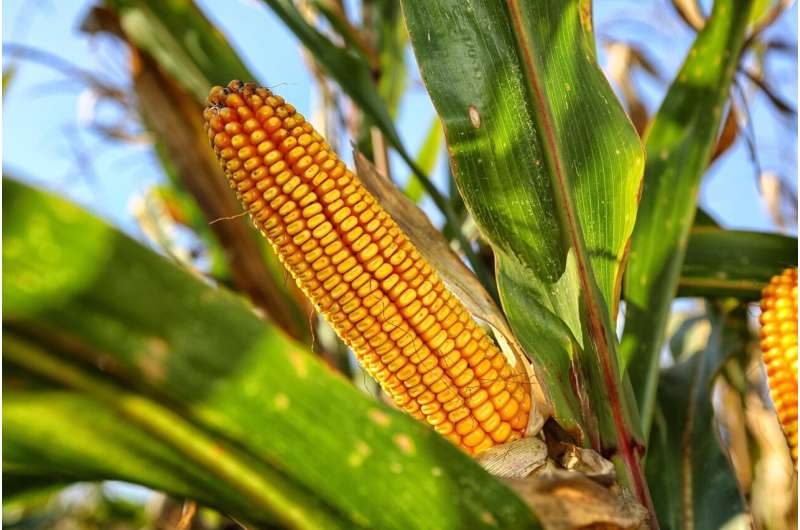
New research suggests preserving insect-resistant traits depends on coordinated action across the seed value chain, not just grower compliance.
Keeping Bt corn effective against damaging insect pests requires more than asking farmers to plant refuge acres. According to new research from North Carolina State University and Iowa State University, the entire corn production system influences whether resistance management succeeds.
The study, published in the Journal of Economic Entomology, argues that stewardship programs should move beyond focusing primarily on grower compliance and instead address the economic, regulatory and industry factors that shape refuge planting decisions.
More Than a Grower Decision
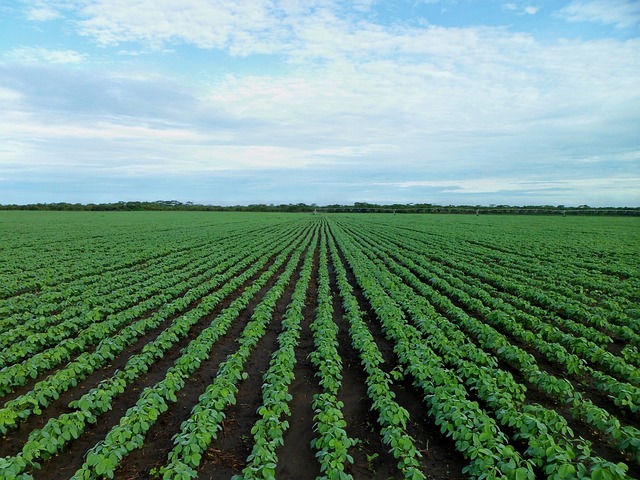
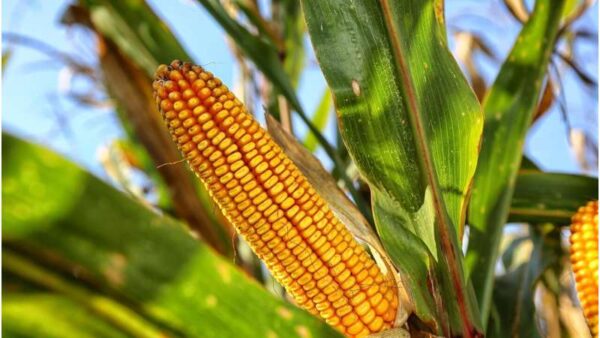
Bt corn contains traits derived from the bacterium Bacillus thuringiensis that protect plants against destructive insect pests. To slow the development of insect resistance, growers are required by seed producers to plant a portion of their acres with non-Bt refuge corn. Those refuge acres help maintain populations of susceptible insects, reducing the likelihood that resistant populations become established.
Researchers say the concept is scientifically sound, but implementation depends on much more than an individual grower’s decision.
“When we think about policies that impact growers, we need to incorporate people from the social sciences,” Dominic Reisig says. “Oftentimes, we’re just thinking about the grower, and placing all the responsibility there, instead of looking at the system that creates incentives for them to make the choices that they make. What we’ve found is that social science experts recognize the importance of that system right away, and that’s a valuable perspective to have.”
Researchers identified several barriers throughout the production chain that can discourage refuge planting, including limited availability of high-yielding non-Bt hybrids, weak regulatory enforcement and limited incentives for the seed industry to prioritize refuge seed production.
Every Link Matters
The findings suggest resistance management is a shared responsibility spanning seed developers, regulators, retailers and growers.
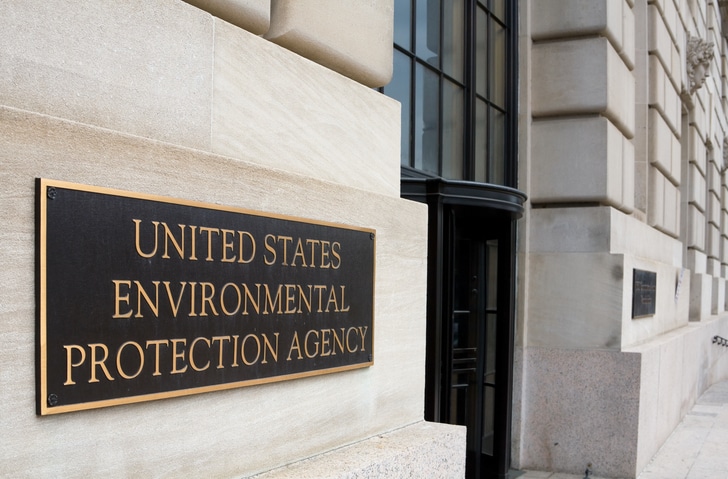
The researchers note that a U.S. Environmental Protection Agency proposal requiring growers to purchase refuge seed alongside Bt seed at the point of sale could improve compliance. However, they argue the proposal still places too much emphasis on growers while overlooking other parts of the system. They also note that developing and commercializing new corn hybrids typically takes several years, making rapid implementation of new refuge requirements difficult.
For seed companies, the research highlights how stewardship extends beyond developing effective insect-resistant traits. Product availability, stewardship programs, regulatory policy and commercial incentives all play a role in preserving Bt technology over the long term.
Keeping Bt Working
The researchers conclude that bringing social scientists into agricultural policy discussions could help identify weak points throughout the production system and distribute responsibility more effectively among stakeholders.
“What we have is a situation where many actors are all making decisions that appear correct and make sense for their own needs, but when strung together create a system that doesn’t accomplish its goal,” Reisig says. “Hard-science agricultural researchers may not always see that, but a social scientist can take one look and say, ‘of course it’s the system.'”