
For decades, the playbook has looked the same. Find a microbe that does something useful, refine that function, deployit widely. That playbook isn’t wrong. It’s incomplete.
The conventional approach has helped build real products and move the industry forward. But it also created a pervasive and costly problem. Performance is inconsistent. Not just from field to field, but from geography to geography and season to season. A product that delivers results in Iowa may underperform in Georgia with no definitive answer as to why. It’s a frustrating reality with begrudging acceptance. Most have largely treated this as a formulation or application problem, but it’s actually an ecology problem. That’s the gap.
What the Function-First Model Misses
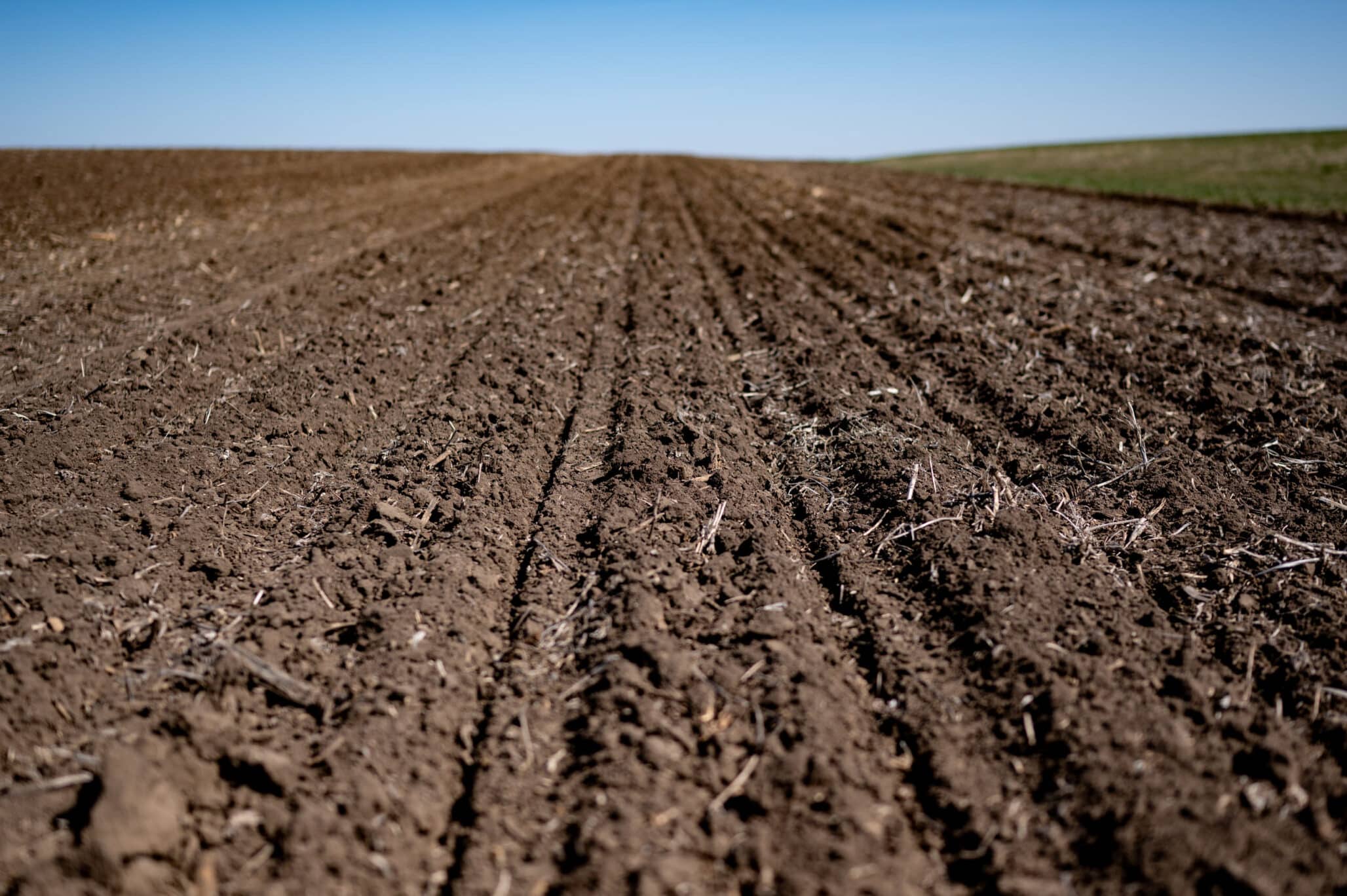
Soil is not a blank slate! Any microbe we introduce enters a community that has already been competing, communicating, and collaborating for far longer than any product cycle.
Traditionally, when microbes are screened for function and deployed at scale, they’re asked to perform a very specific job inside one of the most complex ecosystems on earth. This can set the system up for failure. It’s sent into a soil community where established organisms have been interacting for thousands of generations. What’s missed in this traditional microbial screening process is deep understanding of whether the microbe sent into the soil can survive that challenging environment, much less deliver benefits to the crop.
The mechanisms behind this challenge have been largely underestimated by the industry. Microbes conflict, compete, coexist, and communicate actively with the organisms already present in the soil. Those interactions determine whether a new introduction survives and thrives or is simply outcompeted and disappears.
And there is an even harder truth to acknowledge. Optimizing a microbe for a specific function can sometimes work directly against its ability to survive in the field. Without realizing it, the very trait we selected may be compromising a prerequisite for performance. It’s one reason products that look strong in controlled settings keep producing disappointing results in the field that no one can fully explain.
Ecology Will Unlock a New Era of Biologicals
The next generation of biologicals will be built on function and ecology, not function alone. To their credit, seed companies do a great job in evaluating performance across diverse geographies and soil types. The biologicals industry needs to take a similarly broad view in evaluating microbial inoculants for their ability to perform – to colonize the rhizosphere, persist through the season, and deliver plant benefits within complex soil microbiomes – before they reach the market. Biological and seed companies that integrate ecology into screening criteria at the beginning will support development of products that hold up consistently across real-world conditions. Those that continue to screen using conventional, function-only approaches will keep producing the inconsistency holding us back.
The answer to better-performing microbials is in their biology. Will the industry rise to meet the challenge?