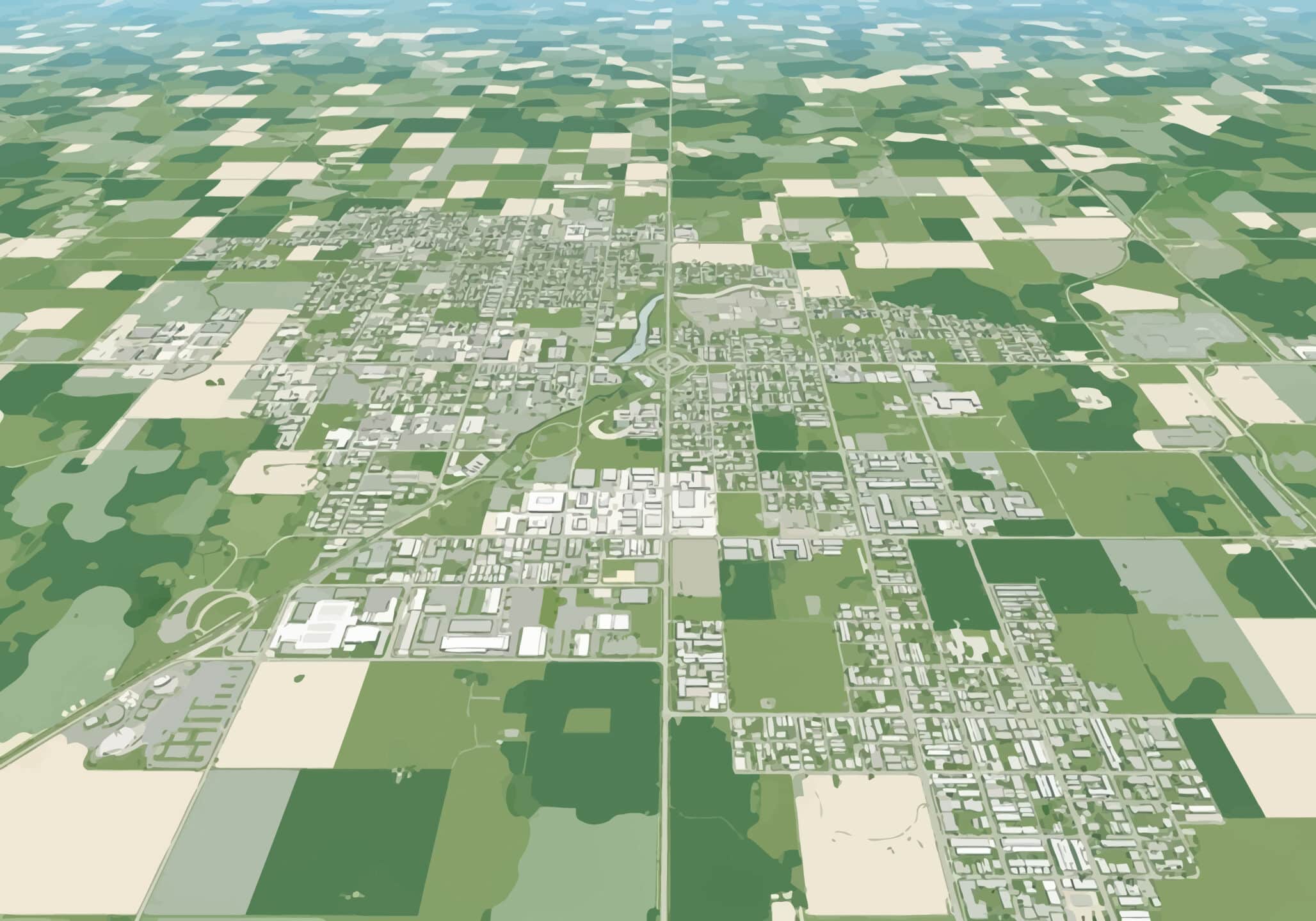
Population shifts are creating new opportunities for seed companies to recruit talent, strengthen university partnerships and grow alongside the Midwest economy.
What makes a state strong? Is it affordable housing, good jobs, reliable infrastructure or a strong sense of community? It’s probably a combination of all those things. But when people have the freedom to choose where they want to live, their decisions can tell us a lot about which places are built to last.

Building on Stability
Over the past five years, more people have moved into Midwestern states than have left them, a trend we haven’t seen in more than 70 years. While economic opportunity is certainly part of the story, I think the bigger draw is stability. People are looking for places where they can build a career, buy a home and raise a family without feeling stretched to the limit.
As communities grow, so does opportunity. More jobs create a larger tax base, which supports better schools, roads, hospitals and other infrastructure. That makes those communities even more attractive for families and businesses, creating a positive cycle of growth. It can also encourage startups and new businesses that strengthen the broader agricultural ecosystem.
A Stronger Talent Pipeline for Seed
For seed companies, this could be especially good news. A growing Midwest workforce means employers have access to more talent with less competition from large coastal job markets. Companies with strong relationships with universities are in an especially good position to benefit. Those partnerships have always been valuable, but they may become even more important as graduates choose to stay where they can afford to build their lives.
Universities are already playing an important role by preparing the next generation of professionals and connecting students with employers through alumni networks and local industry. As more graduates remain in the region, those connections become even stronger. The Midwest has long produced exceptional talent. This migration trend may simply bring more national recognition to what has always been here.
The Midwest’s Moment
The movement isn’t limited to young families. Grandparents often follow children and grandchildren, and many retirees begin second careers or launch consulting businesses. Agriculture has seen this before, particularly in the seed industry, where experienced leaders have started successful companies after retirement. That entrepreneurial activity benefits the entire industry.
Of course, not every outcome is positive. More growth can also increase development pressure and drive up land values, creating new challenges for agriculture. And while population shifts eventually influence political representation, those changes happen gradually over many years.
What’s most interesting to me is that many agricultural companies don’t have to do anything dramatic to benefit from these trends. The Midwest has been home to seed companies, universities and agricultural innovation for generations. If more people continue choosing to build their lives here, those organizations are already in place to grow alongside them. That may be the strongest sign yet that the Midwest’s momentum is more than a passing trend.