From digital administration to public plant breeding and industry leadership, three stories reveal the same challenge: making it easier for people, systems and institutions to work together.
Spend enough time around the Canadian seed industry and you start to notice something. We rarely suffer from a lack of good ideas. We have talented breeders. Strong companies. Smart growers. Dedicated associations. People willing to collaborate. In fact, if you sit through enough conferences, webinars or committee meetings, you’ll hear no shortage of vision for where the industry should go next.

Our problem isn’t imagination — it’s friction.
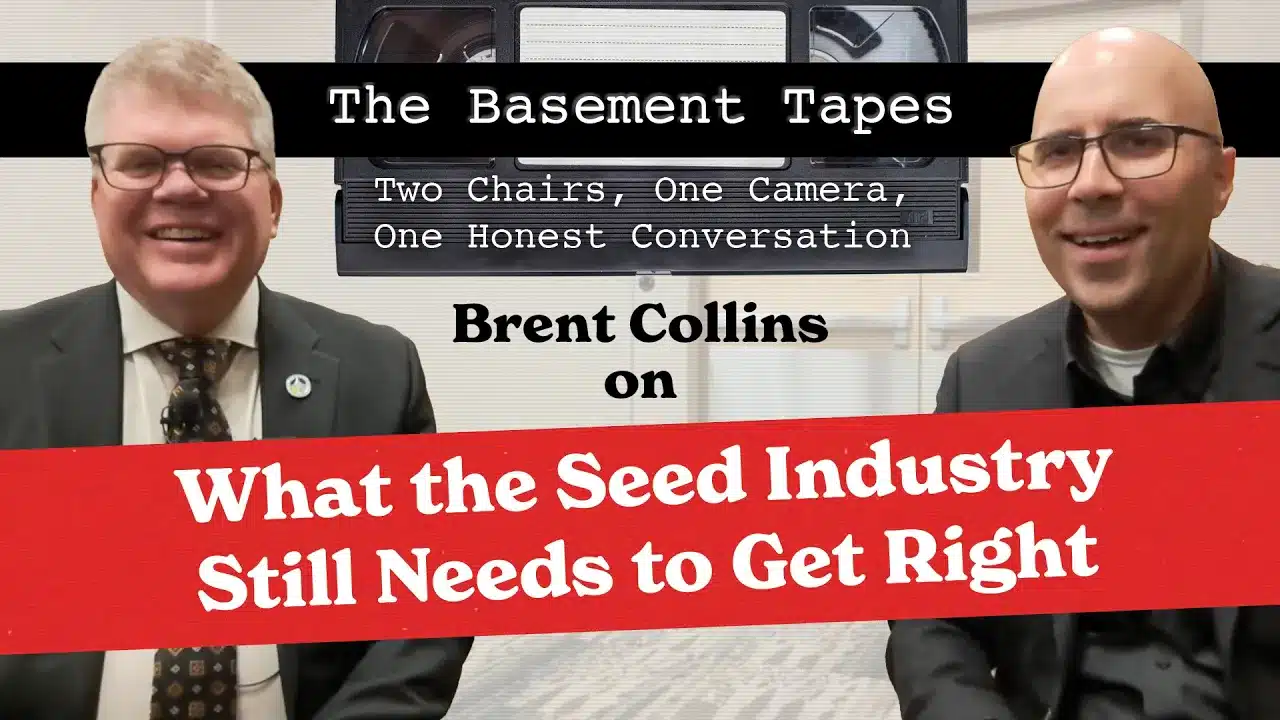
Three stories we published this week illustrate that. One focuses on digital administration. Another examines the future of public plant breeding. The third reflects on the leadership of outgoing Seeds Canada president Brent Collins.
But they’re really telling the same story. They’re all about removing the barriers that prevent good ideas from becoming reality.
Take the conversation around a unified transaction platform. On paper, it’s hardly the sort of topic that gets people excited. Logins, data entry and administration don’t exactly make for riveting conversation. But ask any retailer, seed grower or seed company how much time is wasted jumping between stewardship agreements, Variety Use Agreements and other disconnected systems, and the enthusiasm changes quickly. The proposed “one login” approach isn’t really about software. It’s about reducing unnecessary work so people can spend more time creating value instead of managing paperwork.
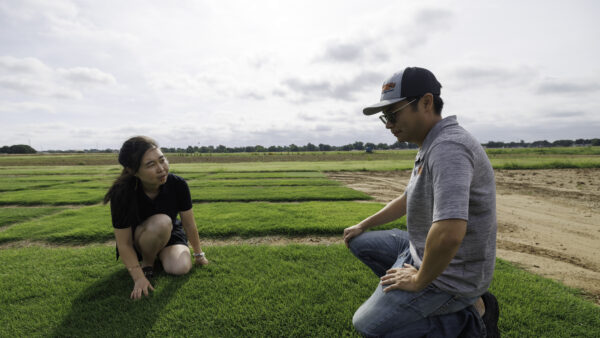
Now shift to our latest On the Brink discussion about public plant breeding.
The conversation wasn’t simply about funding. It was about rebuilding a breeding system that has gradually become more fragmented, more uncertain and less connected than it once was. Everyone seems to agree Canada needs stronger public breeding capacity. The harder question is how to organize ourselves so researchers, governments, producer groups and private companies can all pull in the same direction over decades rather than funding cycles.
Again, the obstacle isn’t a shortage of expertise. It’s the friction between institutions, priorities and timelines.
Then there’s Brent Collins’ reflection as he steps away from the Seeds Canada presidency.
When Brent looks back on the organization’s first five years, he doesn’t spend much time talking about individual policy victories. Instead, he keeps coming back to something much simpler: relationships. Member engagement, collaboration, building momentum, and creating systems that work better together than apart. That’s leadership focused on reducing friction.
Because whether you’re running an association, modernizing administration or trying to rebuild Canada’s breeding capacity, the real challenge is similar: can we make it easier for people to work together?
The seed sector often talks about innovation as though it’s synonymous with new technology. Artificial intelligence. Genomics. Digital agriculture. Gene editing. Those things do matter. But sometimes the biggest innovation is simply making the existing system less complicated.
Air travel wasn’t transformed because airplanes became faster or more comfortable. Companies like Expedia removed friction from booking. Amazon didn’t invent online shopping. It removed friction from buying. The best digital tools succeed because they eliminate small frustrations that accumulate over time.
The Canadian seed sector has its own version of those frustrations: administrative duplication, disconnected organizations, funding uncertainty, and programs that operate beside one another instead of with one another. Every one of those costs time. Every one consumes resources that could otherwise go toward research, customer service or innovation.
If there’s one theme emerging across the industry this year, it’s that we’re beginning to recognize these aren’t separate problems — they’re symptoms of the same underlying issue. We have built a remarkable collection of organizations, programs and initiatives over decades. The next chapter may not require building many new ones. It may simply require connecting the ones we already have.
That’s less exciting than announcing the next breakthrough technology, but it might be more important. Because when you remove friction, innovation has a funny way of taking care of itself.