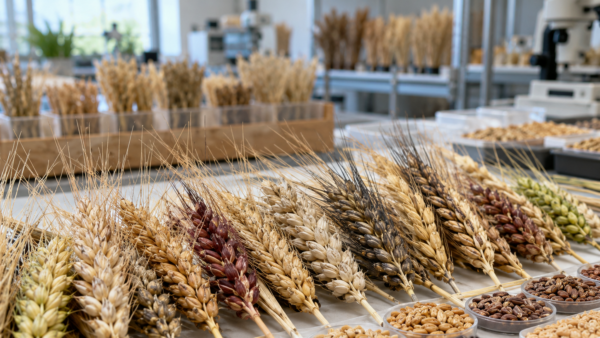
Seed doesn’t move through a business in a straight line. On the journey to a customer, it gets inspected, cleaned, dried, tested and packaged, and by the time it’s ready for shipping, it might look very different than when it came off the field. A batch can be handled correctly at every stage and still leave a company without a clear picture of what is actually in stock.
Solving that starts with the crop inspector needing to quickly record exactly what they see in the field. It continues with knowing exactly where the seed is as it moves through cleaning, drying and processing. And from first inspection to final sale, quality has to be tracked just as closely as quantity and location. All of that is possible with the ABS suite of products.
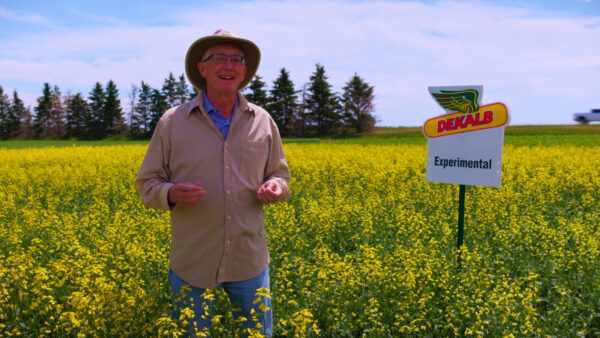
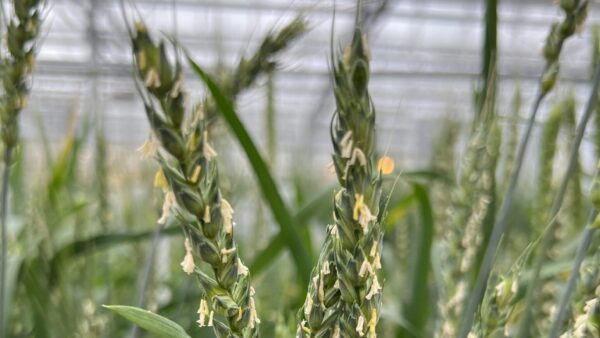
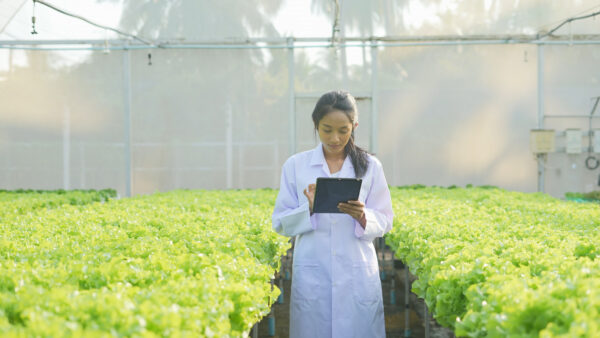
The crop inspector standing in a field, tablet in hand, can log yield estimates, disease signs and photos of a plant that doesn’t look quite right. If there is no connection, that data simply waits and uploads the moment there is one. What used to be a notebook filled in from memory hours or days later, becomes a record captured the instant it’s observed. That is what ABS Production is built to do.
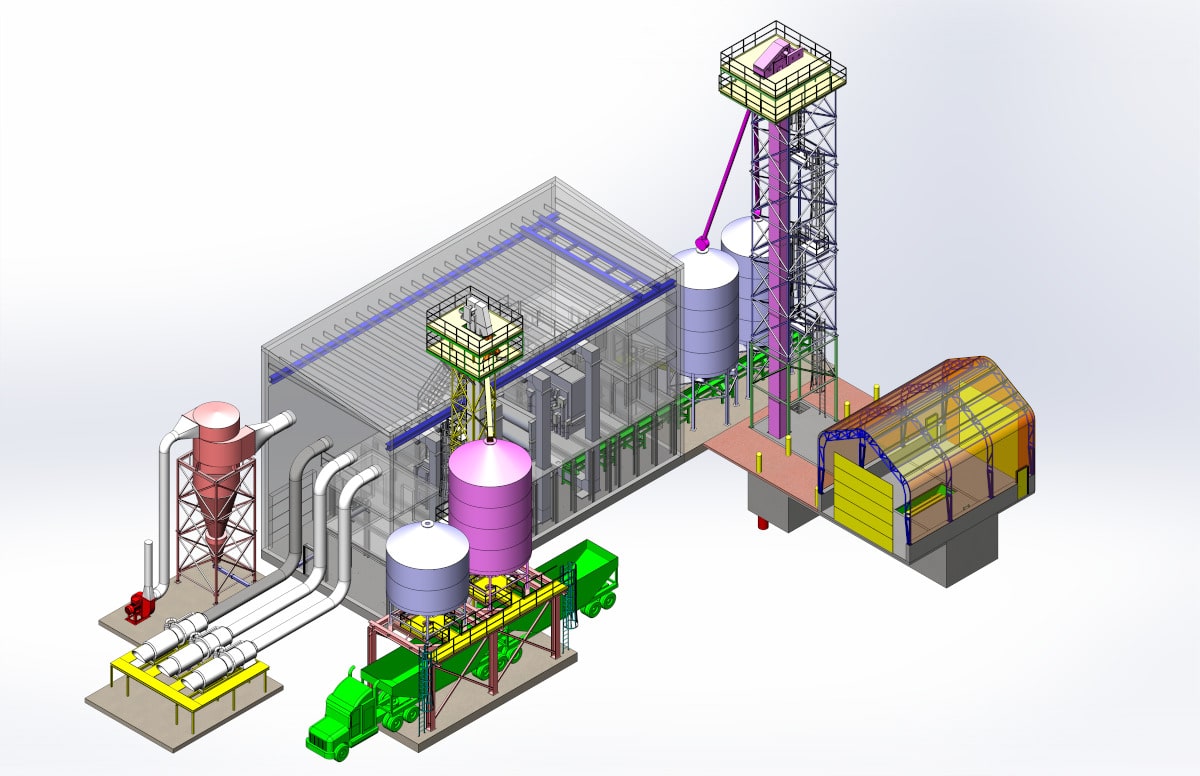
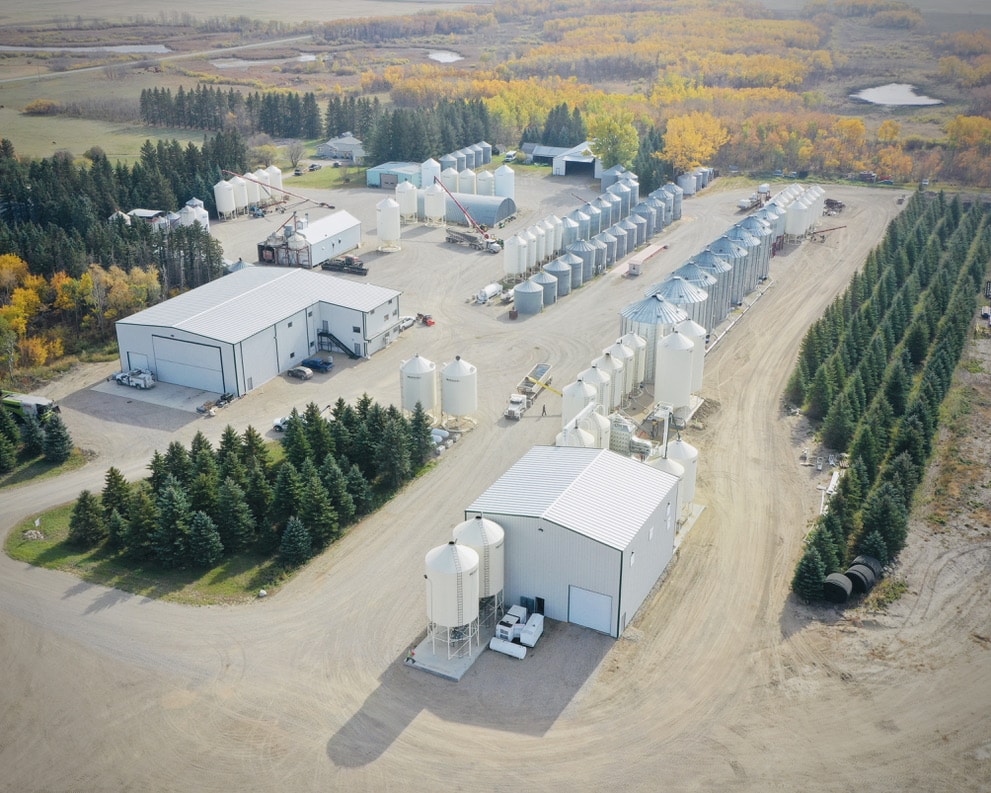
Once that seed reaches the warehouse, the question is where exactly it is, and what has already happened to it. A batch might be drying while another from the same lot is in cleaning, and another is in storage waiting on a buyer. Using the ABS system, you see all that in seconds, right from your desk. Every stage that a lot passes through, including expected yield, harvest quantities, processing results, and who it was eventually sold to lives in one view we call the root tree. This view can be contracted to show a quick overview or expanded to show minute details.
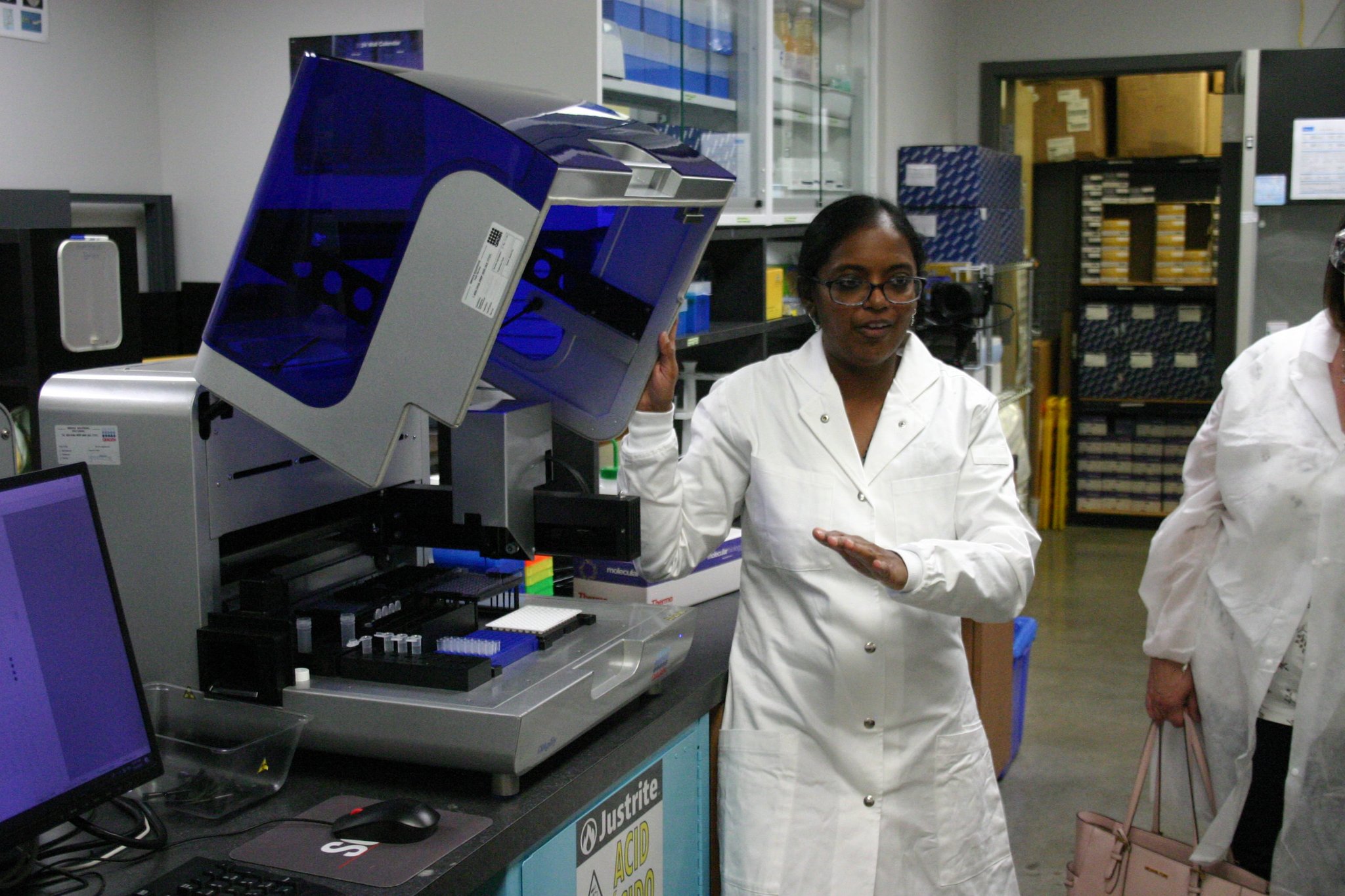
And yet a seed lot sitting in storage for six months has changed from the first day it was put on the shelf. Quantity and location only tell part of the story. Germination rates shift. That’s why our system visibly ties every germination test or purity check to the lot. When a customer asks for a batch’s specs, the answer is right there.
Spreadsheets and standard ERP (enterprise resource planning) systems might carry a smaller seed company for a while. The problem is that seed doesn’t behave like most inventory. A kilogram received won’t be a kilogram sold once it’s cleaned, dried and converted to a seed count. That complexity outgrows a spreadsheet fast, and broader ERPs require wedging in parts unique to seed. The tool was just never shaped for this particular task.
These are just the starting points of what’s built into ABS. There’s more to it, like purchasing and planning tools that help you see a shortfall before it becomes a problem, and ways to manage production across countries and currencies. But all of it comes back to having software built for how seed actually moves through a business, so you know exactly where you stand.