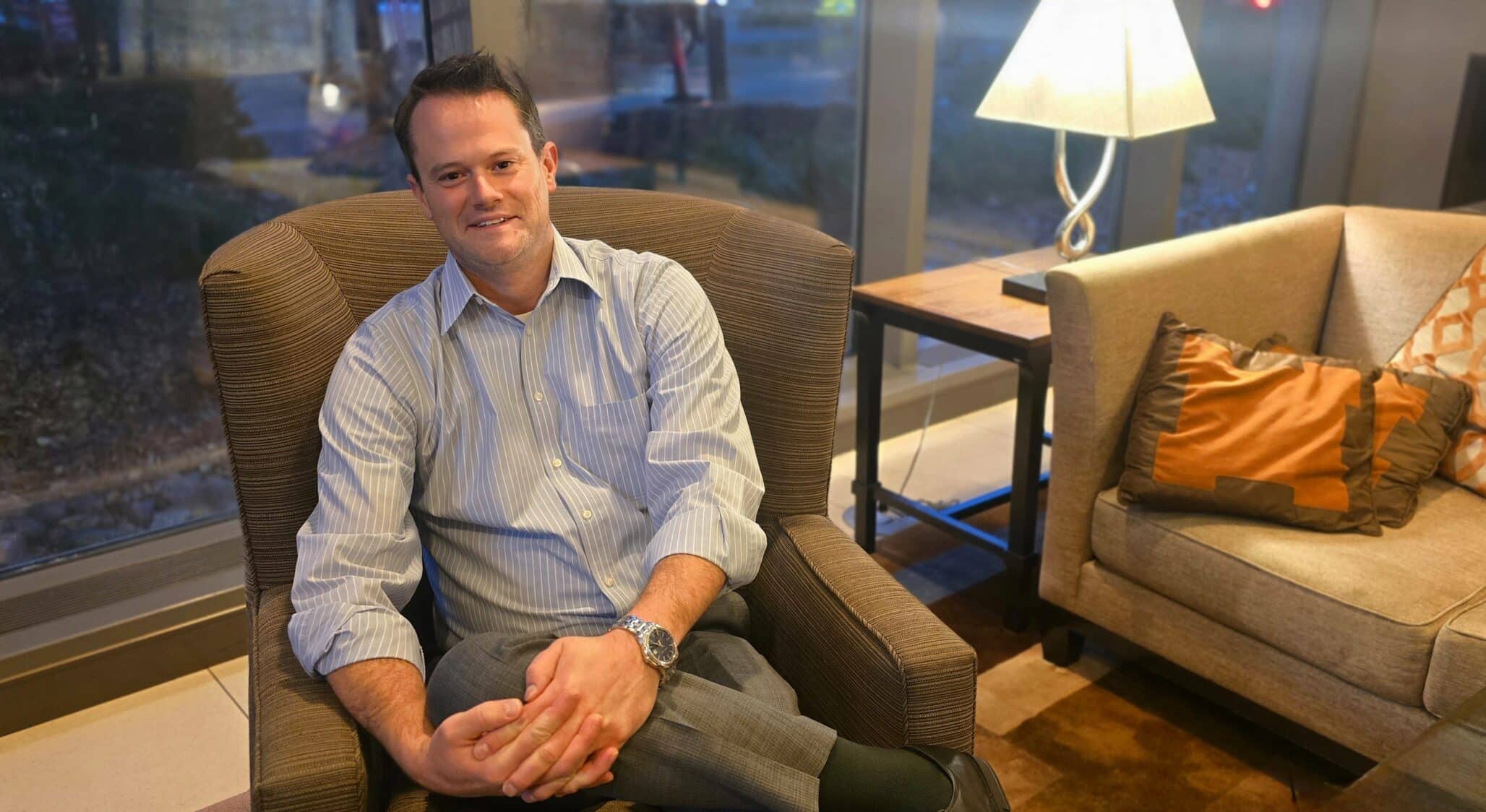
Missouri Southern Seed’s Mike Cowan steps into the Western Seed Association presidency with a focus on authenticity, connection and keeping agriculture grounded in reality.
When Mike Cowan talks about the seed business, he doesn’t sound like someone who’s chasing titles. Yet the president of Missouri Southern Seed is stepping into a bigger role as the new president of the Western Seed Association (WSA).
“A little nervous,” he says. “We’re a small seed company and this is a relatively large organization, so hard to believe people let me do this to be honest. But no, I’m excited at the same time.”
Cowan’s humility is part of what makes him an authentic leader. That authenticity is also what he believes makes the Western thrive.
“Seedsmen are an interesting group,” he says. “They’re very forward and yet at the same time can be very reserved. We all get together once a year and we like to be face to face. That handshake and eye-to-eye contact with people is important. It’s a genuine group.”
He says those personal connections, not just transactions, define the association’s culture.
“You can always tell if someone’s getting the better end of a wheeling and dealing situation,” he says. “We’ve got a lovely, honest group of seedsmen within this organization. They do a good job of including other groups as well. It’s a fun time.”
Regional Connections Still Matter
Cowan believes regional associations like WSA fill a different role than large national organizations.
“Some of the national organizations focus more on speakers and gatherings and things of that nature,” he says. “Sometimes they can also be so large that you can’t have that one-on-one interaction. This organization is focused on that connection — it’s very much like speed dating at times.”
He says that connection is part of what keeps WSA relevant as the seed industry faces cycles of change. Cowan points to the challenges that began during the pandemic.
“When we started with COVID, we saw just this huge increase in turf products. People were sitting at home and so we had an underproduction,” he says. “Now we’re coming out of that and you see overproduction. You’ve got a lot of companies that are stuck with this massive supply and a decreasing market.”
Layered on top of that, Cowan adds, are political and economic uncertainties.
“You throw in the politics side of things with tariffs,” he says. “China being our No. 1 buyer of soybeans and they haven’t bought a pound in a while. We like to think that’s going to be coming back up here shortly. Agriculture is a rollercoaster and I don’t think people realize the struggles that a farmer can go through to get them their end product.”
The Power of The Independents
Cowan has led Missouri Southern Seed since 2014 when he took the reins after his father’s passing. He credits his company’s independence for much of its success.
“It’s 100% valuable to me,” he says. “The bigger you are, the more complicated it is to operate. We have a lot of swings and I can pivot very easily. If I see something, I can make that decision on a whim. If I was in a corporate company, I’d have to ask permission and it could take a lot of time. Independence is the way to be (for me).”
Though Missouri Southern buys seed regionally and internationally, Cowan says its identity remains local.
“All of our connections are right here in the Midwest,” he says. “Even though we buy on the West Coast or internationally, we’re rooted here.”
Adapting with Farmers
When it comes to farmer expectations, Cowan sees constant evolution.
“Farmers are constantly evolving and they have to,” he says. “Whether you’re a grain farmer or a cattle farmer, you’ve got to be able to shift. You’ve got to have that next good product to capitalize on the next cash crop.”
Even without daily face-to-face contact, he values staying close to customers.
“We deal more through farm stores so we don’t have a lot of one-on-one interaction with farmers,” he says. “We own a cattle farm as well and we try to test all our products there to make sure we’re not selling a poor product.”
Keeping Perspective
Cowan doesn’t spend much time worrying about Washington.
“We tend to have more local issues within Missouri regulation that we focus on,” he says. “On the national level, I don’t feel like I can control that. I stress more about the weather and my inventory values than what’s going on in Washington.”
Building the Next Generation
At 41, Cowan describes himself as “an 80-year-old man at heart,” especially when it comes to communication.
“I’d rather pick up a telephone and speak to somebody instead of send a text message or email,” he says. “One-on-one interaction — creating a friend — that’s the best way to do business. People want to buy from their friends.”
Still, he’s realistic about the challenges facing young farmers today.
“They’ve got high interest rates. Land prices are high, cattle are high, corn and beans are low,” he says. “They’ve got some hiccups here in the next couple years. But long term, I have no worries whatsoever. Ag is a resilient place to be.”
Looking Ahead
As WSA president, Cowan’s goals are simple: unity, growth and maybe a bit of humor.
“I’d like to see open doors and open communication continue,” he says. “The seed industry has had a couple of down years, but I’d like to think we’re on our way back up. Everyone’s going to be prosperous.”