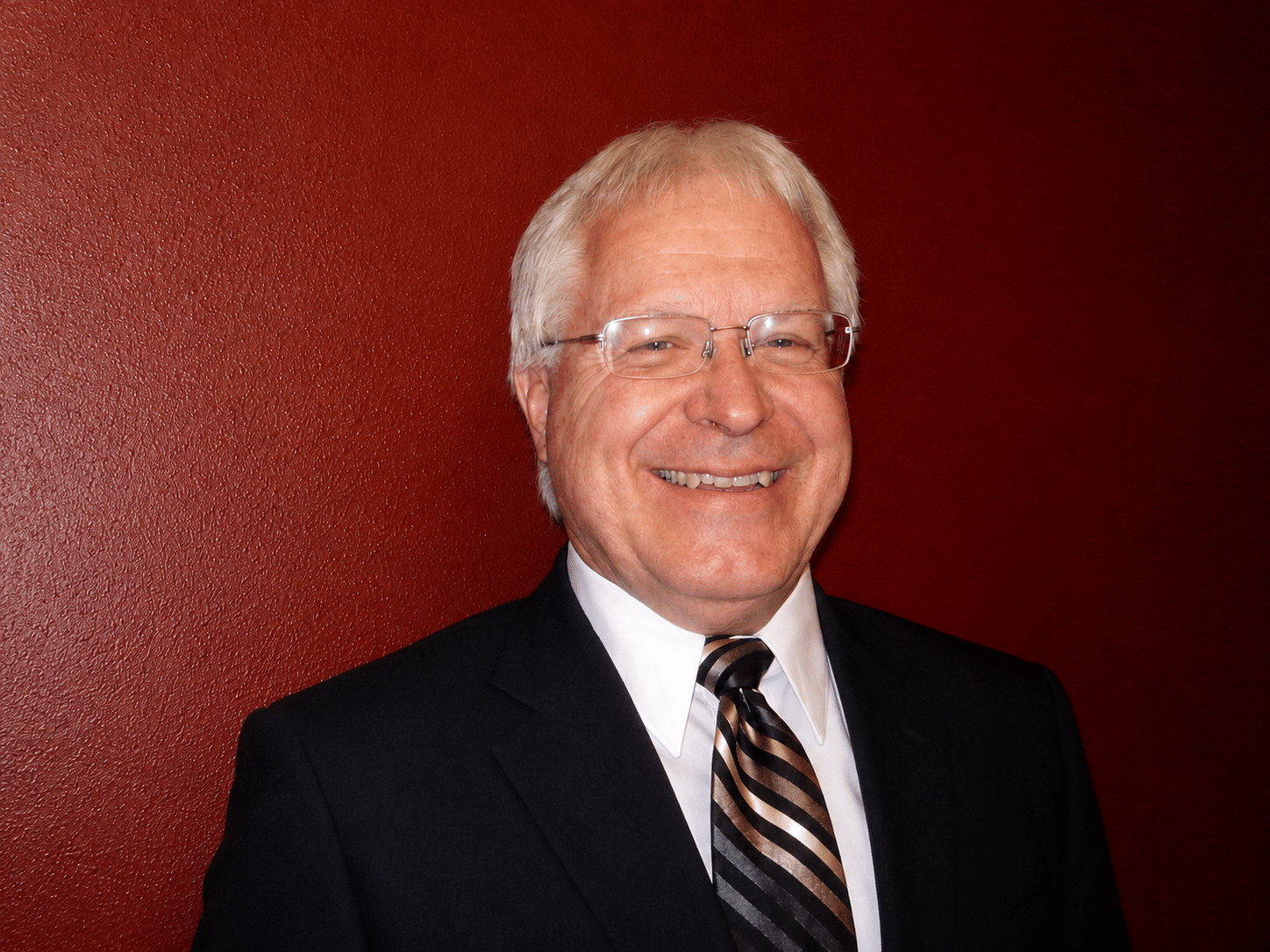
Facility design isn’t visible to farmers, but Jon Popp says it’s one of the most important drivers of uniformity and performance.
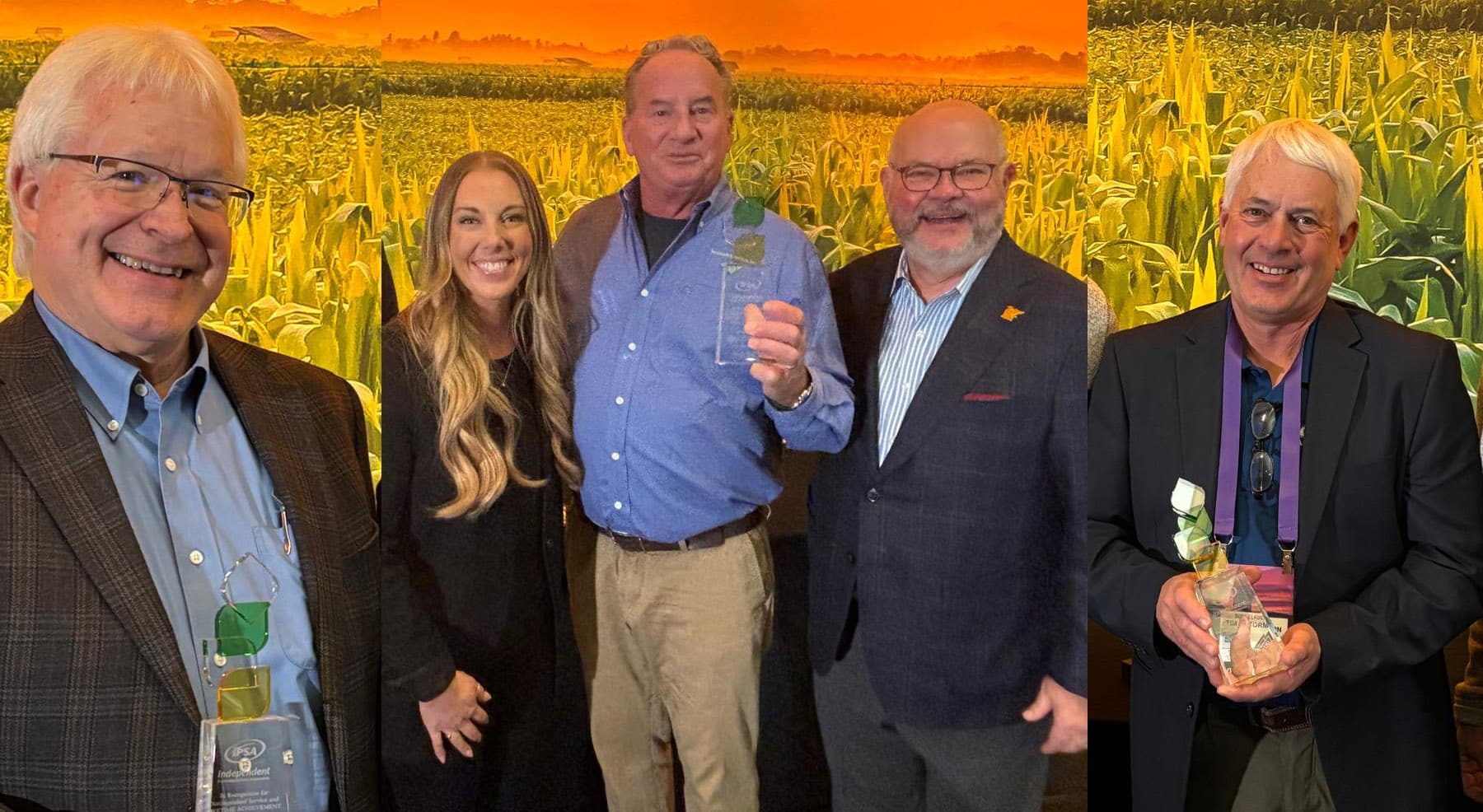
Editor’s note: This story is part of a special Seed World U.S. series honoring the most recent recipients of the Independent Professional Seed Association’s Lifetime Achievement Award. The award recognizes individuals whose careers have helped shape the independent seed sector through leadership, innovation and service. In this installment, Mike Peterson reflects on the decisions, philosophies and partnerships that have defined his career and influenced generations of independent seed companies.
Jon Popp says he doesn’t sell equipment. He builds outcomes.
“We’re in the performance business,” Popp says. “That requires us to come up with solutions based on what the customer actually needs, not what we have to sell.”
As CEO of Popp Engineering, he is approaching 50 years designing seed facilities that move product from the seed field to farmers’ fields. His work is rarely visible, but it shapes everything from seed uniformity to final yield.
“We don’t fly above the radar screen very often,” he says. “Some of that’s on purpose. Many of the things we do are a competitive advantage for our customers, and they’d rather not have those ideas shared.”
Start with the Question
What sets his approach apart is where it begins.
“We always start with the question,” Popp says. “We never start with the answer.”
That philosophy runs counter to much of the industry, where decisions are often driven by equipment or incremental upgrades.
“You can find pictures of all the different pieces,” he says. “Cleaners, treaters, conveyors. But the pieces don’t make the system. Just like a washing machine doesn’t make the house.”
Instead, Popp focuses on how seed moves through an entire process, from harvest to planting. And in those processes, the margin for error is razor thin.
“If it doesn’t grow, it’s grain,” he says. “You can go from a $400 bag of seed to a $4 bag of grain, and the only difference is it doesn’t grow.”
Modern Corn Systems Reality
That reality is what drives his emphasis on uniformity, especially in modern corn systems.
“If one of those seeds comes up five days late, it’s basically a weed,” Popp says. “It’s not going to perform the same, and it’s going to pull nutrients away from the other plants.”
In a system where farmers are buying yield, not just seed, those inconsistencies matter.
“They can’t control fertilizer prices; they can’t control commodity prices,” he says. “They can control yield. That’s what they’re buying.”
Despite decades of innovation, Popp says one constant remains: agriculture doesn’t repeat itself.
“Just because you did it one way last year doesn’t mean you can do it the same way this year,” he says. “The product changes, the environment changes, or both.”
That unpredictability is what makes experience valuable, but also limited.
“I’ve been in the seed industry over 50 years,” Popp says. “That means I’ve harvested a crop 50 times.”
There are no shortcuts to that kind of knowledge.
“You have to put the time in,” he says. “It’s like shooting free throws. If you shoot 10,000 of them, you’re going to make them. You don’t put the time in, you’re not.”
Even then, understanding seed systems requires more than data. It requires instinct.
“I can walk into a facility and just by the noise tell you there’s an opportunity for improvement,” he says. “That noise is seed hitting something. The harder it hits, the louder it is.”
Still, he sees opportunity in the next generation, particularly with advances in automation and control systems that can help close experience gaps by creating a lot of data.
“It’s not just the iron,” Popp says. “It’s the processes, the controls, the automation that help operators understand what’s happening.”
For those entering the industry, his advice is simple, but not easy.
“You have to be willing to embrace the variability,” he says. “If you do things right, you can pick up those small differences and make a difference. It’s measurable.”
In an industry where every season resets the clock, that mindset may be the most valuable system of all.
Other recipients: Mike Peterson, Tim Gutormson