After nearly 50 years in seed quality testing, Tim Gutormson explains why quality still breaks down, and why the industry may be pushing it harder than ever.
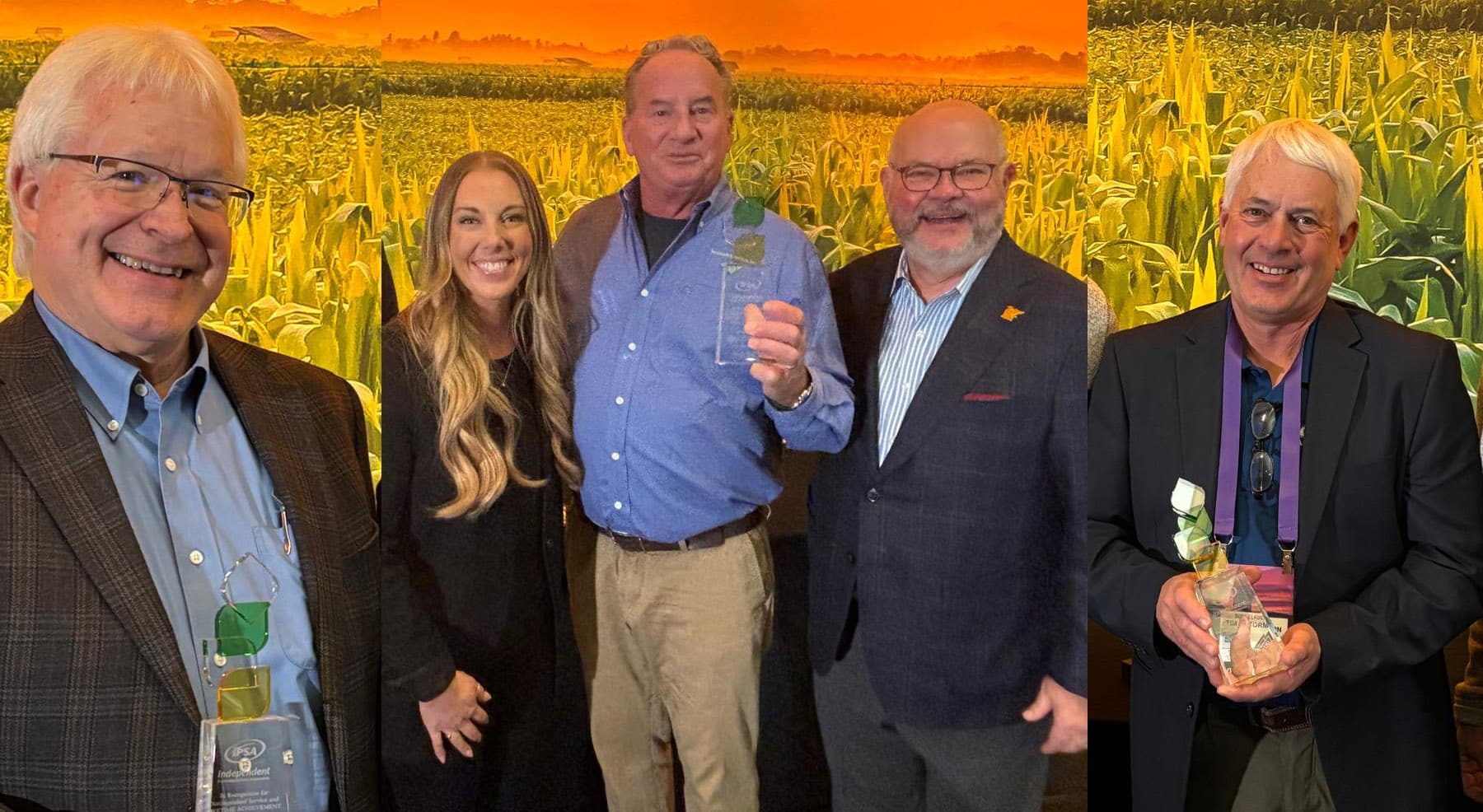
Editor’s note: This story is the first in a special Seed World U.S. series recognizing the most recent recipients of the Independent Professional Seed Association’s Lifetime Achievement Award. The award honors individuals whose careers have left a lasting mark on the seed industry through leadership, innovation, service and commitment to advancing independent seed companies. Throughout this series, Seed World will share the stories, lessons and perspectives of these industry leaders whose influence continues to shape the future of seed.
After nearly five decades in seed testing, SoDak Labs, Inc. CEO Tim Gutormson still sees the same truth playing out in new ways: quality is everything, but the industry continues to underestimate how easily it can be compromised.
Why Seed Quality Still Gets Compromised
“I think seed quality has improved a lot in the last 30 years,” he says. “But sometimes how we bring seed into mass production, to get high throughput in conditioning and bagging, we lose quality because systems are designed for maximum throughput versus gentle handling.”
That tension between efficiency and care has defined much of his career. From his early days in academia to building and rebuilding seed testing businesses in South Dakota, Gutormson has worked at the intersection of science and real-world application. His perspective is grounded in both.
“You know, farmers are planting earlier now,” he says. “Testing has to evolve with that. There used to be a saying, don’t plant your corn before 50 degrees. A lot of farmers are planting way before that now.”
The shift puts new pressure on seed companies to deliver consistent, resilient performance. It also reinforces something Gutormson believes has not changed: quality remains a key differentiator.
“Quality is still a differentiating factor in seed companies,” he says.
Over time, the tools for measuring quality have evolved. Gutormson points to the fact that ISTA Orange and Blue certificates for export seed have grown over the past 25 years and says advancements in seed drying represent meaningful progress, particularly in corn. But he notes that not all crops have seen the same gains.
“In seed corn, we’ve gotten a lot better at drying for higher quality,” he explains. “Soybeans, we’re still at the mercy of low seed moisture and physical damage. The seed industry really has very little control on that.”
If there’s one gap he continues to see, it’s education. Despite the complexity of seed systems, formal training remains limited.
“A lot of people in the industry have biology or agronomy degrees, but very few universities teach seed science,” he says. “People don’t understand basic seed biology because they don’t get training on it.”
That gap is what drove Gutormson to teach, both in classrooms and through decades of industry training programs. The impact, he says, shows up in unexpected places.
“I’ll have people come up and say they took our courses many years ago,” he says. “That’s probably where we’ve helped contribute the most.”
How End Users Are Changing the Quality Conversation
Looking ahead, Gutormson believes the definition of quality will continue to shift depending on the crop and how closely performance can be measured in the field. But one trend stands out: the rise of more informed end users.
“Some progressive farmers are now testing their seed when they get it,” he says. “That pushes back on the seed companies to try to be better at what they do.”
Even after 47 years, Gutormson isn’t in a hurry to step away. His role has shifted from operations to research and marketing, but his curiosity remains intact.
“I don’t dread going to work,” he says. “I like to keep busy.”