This week’s stories show how seed science shapes food, sports, cities and the future of our society.
The future doesn’t just happen, right? We build it.

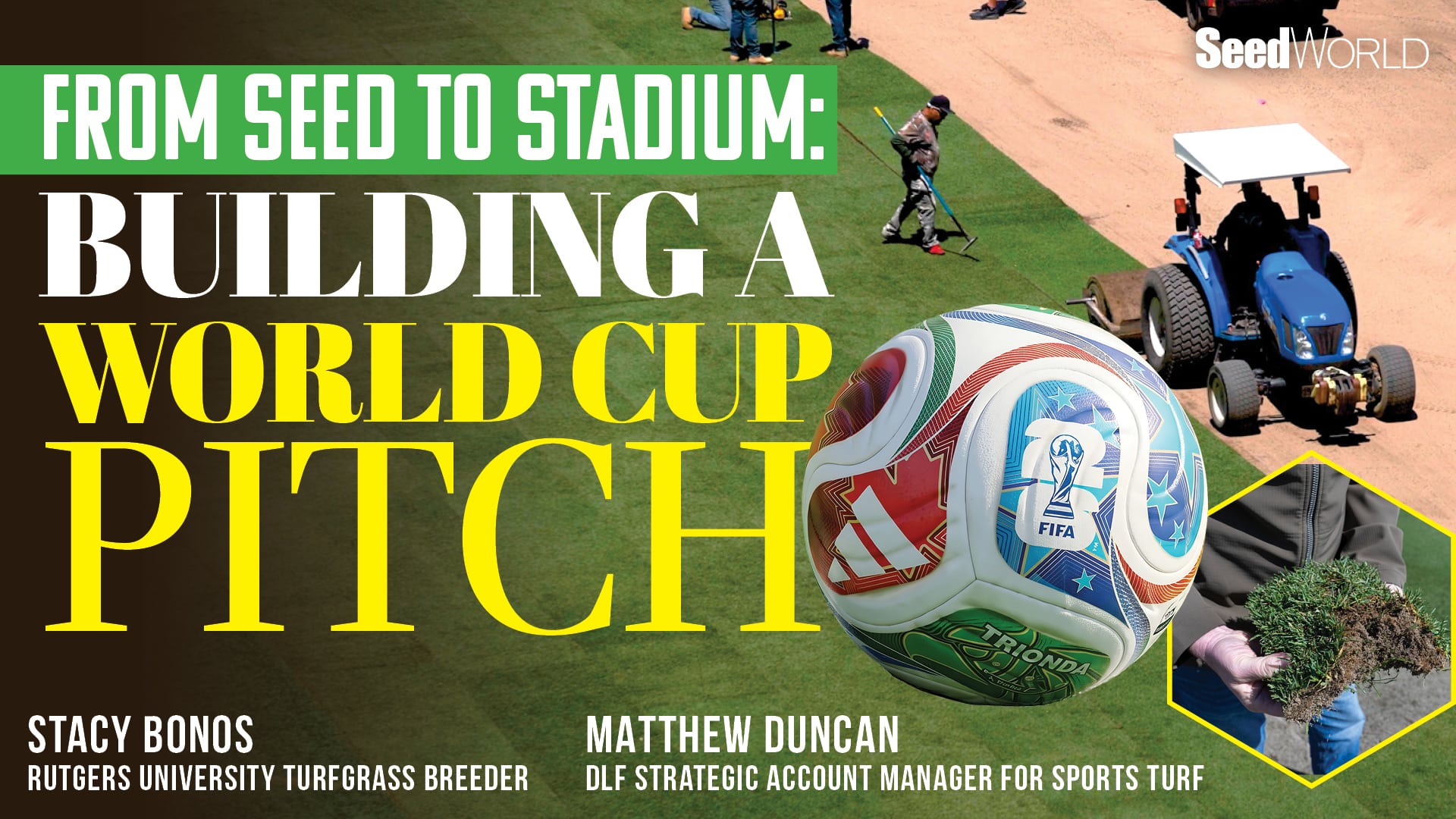
Three of this week’s stories make that obvious. One is about a graduate student winning a scholarship for her work in crop genetics. Another asks people to imagine what the perfect turf pitch would look like if the seed industry were given the World Cup stage. A third explores why plant breeding investment has become one of the defining policy issues facing Canadian agriculture.
But they’re really telling the same story and all asking a simple question:
Who’s going to build agriculture’s future?
The answer isn’t “AI.” It isn’t governments. It isn’t private companies acting alone. It isn’t tech bros in muscle fit shirts. It’s people all working together.
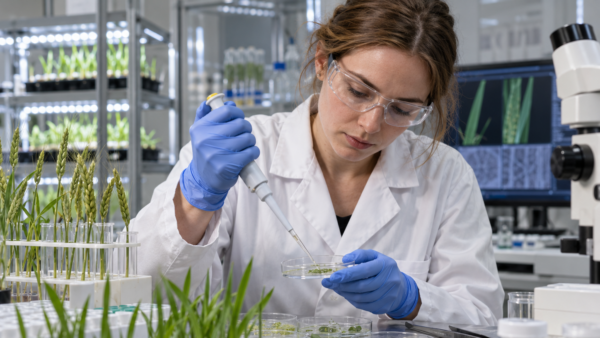
This week I had the chance to profile one of Canada’s brightest young plant breeders — a scholarship recipient who’s already thinking about how genetics can solve problems farmers haven’t fully encountered yet. That’s exactly why programs like the Canadian Plant Breeding Innovation Scholarships matter. They don’t just recognize achievement. They create momentum. They tell young scientists that this industry needs them and believes in them.
That matters because becoming a plant breeder isn’t something you stumble into. It’s a decade-long commitment built on education, mentorship and opportunity. If we want more innovation tomorrow, we have to invest in innovators today.
That idea carries straight into this week’s On the Brink conversation.
One of the biggest misconceptions about plant breeding is that better genetics simply appear because science keeps advancing. They don’t. Every new variety represents years of investment, patient research and a funding model that allows breeders to tackle problems whose payoff may be a decade away.
If that investment slows down, innovation slows down. It’s as simple as that.
Then there’s the World Cup. At first glance, it looks like a fun summer activity we can all get behind. And it is. But it’s also something bigger.
Millions of people watch elite athletes compete on fields that are themselves products of sophisticated breeding, seed science and decades of research. Most fans never think about the genetics beneath their feet. That’s a missed opportunity.
The seed industry has one of the best stories in agriculture, but too often it tells that story only to itself. Features like the World Cup pitch remind us that plant breeding isn’t confined to food crops. It shapes sports, cities, parks and everyday life in ways most people never notice. Maybe they should. Because public understanding ultimately shapes public support. And public support helps drive the policies and investments that allow innovation to flourish.
That’s why these three stories belong together. One celebrates the next generation, one explains why long-term investment matters, and one reminds us that innovation deserves a bigger stage. Together they tell me something encouraging: our future isn’t short on talent. It isn’t short on ideas. It certainly isn’t short on ambition.
The real challenge is making sure those ideas receive the investment, visibility and support they need to become tomorrow’s breakthroughs.
The future of plant breeding isn’t something waiting around the corner. It’s already taking shape in university labs, on research plots, in policy discussions and, yes, even on a World Cup pitch. Our job is to make sure it has every chance to succeed.