Family geneology brings the dawn of the American Revolution and the perseverance of seed into clear view.
Over the past several years, I’ve gained a new appreciation for history. Not because I set out looking for it. Because my Aunt Peggy invited me into it. Over the years, I’ve had spurts of interest as she told me a story about a new relative she found. Then I’d get busy with life and not pay attention for long spans of time, only to ride a wave back into the search.
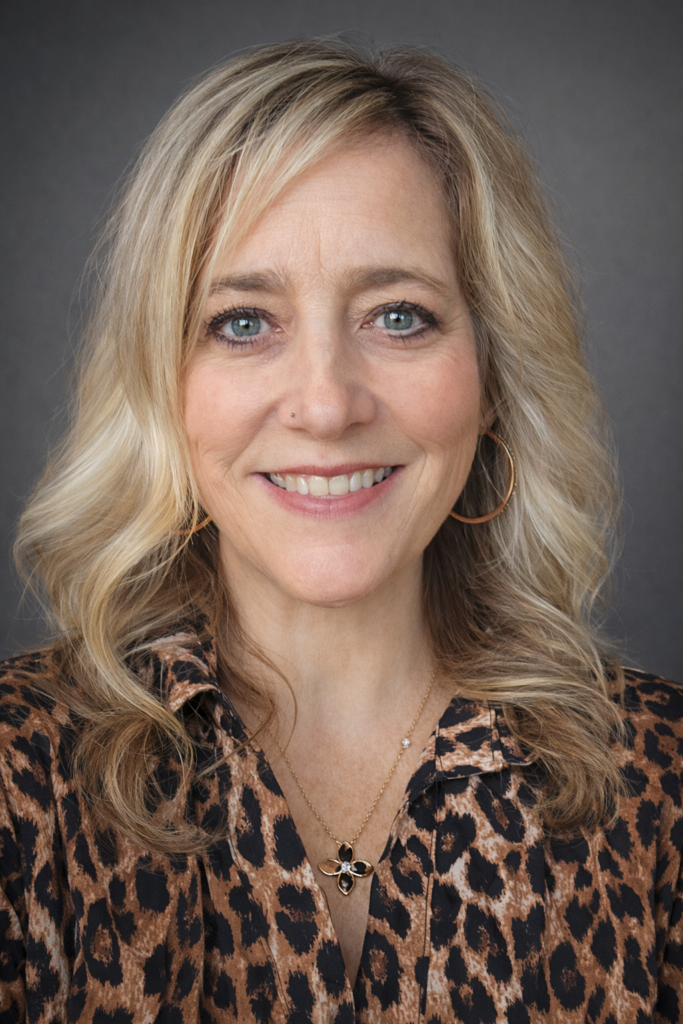
For decades, she’s been the historian of our family, patiently tracing generations through courthouse records, family Bibles, census documents, military records and countless other pieces of history, even traveling to other states to sit in libraries with records and files. Long before genealogy became a popular pastime, she was doing the tedious work of making sure our family’s story didn’t disappear.
Today, she’s helping me document our lineage for membership in the Daughters of the American Revolution. What started as curiosity about our family’s past has become something much bigger. Every document seems to answer one question while raising two more.
One of those answers led me to William Miller Bledsoe, my great, great, great… great grandfather.
Before my aunt introduced me to him, I had never heard his name. Yet, in many ways, his life mirrors the story of America itself.
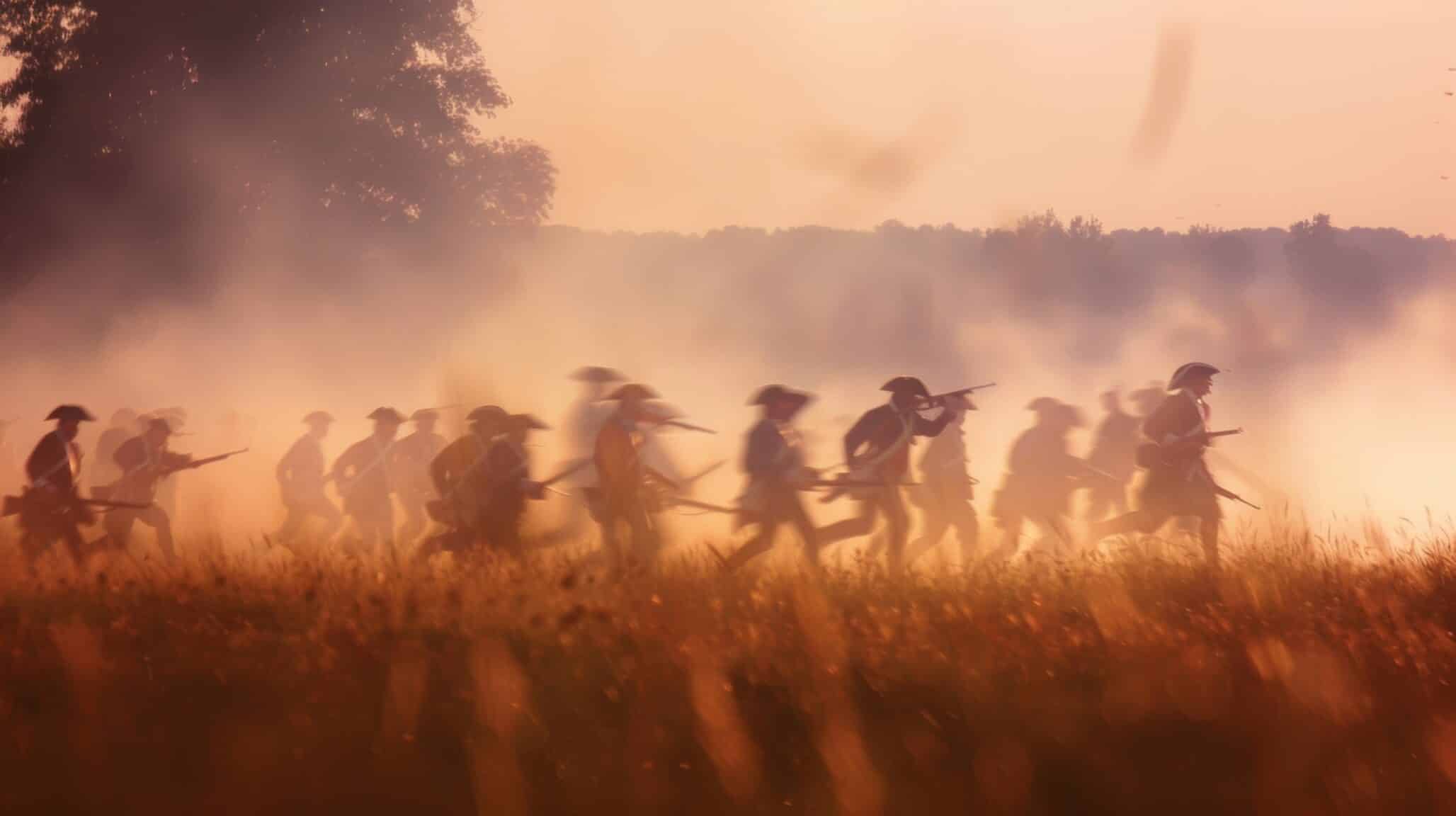
Born in Virginia in 1761, Miller served in the Revolutionary War before heading west to Kentucky. Like so many of his generation, the war wasn’t the end of his story. It was the beginning. He became a Baptist minister, later practiced law, helped write Kentucky’s second constitution and served in the state legislature. When he died, he was a candidate for Lt. Governor.
As America prepares to celebrate its 250th anniversary, I’ve found myself thinking less about the battles that secured our independence and more about what came afterward.
Winning freedom was only the first step. The harder work was building a country. Someone had to establish communities, write laws, clear fields, plant crops and create opportunities for the generations that followed.
Bledsoe was one of countless Americans who did exactly that. History remembers a handful of famous names from the Revolutionary era. It often overlooks the thousands of ordinary men and women who quietly spent the rest of their lives building the nation those famous names envisioned.
That thought has stayed with me because it isn’t just America’s story. It’s agriculture’s story, and the seed industry’s too.
Long before seed became a global business, it was a family’s livelihood. The success of a harvest depended on the quality of the seed that went into the ground. Early settlers didn’t have the luxury of treating seed as a commodity. It represented food, survival and hope for another season.
Two hundred fifty years later, the seed industry looks remarkably different. We talk about genomics, biologicals, digital agriculture, gene editing and artificial intelligence. Seed moves across continents. Research spans universities, private companies and public institutions around the world.
Yet, at its core, the industry is still doing what it has always done: improving the foundation of agriculture so the next generation has a better place to start.
I’ve spent the past several months interviewing people from every corner of the seed value chain. Plant breeders. Growers, policy leaders, seed analysts, family business owners, university researchers, etc. No matter their role, one theme keeps coming up. They’re all thinking beyond the next growing season.
Some are making decisions whose impact won’t be fully realized for another decade. Others are preserving genetic resources that may not prove valuable until long after they’re gone. Many are investing in research they’ll never personally see come to fruition.
That kind of long-term thinking isn’t unique to the seed industry. It’s how America was built.
It’s also what my aunt has spent decades doing. She wasn’t researching our family history for recognition. She simply believed those stories mattered. Because of her, Bledsoe is no longer just another name in an old military record. He’s part of our family’s story again.
As I look toward America’s 250th birthday, I find that thought surprisingly encouraging. Every generation receives an inheritance.
For William Miller Bledsoe, it was the opportunity to help build a young nation.
For my aunt, it became the drive to preserve the story of the people who came before us.
Those of us connected to the seed industry often have the privilege of strengthening one of America’s oldest and most important foundations.
We don’t all leave our mark in the same way. Some serve, some preserve, some innovate. But, we all have the opportunity to leave something worthwhile for the people who come next.