

Sowing the Seeds of Resilience: Crop Diversity as a Strategic Asset for the Seed Sector
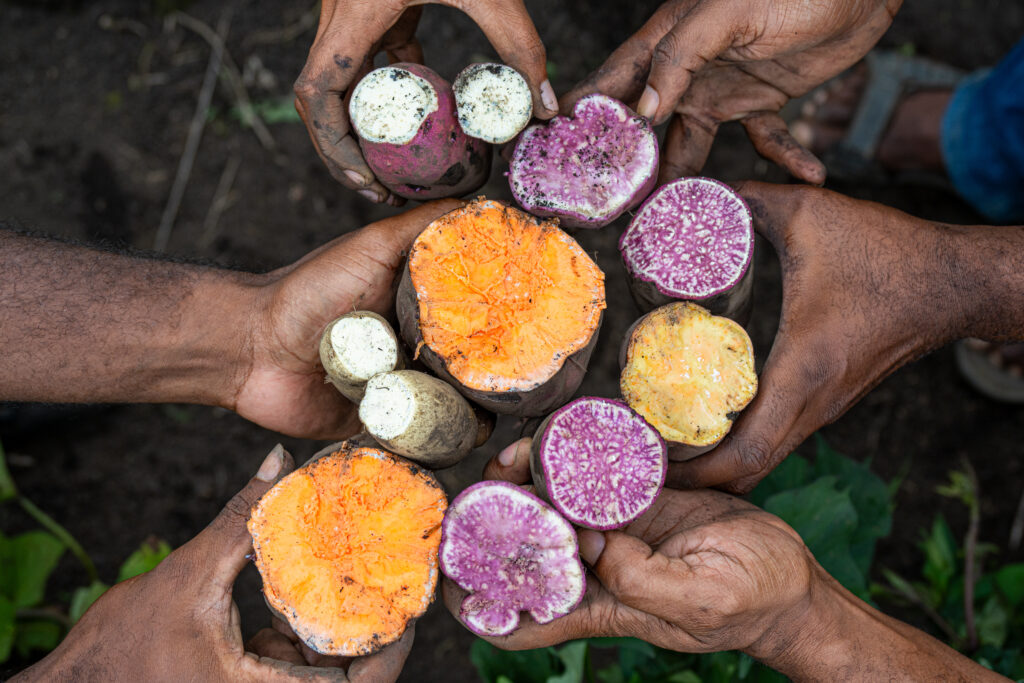
Crop diversity is vital to seed sector innovation, resilience and long-term competitiveness. As climate volatility, pests and funding pressures intensify, genebanks provide essential genetic resources for breeding stronger, more sustainable crops. The Crop Trust secures these collections through stable financing, partnerships and data sharing, helping the seed industry protect biodiversity and food security.
Industry Coalition Calls for Swift Approval of EU New Genomic Techniques Law

Thirty-one agri-food organisations are urging MEPs to adopt the EU Regulation on new genomic techniques without amendments. According to a Euroseeds press release, the compromise text would support innovation, sustainability, competitiveness and resilience in European agriculture while distinguishing conventional-like NGT plants from GMOs. The signatories warn that changes could delay implementation and weaken Europe’s global position.
Healthy Soils, Resilient Harvests: Regeneration in Action
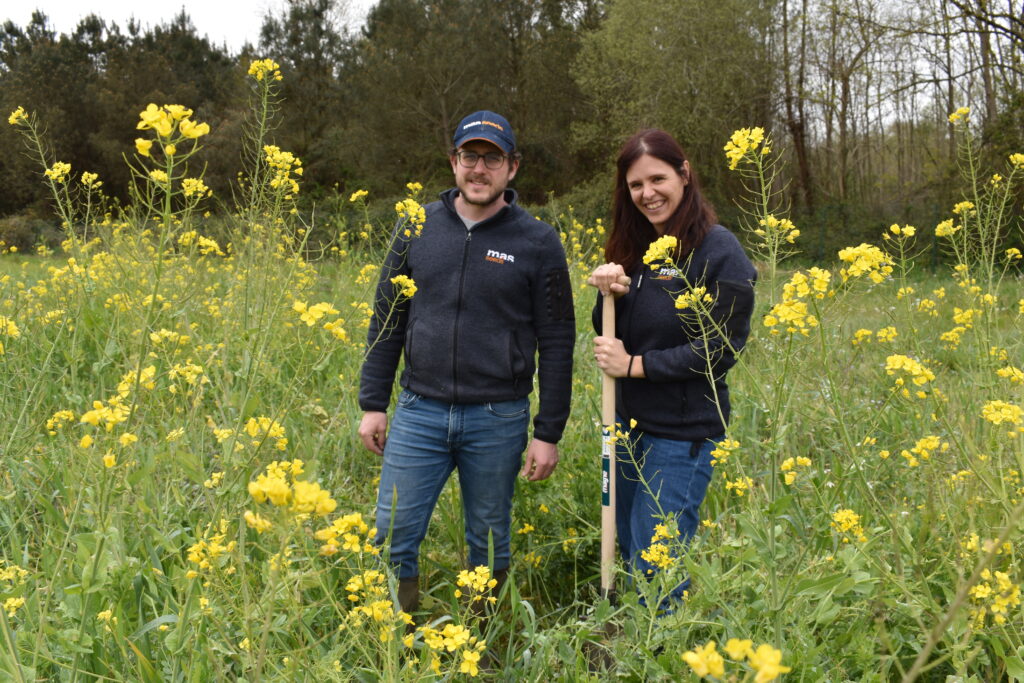
MAS Seeds is advancing regenerative agriculture to help farmers build healthier soils, stronger crops and more stable harvests. Through reduced tillage, cover crops, diversified rotations and field-tested innovations such as MAS4COVER, MAS Seeds supports resilience in changing climates while reducing reliance on inputs.
New Report Highlights Trust Gap in Agricultural Innovation

A new report by Leaps by Bayer, Boston Consulting Group and Ipsos UK examines public trust in agricultural innovation, including new genomic techniques and cultivated meat. Based on interviews in China, Germany and the United States, and a 2025 survey of more than 13,000 people across 13 countries, the report explores why attitudes toward breakthrough science differ.
Hops and Cannabis Share Genetic Sex Switch, Scientists Discover
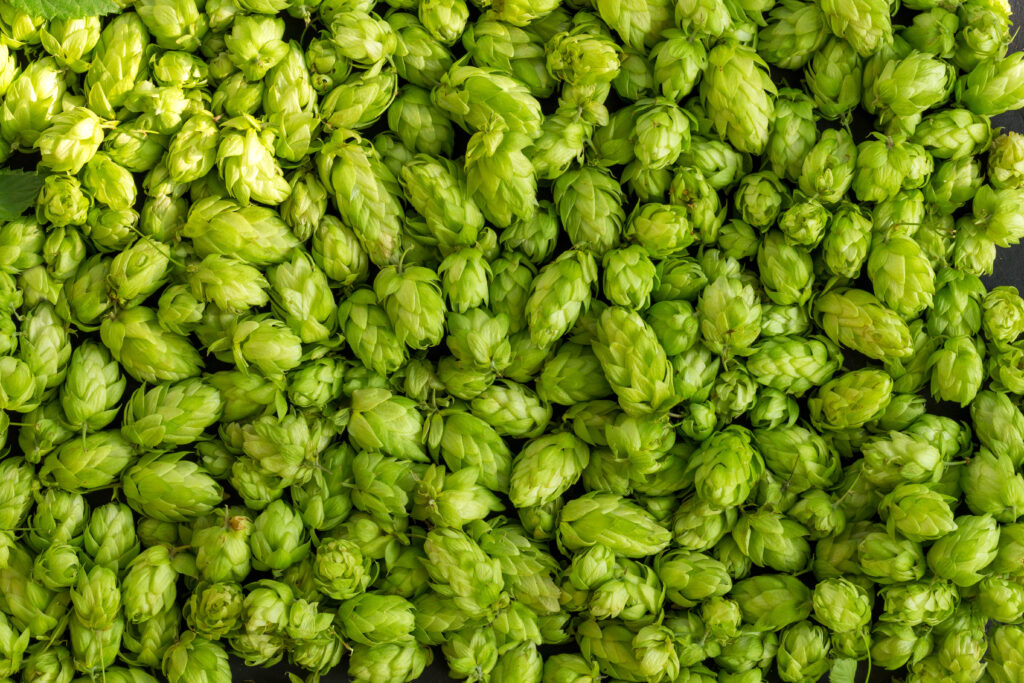
University College Dublin researchers identified a genetic sex switch in cannabis that may also control sex in hops. The study, published in New Phytologist, found key genes on the X chromosome that influence male, female and monoecious development, offering potential benefits for cannabis and hop breeding, crop quality and yield.
Maize Under Siege Attracts More Pests
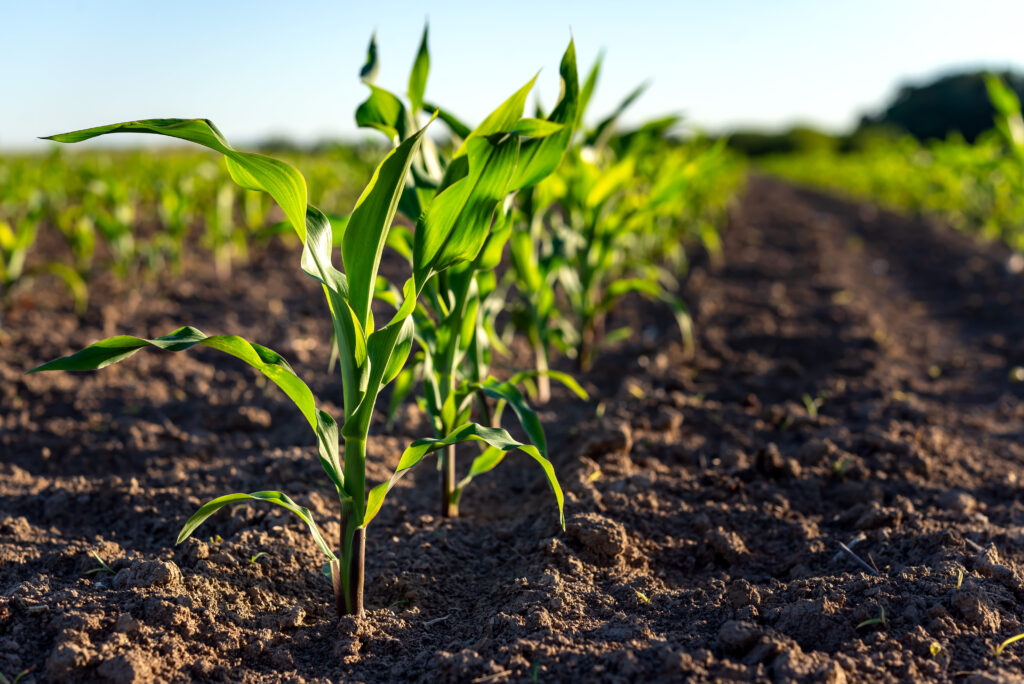
New research finds maize under simultaneous root and leaf pest attack releases distinct root chemicals that strongly attract wireworms. Scientists recreated the cue as a synthetic blend, effective in lab, semi-field and field tests. The discovery highlights the rhizosphere’s role in crop protection and could support sustainable attract-and-trap wireworm management strategies.
OECD Seed Schemes Explained | Seed Certification & Global Seed Trade

OECD seed certification strengthens trust in global seed systems by harmonising standards for quality, identity, and purity across more than 60 countries. This video explains how OECD Seed Schemes support international seed trade, farmer confidence, market access, capacity building, and food security through transparent, reliable certification and stronger cross-border cooperation in the seed sector.
Denmark’s Oat Strategy Could Transform Sustainable Agriculture
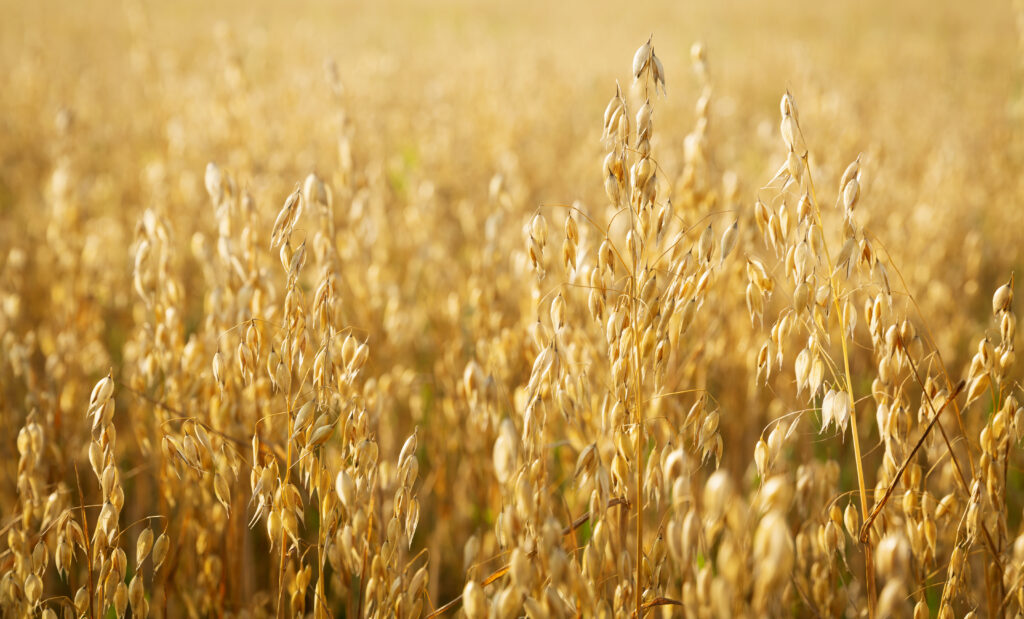
Denmark’s AVENUE project is testing 200 oat varieties to develop climate-resilient, nutritious crops for sustainable organic farming. By studying yield, quality, adaptability and health traits, researchers aim to create ‘super oats’ that support food security, lower climate impact and future plant breeding in Denmark, the Nordic region and Scotland.
The Leadership Move That Pays Off Immediately

Investing in professional development helps seed companies reduce turnover, strengthen teams, and improve operational performance. Targeted seed training, short courses, and certification programs give employees practical skills in seed testing, health, and conditioning while building a culture that retains and attracts talent. Explore training opportunities through Iowa State University Seed Science Center.
The Farm Bill Moves Forward. The Pressure Isn’t Going Away

Commodity groups are largely backing the House farm bill, citing economic pressure and the need for a stronger safety net, while others say key gaps remain. For the seed industry, the bigger question is whether final policy will support innovation, research and global competitiveness as the bill moves forward.
Canola Crop-Based SAF Shows Up to 55% Emissions Reduction Potential in Brazil

A life cycle assessment of sustainable aviation fuel from second-crop canola in Brazil shows potential greenhouse gas reductions of up to 55% versus fossil Jet A-1 under optimal scenarios. The study highlights limits from blending rules and production barriers. Agricultural inputs drive most emissions, indicating that advances in farming practices, bioinputs, and technology are essential for scalable aviation decarbonization efforts.
UPOV Launches Global PVP Certificate

UPOV has launched a new PVP Certificate for private sector professionals in plant variety protection. The internationally recognized program validates expertise in the UPOV system, supports career advancement, and strengthens professional standing across seed and plant breeding sectors. Open globally, it offers a credible benchmark for knowledge of international PVP standards, best practices, and implementation quality.
Marc’s Take: Canada’s Ag Innovation Problem Isn’t Ideas — It’s Getting Them to Market

From the “valley of death” in funding to a fractured variety marketplace and unclear trade representation, Canada’s seed sector faces a systemic challenge
The “Valley of Death” in Canadian Ag Innovation
Why promising research fails to reach the market, and what leaders say needs to change
SAF de canola de segunda cosecha puede reducir emisiones hasta 55 % en Brasil

Un análisis de ciclo de vida del SAF de canola de segunda cosecha en Brasil indica reducciones de hasta 55% frente al Jet A-1 fósil en escenarios óptimos. El estudio señala límites por regulaciones y producción. La etapa agrícola concentra la mayoría de emisiones, destacando la necesidad de mejorar prácticas agronómicas, bioinsumos y tecnología para avanzar en la descarbonización del sector aeronáutico.
From One Breeder’s Vision to a Global Legacy

With 170 years of independence, KWS combines scientific expertise, long-term thinking and farmer partnerships to advance modern plant breeding. From sugar beet origins to a global portfolio spanning 20+ crops, the company invests heavily in research, delivering resilient, high-yield varieties. Its family ownership supports strategic decisions, innovation and trust, ensuring sustainable agricultural solutions for future generations worldwide long term growth.
Climate-Smart Farming: Study Shows How Biochar Can Improve Yields and Soil
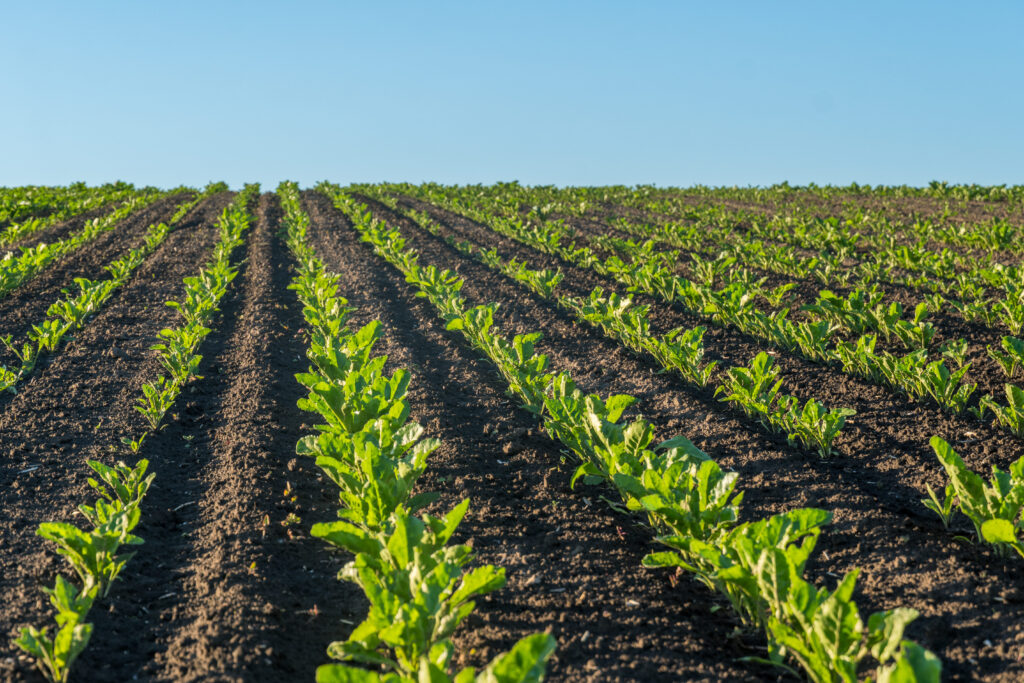
A new global biochar model helps predict how biochar affects crop yields, soil carbon storage and greenhouse gas emissions across farming systems. Tested with data from 48 field sites, the study shows biochar can support climate-smart agriculture, but results depend on climate, soil type and application rate.
Finding Canada’s Way: Rebuilding the Variety Marketplace | On the Brink Season 1: Episode 8

Greg Stamp has spent 20 years farming in Western Canada and his verdict on the current variety marketplace is straightforward: the system is broken. In Episode 9 of On the Brink, Stamp makes the case for variety use agreements as the clearest mechanism to rebuild the investment pipeline Canadian plant breeding needs to stay competitive.
Up to 40% of U.S. Food Never Gets Eaten. The Pressure Starts at Seed
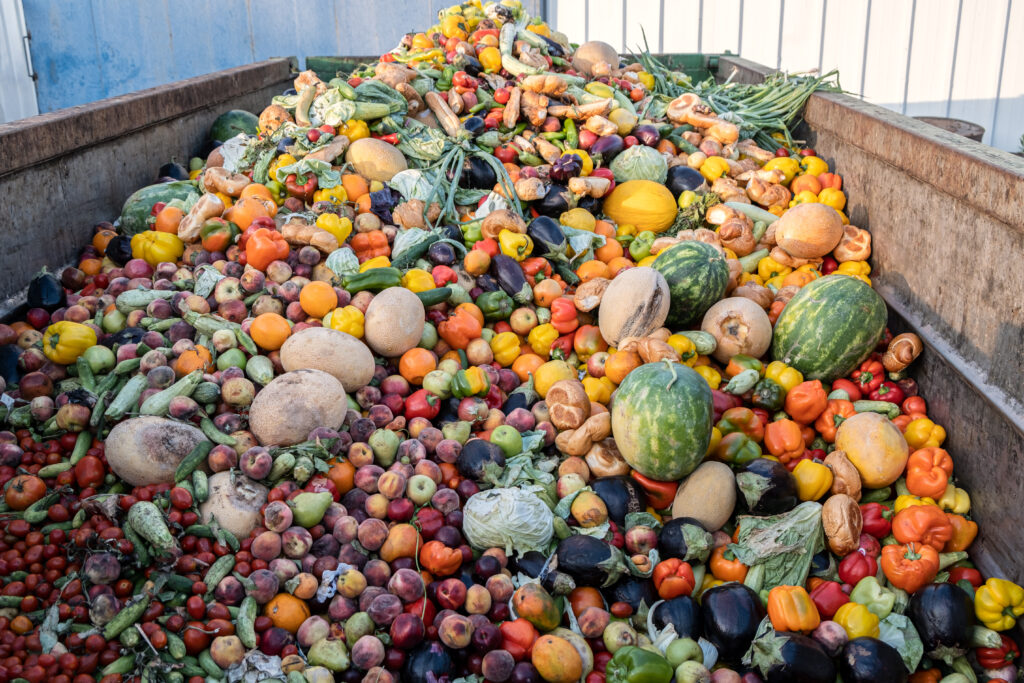
U.S. food waste reaches up to 40% of the supply, with 133 billion pounds lost annually. Increasingly, that loss is shaping seed breeding decisions around shelf life, uniformity, and durability across the supply chain.
Who Speaks for Seed in Canada-U.S. Trade? Michael Harvey Takes a Seat

With CUSMA talks approaching, CAFTA’s executive director joins Ottawa’s new advisory committee to represent agri-food exporters
What Fuels a Plant Before Sunlight Takes Over?
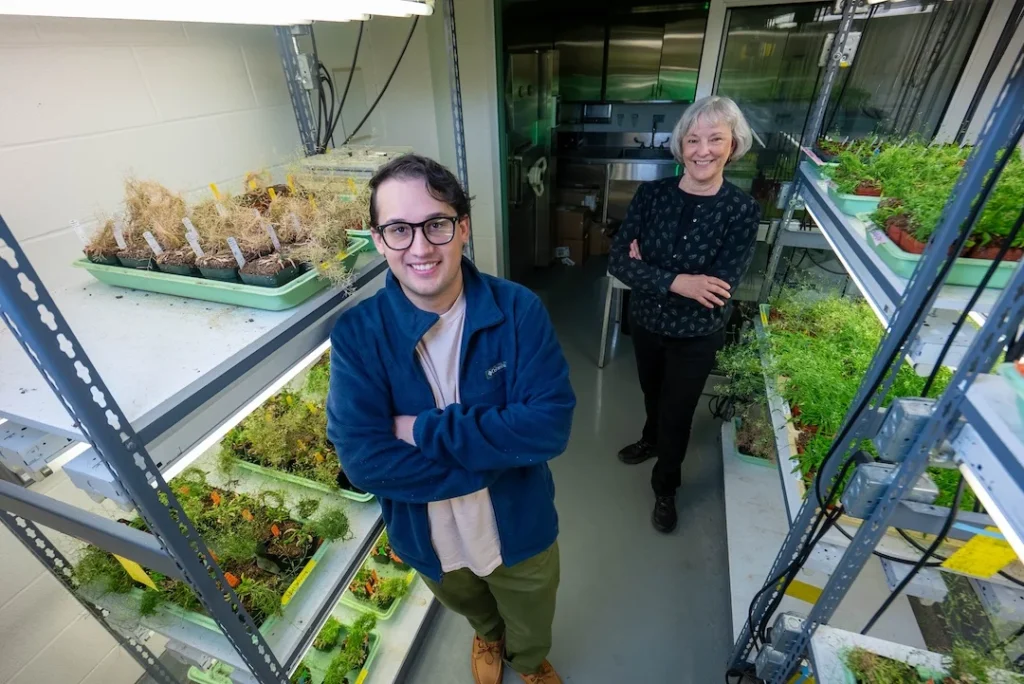
Scientists identified how the PEX11 protein regulates peroxisome growth in young plants, helping seedlings use stored energy before photosynthesis begins and offering insight relevant to bioengineering and human cell research.
Scientists Use CRISPR to Strengthen Grapevines in African First

African researchers used CRISPR to successfully edit grapevine DNA for the first time in a woody crop on the continent. By switching off the VvDMR6.1 gene, the study reduced susceptibility to downy mildew and improved drought response, highlighting genome editing’s potential for climate-resilient grape production.
CRISPR Study Unlocks Precision Chromosome Editing in Wheat
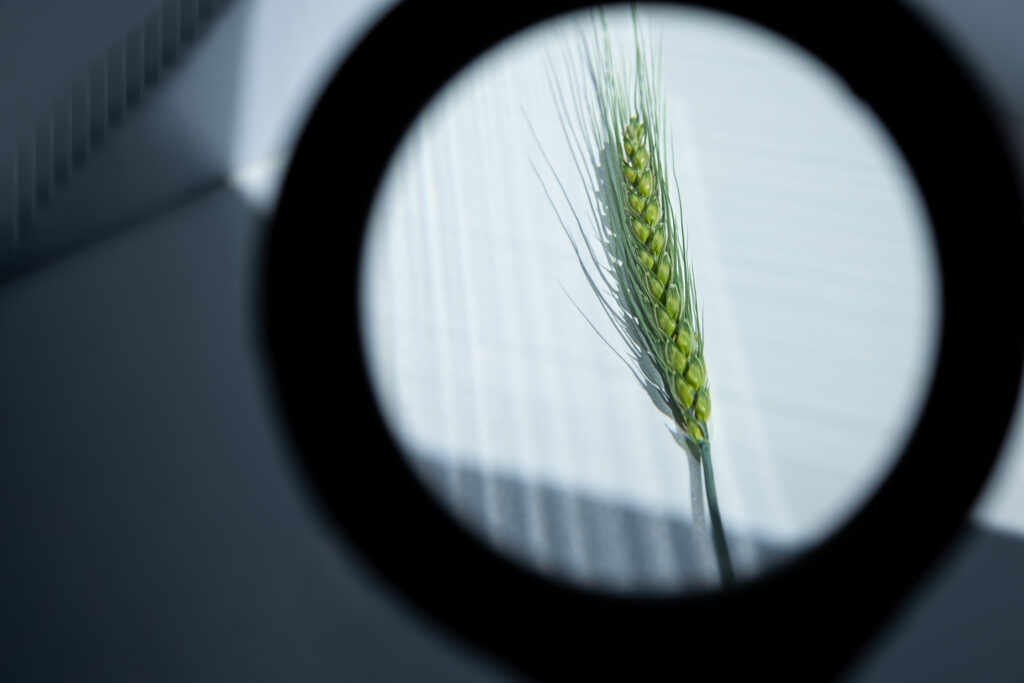
IPK researchers used CRISPR/Cas to reduce or remove chromosomes in wheat and other large-genome plants by targeting satellite DNA. Published in Plant Communications, the breakthrough shows how precise chromosome editing can create new genetic variants, accelerate wheat breeding and support the development of more resilient crop varieties.
Euroseeds InnovAction Stage 2026: Deadline April 30

Euroseeds Congress 2026 InnovAction Stage offers startups, research initiatives, and established seed companies a platform to showcase breakthrough innovations. Madeleine Baerg and Dr. Amelie Detterbeck discuss how applicants can gain visibility, credibility, industry feedback, and meaningful connections with seed sector leaders, policymakers, partners, and innovators shaping the future of agriculture.
What To Expect at Euroseeds 2026

Shawn Brook interviews Garlich von Essen on the future of the seed sector ahead of Euroseeds Congress 2026, exploring geopolitical shifts, innovation, regulation, sustainability, biologicals, traceability, and plant breeding. The conversation highlights how collaboration, networking, and emerging technologies are shaping agriculture and creating new opportunities for seed companies, startups, innovators, and future leaders.
$40M Investment Expands Agronomy Research Capacity at Oklahoma State
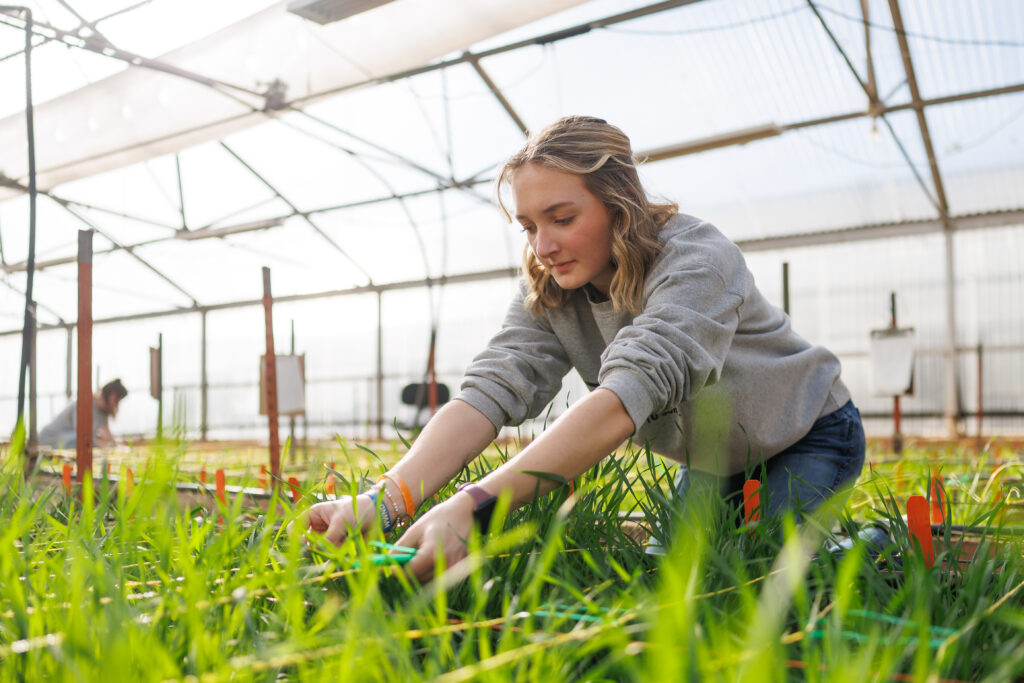
Oklahoma State University will build a new Agronomy Discovery Center following a $40 million state investment, expanding crop research capacity and supporting wheat breeding, soil science and broader agricultural innovation.
Seed Programs International conecta a los pequeños agricultores con el sector de las semillas
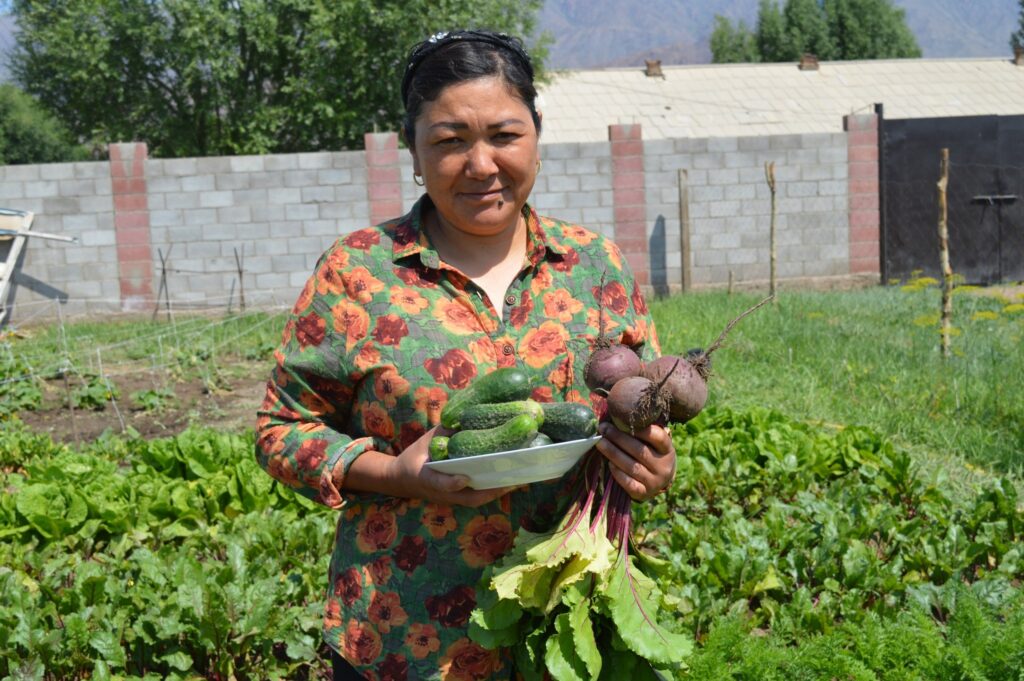
Seed Programs International conecta empresas semilleras, financiadores y socios locales para ayudar a pequeños agricultores a producir alimentos y fortalecer la seguridad alimentaria. Desde 1998, SPI ha colaborado con más de 400 organizaciones en 94 países, beneficiando a más de 9 millones de personas. Su modelo eficiente brinda semillas, capacitación y apoyo técnico, convirtiendo donaciones en resiliencia duradera.
Yearbook Advice vs. Seed Business Reality: “Never Change” Is an Awful Strategy

Seed companies can’t rely on “never change” thinking. To stay competitive, leaders must protect customer trust while evolving sales channels, pricing models, digital tools, agronomic insight, and product positioning. Intentional change helps seed businesses adapt to farmer expectations, build resilience, create differentiation, and keep growing in a fast-changing agricultural marketplace.
Elevated Fertilizer Costs Make Seed Testing a Strategic Imperative

Ongoing disruptions to global shipping routes through the Strait of Hormuz have tightened fertilizer supply and driven nutrient prices higher. What’s the impact on the industry? For those of us […]
Breeders Trust Settles Case Over Illegal Seed Potato Listing In Denmark

Danish potato grower settles Breeders Trust case after a Facebook listing offered protected Solist seed potatoes, underscoring that online advertisements can infringe plant breeders’ rights even without a sale. The case highlights strict seed potato certification rules, legal and phytosanitary risks, and the growing responsibility of online platforms to prevent unlawful potato trading.
“Lazy” Crop Roots: Traditional Sorghum Outperforms on Recycled Phosphorus
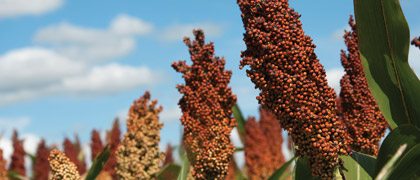
Traditional sorghum lines may hold the key to more efficient crop nutrition as agriculture shifts toward recycled fertilisers. A University of Queensland study found landraces outperformed modern sorghum when phosphorus was less soluble, thanks to stronger root traits and exudate chemistry. The findings highlight new breeding opportunities to improve nutrient-use efficiency and support a circular phosphorus economy.
Embrapa’s Mariangela Hungria Named to TIME100 2026 for Pioneering Sustainable Agriculture Innovations

Embrapa scientist Mariangela Hungria was named to TIME100 2026 in the Pioneers category for advancing sustainable agriculture. A global leader in biological inputs, she helped replace chemical fertilizers with microorganisms that boost yields, cut costs, and reduce emissions. Hungria says the honor recognizes Brazilian science and strengthens Brazil’s leadership in healthier, low-residue food production worldwide today.
Mariangela Hungria, de Embrapa, incluida en la lista TIME100 2026 por sus innovaciones pioneras en agricultura sostenible

La científica de Embrapa Mariangela Hungria fue incluida en la lista TIME100 2026, en la categoría Pioneros, por impulsar la agricultura sostenible. Referente mundial en insumos biológicos, ayudó a sustituir fertilizantes químicos por microorganismos que aumentan rendimientos, reducen costos y emisiones. Afirma que el reconocimiento destaca la ciencia brasileña y refuerza el liderazgo de Brasil en alimentos más saludables.
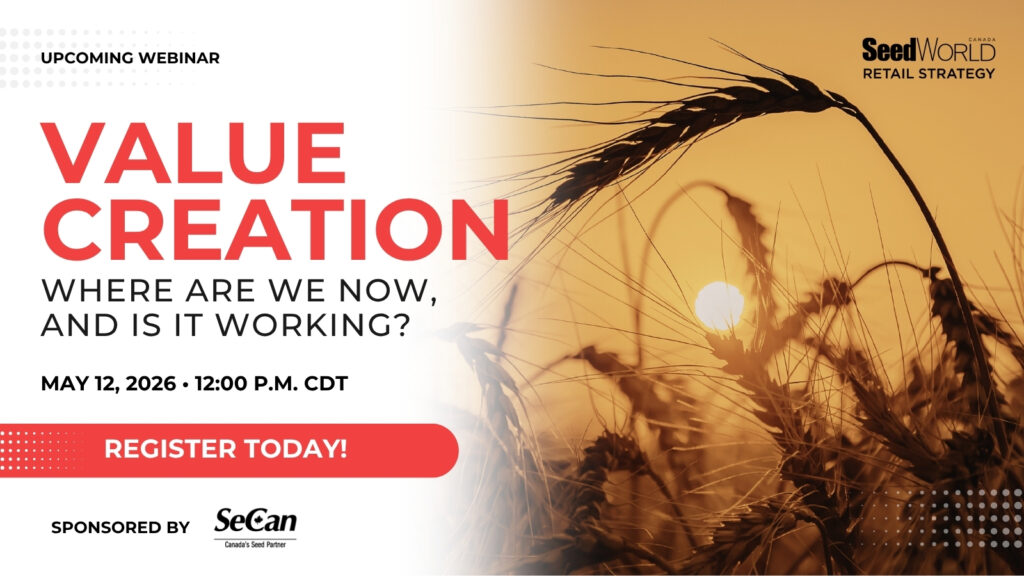
Register For Our Webinar on the Future of Value Creation
Canada’s Plant Breeding Future Hinges on Trust, Not Just Funding Models — Marc’s Take This Week
Global competition and funding challenges are forcing change, but skepticism from farmers could shape what comes next
100 Years Is Rare in Seeds
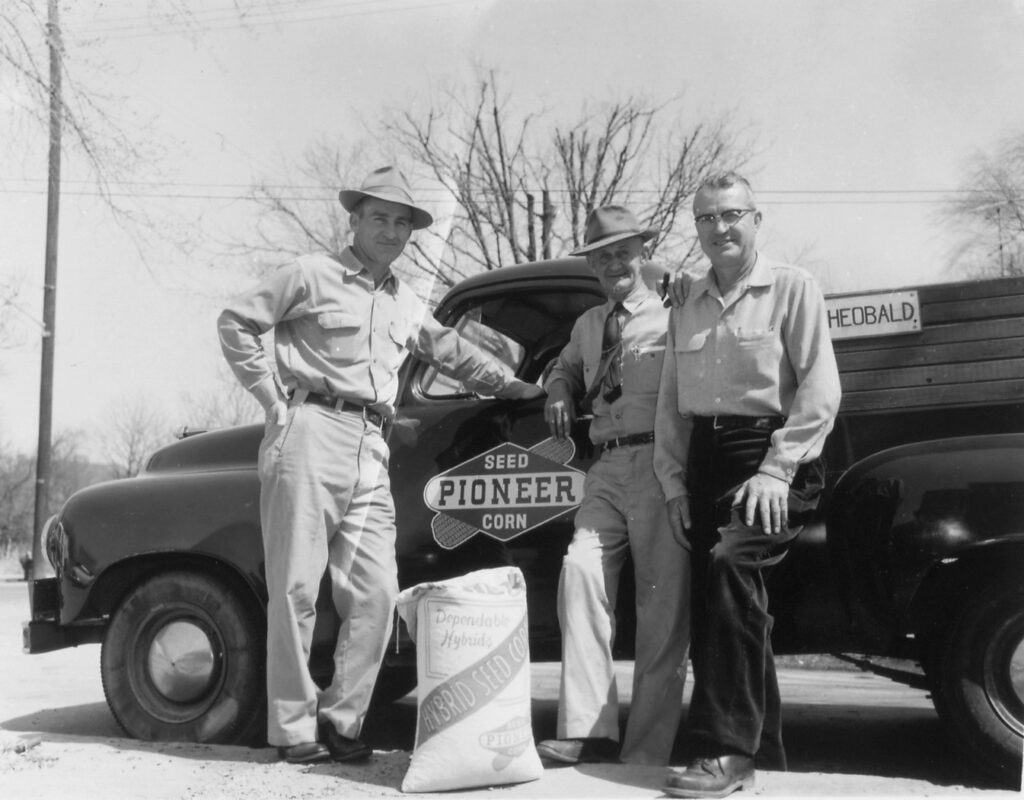
Happy Birthday! Pioneer marks 100 years in the seed industry, offering a case study in what it takes to survive shifting markets, evolving technology, and changing farmer expectations.