

Lorena Basso Steps Up in the Global Seed Sector

Lorena Basso prepares to lead ISF with a focus on innovation, regulatory clarity and stronger collaboration across the global seed sector.
La industria semillera chilena impulsa una mayor competitividad e innovación agrícola
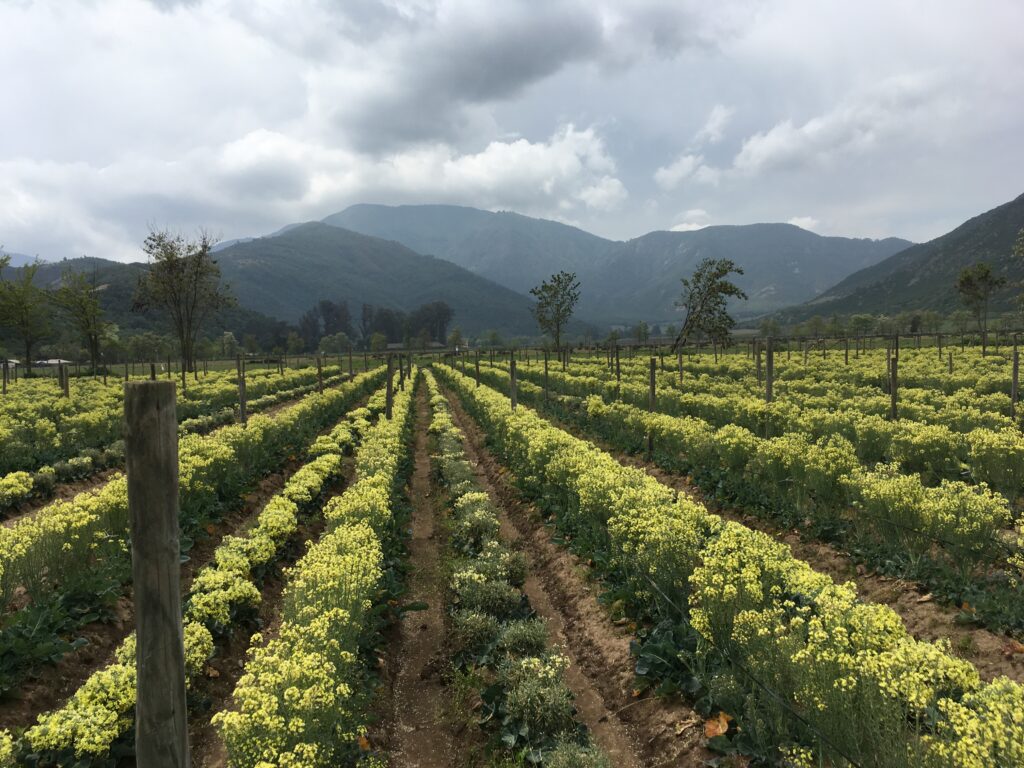
La industria semillera chilena impulsa una mayor competitividad, innovación y modernización regulatoria tras una reunión entre ANPROS y el ministro de Agricultura, Jaime Campos. El sector destacó prioridades como seguridad hídrica, protección fitosanitaria, biotecnología, protección vegetal y seguridad rural. Las conversaciones reforzaron el papel de Chile en la producción y exportación global de semillas, promoviendo inversión, investigación y desarrollo agrícola sostenible.
Tunisia Sequences Ancient Durum Wheat Varieties to Boost Climate Resilience
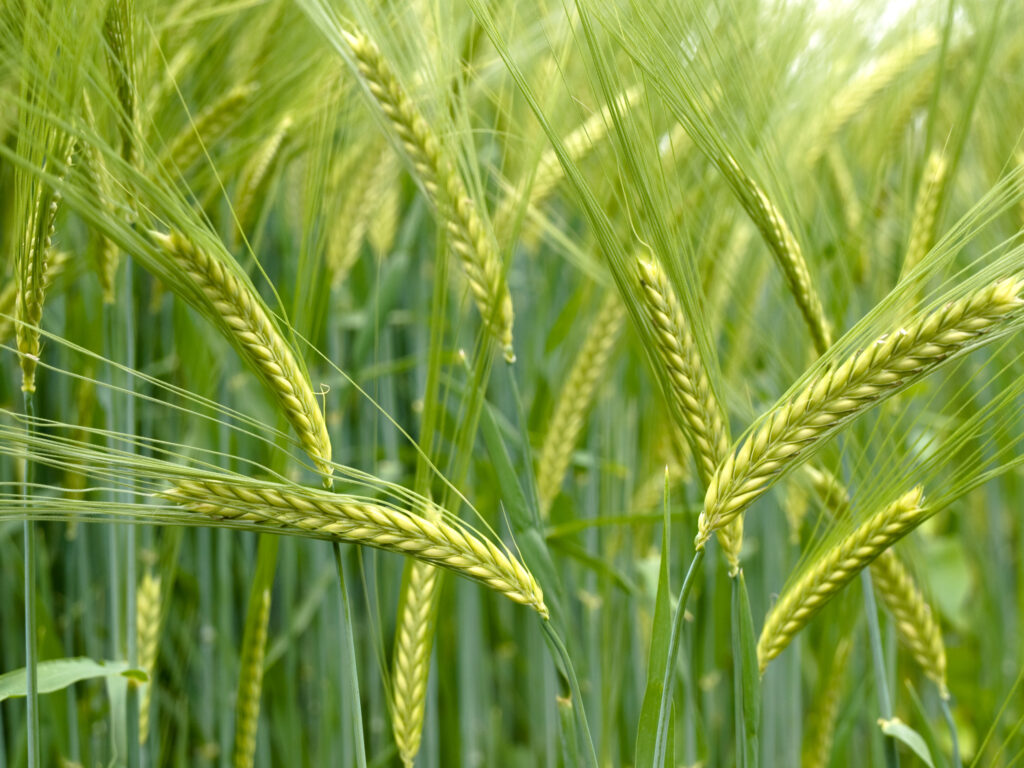
Tunisian researchers sequenced the complete genomes of Mahmoudi and Chili durum wheat landraces, uncovering valuable traits for drought tolerance, disease resistance and climate resilience. The genomic data, available through OpenDurumGPT on Zenodo, supports global wheat breeding efforts while preserving Tunisia’s agricultural heritage, food security and centuries-old farming traditions amid growing climate change pressures worldwide.
Biotech Just Hit Fast Forward. Is Europe’s Seed Sector Ready?
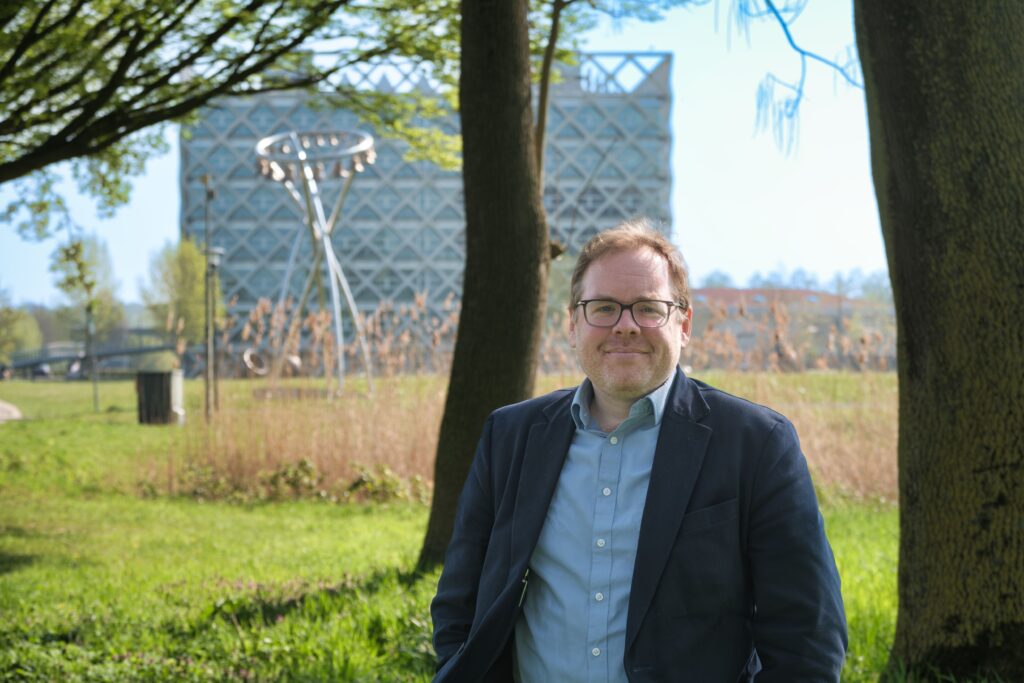
AI, CRISPR, genomic prediction and speed breeding are transforming plant breeding at unprecedented speed. Wageningen University’s Richard Harrison says Europe’s seed sector faces a defining moment as New Genomic Techniques reshape regulation, investment and innovation access. Faster breeding tools, AI-driven research and accessible gene editing could diversify crops, strengthen resilience and accelerate sustainable agriculture while raising critical questions about patents, biodiversity and Europe’s future food systems.
Why You Don’t Want to Miss the Seeds Canada Conference

Saskatoon has long been at the centre of Canadian ag innovation — and this July, it becomes the gathering place for the seed sector
Where Gene Editing in Agriculture Meets Consumer Value
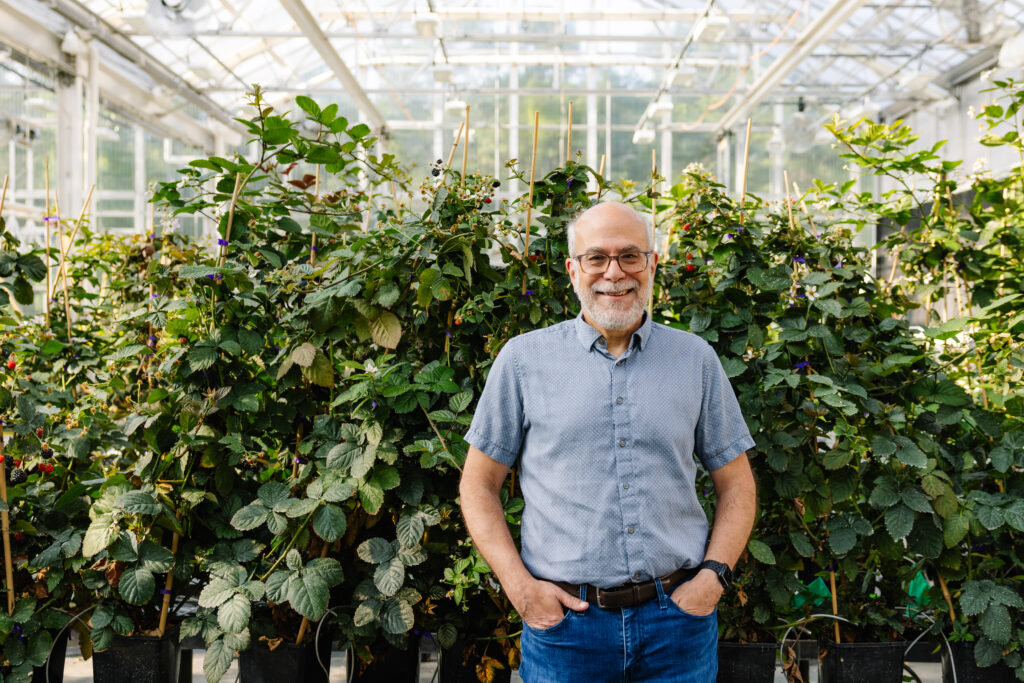
Pairwise CEO Tom Adams says gene editing’s next opportunity may come from crops where the benefits are easy for consumers and growers to see.
From Lisbon to Saskatoon, Plant Breeding Faces a Defining Moment
The 2026 ISF World Seed Congress and Season 2 of On the Brink point to the same reality
Why Portugal Matters to the Global Seed Sector

From global seed trade to next-generation leadership, the 2026 ISF World Seed Congress arrives in a city built for international connection. Lisbon sits on the edge of the Atlantic Ocean, […]
Embrapa Advances Homegrown Fertilizer Solution for Soybean and Wheat Markets
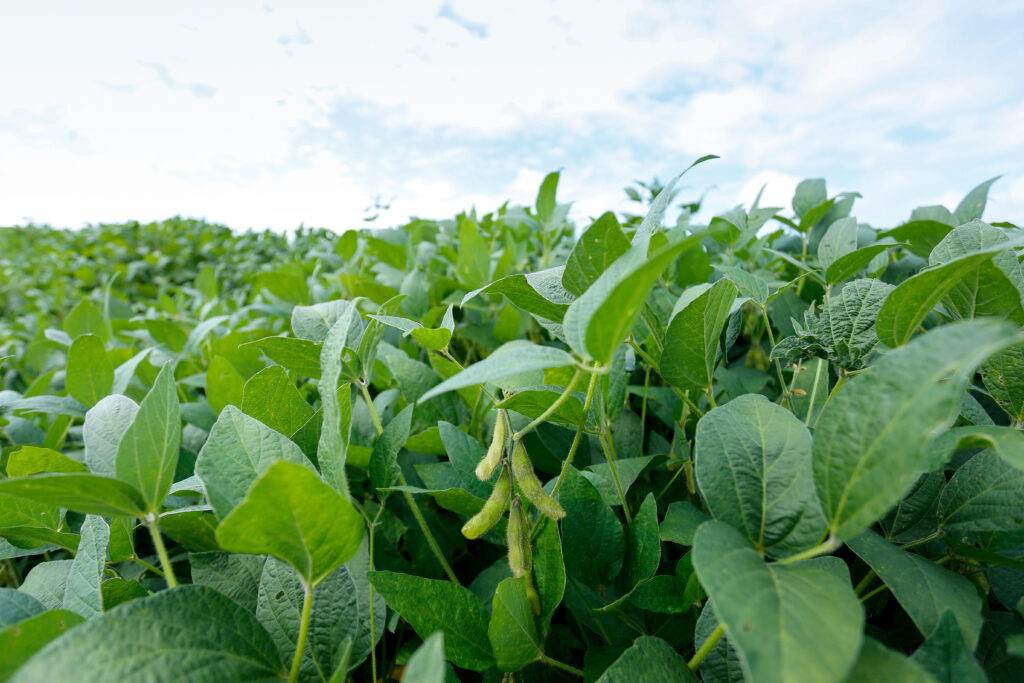
Embrapa researchers found that struvite fertilizer made from pig farming residues can reduce reliance on imported phosphate fertilizers in soybean and wheat production. Soybean trials maintained competitive yields while supplying up to 50% of crop phosphorus needs. The slow-release fertilizer also improves phosphorus efficiency, supports sustainable agriculture and could create new revenue opportunities for Brazilian livestock producers.
Where the Conversation Goes Next | On The Brink: Season 2 – Episode 1

Shawn Brook, President and CEO of Seed World Group, reflects on nine episodes of cross-country conversation and what the shift to Season 2 means for Canadian plant breeding.
Breakthrough Crop Research Creates Fusarium-Resistant Wheat Hybrids
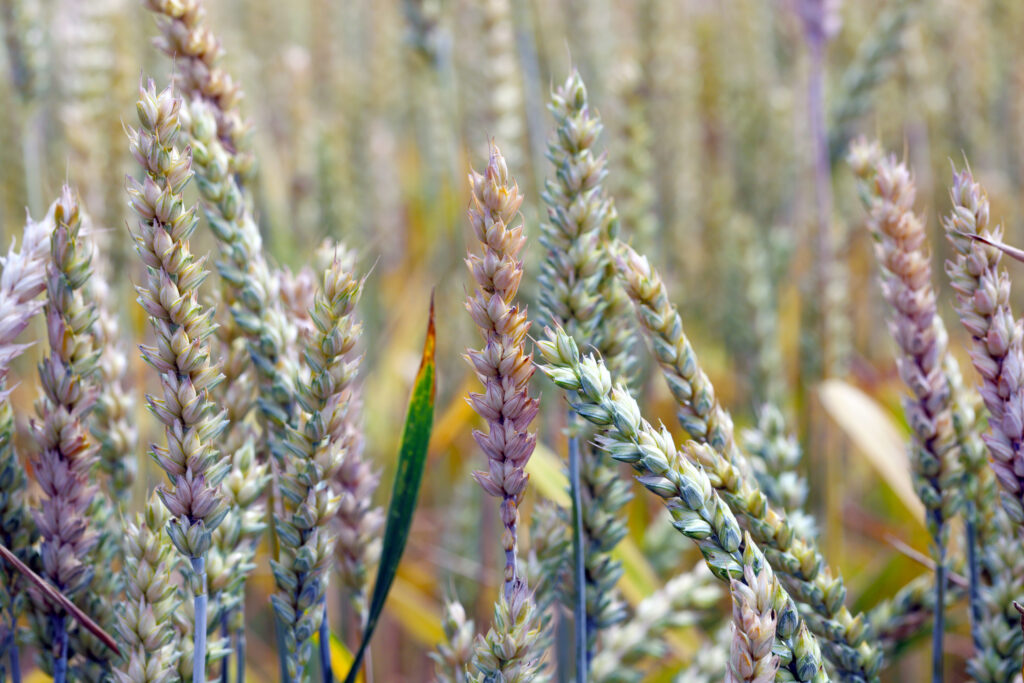
Researchers identified a novel Fusarium Head Blight resistance locus in Elymus repens, a wild wheat relative, and successfully transferred it into cultivated wheat. The new locus, Fhb.Er-1StL, reduced diseased spikelets by up to 69% in greenhouse trials and 60% in field trials, offering a valuable new genetic source for FHB-resistant wheat breeding.
Embrapa impulsa una solución de fertilizantes de producción nacional para los mercados de soja y trigo
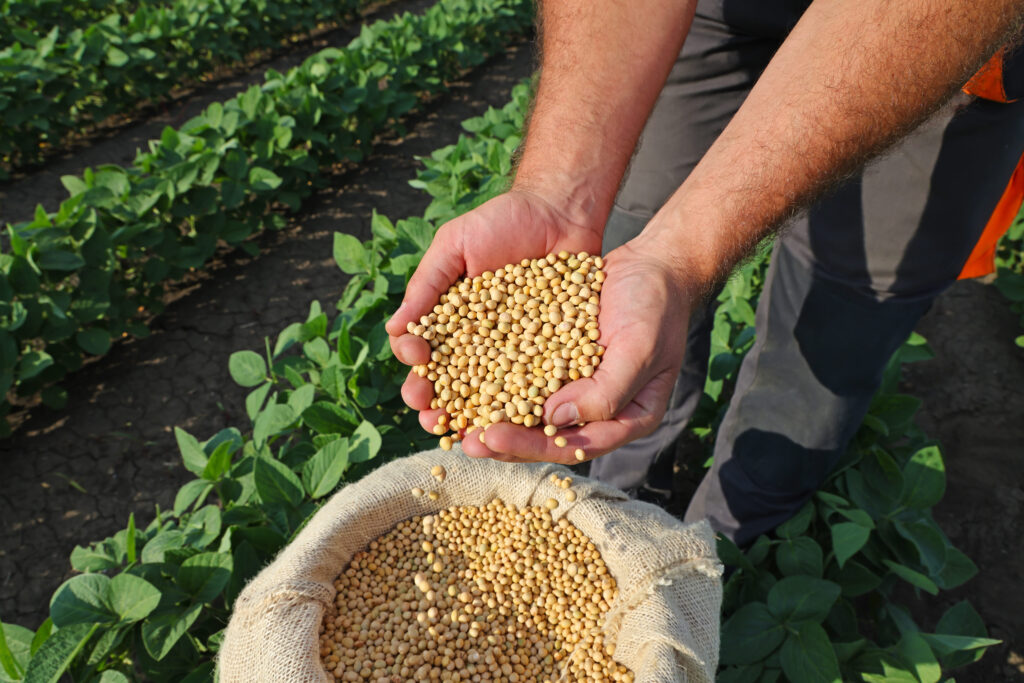
Investigadores de Embrapa descubrieron que la estruvita producida a partir de residuos porcinos puede reducir la dependencia de fertilizantes fosfatados importados en cultivos de soja y trigo. Los ensayos en soja mantuvieron rendimientos competitivos cubriendo hasta el 50% de las necesidades de fósforo. El fertilizante también mejora la eficiencia nutricional, impulsa la sostenibilidad y podría generar nuevos ingresos para productores ganaderos brasileños.
Scientists Build First Watermelon Super-Pangenome to Advance Crop Breeding

Scientists have developed a comprehensive watermelon super-pangenome integrating 138 wild and cultivated genomes, revealing genetic variants linked to sweetness, flesh colour, and disease resistance. Published in Nature Genetics, the research provides a powerful new resource for genomics-assisted breeding, helping researchers develop more resilient, sustainable watermelon varieties while preserving the sensory traits valued by consumers.
Money Plant Reveals Nature’s Hidden Algorithm

New research from Cold Spring Harbor Laboratory shows the Chinese money plant algorithm helps explain how plants organize leaf veins using elegant mathematical principles.
Why Farm Bill Uncertainty Matters to Seed

Janae Brady of ASTA explains why Farm Bill uncertainty, conservation funding and USDA restructuring impact seed companies.
Why Canada’s Breeding Future Hinges on Value Creation
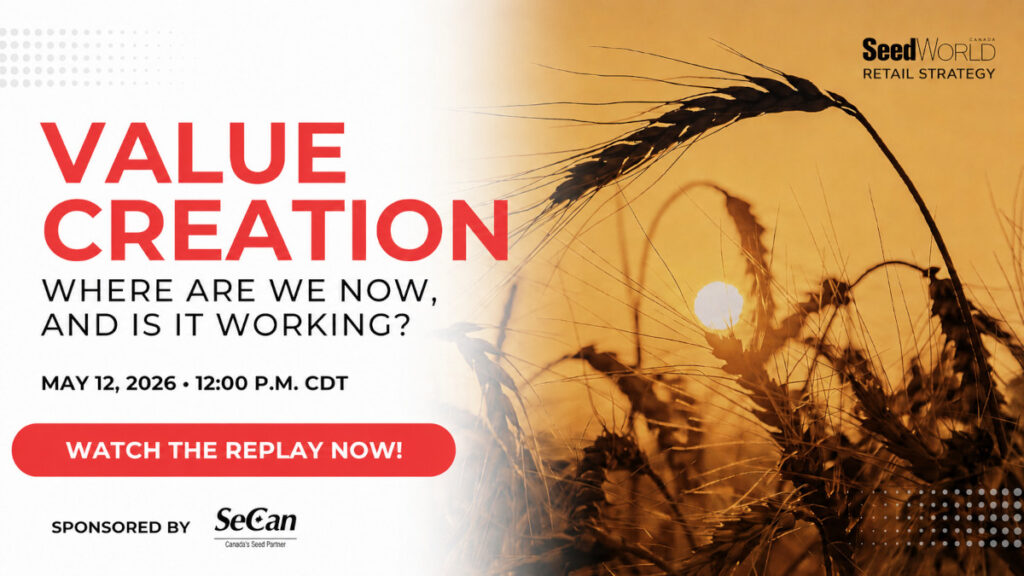
This on-demand webinar takes a grounded look at how value creation has evolved and how those efforts are performing in real-world settings
Colombia Promotes Legal Seed Use in Rice, Corn, Cotton and Sorghum

Colombia’s ICA and Acosemillas are urging farmers to use authorized seed for rice, corn, cotton and sorghum crops. Officials say certified seed can improve yields by up to 40%, reduce pest risks and strengthen food security. The campaign also highlights legal seed purchasing, phytosanitary protection, climate-adapted varieties and compliance with ICA Resolution 15141 of 2024.
Communications Manager Opportunity Opens at Euroseeds in Brussels

Euroseeds is recruiting a Manager Communications to join its Brussels-based team and support strategic communication, digital engagement and EU advocacy for the European seed sector. The role includes media relations, stakeholder outreach and event coordination. Candidates with experience in communications, agriculture, innovation and EU affairs are invited to apply by June 1 for this international position.
Rothamsted Research Spin-Out SugaROx Secures £2.5M Investment from Mosaic

Rothamsted Research and University of Oxford spin-out SugaROx has secured £2.5 million from The Mosaic Company to advance precision crop biostimulants. The Series A investment will support field trials, regulatory work, commercial scale-up, and development of SugaROx’s T6P-based platform, designed to improve crop yield, resilience, and nutrient use efficiency.
Scientists Use Genome Editing to Develop Healthier Lettuce Crops

Researchers used genome editing to alter flavonoid production in red-leaf lettuce, removing red pigmentation while increasing beneficial compounds such as quercetin. The modified lettuce maintained normal growth, highlighting a potential crop breeding strategy for developing functional lettuce varieties with tailored nutritional traits for controlled-environment agriculture, plant factories and future high-value crop production.
Innovation in an Industry Of Action: The Changing World of Seed Treatment
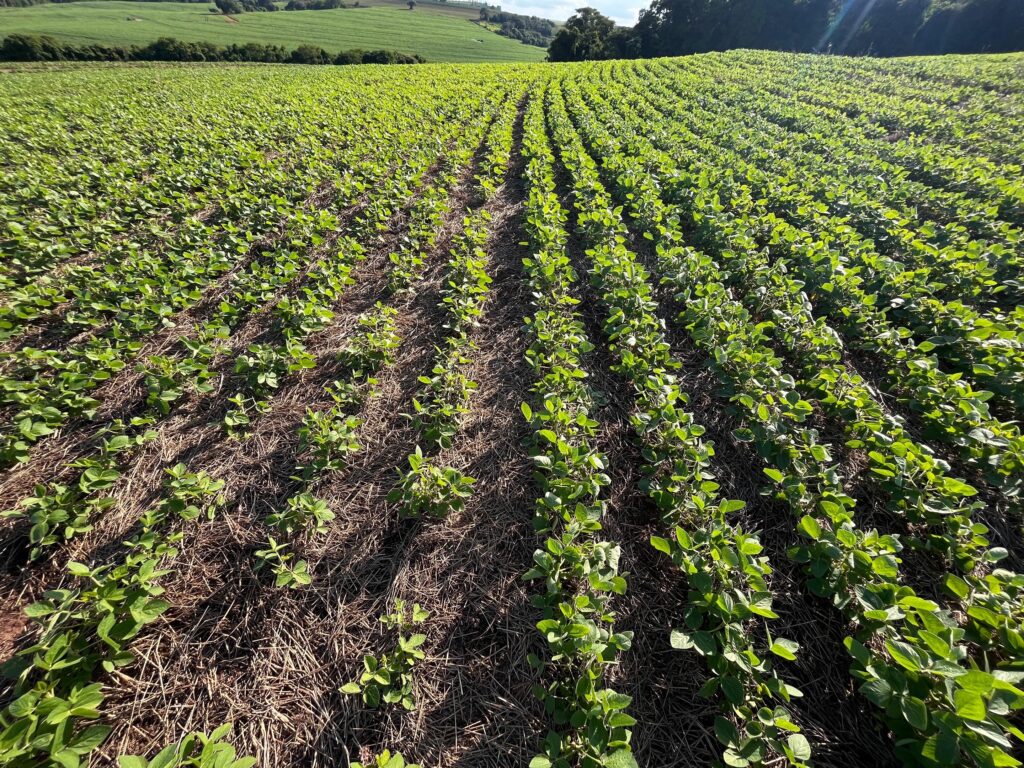
Syngenta combines 250 years of agricultural science with AI-driven innovation to help farmers overcome evolving challenges. As a global leader in crop protection and Seedcare™, Syngenta develops breakthrough technologies like TYMIRIUM® and VICTRATO® to improve yield, resilience, and sustainability. Through advanced R&D, seed genetics, and agronomic expertise, Syngenta delivers trusted solutions that support farmers, strengthen food systems, and drive long-term agricultural productivity worldwide.
Colombia promueve el uso de semillas legales en arroz, maíz, algodón y sorgo
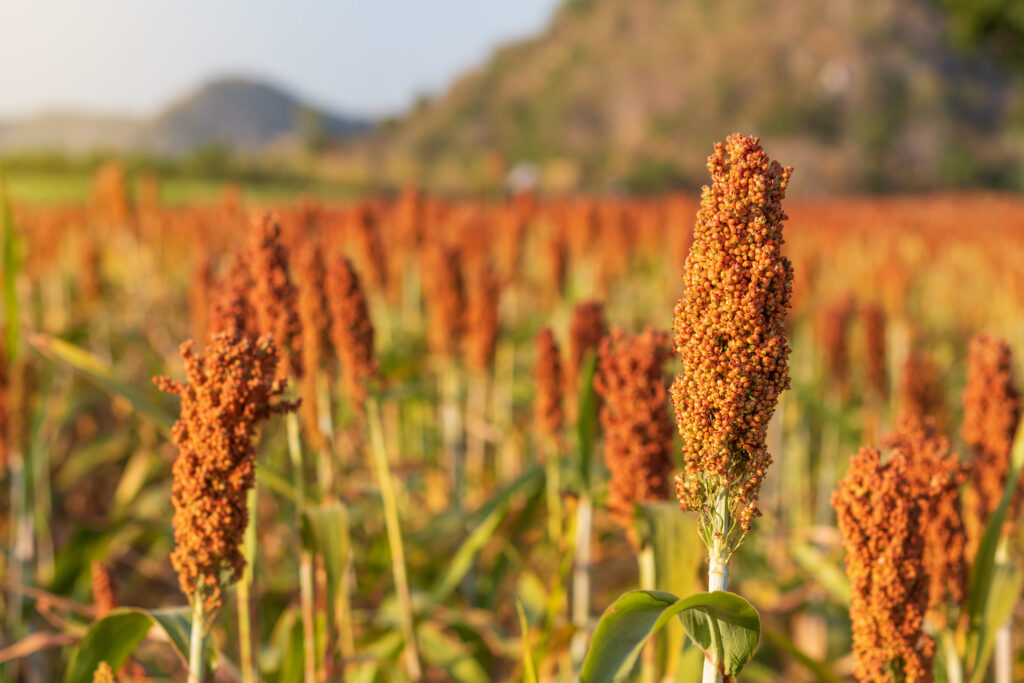
El ICA y Acosemillas instaron a los agricultores colombianos a utilizar semillas autorizadas en cultivos de arroz, maíz, algodón y sorgo. Según las entidades, la semilla certificada puede aumentar los rendimientos hasta en un 40%, reducir riesgos fitosanitarios y fortalecer la seguridad alimentaria. La campaña también destaca la compra legal de semillas, la adaptación climática y el cumplimiento de la Resolución ICA 15141 de 2024.
Loss of Pollinators Threatens Crop Yields and Human Nutrition Worldwide
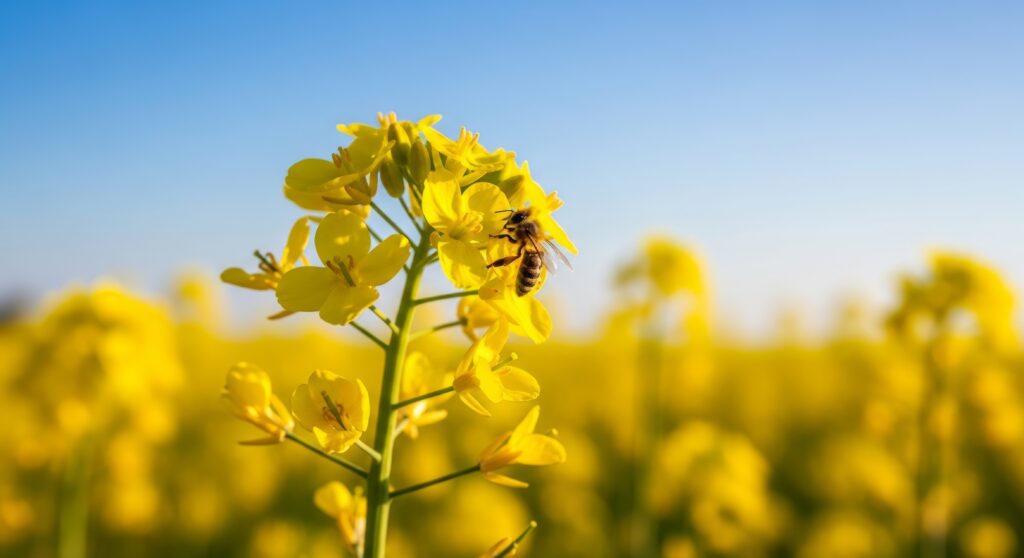
New University of Bristol research published in Nature finds that pollinator decline threatens crop production, human nutrition and farm incomes. Studying smallholder farms in Nepal, researchers found pollinators support 44% of farming income and more than 20% of key vitamin intake, highlighting the need for pollinator-friendly farming to protect food security and livelihoods.
John Barlow on the Fight to Save Canada’s Ag Research Facilities

The vice chair of the House agriculture committee says witness testimony made it clear: research facility closures would have lasting impacts on Canadian agriculture
¿Qué barreras obstaculizan el desarrollo del liderazgo femenino?

Las mujeres siguen poco representadas en puestos de alta dirección pese a sus logros educativos. Este artículo analiza cómo la confianza, la ambición y la disposición a postularse sin cumplir todos los requisitos impulsan el avance profesional. También destaca la importancia de buscar oportunidades de liderazgo con decisión, visión clara y capacidad para dirigir equipos.
What It Takes For Women To Lead

Women remain underrepresented in senior leadership despite strong educational achievement. This article explores how confidence, ambition and willingness to apply before meeting every qualification can shape career advancement. It highlights why women must pursue leadership opportunities decisively, build vision and lead teams confidently to close the gender gap in executive roles.
NordPheno Boosts Nordic Crop Breeding

Representatives from eight leading Nordic research institutions gathered at the University of Helsinki in late March to officially launch NordPheno, the Nordic Research Infrastructure Hub for Digital Plant Phenotyping. The […]
Reversing AAFC Cuts Could Buy Time — But Canada Still Needs Breeding Reform
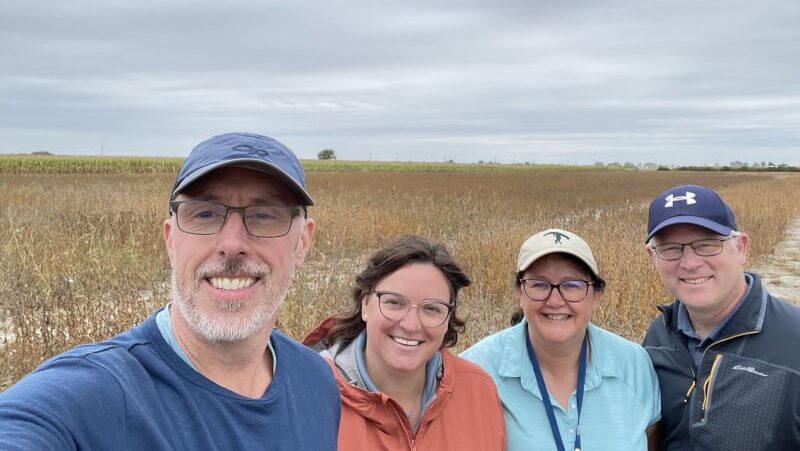
Preserving research infrastructure alone won’t solve the deeper challenges facing Canadian agricultural innovation
Plant Breeders’ Rights Reform Signals New Era for Canadian Horticulture
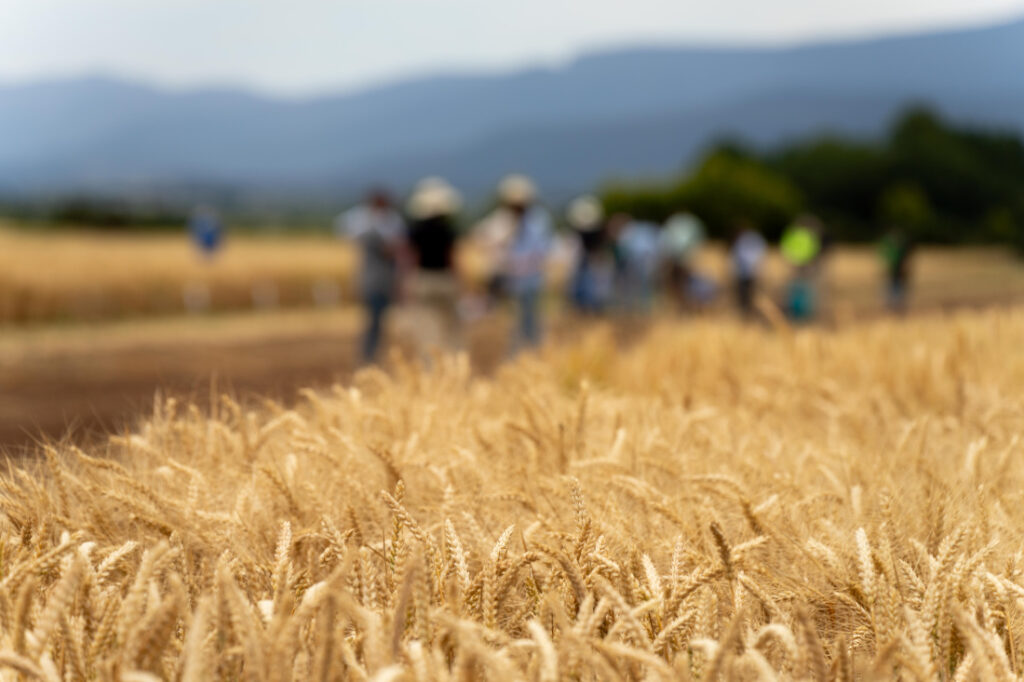
Supporters say stronger IP protections will fuel breeding innovation and competitiveness. Canada is moving to modernize its Plant Breeders’ Rights (PBR) framework in a bid to strengthen agricultural innovation, attract […]
Western Canada Wheat and Barley Breeding Groups Unveil New Vision for Innovation
Industry leaders, universities and producer organizations say Canada’s wheat and barley breeding system is at an “inflection point”
NAPB 2026 Puts Spotlight on Cotton Breeding and Fiber Quality Advances
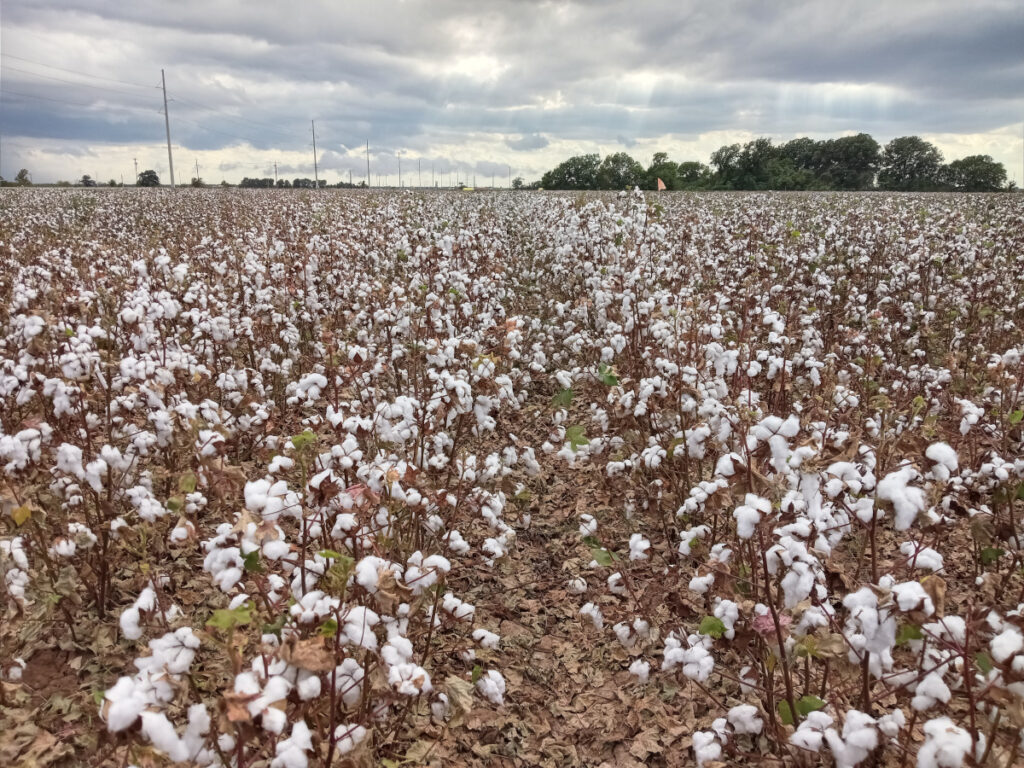
From vortex spinning challenges to field tours, this year’s meeting explores how breeders are improving cotton to compete globally
Canadian Parliament Urges Reversal of Agricultural Research Centre Closures

A new parliamentary report warns that planned closures of federal agricultural research centres could weaken Canada’s long-term agricultural innovation capacity
Agri-Food Leaders Call for Stronger EU Innovation Funding

Five European Technology Platforms and nine agri-food organisations are urging EU policymakers to recognise agriculture, aquaculture and food systems as strategic priorities in the European Competitiveness Fund and Horizon Europe. The groups call for dedicated agri-food research funding, stronger stakeholder representation and greater support for innovation tied to food security, sustainability and EU competitiveness.
Navigating the 5 C’s for Field Success: What it Takes for Biologicals to Deliver
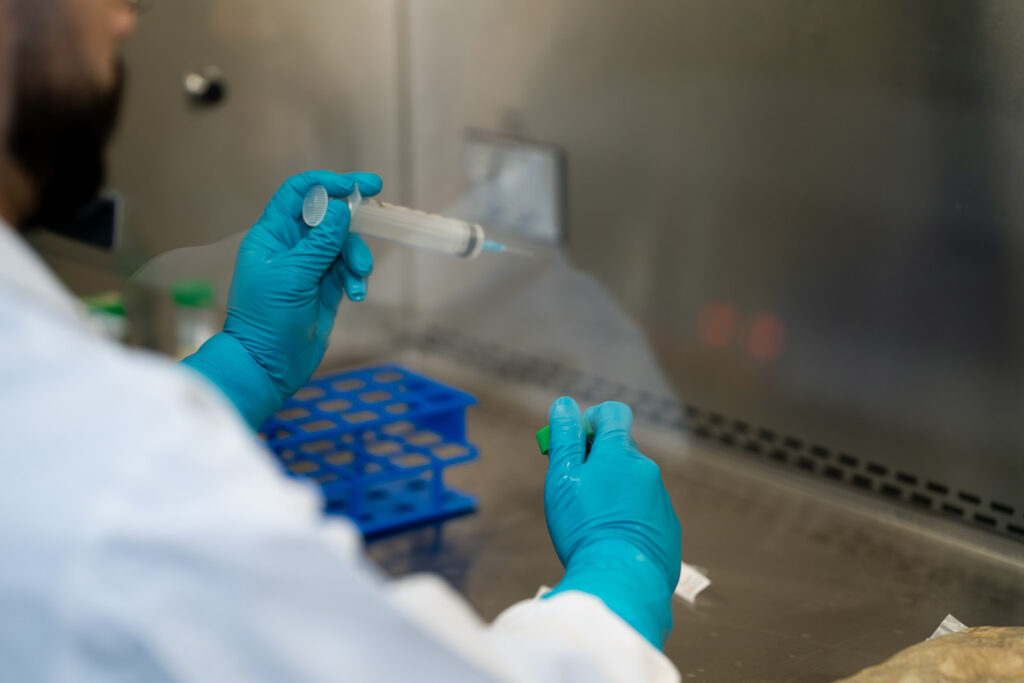
Biologicals can deliver consistent field performance when discovered through real-world microbial ecology, not lab traits alone. Jord BioScience’s ecology-driven approach selects resilient microbes that survive, compete, collaborate and perform across challenging soils. With strong emergence, improved vigor and 70-85% win rates, Jord helps seed companies and growers build reliable biological seed treatment solutions.
Independent Seed, National Impact | On the Brink Season 1: Episode 9

A national survey of 200 independent seed businesses reveals the sector represents $1.7 billion in infrastructure, 3,000 rural jobs, and a near-total dependence on public plant breeding to survive. Justin Funk makes the economic case that policymakers can no longer treat these as separate conversations.
Global Markets Tighten Their Grip on Seed Strategy
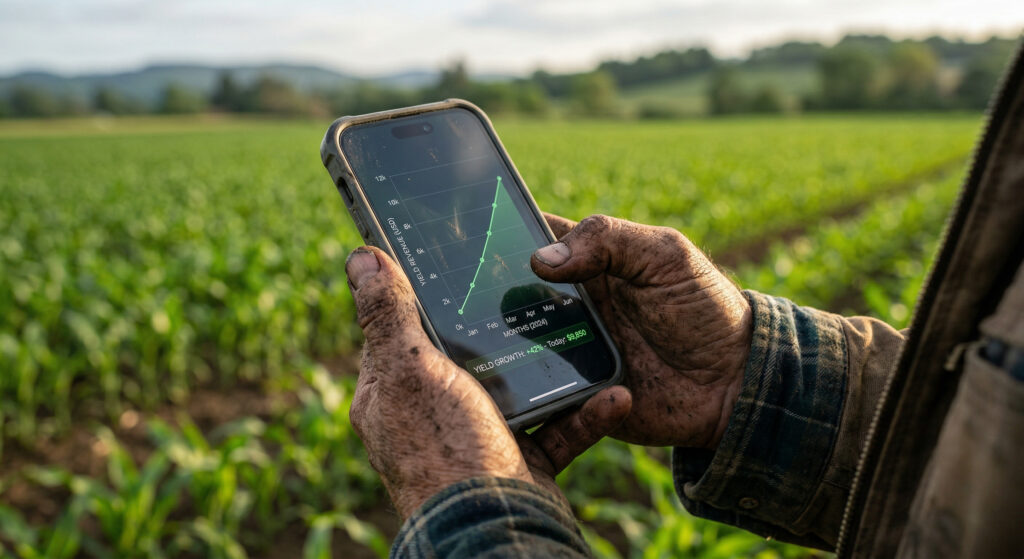
Global market volatility is reshaping seed strategy, from trade to input costs. What seed companies need to watch in 2026 and beyond.