Yield still matters. Disease resistance still matters. But across multiple presentations at this year’s National Association of Plant Breeders meeting, another priority kept rising to the surface: nutrition.
When most people think about plant breeding, they think about agriculture, science and farmers. And they are not wrong.
For generations, breeders have focused on helping farmers produce more food, manage risk and remain profitable in increasingly difficult growing environments. That mission hasn’t changed.
But after a few days at my first National Association of Plant Breeders (NAPB) annual meeting at Texas A&M University, I noticed another theme quietly weaving its way through presentation after presentation: human health.
They weren’t suggesting it as a replacement for traditional breeding priorities, but as an expansion of them.
USDA Under Secretary Scott Hutchins challenged attendees to think beyond the farm gate and consider agriculture’s role in improving human health and strengthening food systems.
Researchers discussed opportunities to enhance nutritional compounds in crops like sorghum.
Other presentations explored how consumer priorities are evolving and how breeding programs may increasingly need to account for the people eating food, not just the people growing it.
Together, those conversations painted a bigger picture.
For decades, the industry has measured success largely through yield, disease resistance, stress tolerance and agronomic performance.
Those metrics aren’t going anywhere. But another question is emerging alongside them. Can plant breeders also help improve the nutritional quality of our food? It’s a complicated challenge.
Consumers don’t always understand the work plant breeders do. Nutritional improvements are often harder to measure than yield gains. Market signals can be inconsistent.
Yet the opportunity is enormous. Agriculture sits at the intersection of food production and human health whether we acknowledge it or not.
I think that’s why this theme felt so significant. Nobody stood at the podium arguing that breeders should abandon their traditional priorities. Instead, speaker after speaker suggested something more nuanced. The industry may need to widen its lens.
Plant breeders have always thought years into the future. That’s part of the profession. Now the future they’re being asked to imagine may be even bigger.
Not simply healthier plants; healthier people, too.
As I left this year’s NAPB meeting, that may have been my biggest takeaway. Plant breeding is no longer just a conversation about the next acre. Increasingly; it’s becoming a broader conversation about the next generation.
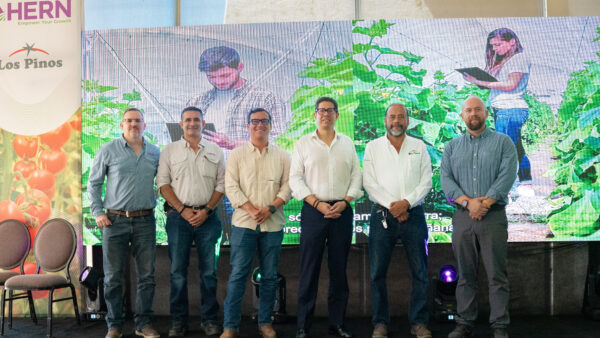
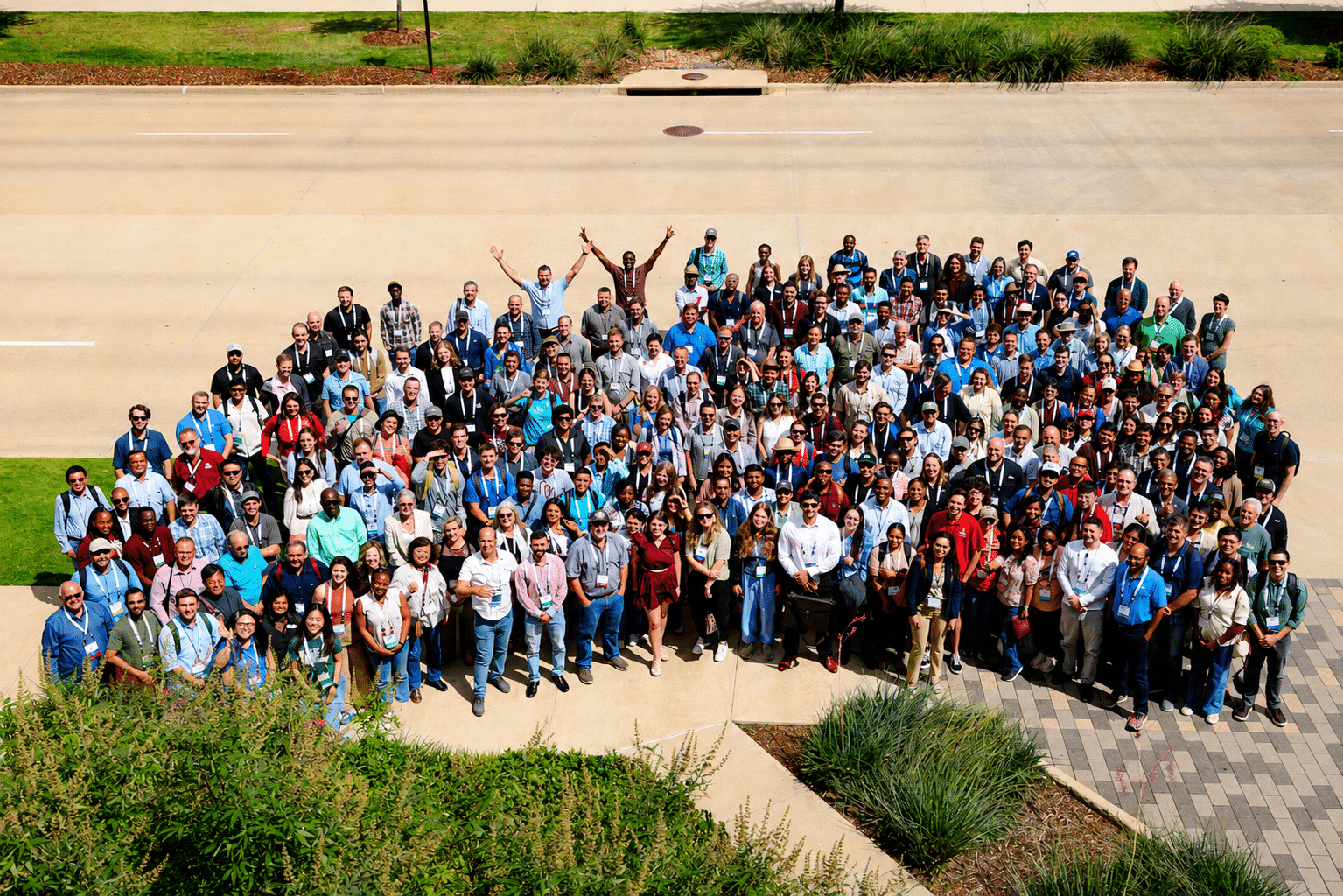
P.S. Can you find me in that group photo? First person who does gets a shoutout on LinkedIn!