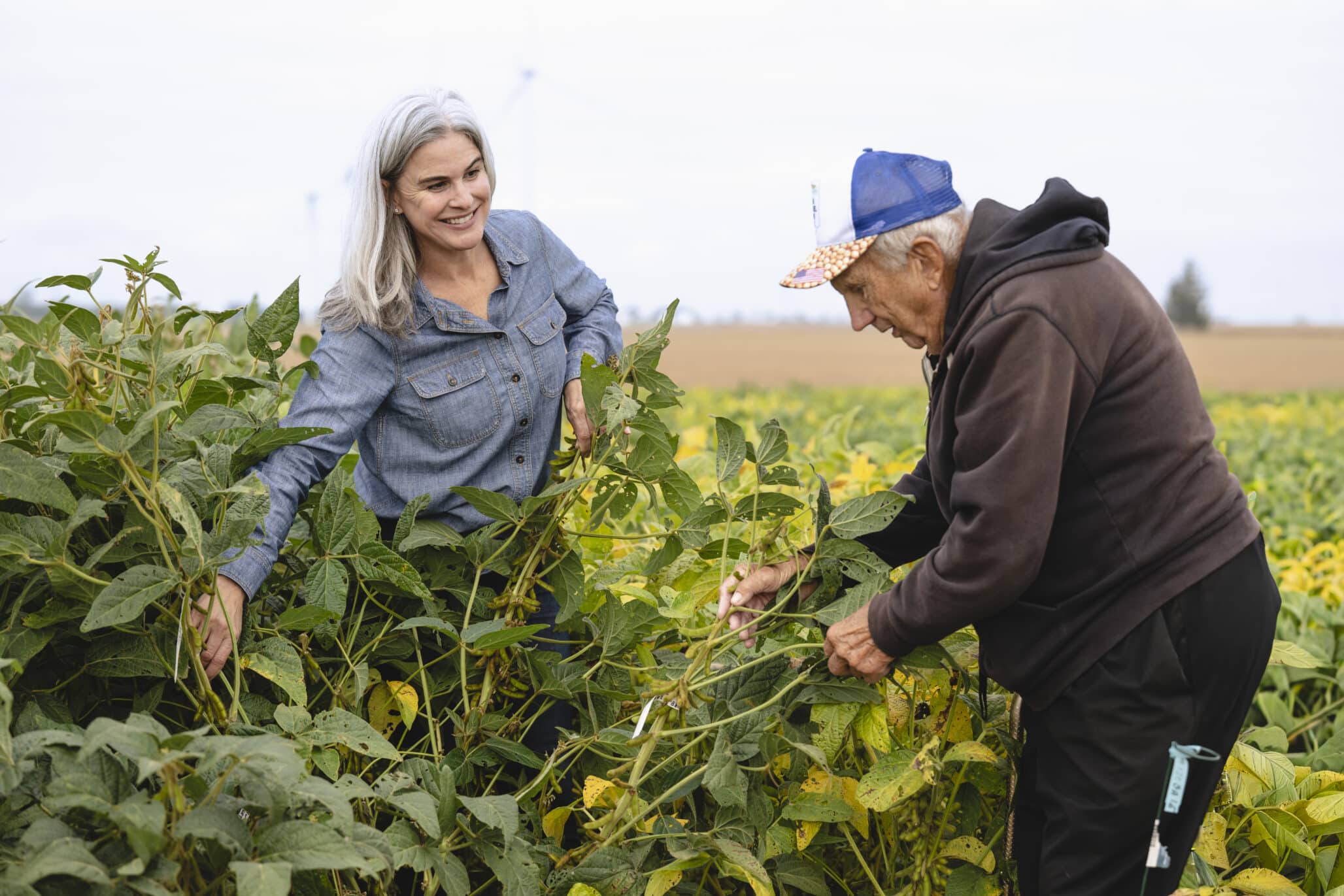
Built over nearly four decades, a unique soybean germplasm collection offers researchers and seed companies new opportunities to explore genetic diversity and pursue the next leap in yield potential.
For soybean breeders, the race for higher yields never stops.
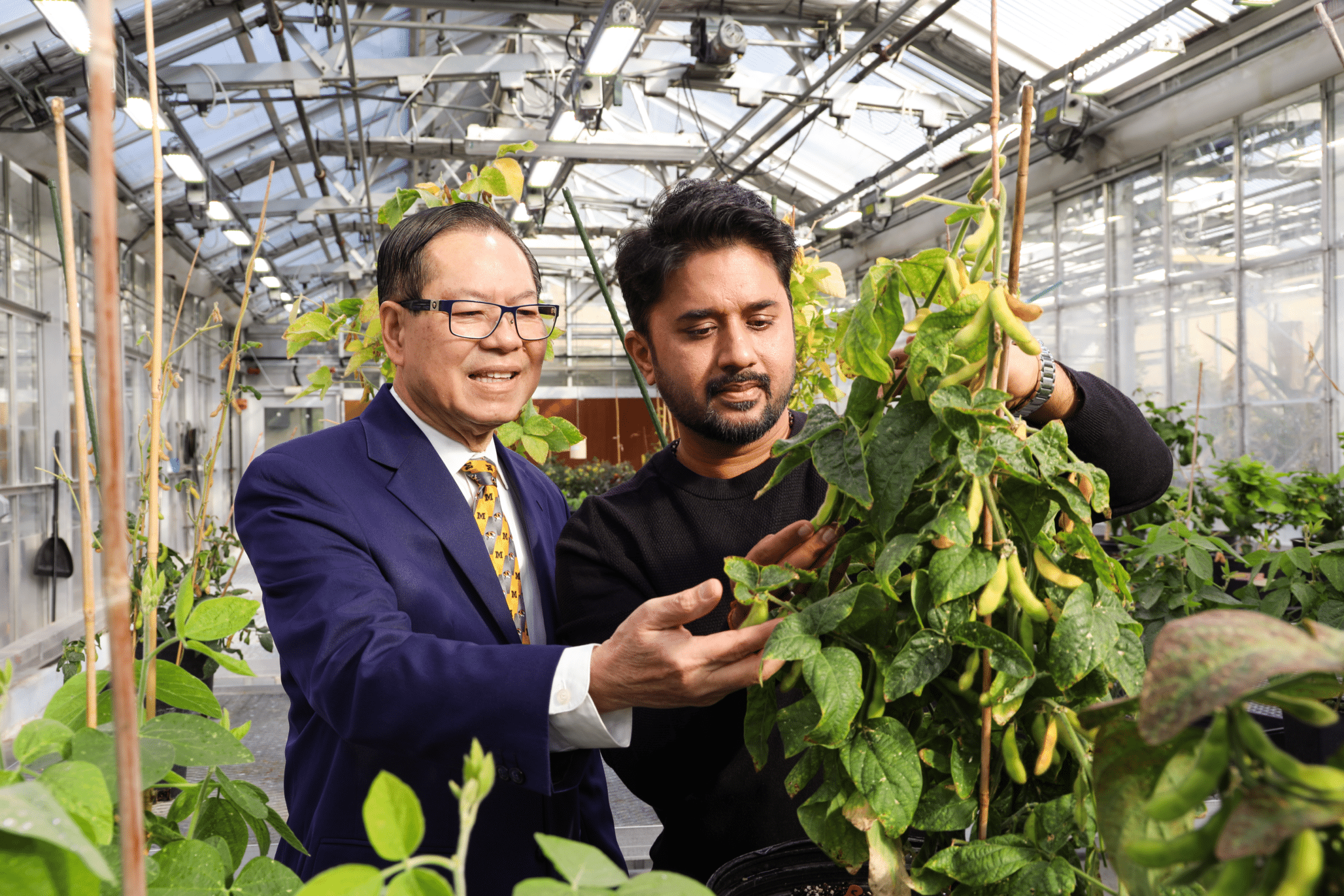
Each season brings new varieties, tighter competition and increasing pressure to squeeze more performance from a crop whose genetic gains have become progressively harder to achieve. That reality helps explain the excitement surrounding the KenAvis soybean germplasm collection, a body of work developed over nearly 40 years by breeder Bob Taylor and recently acquired by Purdue University.
For the seed industry, the significance extends beyond a single collection. It raises a broader question: Where will the next major gains in soybean yield come from?
“I think it is safe to say that soybean breeding organizations have their faces against the windshield competing on yield gains,” says Katy Martin Rainey, director of the Purdue Soybean Center. “Diversity is the gas for that engine.”
A Different Kind of Genetic Diversity
Modern soybean breeding programs have delivered remarkable progress, but decades of selection can also narrow the range of genetic variation available to breeders.
The KenAvis collection stands out because it appears to have followed a different path.
“This material has had the deck shuffled on the soybean genomes in many unique ways,” Rainey says.
The collection reflects Taylors’ long-term focus on identifying and selecting traits associated with yield potential.
“Bob spent nearly four decades selecting for specific characteristics that contribute to high yield and you can see that when you look at his nursery,” says Craig Anderson, CEO of Ag Alumni Seed.
Rather than representing a single breakthrough trait, the collection contains a wide range of unique plant types and genetic combinations that may provide new opportunities for breeders to explore.
Searching for the Next Yield Advantage
Researchers are still in the early stages of evaluating the material, but several characteristics have already captured their attention.
“This is hard to answer, as 2026 will provide the first multi-environment trial data for this material against checks in a couple decades,” Rainey says. “In 2025, the novelty of KenAvis was evident to everyone.”
Among the traits she finds particularly interesting are plants with multiple racemes combined with shorter internodes. Researchers have also identified lines with large numbers of four-seeded pods across a range of seed sizes.
Those traits may sound subtle, but yield is often determined by a series of small advantages that work together. The challenge will be determining whether those characteristics consistently translate into improved performance across environments.
From Interesting Genetics to Commercial Products
Discovering unusual traits is one thing. Turning them into commercially successful soybean varieties is another.
“To some extent we just have to roll the dice on this question,” Rainey says. “No doubt it will be challenging. Prioritizing with limited resources will be crucial.”
That uncertainty is familiar throughout the seed industry. Breeding programs routinely identify promising characteristics that perform well in limited testing but fail to deliver consistent value when exposed to diverse environments and production systems.
The coming years of evaluation will help determine which traits deserve further investment and which may have limited commercial potential.
Rethinking How Soybeans Build Yield
One of the most intriguing aspects of the collection centers on a theory Taylor pursued throughout his breeding work.
According to Anderson, Taylor believed modern soybean production often depends on relatively high plant populations to maximize yield potential.
“One of Bob’s theories was that current beans require high-density planting to optimize yield,” Anderson says. “His idea was to focus on extremely high pod counts on lower population. This may be an alternative approach to yield with lower inputs.”
If that concept proves successful, it could offer breeders a different pathway to productivity. Instead of relying solely on traditional approaches, future varieties could potentially achieve higher yields through changes in plant architecture and pod production.
Researchers caution that extensive testing remains ahead, but the collection offers a rare opportunity to evaluate those ideas in a structured breeding program.
Opportunities Across the Seed Industry
The acquisition also creates an unusual situation for the seed sector.
The germplasm remains proprietary, but ownership now resides within a land-grant university that routinely collaborates with public and private partners.
“This is an excellent question,” Rainey says. “The KenAvis collection is proprietary germplasm and the ownership has been transferred to a land-grant university.”
That combination could create opportunities for collaboration across the soybean value chain.
“At Purdue, we have the freedom and mandate to work with many partners at all scales,” Rainey says. “I look forward to working with the majors, independents and start-ups, as well as my public scientist colleagues to maximize value and discovery from the collection.”
For independent seed companies, that possibility may be especially significant. Access to new sources of genetic variation can help smaller breeding programs differentiate products and pursue niche opportunities that might otherwise remain out of reach.
The Long-Game Importance
While questions remain about the collection’s long-term commercial value, both Rainey and Anderson believe the seed industry should pay attention.
“There is a lot of variation for value-added markets,” Rainey says.
Anderson sees opportunity as well.
“This is a chance to expand the options seed companies can offer growers,” he says.
Whether the KenAvis collection ultimately produces a breakthrough variety remains to be seen. What is already clear is that it represents something increasingly valuable in modern crop breeding: genuinely different genetics.
For an industry continually searching for the next yield advantage, a fresh deck of cards may be worth exploring.