
3D-Printed Technology Sheds Light on Fungal Highways in Wheat Crops

Researchers developed low-cost 3D-printed devices to study bacterial movement along fungal “highways” in soil and plants. Created by Rothamsted Research and collaborators, the scalable platform reveals how fungal networks transport bacteria under varying conditions, improving understanding of microbial communities, wheat disease interactions, sustainable crop protection and microbiome-based agricultural solutions.
How Uncertainty Around Nitrogen Rates Could Cost Corn Farmers Millions
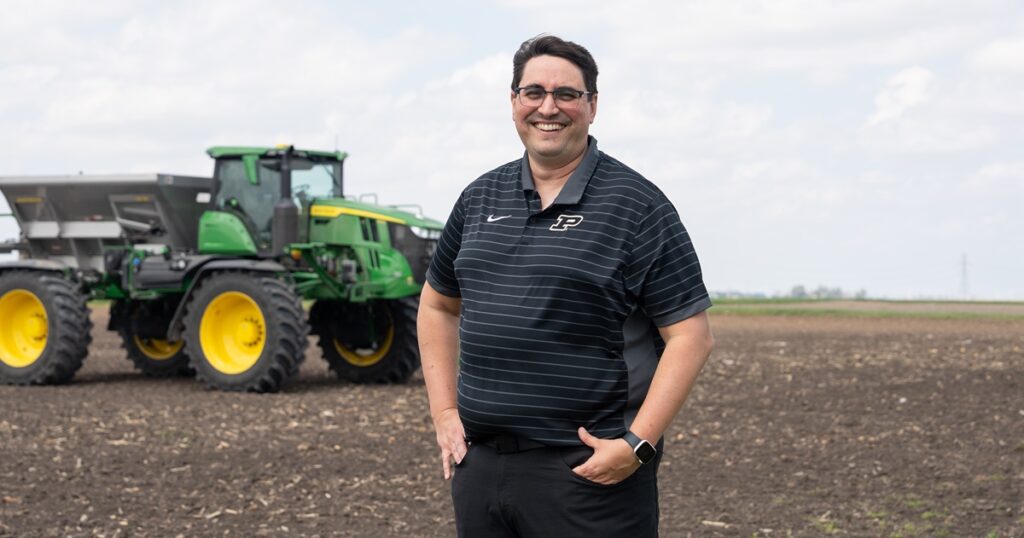
Purdue researchers say accounting for nitrogen fertilizer uncertainty could improve corn profitability while reducing environmental impacts and input costs.
European Commission Proposes Fertiliser Action Plan for Farmers
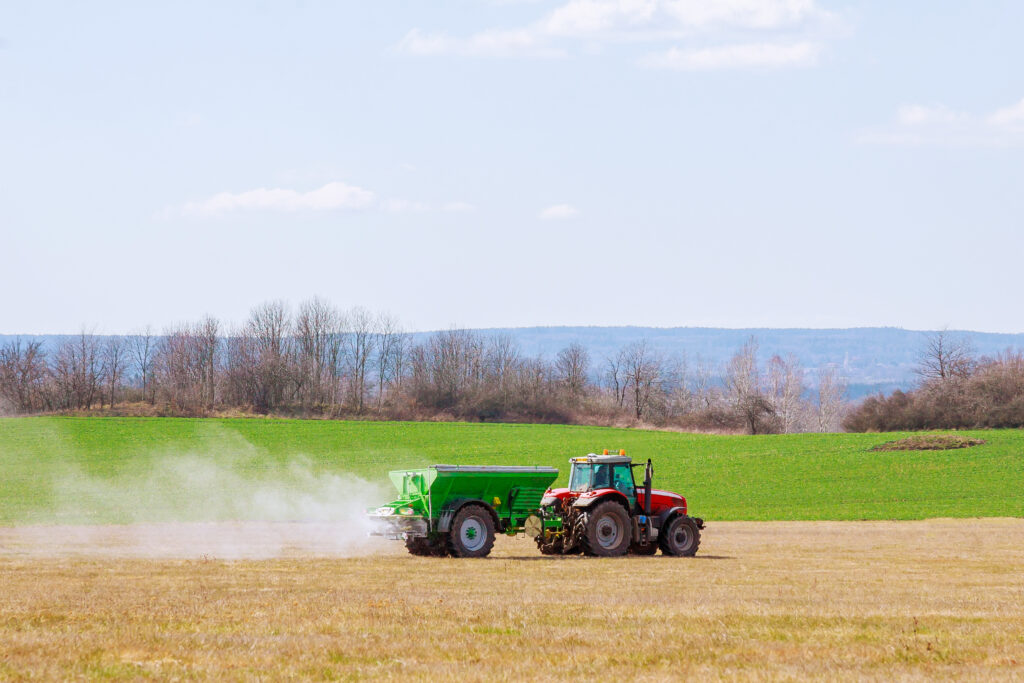
The European Commission has proposed a fertiliser action plan to support farmers, boost domestic production and improve Europe’s food security.
Euroseeds 2026 Preview: Policy, Innovation & Global Stakes

Euroseeds Congress 2026 in Valencia will spotlight EU policy, innovation, global seed regions and the future of the industry.
Can Canada Talk Food Security While Cutting Agricultural Research?

At a time when Ottawa continues to talk about economic resilience and nation-building, dismantling agricultural research infrastructure may send the opposite signal
Why Plant Breeding Persistence Matters in Seeds
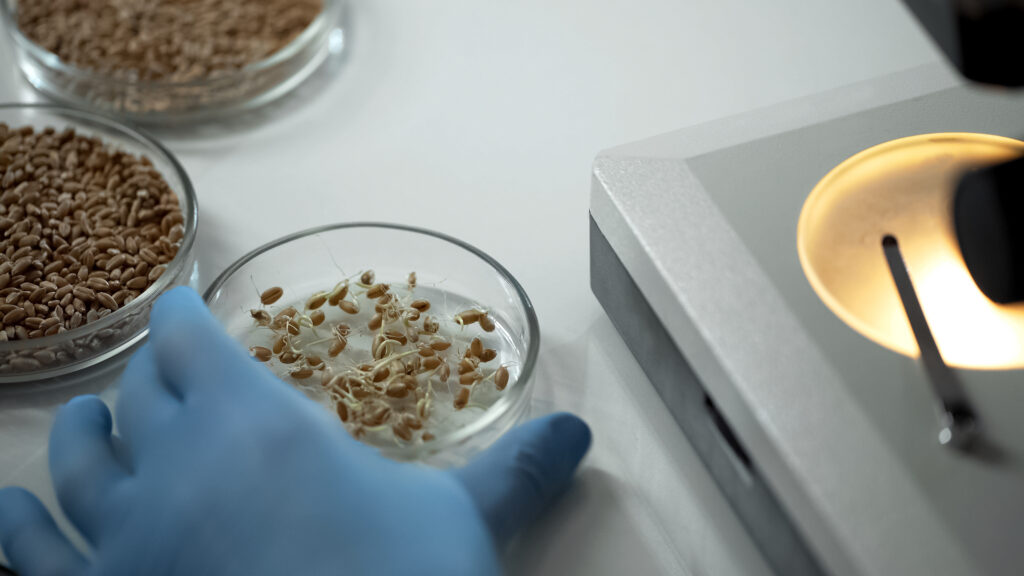
Plant breeding requires patience, discipline and long-term learning to develop better varieties and stronger seed sector leadership.
The Benefits of Upgrading Seed Processing Screening Equipment
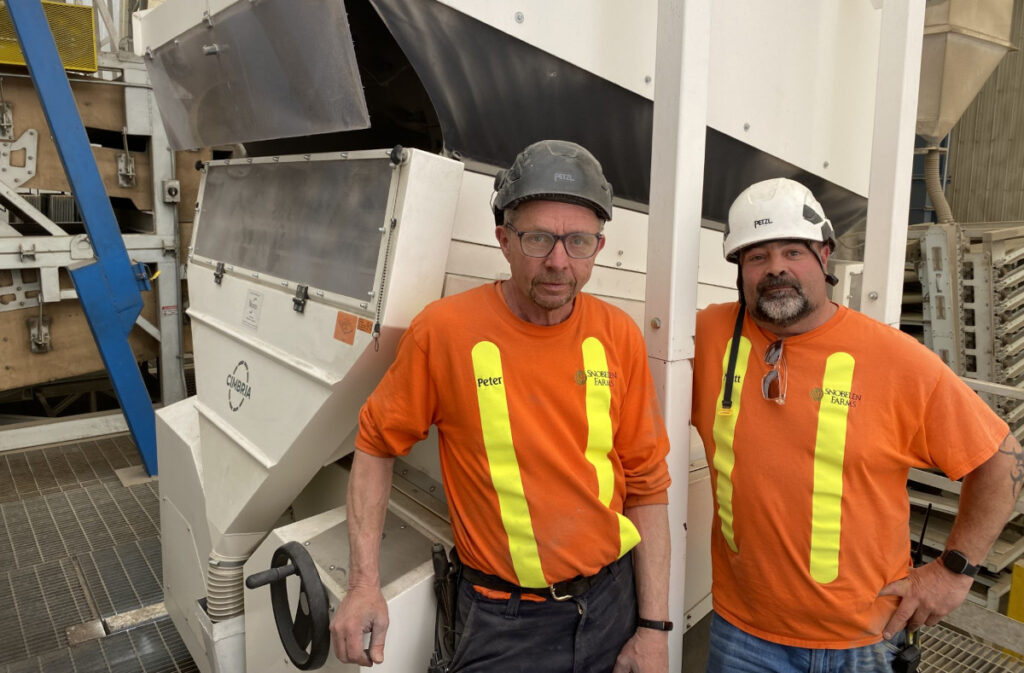
You can tell a lot about a processing plant by watching the operators. If they’re constantly adjusting equipment, something isn’t working the way it should
USDA Extends Deregulation to New Pioneer Corn Variety Following APHIS Review

USDA APHIS has extended deregulation to Pioneer’s DP51291 corn variety following a plant pest risk review and completed public comment process.
PBR: Canada’s Hidden Innovation Engine | On The Brink: Season 2 – Episode 3
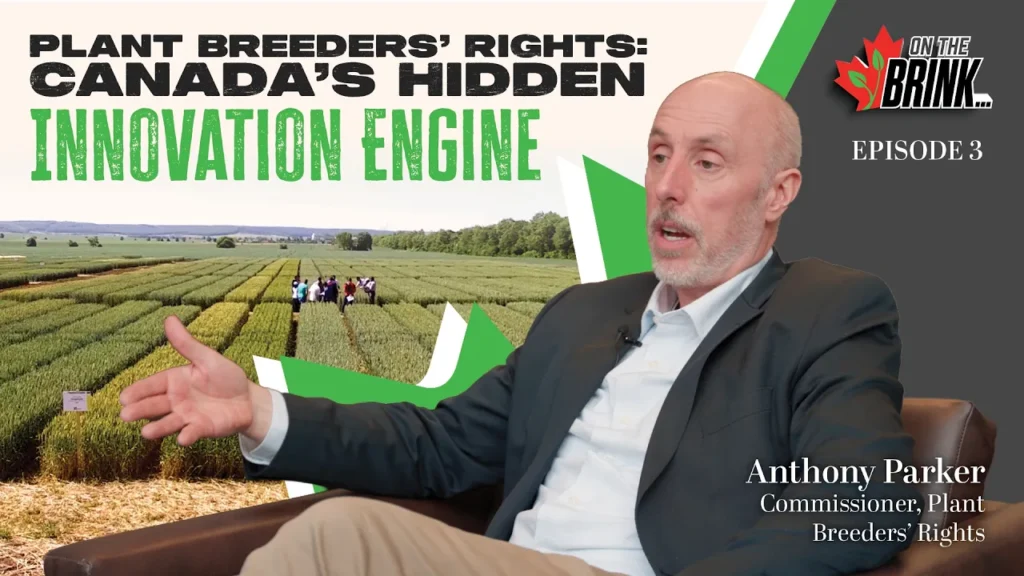
Anthony Parker, Canada’s Commissioner of Plant Breeders’ Rights, explains why PBR filings in cereals have declined for three years running — and what a made-in-Canada solution to the funding gap needs to include.
AI Model Predicts Tomato Virus Severity With 100% Accuracy
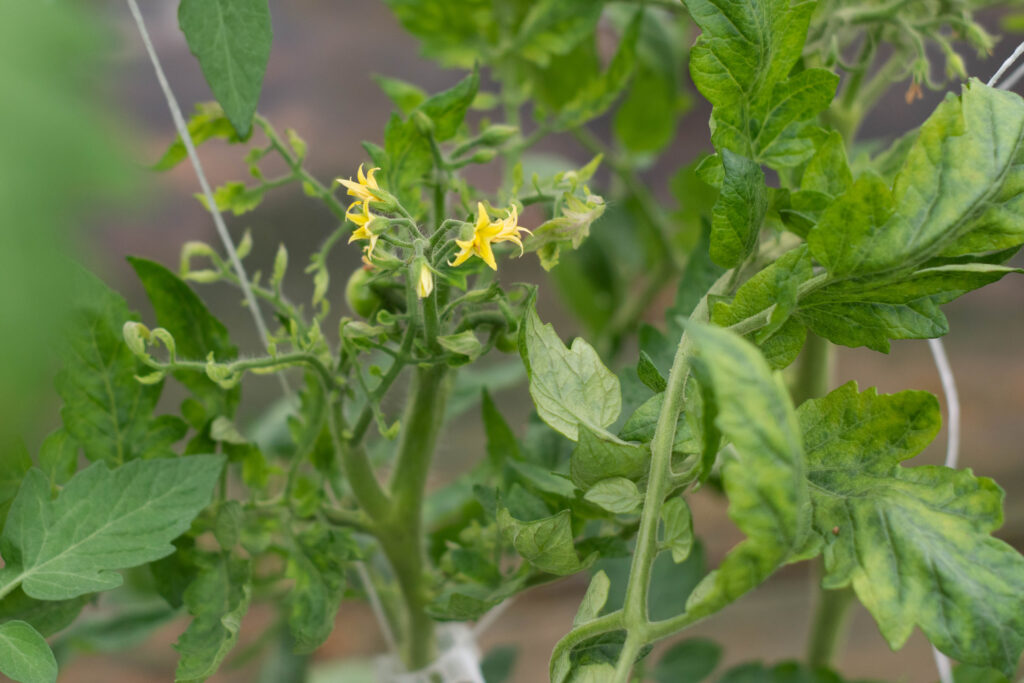
DeepTYLCV, developed at Sungkyunkwan University, uses artificial intelligence and viral genome sequence data to predict tomato yellow leaf curl virus virulence. Published in Plant Communications, the model identifies mild and severe TYLCV strains before field symptoms appear, supporting early disease surveillance, resistance breeding, precision agriculture and improved tomato crop protection worldwide.
The Million-Dollar Question Facing Canadian Plant Breeding

Seeds Canada argues stronger breeder protections are needed to ensure innovators see a return on investment and continue bringing new genetics to market
They Went on Vacation and Bought a Seed Company?! | The Fusion Seed Story

While on vacation in Hawaii, Chad and Sherry Goldsmith made a life-changing decision to buy a seed company. That leap became Fusion Seeds.
New Discovery Reveals How Crops Detect Stress and Disease
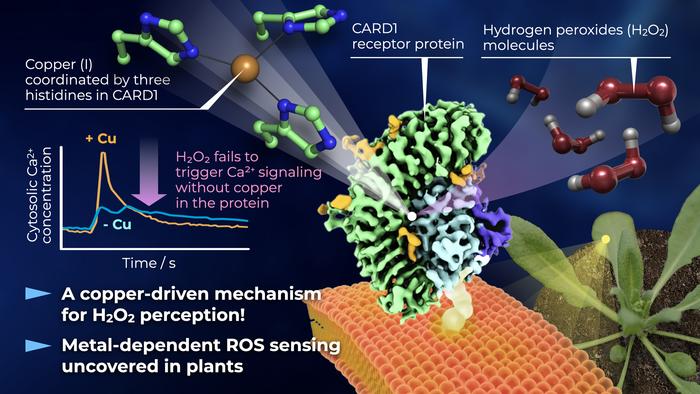
Researchers in Japan have discovered a copper-dependent hydrogen peroxide sensing system in plants, reshaping understanding of crop stress signaling and immunity. Published in Nature Communications, the study shows CARD1/HPCA1 detects H₂O₂ through metal-based redox chemistry, offering new insights for breeding or engineering crops with stronger disease resistance, stress tolerance and climate resilience.
WSC26: The Race for Faster Seed Innovation is Driving Companies to Chile
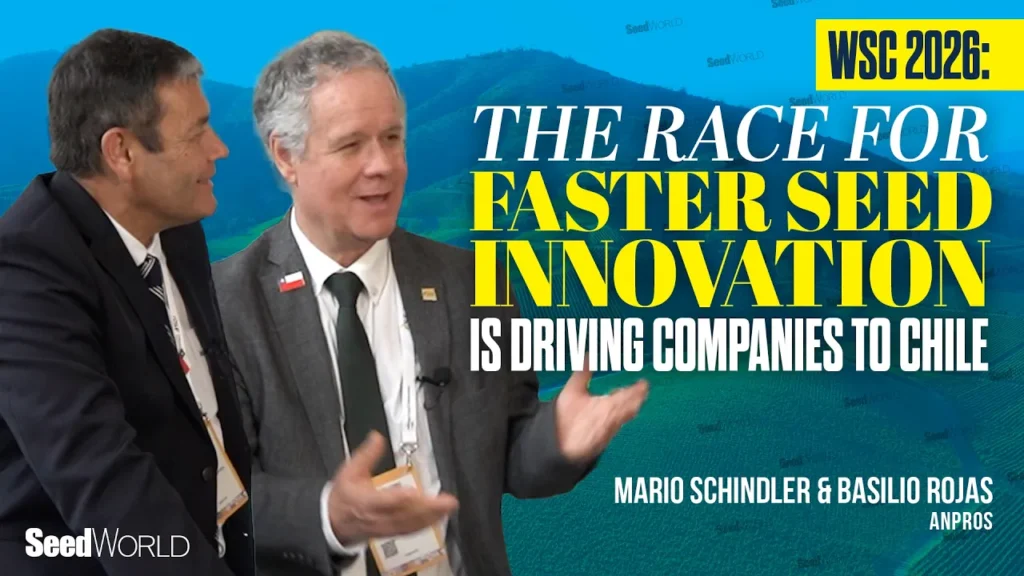
In today’s seed sector, speed is a critical competitive advantage. Chile is increasingly positioning itself as a key facilitator in that race. At World Seed Congress 2026 in Lisbon, ANPROS […]
Remembering Seedsmen Who Served
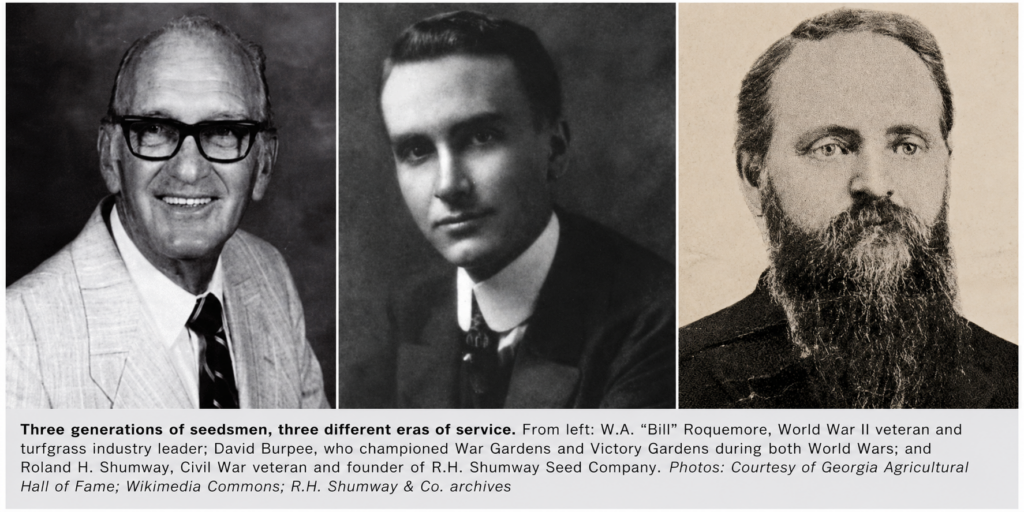
From the Civil War to World War II, these seedsmen helped shape American agriculture seed after military service.
Michael Keller Honored with Global Unity Award in Lisbon
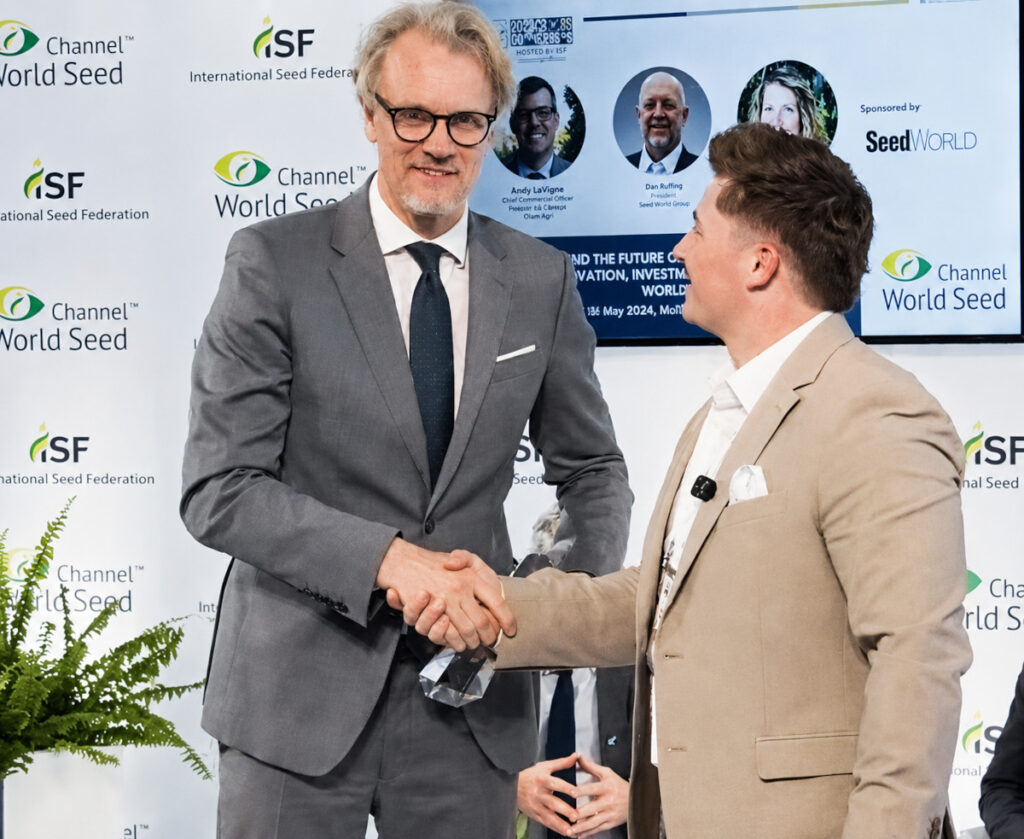
Michael Keller, Secretary General of the International Seed Federation, received Seed World Group’s 2025 Global Unity Award at World Seed Congress in Lisbon. The award recognizes Keller’s leadership, collaboration, and global influence in connecting seed associations, companies, policymakers, and food system stakeholders while strengthening international cooperation across the seed sector.
Michael Keller Honoured with Global Unity Award in Lisbon
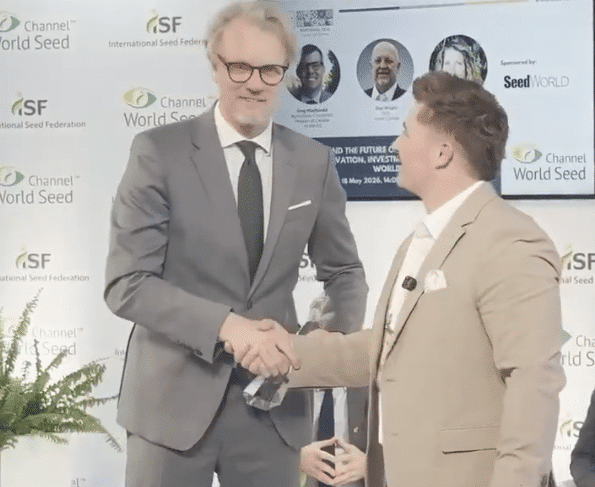
Michael Keller, Secretary General of the International Seed Federation, received Seed World Group’s 2025 Global Unity Award at World Seed Congress in Lisbon. The award recognizes Keller’s leadership, collaboration, and global influence in connecting seed associations, companies, policymakers, and food system stakeholders while strengthening international cooperation across the seed sector.
WSC26: Seed’s Future Depends on Food System Thinking
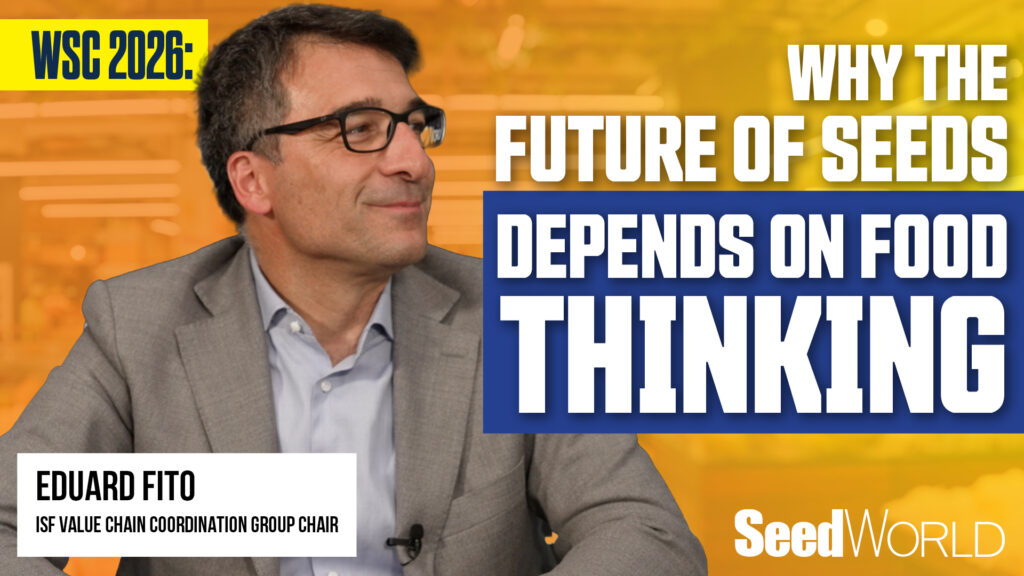
World Seed Congress 2026 in Lisbon highlighted the seed sector’s growing role in global food systems. ISF Value Chain Coordination Group Chair Eduard Fito discusses sustainability, regulation, innovation, public trust, food security, and the need for stronger collaboration across agriculture, policymakers, food companies, and the wider value chain.
WSC26: ISF Secretary General on the Future of the Global Seed Sector

World Seed Congress 2026 in Lisbon united more than 1,800 delegates from 80 countries to address the future of agriculture. In an exclusive interview, ISF Secretary General Michael Keller discusses global seed sector collaboration, food security, innovation, intellectual property, seed movement, genetic resources, and resilient seed systems amid geopolitical uncertainty.
Seed World Announces Winner of €10,000 Advertising Prize

At this year’s World Seed Congress in Lisbon, Seed World invited the global seed community to answer one big question for a chance to win €10,000 in advertising: what’s one […]
Rothamsted Launches UK’s First Field Trial Under New PBO Rules
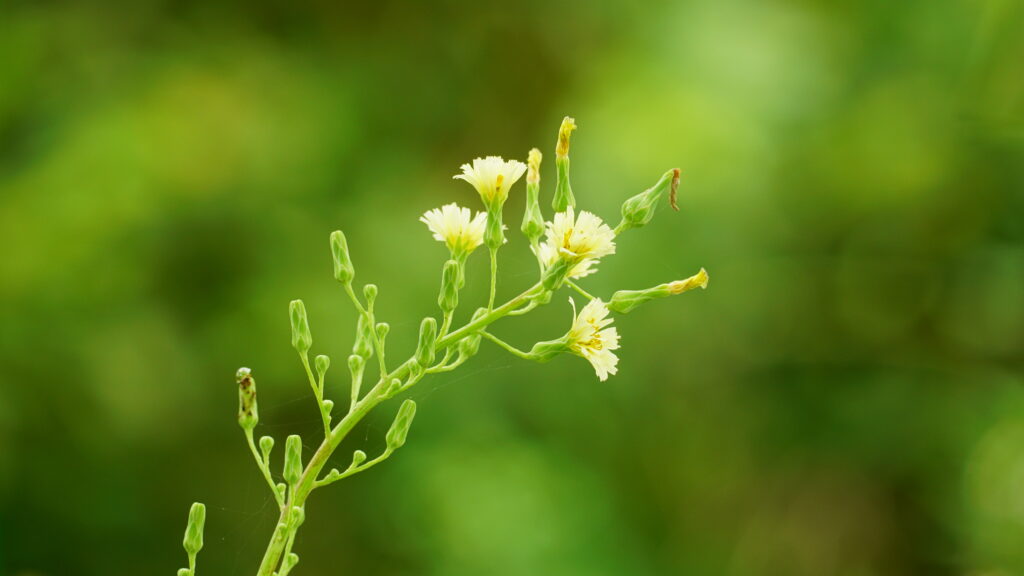
Rothamsted Research has planted the UK’s first crop under a Precision Bred Organism Release Notice, marking a milestone for gene-edited field trials. The CRISPR-Cas9 Camelina sativa trial will test increased seed size, yield and oil content, supporting future oilseed crop innovation, sustainable agriculture and potential applications for UK oilseed rape production.
European Commission Adopts Fertiliser Action Plan to Support Farmers and Strengthen EU Supply Security
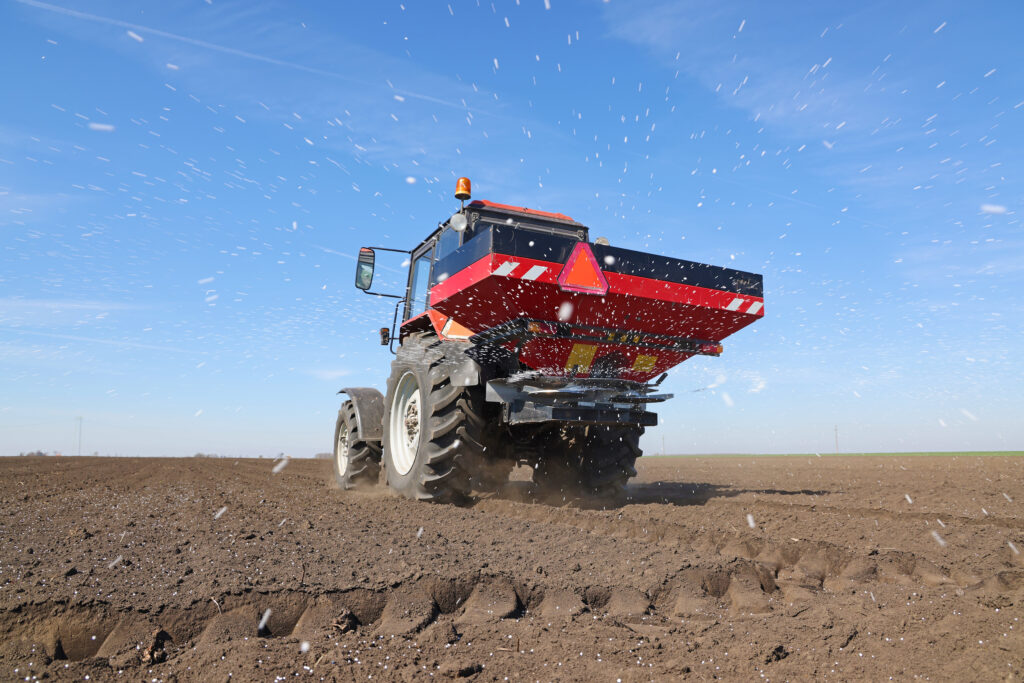
European Commission’s Fertiliser Action Plan aims to ease rising fertiliser costs, improve supply security, support farmers, and strengthen domestic production. The initiative promotes bio-based, low-carbon and circular fertilisers, while reducing import reliance. Measures include CAP flexibility, market monitoring, nutrient recovery, innovation funding and resilience tools to safeguard EU food security and sustainability.
The Inventory Question Every Seed Company Struggles to Answer

Seed inventory changes fast across field estimates, raw stock and bagged product. A live seed inventory system helps teams track inspections, processing losses, lab results, allocations and true availability to sell. With one shared view, seed companies can reduce overselling, avoid missed margin, improve customer trust and make confident sales decisions.
Concepts for Your Seeds
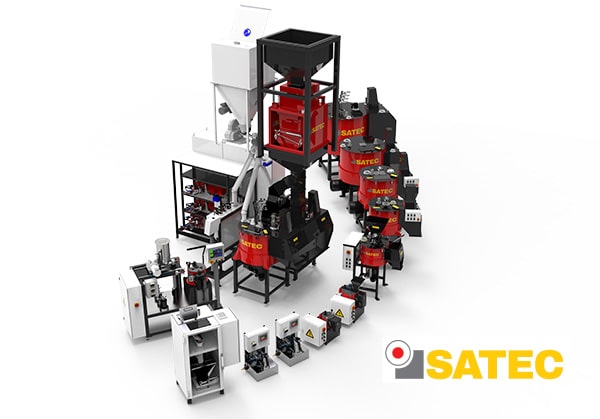
For more than 40 years, SATEC® has offered you the perfect combination of technique, chemicals and experience to treat your seeds, ensuring their high quality. You get specific and individual […]
Career Change Story: From Restaurant Work to Seed Industry Client Services in Canada

A first-person look at how hospitality experience helped shape a role in agricultural seed testing. I like to think I started at the other end of the story. Long before […]
A New Era of Farmer-Led Innovation is Emerging in Canada

From wheat breeding discussions to concerns about oat research sustainability, producers are becoming central voices in shaping the future of crop innovation
Why Canadian Farmers are Leading Discussions on a New Wheat Breeding Model
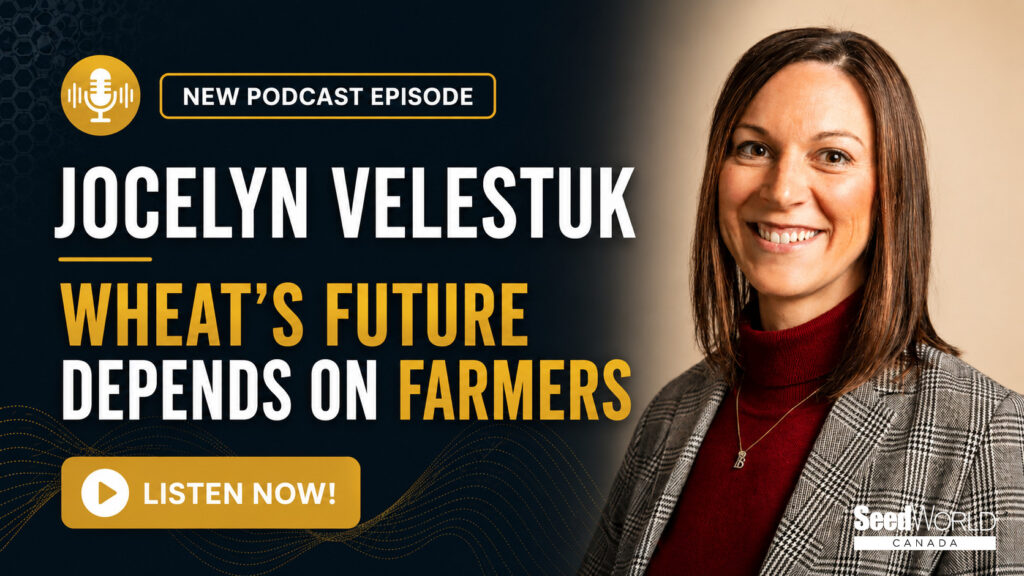
Jocelyn Velestuk says Canada’s wheat breeding system is at an “inflection point” as stakeholders look to create a stronger future for farmers and crop innovation
Concepts For Your Seeds
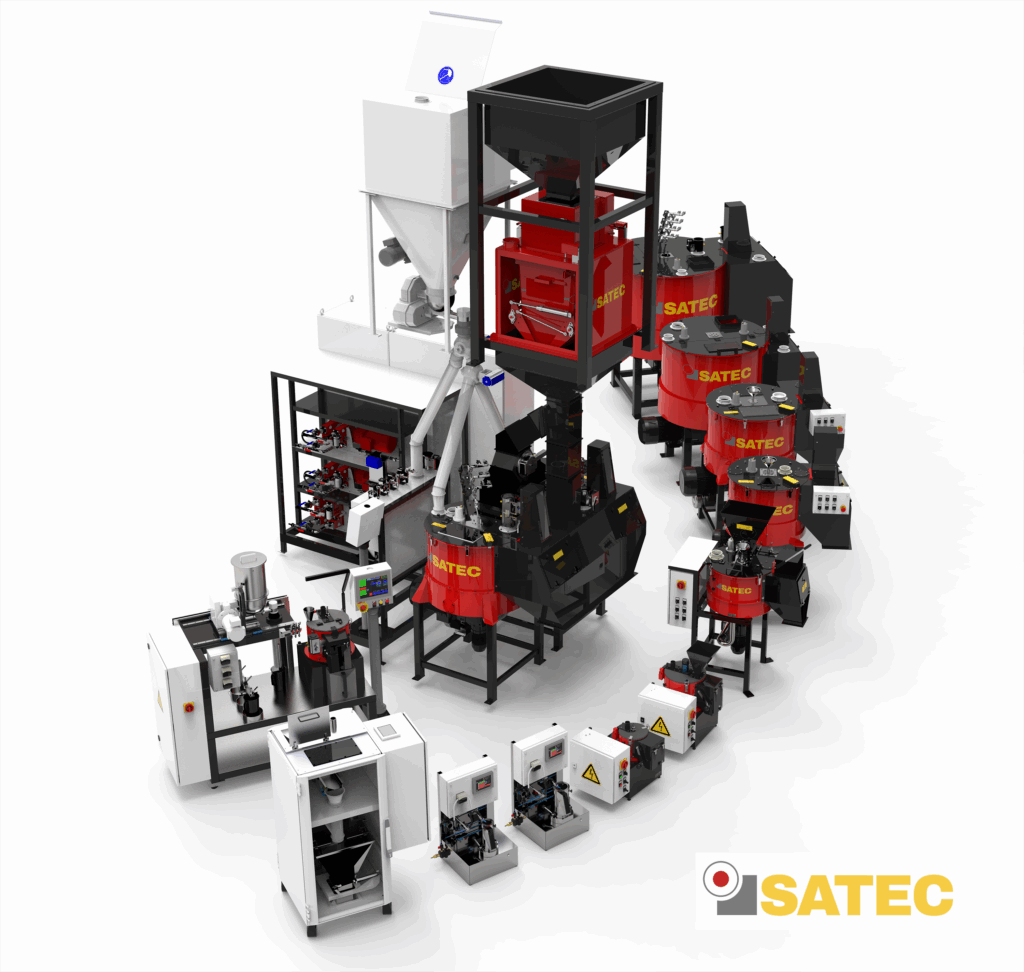
For over 40 years, SATEC® has provided high-quality seed treatment solutions—from pelleting to coating—serving agriculture, vegetables, ornamentals, and forestry with German-engineered equipment.
Putting Concerns About Glyphosate into Perspective

Joe Schwarcz examines the long-running glyphosate controversy, arguing that trace dietary residues in food pose no meaningful health risk to consumers. Reviewing decades of studies, he distinguishes hazard from real-world risk and notes that evidence linking glyphosate to cancer is weak, especially for the general public. However, heavy occupational exposure without protective equipment may slightly increase non-Hodgkin’s lymphoma risk among agricultural workers.
Better Varieties Need Investment to Deliver Results
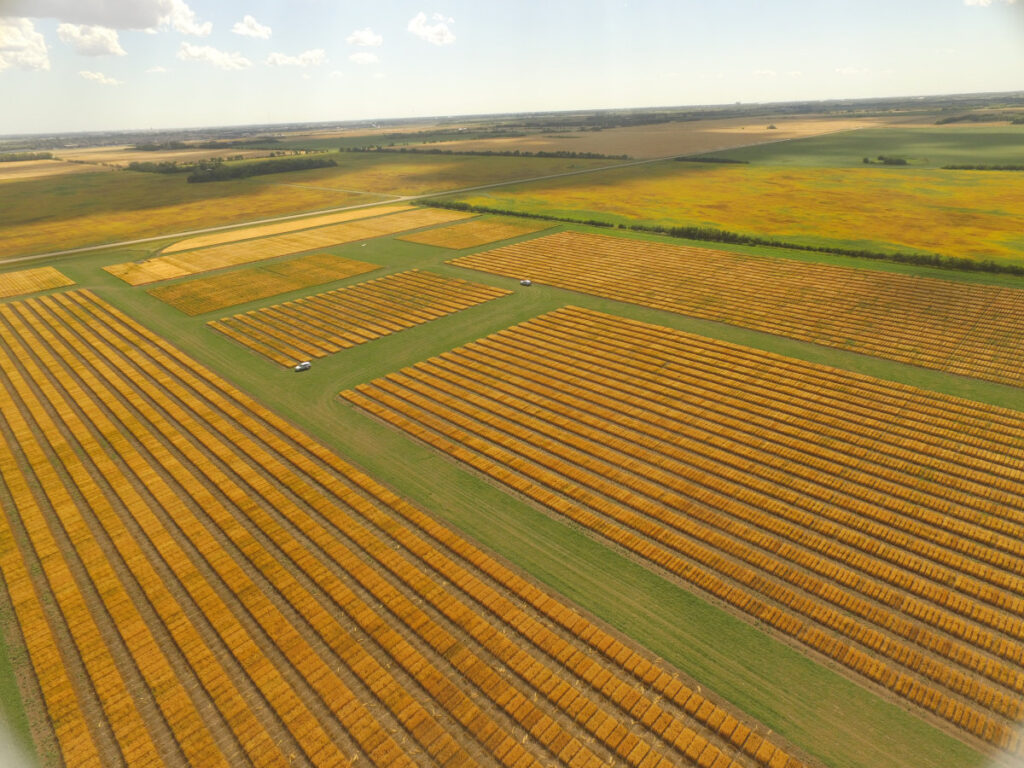
There’s an opportunity to evolve, and the sooner we act, the better positioned farmers will be
Why Seed Trade Is Getting More Expensive

Sam Crowell of ASTA discusses tariffs, Section 301 investigations, customs delays and why seed trade uncertainty is raising costs for seed companies.
Where the Conversation Goes Next | On The Brink: Season 2 – Episode 2
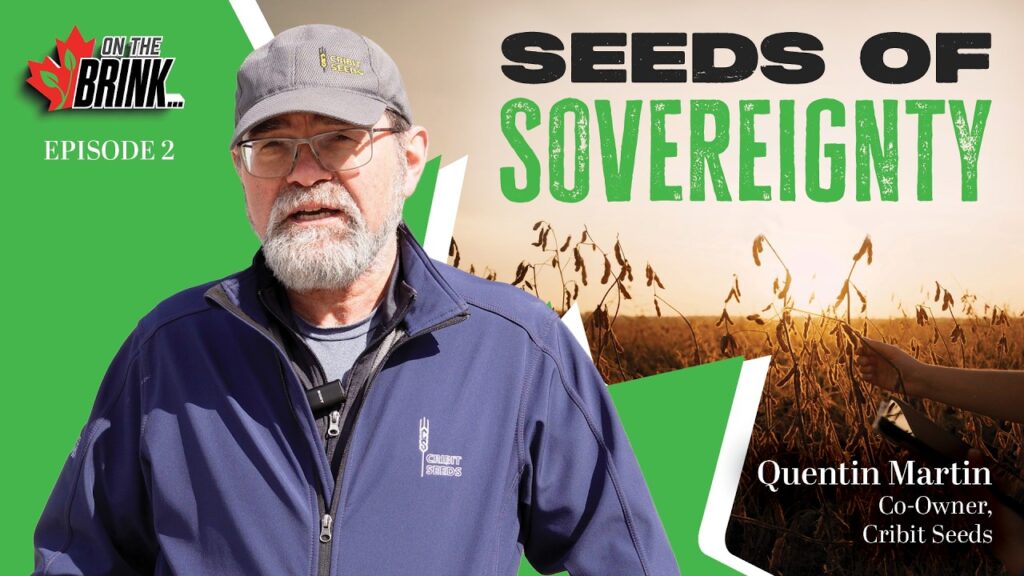
Quentin Martin of Cribit Seeds argues that Canada’s sustained investment in plant breeding is the reason crown rust hasn’t devastated eastern Canada’s 65,000 acres of grain oats — and that continued investment is the foundation of genuine food sovereignty.
La ISF otorga la Membresía Honoraria Vitalicia al Director de ANPROS, Mario Schindler

La Federación Internacional de Semillas (ISF) otorgó al Director Ejecutivo de ANPROS, Mario Schindler, la Membresía Honoraria Vitalicia por sus destacadas contribuciones a la industria global de semillas. Este raro reconocimiento, concedido solo a 20 personas desde 1996, destaca el liderazgo de Schindler en innovación, regulación, fitomejoramiento, propiedad intelectual y comercio, además de resaltar el creciente papel de Chile en la producción, exportación y colaboración internacional de semillas.
ISF Awards Lifetime Honorary Membership to ANPROS Director Mario Schindler
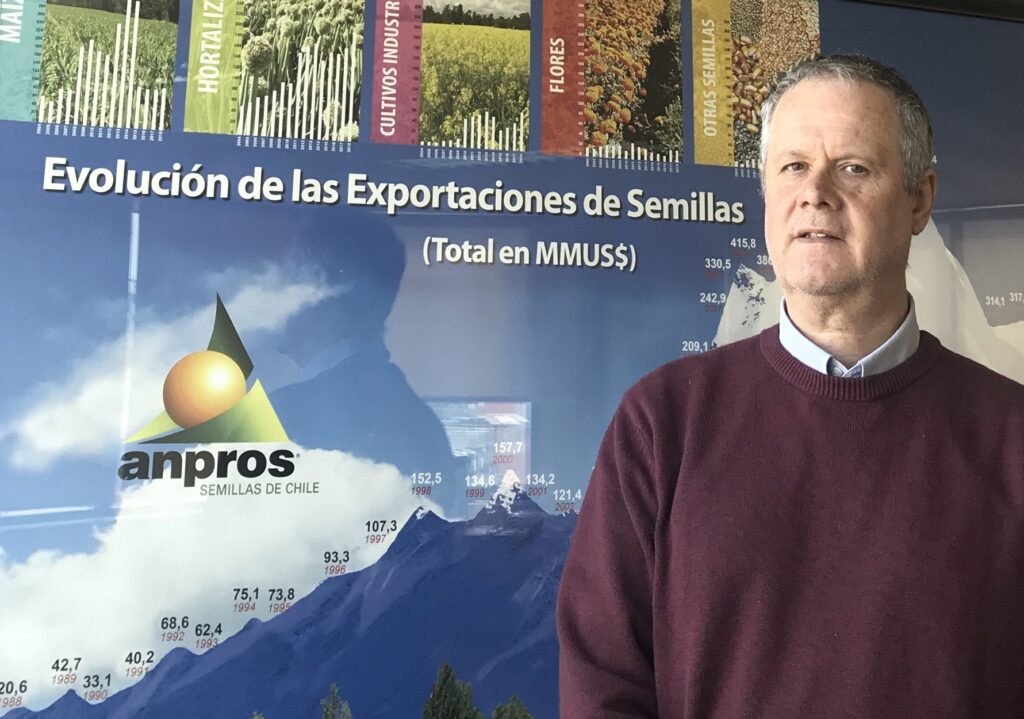
ISF awarded ANPROS Executive Director Mario Schindler Lifetime Honorary Membership for his outstanding contributions to the global seed industry. The rare honor, granted to only 20 people since 1996, recognizes Schindler’s leadership in innovation, regulation, plant breeding, intellectual property and trade, while highlighting Chile’s growing role in international seed production, exports and collaboration.
Scientists Decode Crop Stress Signals Linked to Climate Resilience
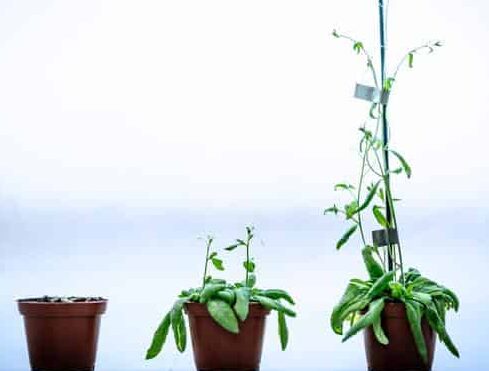
New research from ISTA shows that plants use two parallel cAMP signaling pathways to manage normal cell functions and stress responses. The discovery could help scientists better understand plant resilience and support future crop development for changing climates.
Strategy Creates Momentum. Planning Creates Motion.

Strong strategy separates motion from momentum. In the seed industry, organizations often confuse planning with strategy, creating activity without alignment. This article explains why clear purpose, positioning and value differentiation must come before execution, helping seed companies align teams, strengthen decision-making, improve market traction and build growth plans anchored in shared strategic direction.